
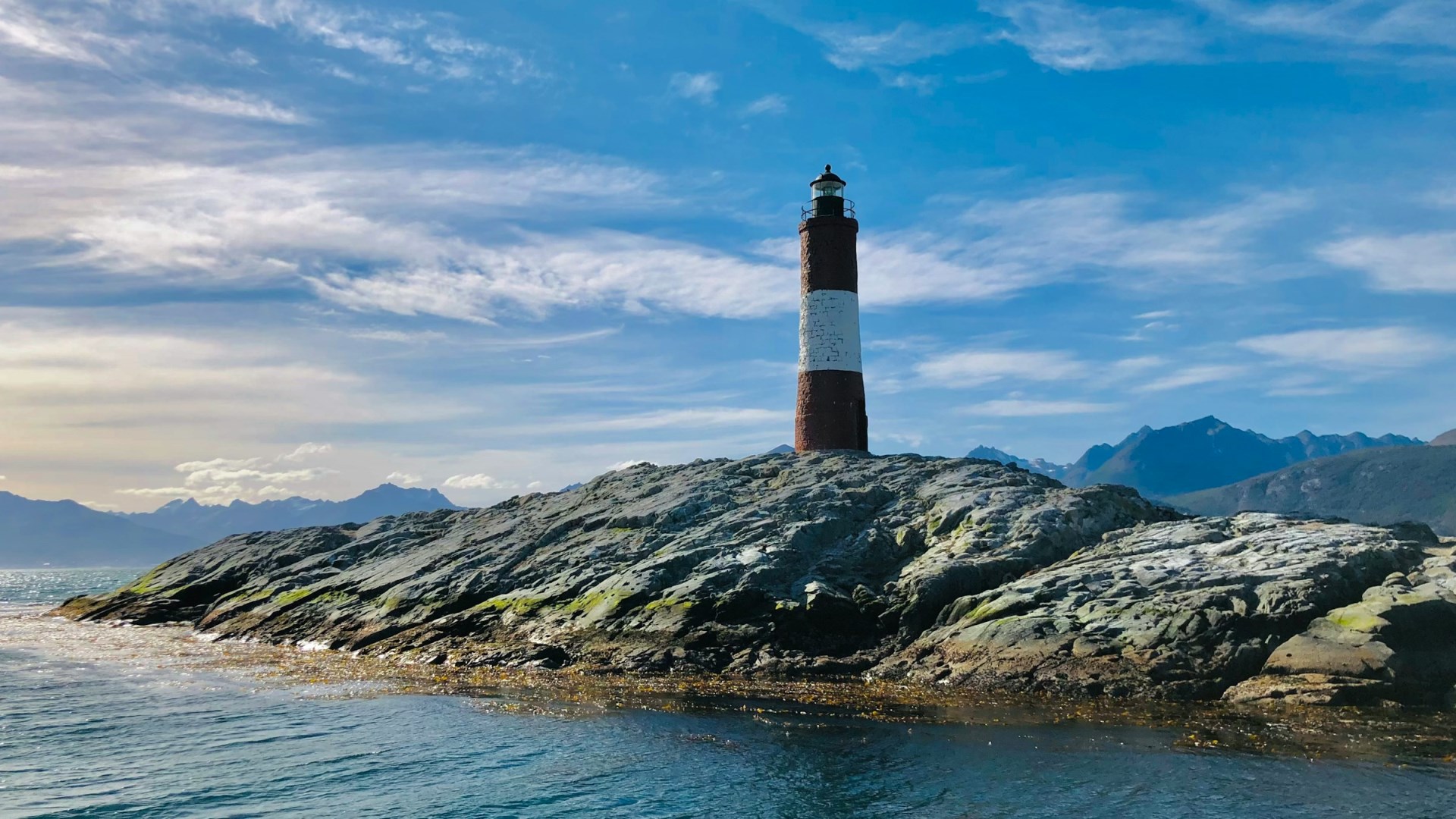
Tierra Del Fuego
Argentina shares half of this island territory in the South Atlantic Ocean with Chile. It's a place of oil derricks, sheep, glaciers, wind and waterways. Ushuaia and Río Grande are the two main towns; awesome scenery, wild walks and fishing are the island's main attractions. Argentina's only coastal national park comprises rivers, lakes, forests and glaciers, with great trekking and wildlife-spotting opportunities.

Fort Lauderdale
Fort Lauderdale is known for its sun-soaked beaches, diverse culture, and network of scenic canals that stretch over 300 miles. Visitors can take a water taxi or book a sunset cruise to explore the city from a different perspective.
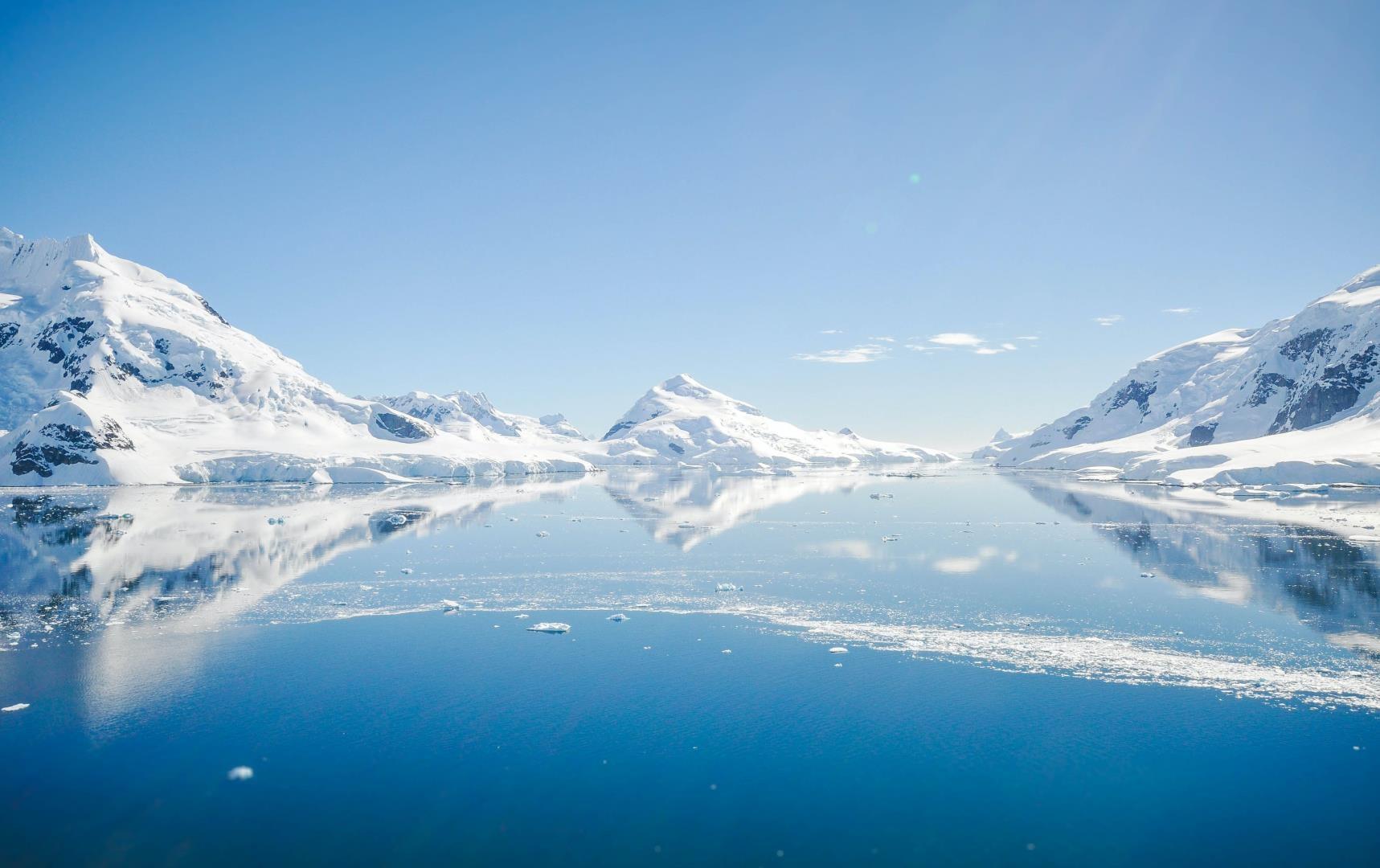
South Shetland Islands
Mist, research stations, and penguins are just a few of the things that define the South Shetland Islands, an archipelago off the coast of Antarctica. These 11 Antarctic islands, most notably King George Island, have served as a base for researchers from Chile, Argentina, and a variety of other countries. The archipelago has also become a popular cruise destination for tourists to the Antarctic region.
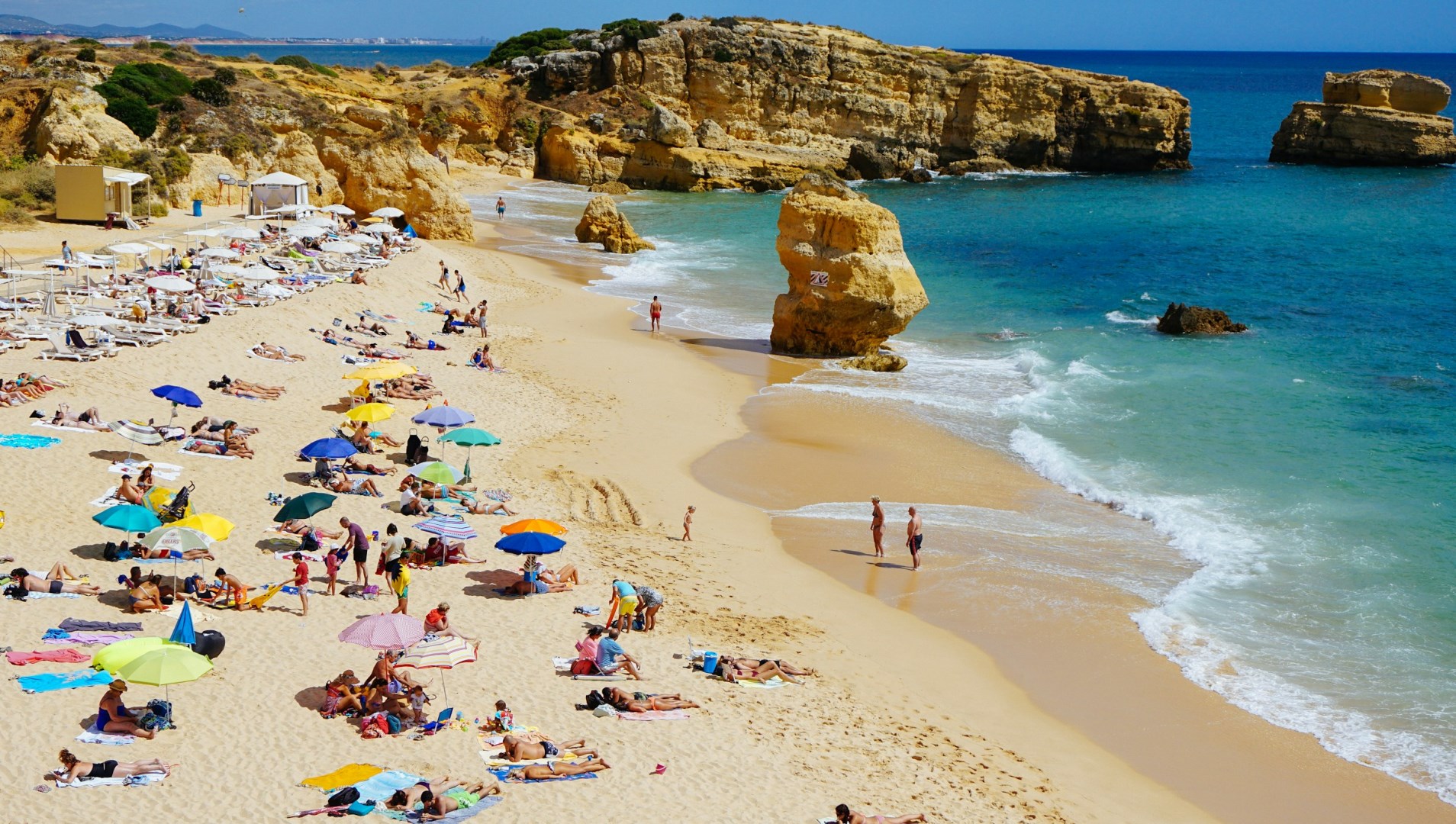
Albufeira
Albufeira, perched on Portugal’s Algarve coast, combines the charm of a traditional fishing village with the vibrancy of a seaside resort. Its whitewashed buildings tumble down hillsides toward golden beaches and turquoise waters, creating one of the most picturesque coastal scenes in southern Europe.
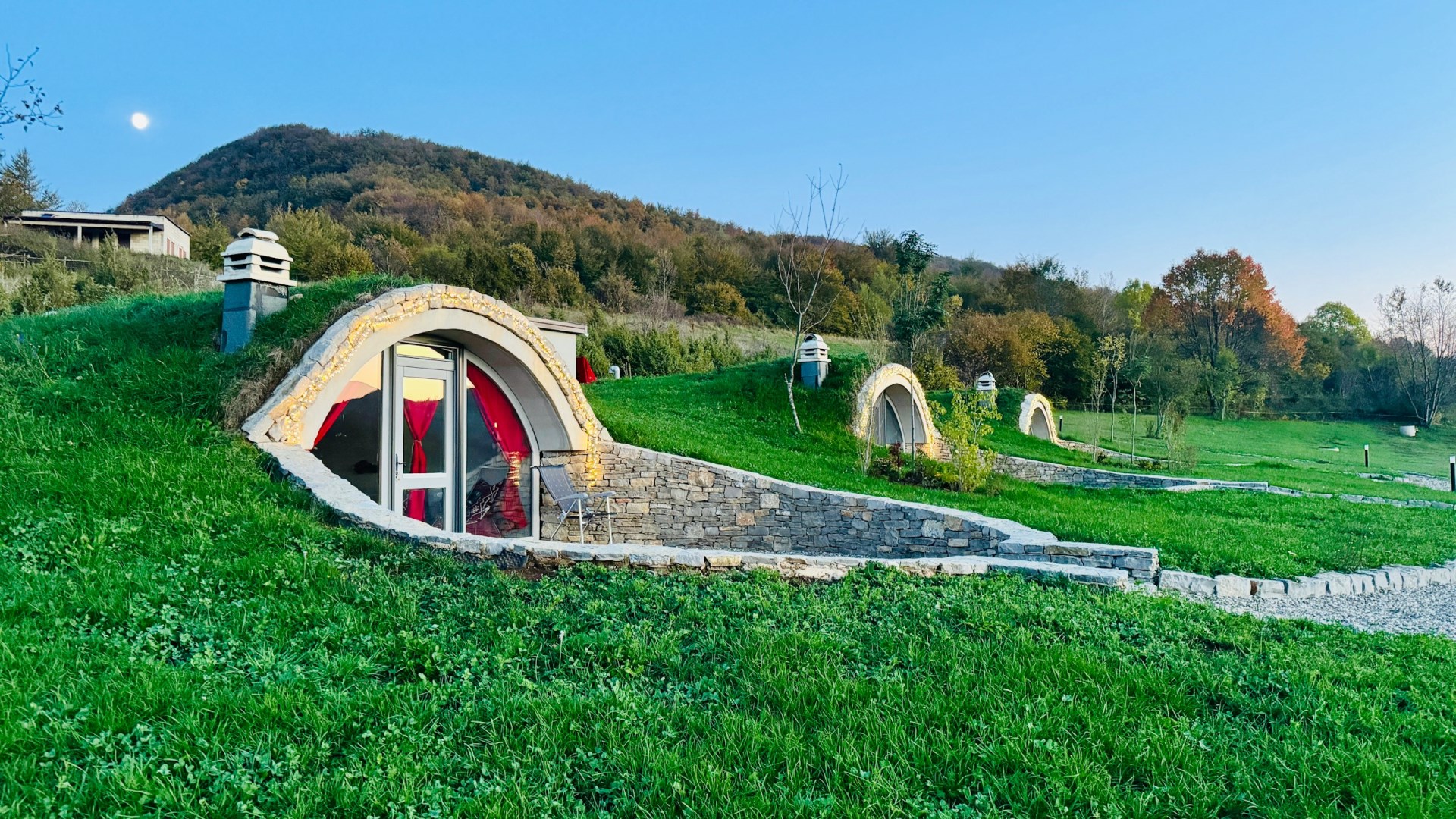
Kosovo
Kosovo, one of Europe’s youngest countries, offers visitors a glimpse into a landscape marked by resilience and rich tradition. The capital, Pristina, blends modern life with historical landmarks such as the Imperial Mosque, built in the 15th century, and the National Library, known for its unique architectural style. Walking through the city, visitors encounter a mix of Ottoman influences alongside vibrant street art and lively cafes.
