
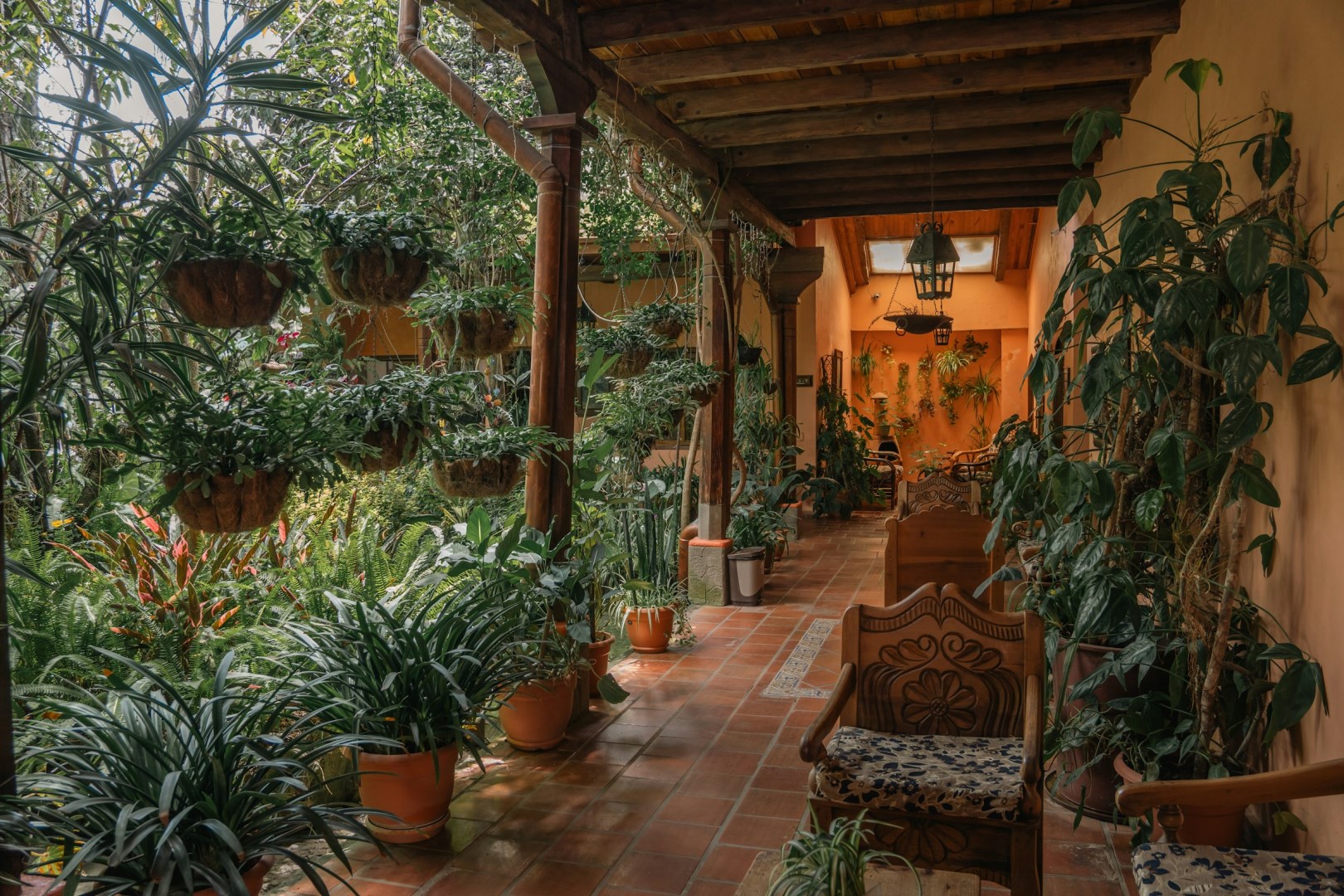
La Esperanza
La Esperanza is a highland city in Honduras and the capital of Intibucá department, situated in a cool mountain valley surrounded by pine-covered slopes. The city forms part of the Ruta Lenca, a cultural route through western Honduras, and is closely connected with the Lenca people and their traditions.
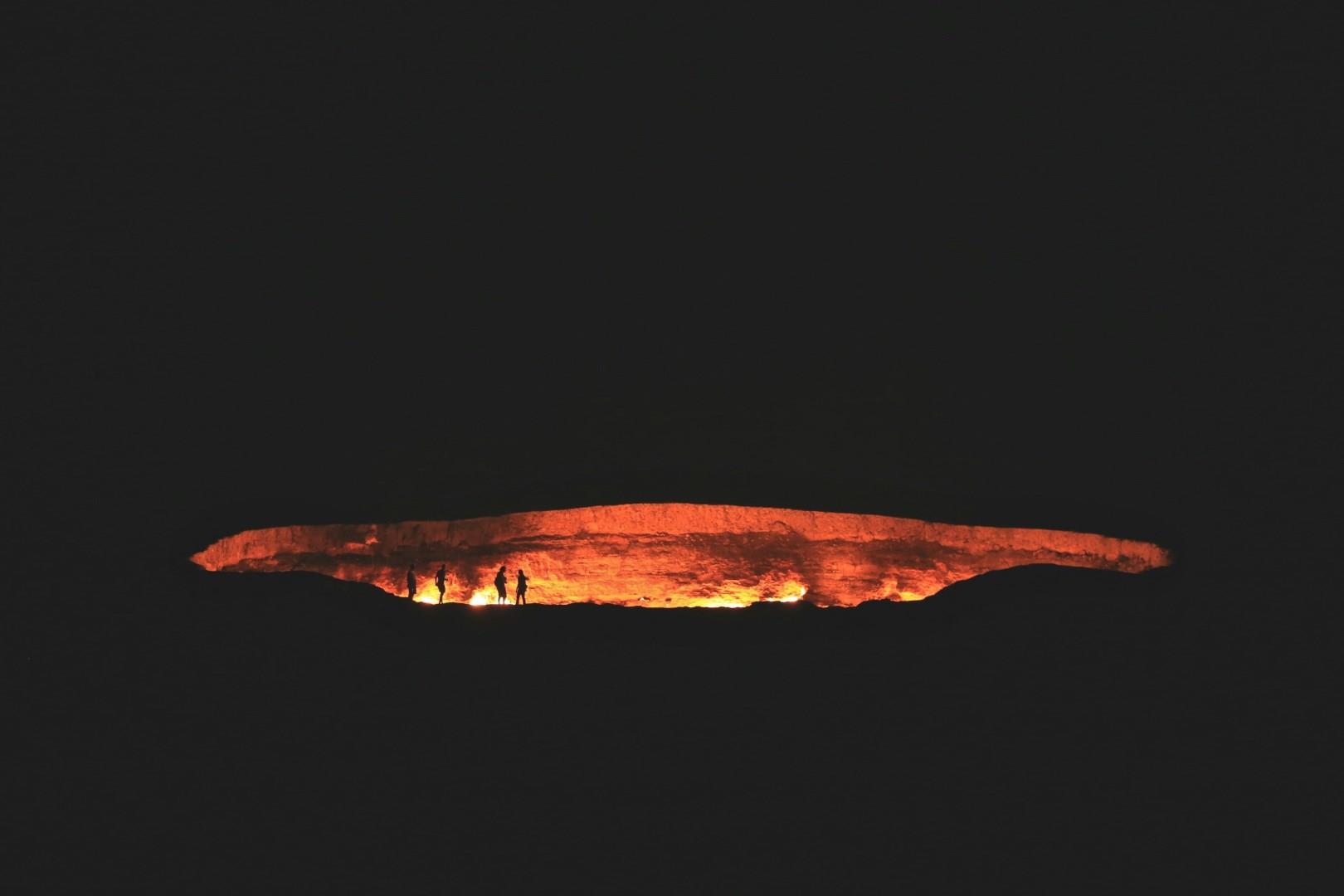
Darvaza
The Darvaza Gas Crater, famously nicknamed the “Door to Hell,” is one of Turkmenistan’s most extraordinary landmarks. Located deep in the Karakum Desert, this fiery pit has been burning continuously since the early 1970s, when Soviet engineers reportedly set fire to a collapsed natural gas field to prevent the spread of methane.

Micronesia
Micronesia, officially the Federated States of Micronesia (FSM), is made up of more than 600 islands scattered across the western Pacific Ocean. Each of its four states (Yap, Chuuk, Pohnpei, and Kosrae) offers travelers something distinctly different. Ancient stone ruins, sapphire lagoons, volcanic peaks, and remote island communities all tell a story of resilience, connection, and seafaring heritage.
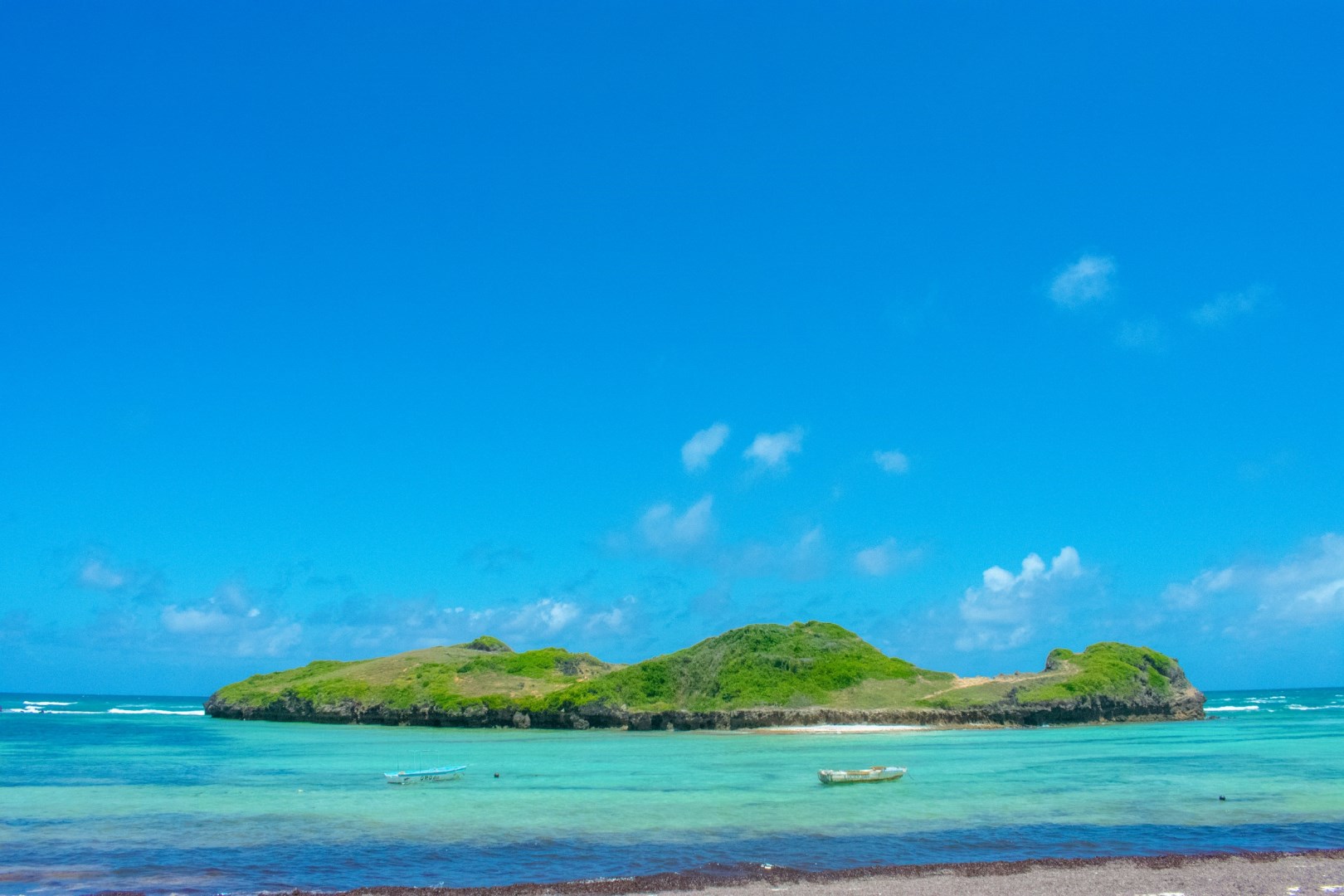
Malindi
Malindi is a coastal town in southeastern Kenya, located along the Indian Ocean north of Mombasa. Its setting combines a historic Swahili settlement with sandy beaches, coral reefs, palm trees, and marine habitats. The town has long been connected to Indian Ocean trade, and its streets and waterfront reflect African, Arab, Portuguese, and later European influences.
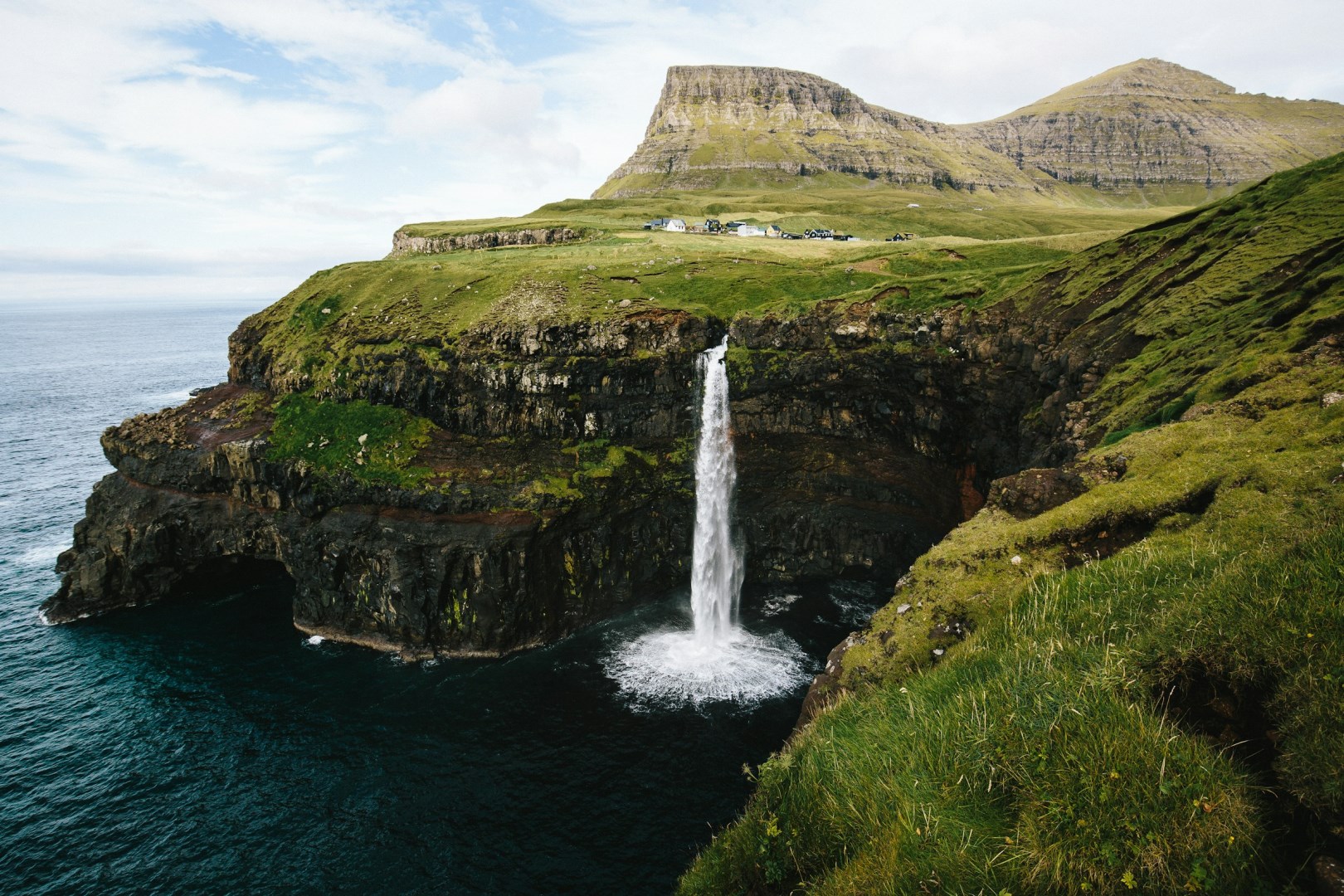
Gásadalur
Gásadalur is a small village on the western side of Vágar in the Faroe Islands, set in a narrow valley between steep mountains and the North Atlantic. The settlement overlooks the sea toward the island of Mykines and is surrounded by high slopes, green pasture, and rugged cliffs. Its remote position shaped village life for generations, when access required crossing the mountains on foot.
