

Montreux
Spectacularly picturesque, Montreux is situated on the shore of Lake Geneva and one of Switzerland's most popular resort destinations. Montreux is best known for stunning lakeside views, upscale hotels, an annual jazz festival, and the magnificent Château de Chillon, the medieval castle which inspired the writings of many Romantic era poets.

Sedona
Nestled amid the stunning red rock formations of northern Arizona, Sedona is a destination where natural beauty, spiritual energy, and outdoor adventure converge. Known for its vibrant landscape of towering red rocks, Sedona is often called “Red Rock Country.” Visitors can explore this breathtaking terrain through a myriad of trails suitable for all skill levels.
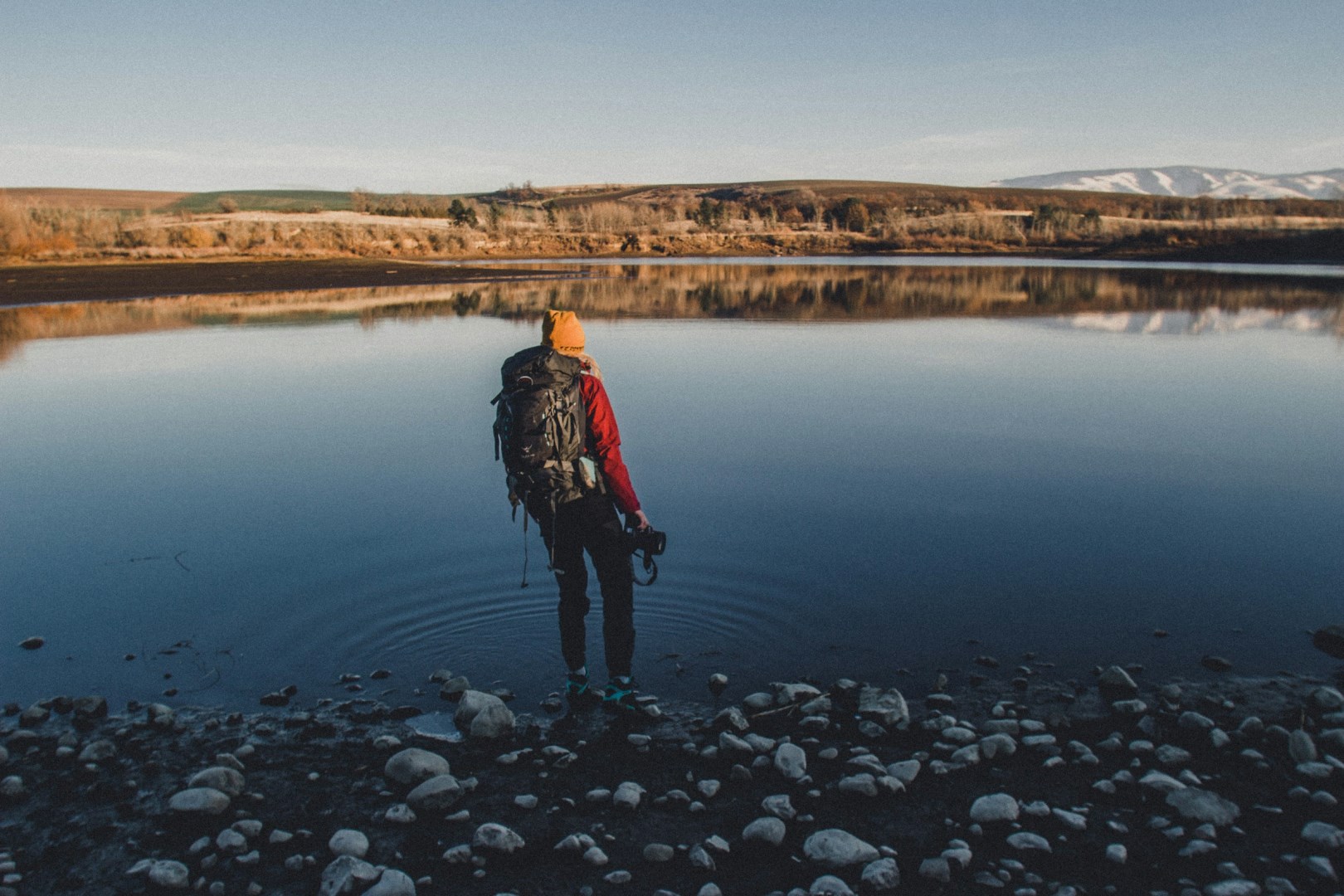
Walla Walla
Walla Walla, Washington, is a hidden gem in the Pacific Northwest, renowned for its stunning vineyards and rich history. This charming city is nestled in the heart of the Walla Walla Valley, an area celebrated for its world-class wine production. The region’s wineries, offer exquisite tastings and picturesque settings, making Walla Walla a must-visit for wine enthusiasts.
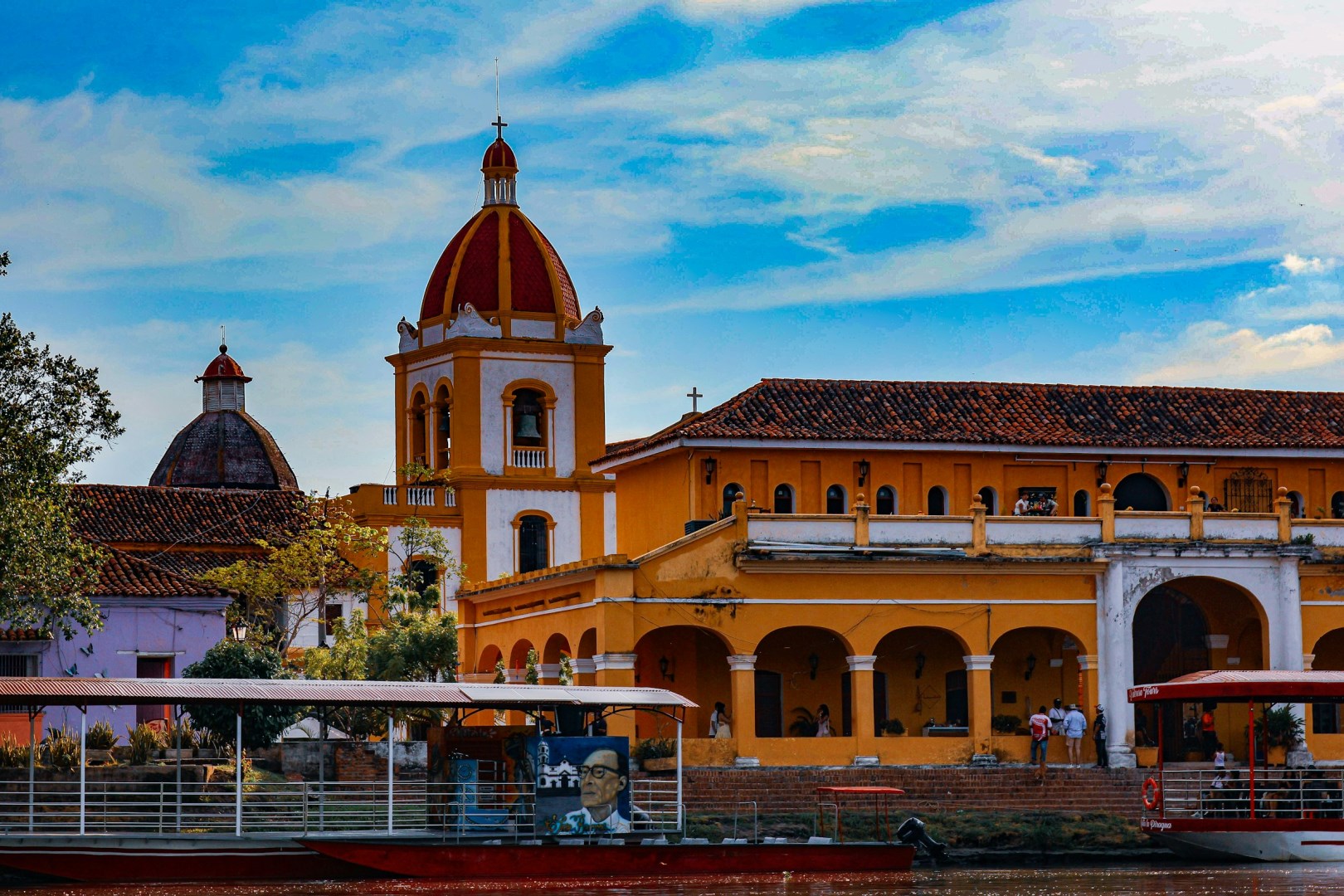
Santa Cruz de Mompox
Santa Cruz de Mompox, better known as simply Mompox (or Mompós), draws many visitors to northern Colombia with its rich history, well-preserved colonial architecture, and several annual events including its Holy Week celebrations and the Mompox Jazz Festival.
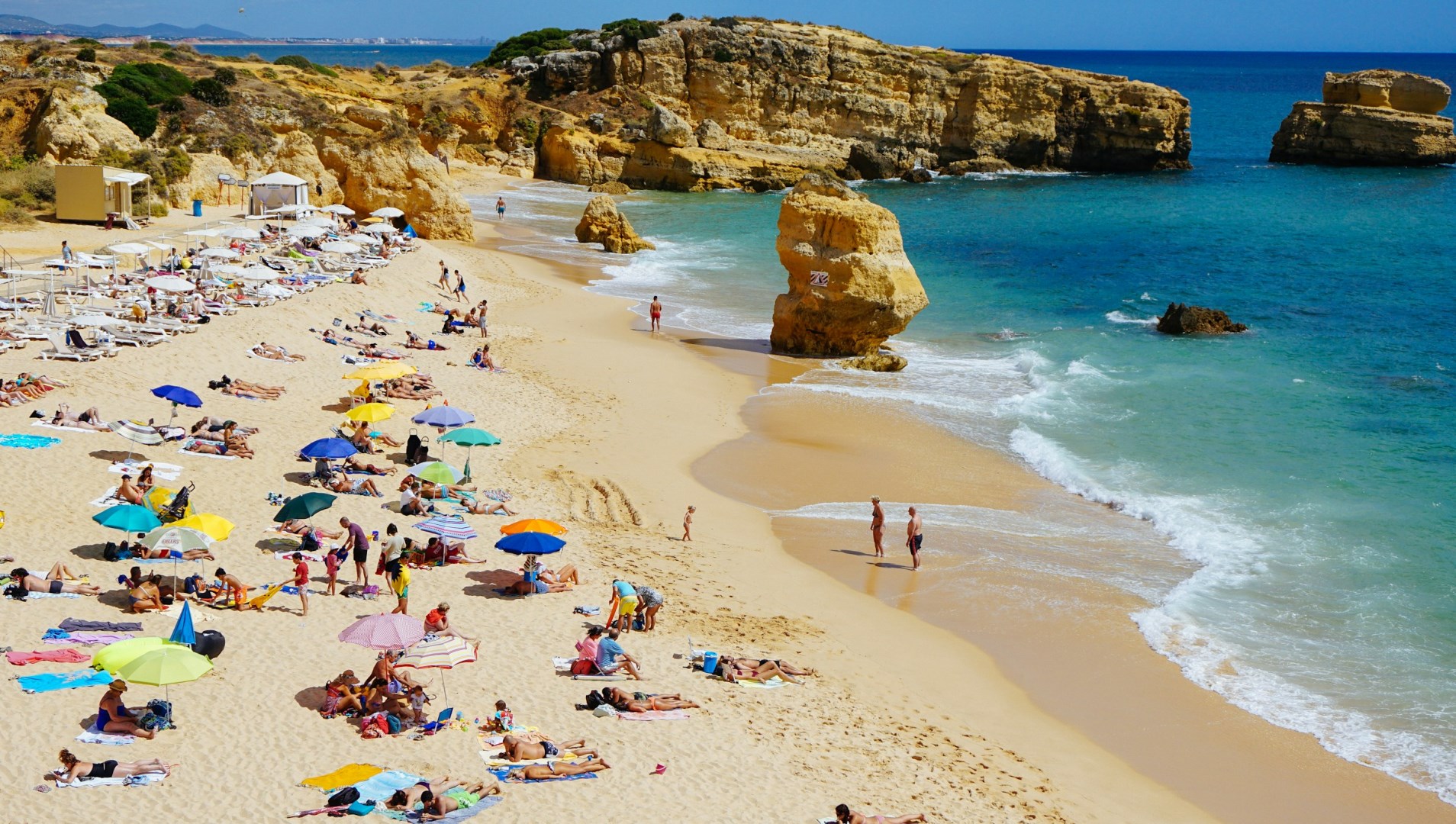
Albufeira
Albufeira, perched on Portugal’s Algarve coast, combines the charm of a traditional fishing village with the vibrancy of a seaside resort. Its whitewashed buildings tumble down hillsides toward golden beaches and turquoise waters, creating one of the most picturesque coastal scenes in southern Europe.
