
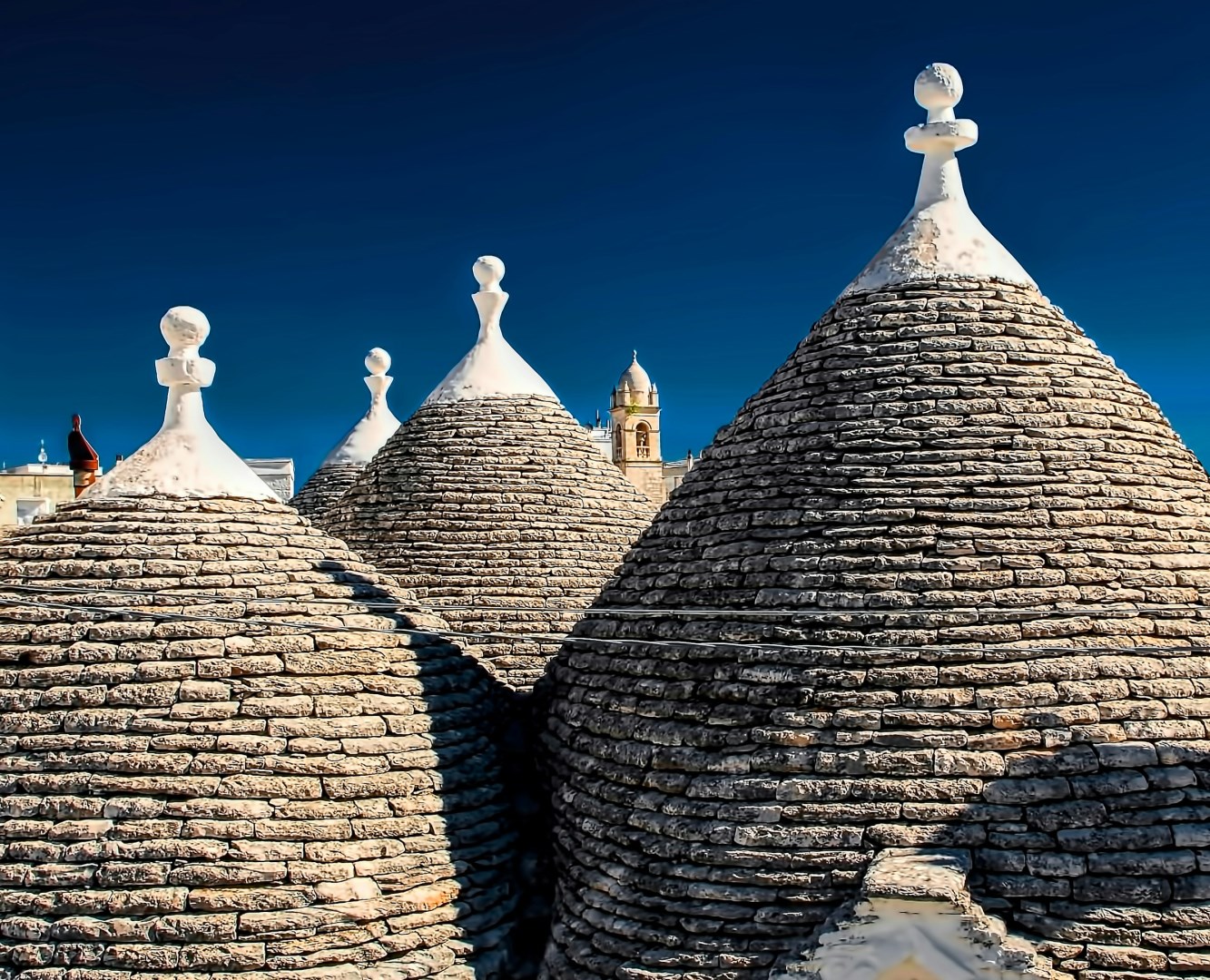
Alberobello
Alberobello in southern Italy’s Puglia region captures the imagination with its distinctive trulli houses. These structures were built using a dry-stone technique passed down over centuries, without mortar or cement, and their unique form comes from layer upon layer of limestone nestled from nearby fields. Alberobello’s trulli are so remarkable that in 1996 the historic center was inscribed as a UNESCO World Heritage Site, where more than 1,600 of these buildings still stand.
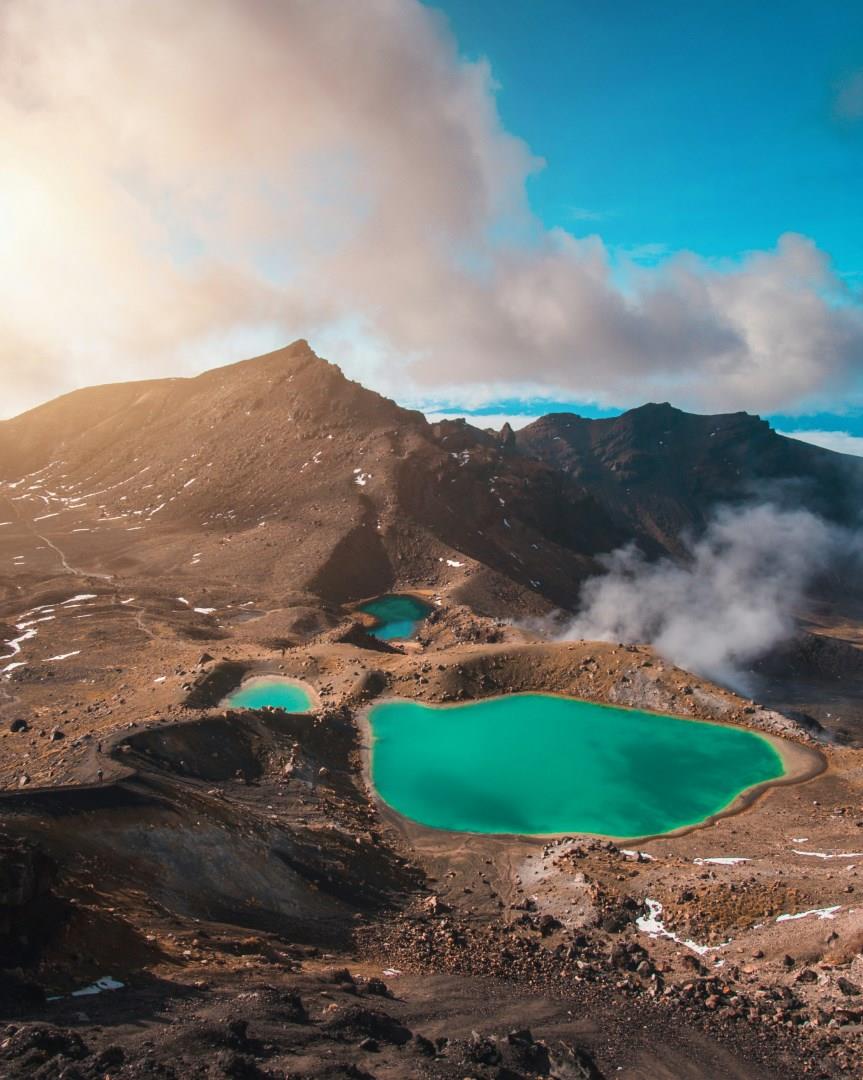
Tongariro National Park
Tongariro National Park, on New Zealand’s North Island, holds deep cultural meaning as well as striking geological presence. It was the country’s first national park, gifted to the nation by Ngāti Tūwharetoa chiefs in the 19th century, establishing a model that tied conservation to Māori guardianship. The volcanic peaks of Tongariro, Ngāuruhoe, and Ruapehu are considered ancestors, giving the landscape a living cultural identity rather than a purely scenic one.
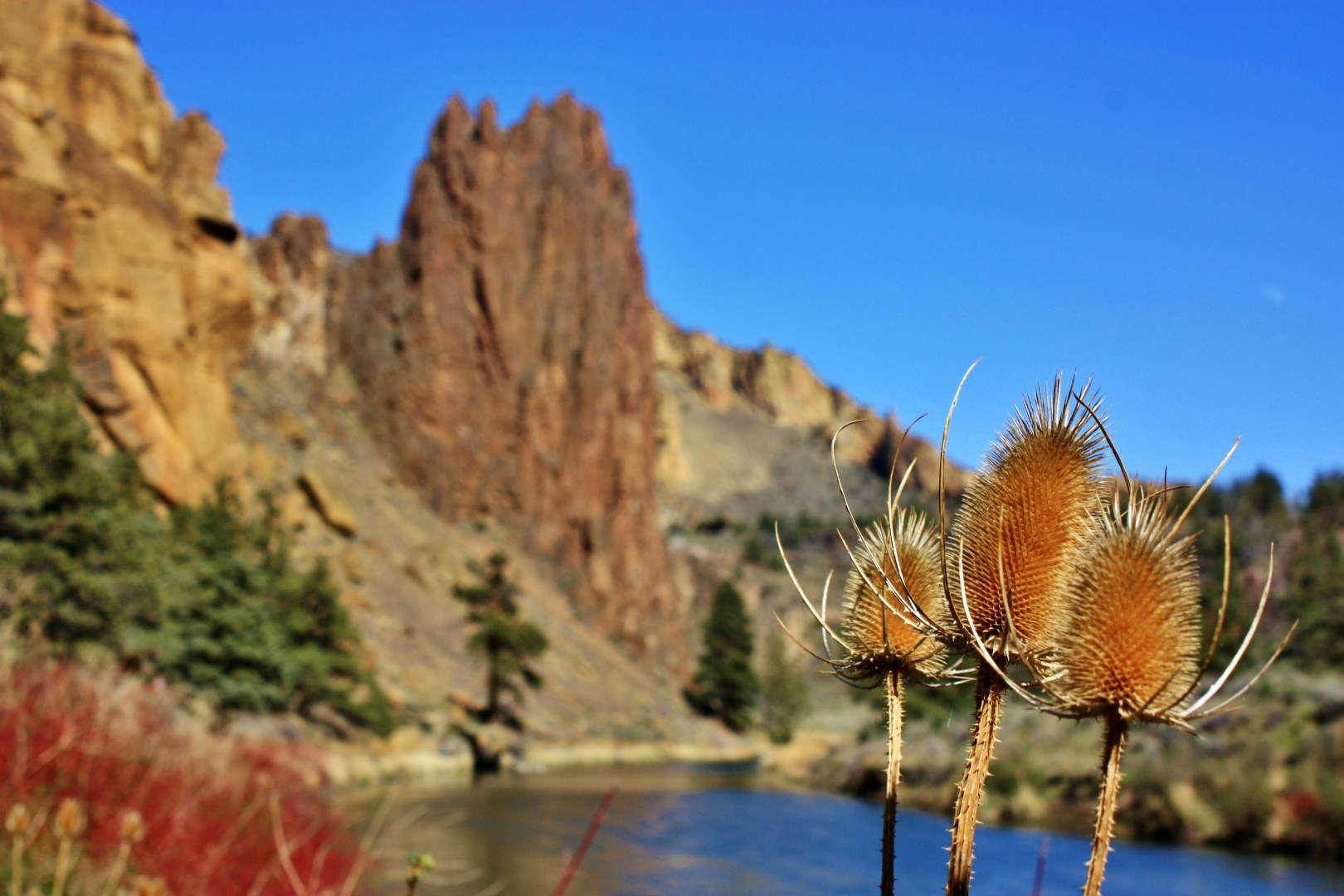
Smith Rock State Park
Smith Rock State Park is a high-desert landscape in central Oregon, where the Crooked River cuts through a canyon surrounded by towering cliffs of volcanic rock. Located near the community of Terrebonne, the park is known for its sheer rock walls, open grasslands, and rugged terrain.
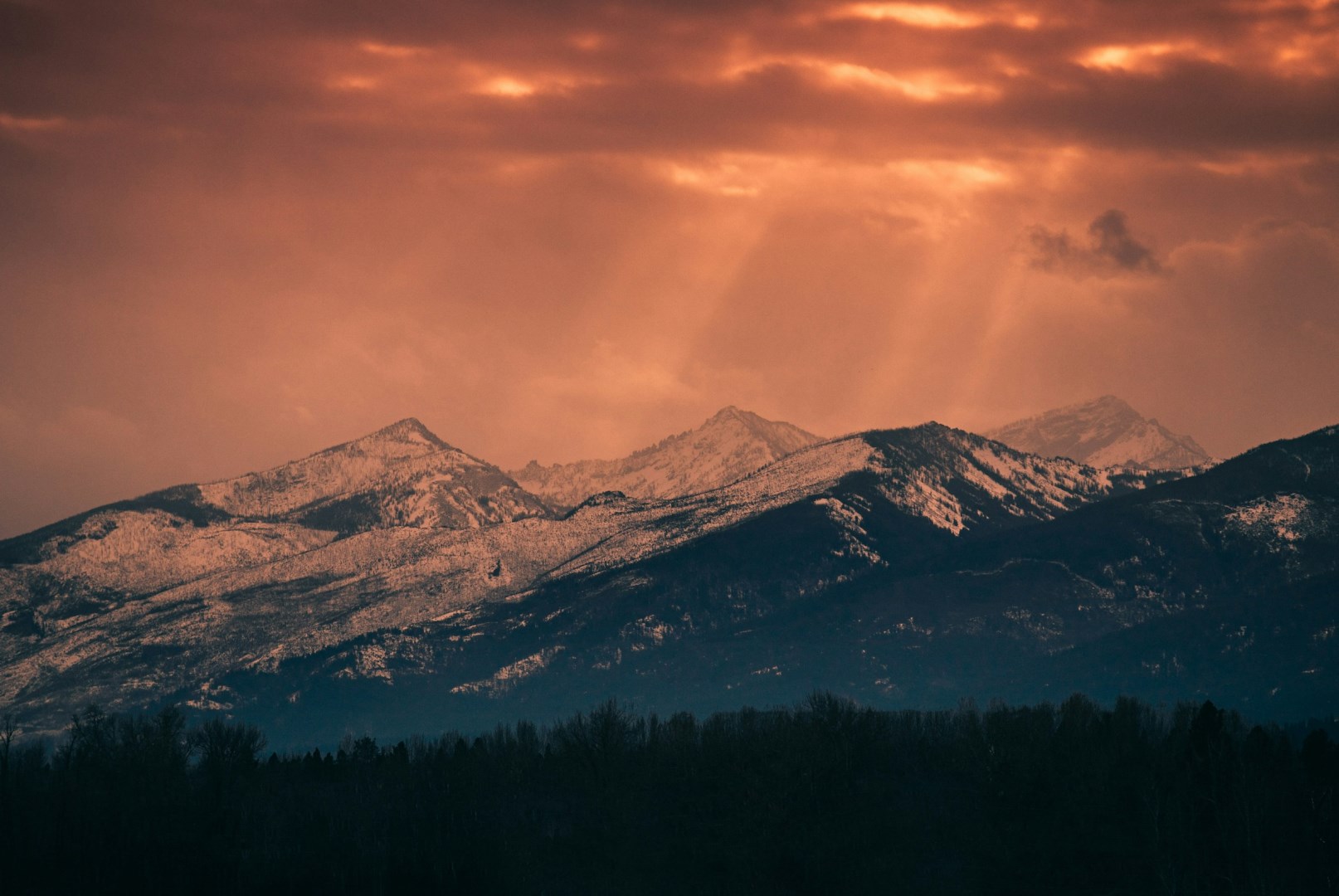
Missoula
Missoula, nestled in western Montana’s scenic mountain valleys, is a lively city that blends outdoor adventure with a strong sense of community and culture. Founded as a 19th-century trading post and lumber town, Missoula has evolved into a hub for education, the arts, and nature, anchored by the University of Montana and surrounded by breathtaking wilderness.

Leon
León, in northwest Spain, is a city where Roman, medieval, and modern layers coexist. Its historical heart features the León Cathedral with its remarkable stained glass, the Basilica of San Isidoro, and winding streets that hint at centuries of trade and culture.
