
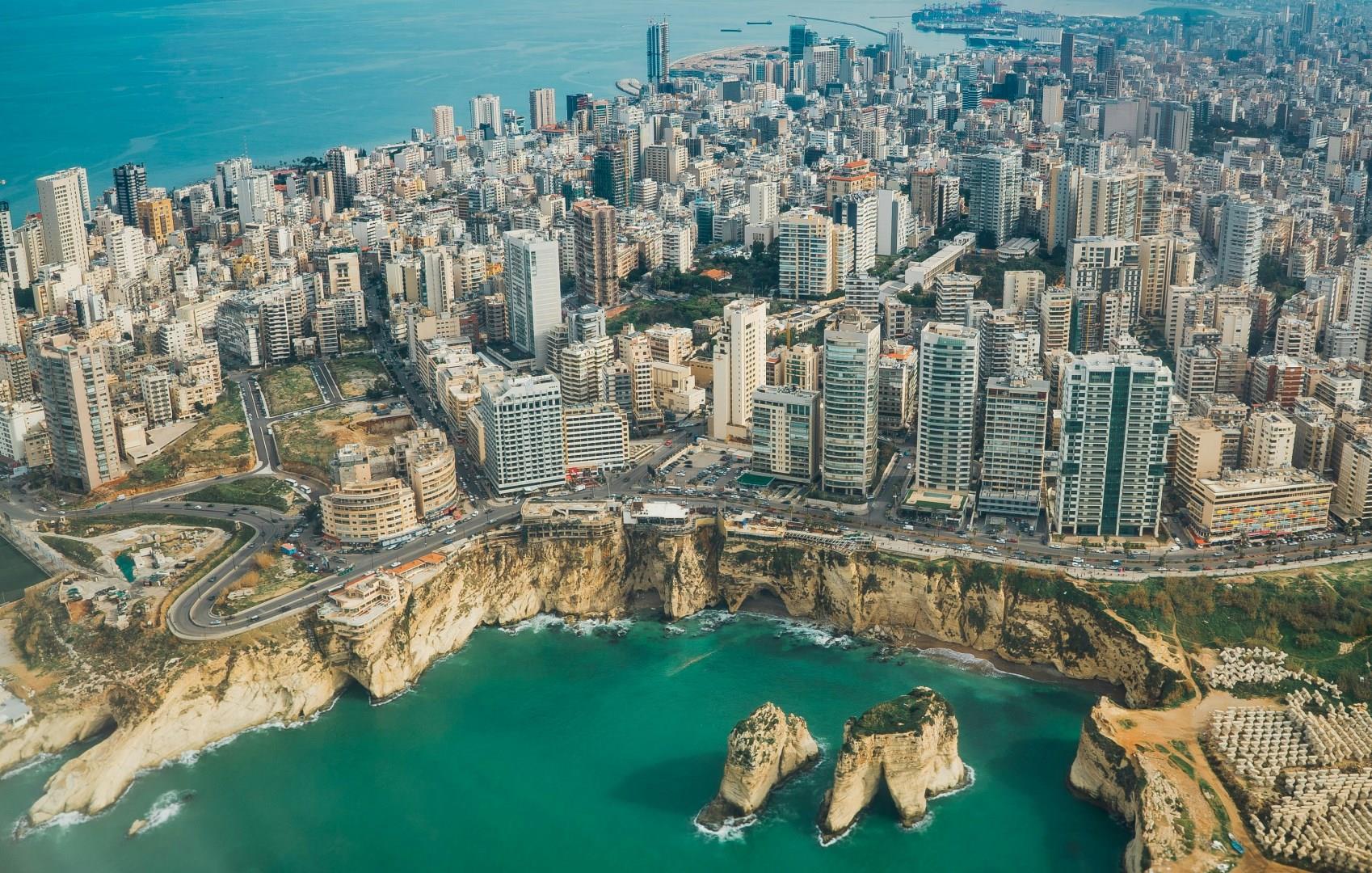
Beirut
Beirut traces its roots back over 5,000 years. Once called Berytus during the Roman era, it grew into a key port of the Mediterranean. Today’s visitors can follow the Beirut Heritage Trail, a 2.5 km walking route marked with bronze medallions, that links archaeological sites, historic courtyards, and restored Ottoman buildings. The path unveils layers of the city's past one block at a time.

AlUla
AlUla is an oasis region in northwestern Saudi Arabia, surrounded by sandstone mountains, desert valleys, and cultivated palm groves. Its landscape has been shaped by the presence of water, with the AlUla oasis supporting date palms, citrus trees, and other crops within an otherwise arid setting. The area is particularly known for its combination of archaeological sites and unusual rock formations.
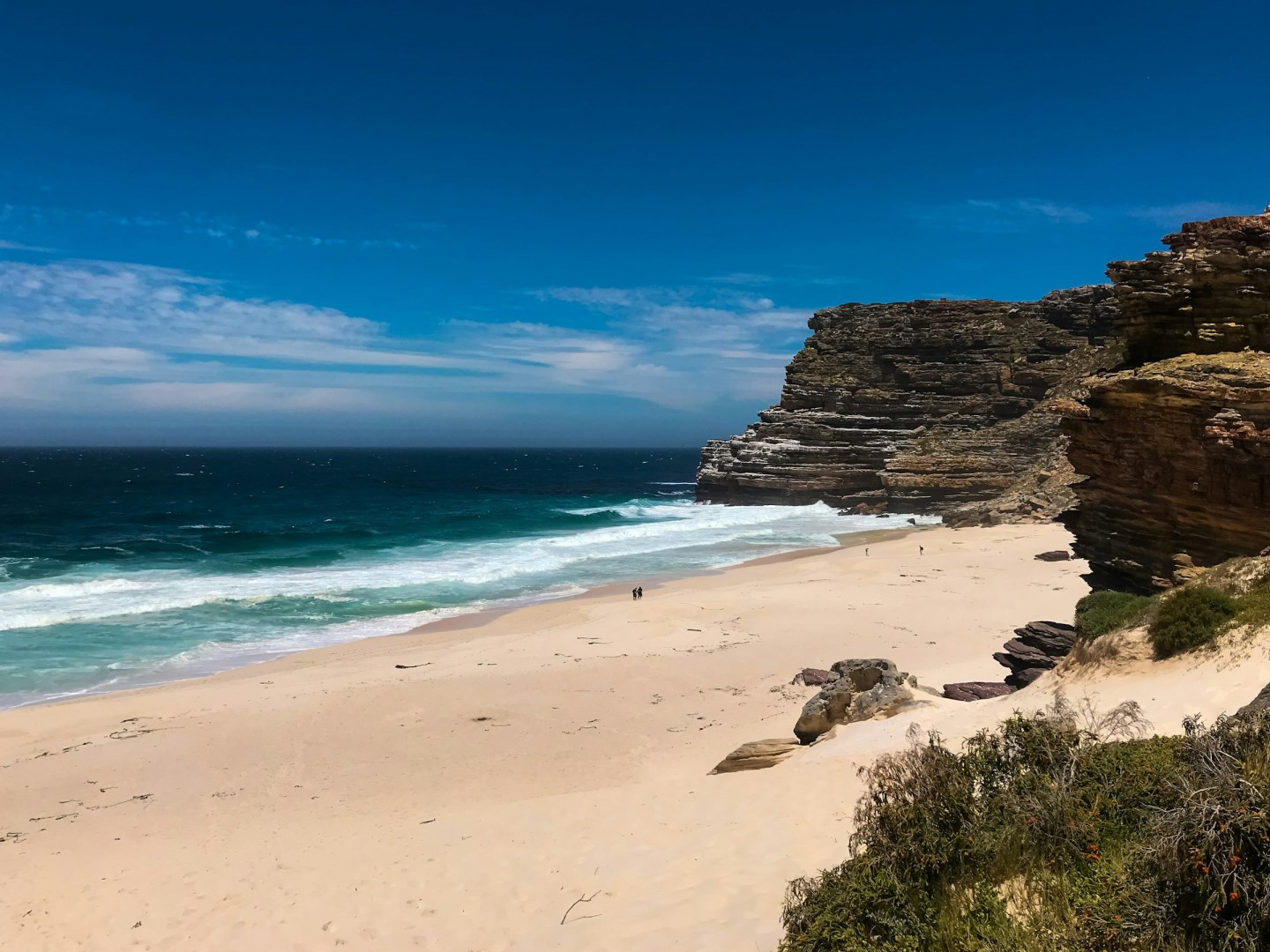
Cape of Good Hope
The Cape of Good Hope, located at the southwestern tip of South Africa, is a destination of striking natural beauty and historical significance. This iconic landmark, part of the Cape Peninsula, offers breathtaking views where the Atlantic and Indian Oceans meet.
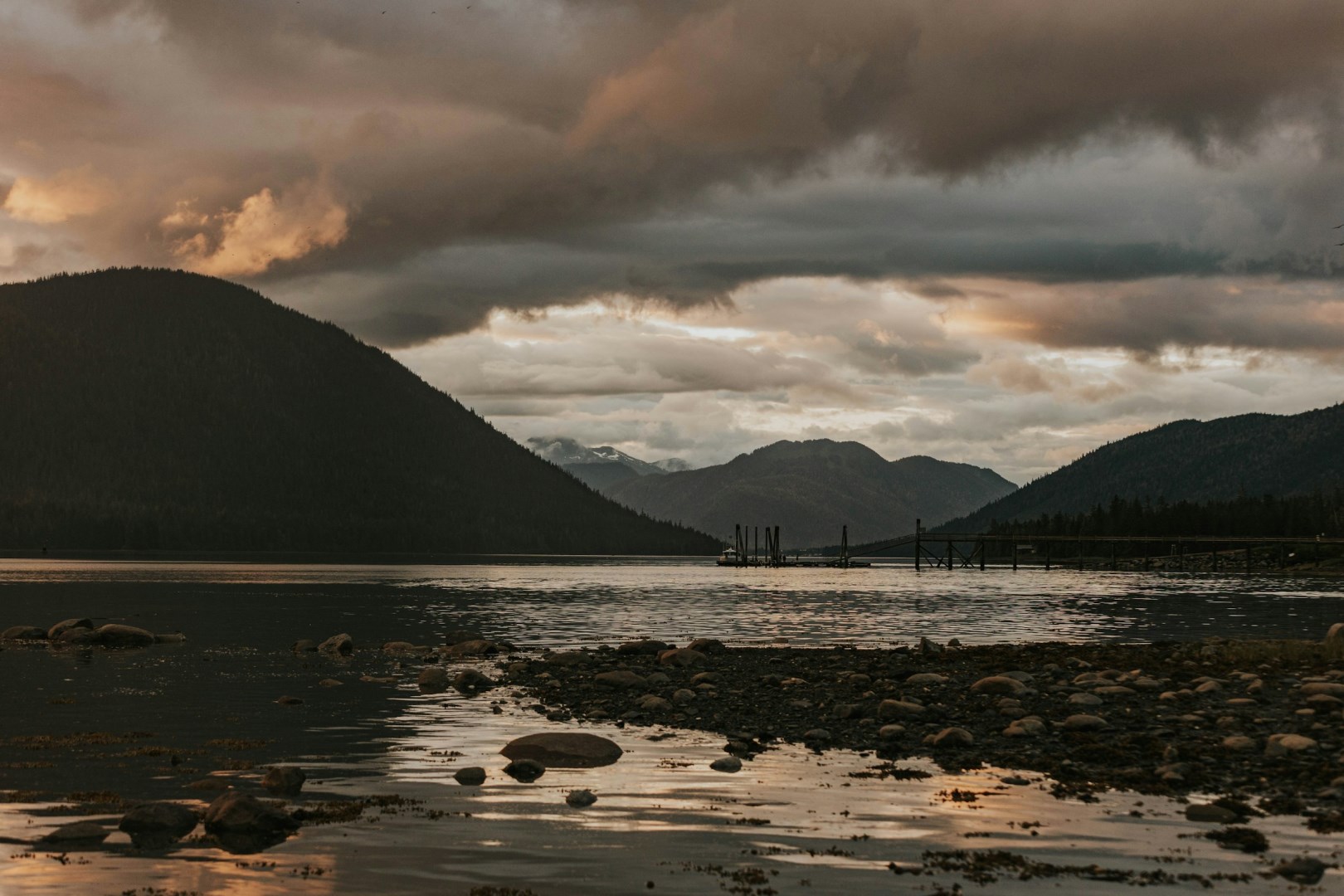
Petersburg
Petersburg, Alaska sits on Mitkof Island in Southeast Alaska, where ocean channels and forested mountains shape everyday life. The town looks out over the Wrangell Narrows, a narrow water route so winding that boats often follow a carefully timed path to pass through. Wooden docks line the waterfront, and fishing boats are a constant sight, reflecting how closely the town is tied to the sea and seasonal harvests.
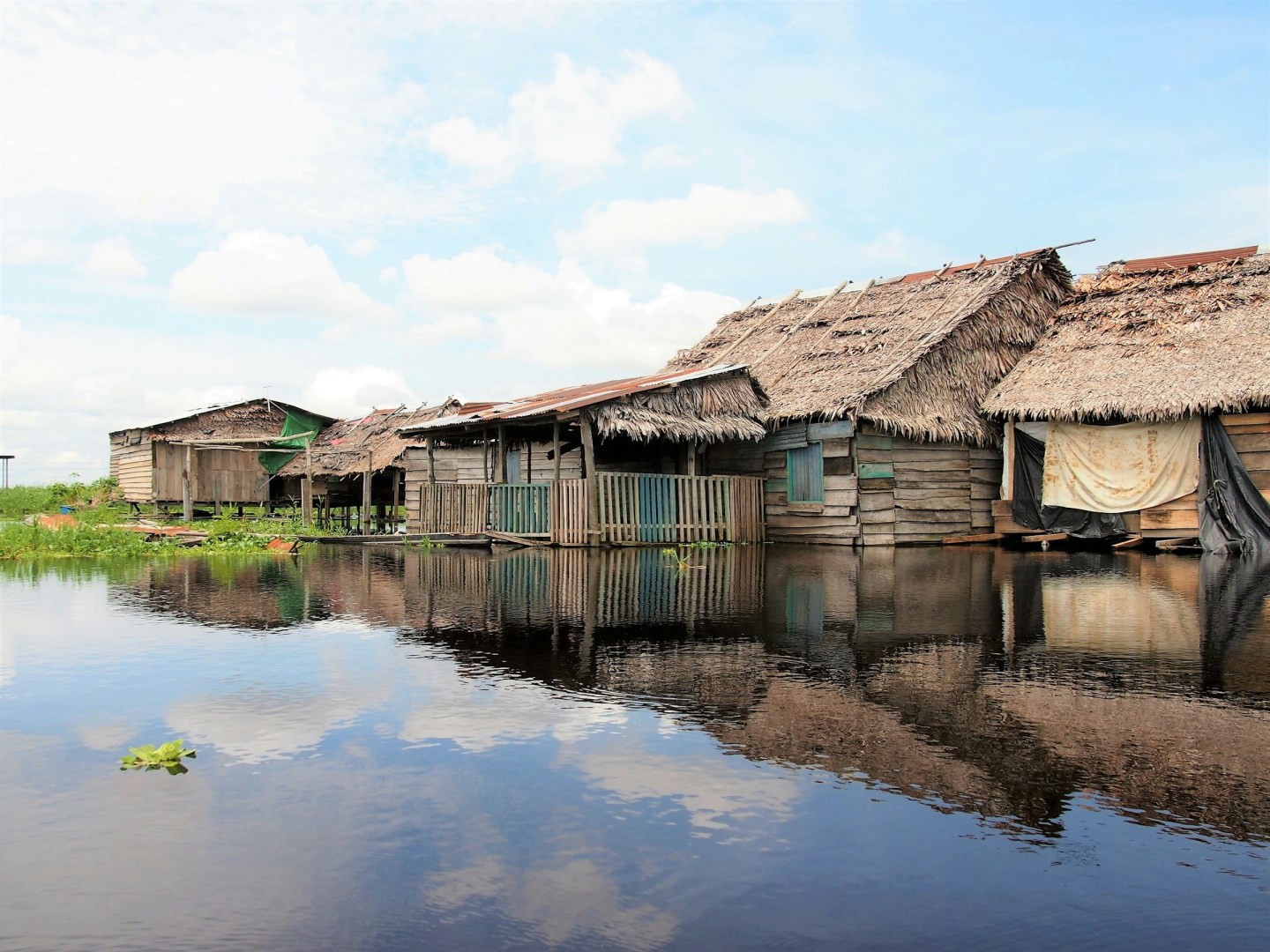
Iquitos
Although not accessible by road, it is Peru's most important commerical center in the east. It is on the Amazon which is wide enough to allow freighters at their busy port. The 1880's saw the rubber boom and recently oil has been the boom.
