
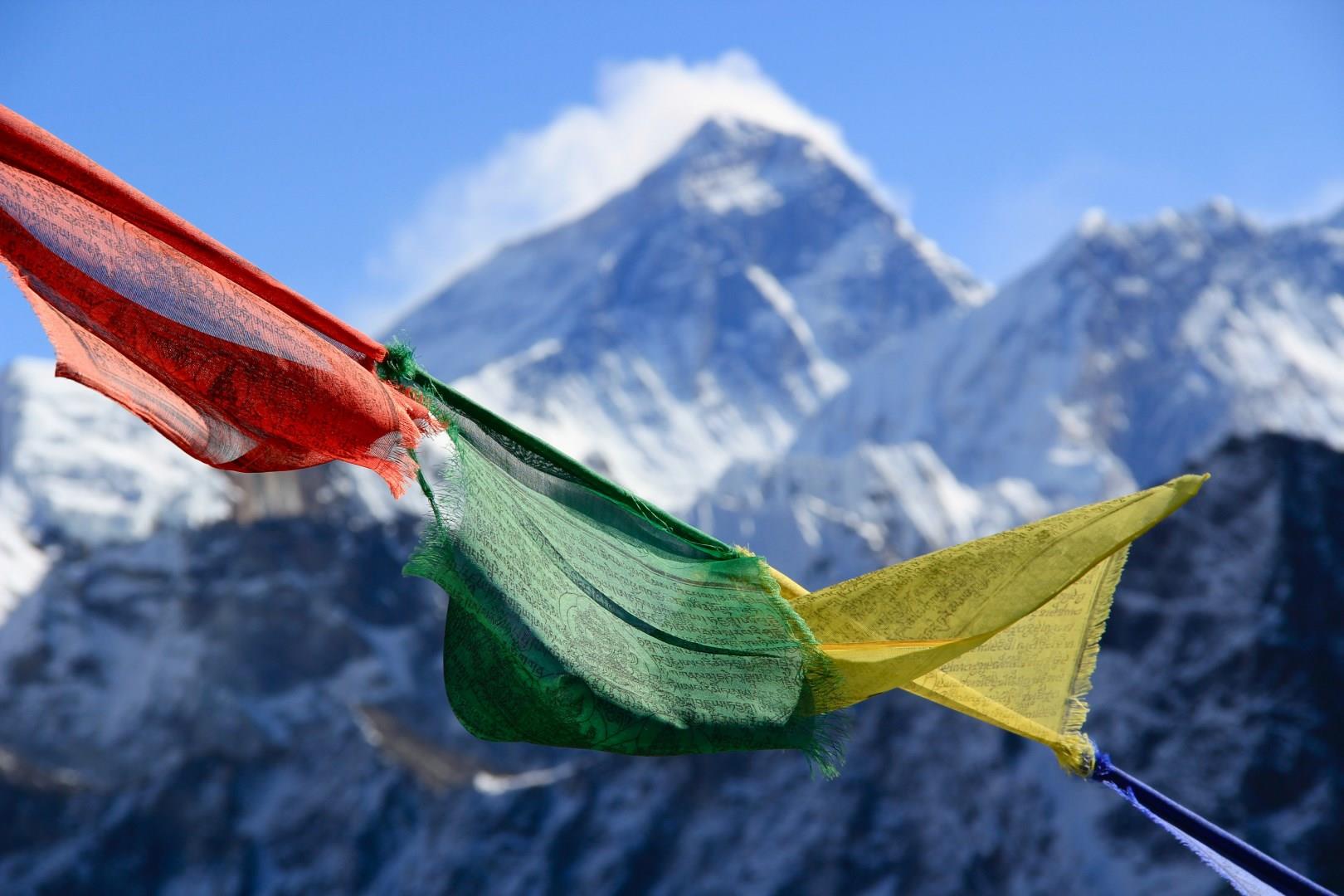
Gokyo
Gokyo is a small settlement high in Nepal’s Khumbu region, set beside a chain of turquoise glacial lakes beneath the Himalaya. Its significance is closely tied to trans-Himalayan trade routes and to Sherpa culture, which has adapted over generations to life at extreme altitude.
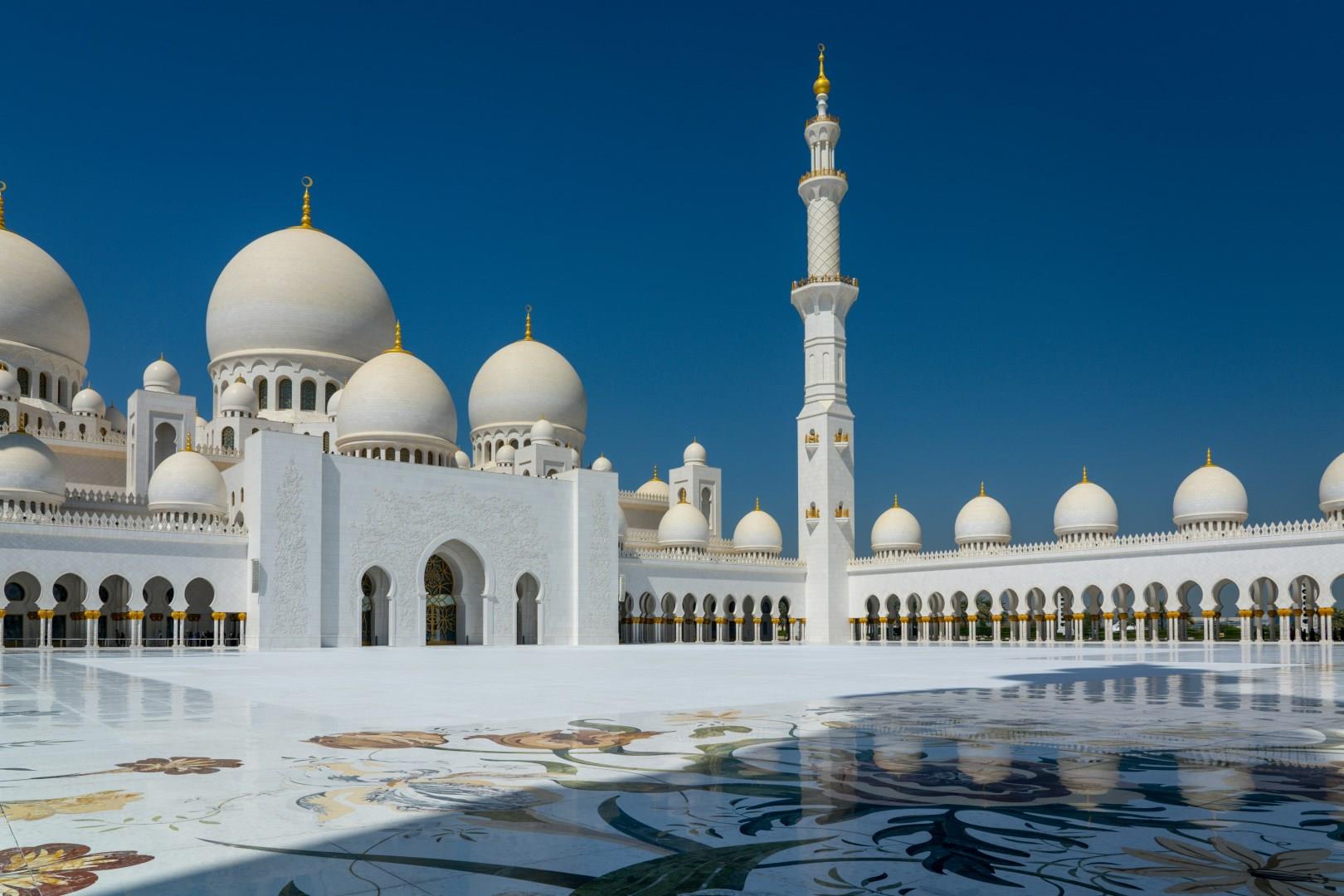
Fujairah
Fujairah stands apart among the emirates as the only one on the UAE’s eastern shore, where waves roll in from the Gulf of Oman and the Hajar Mountains rise sharply behind the city. Life here moves between sea and mountain, where coastal breeze meets rugged terrain, and echoes of ancient trade routes still shape the rhythm of settlements.

Norway
Norway offers a landscape shaped by glaciers, framed by fjords, and steeped in Viking history. The country's coastline stretches for over 100,000 kilometers if you count every inlet and island, which makes it one of the longest in the world. Travelers can take a ferry through the Geirangerfjord or cruise along the Lofoten Islands, where steep mountain peaks rise dramatically from the sea. These routes aren’t just scenic; they’ve been lifelines for coastal communities for centuries.

Nile River
The River Nile, most often associated with Egypt and its ancient civilizations, actually flows through eight other countries including Uganda, Ethiopia, Sudan, and Kenya. It is formed by two major tributaries, the White Nile and Blue Nile, and is considered by many to be the longest river in the world when measured from its source waters in Rwanda and Burundi.

Pilsen
Pilsen, located in the western part of the Czech Republic, is renowned for its rich history and vibrant cultural scene. The city is best known as the birthplace of Pilsner beer, a name synonymous with the iconic pale lager that has become a global standard.
