
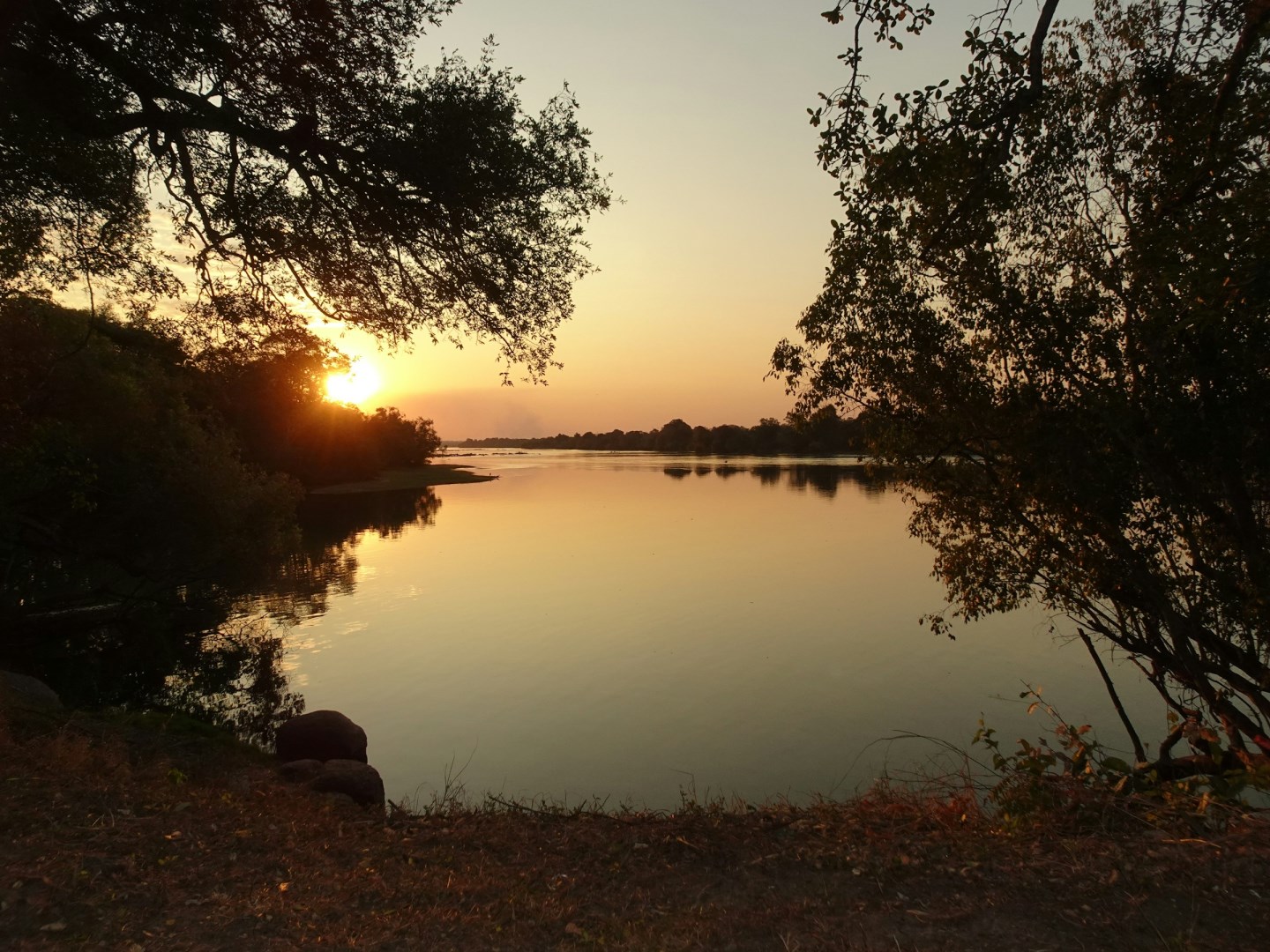
Kafue National Park
Kafue National Park is in western and central Zambia and is the country’s largest national park, covering about 22,400 square kilometers. The park takes its name from the Kafue River, which runs through the protected area and supports a wide range of wetlands, floodplains, grasslands, and woodland. Much of the park is covered by miombo woodland, while the northern Busanga Plains form extensive seasonal wetlands that become open grassland as floodwaters recede.

Table Mountain
Table Mountain, the iconic flat-topped mountain overlooking Cape Town, South Africa, is a must-visit destination for nature enthusiasts and adventure seekers. Dominating the skyline, this majestic peak is part of the Table Mountain National Park, a UNESCO World Heritage Site known for its diverse flora and fauna. The mountain is renowned for its panoramic views of Cape Town, the Atlantic Ocean, and the surrounding landscapes.
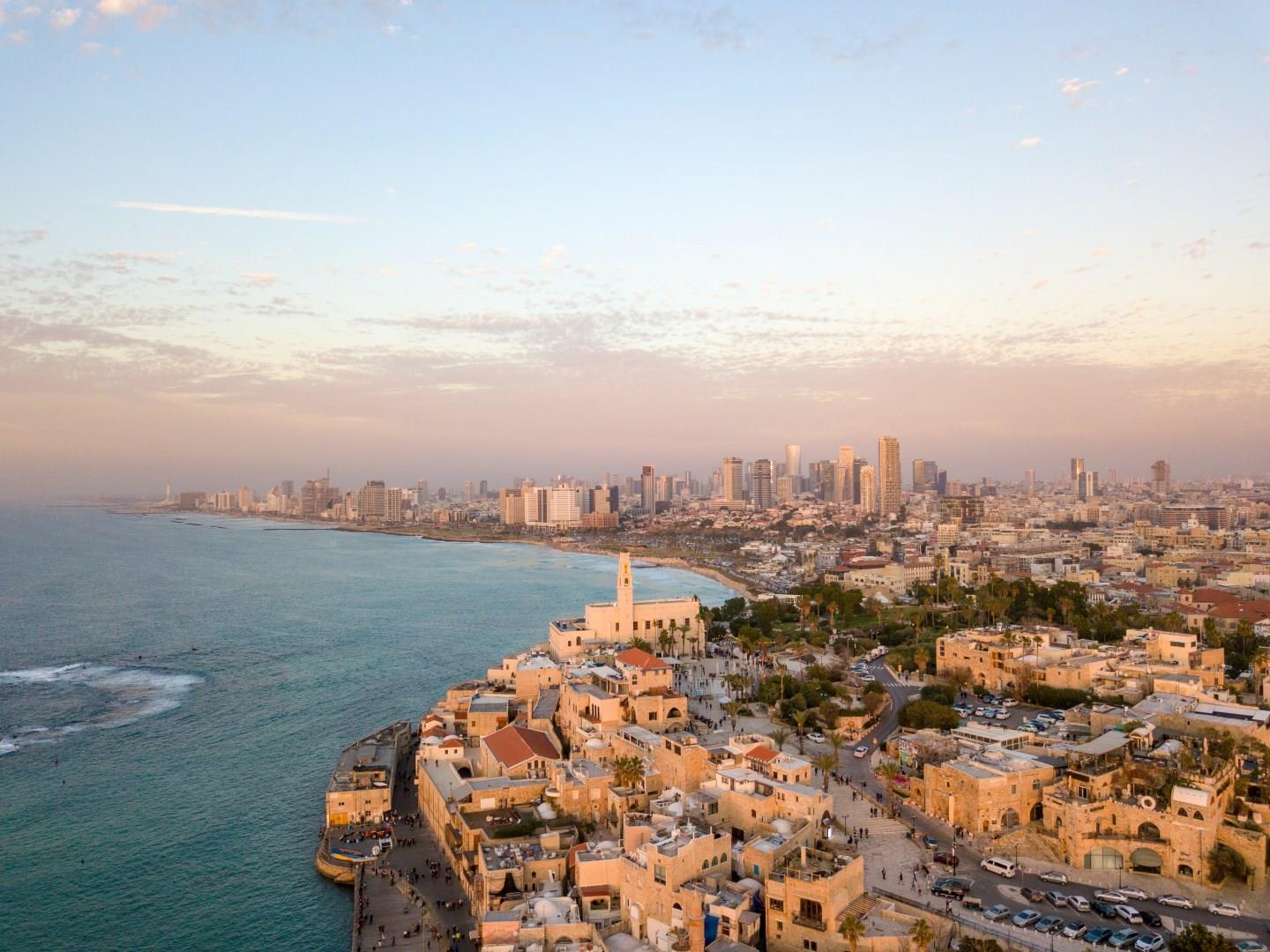
Tel Aviv
Tel Aviv began in 1909 as a new neighborhood beside the ancient port of Jaffa. The city is now home to the largest cluster of Bauhaus-style buildings in the world which earned UNESCO recognition for its early 20th-century urban planning. Visitors can explore those structures on guided architectural walks through streets like Rothschild or Dizengoff.
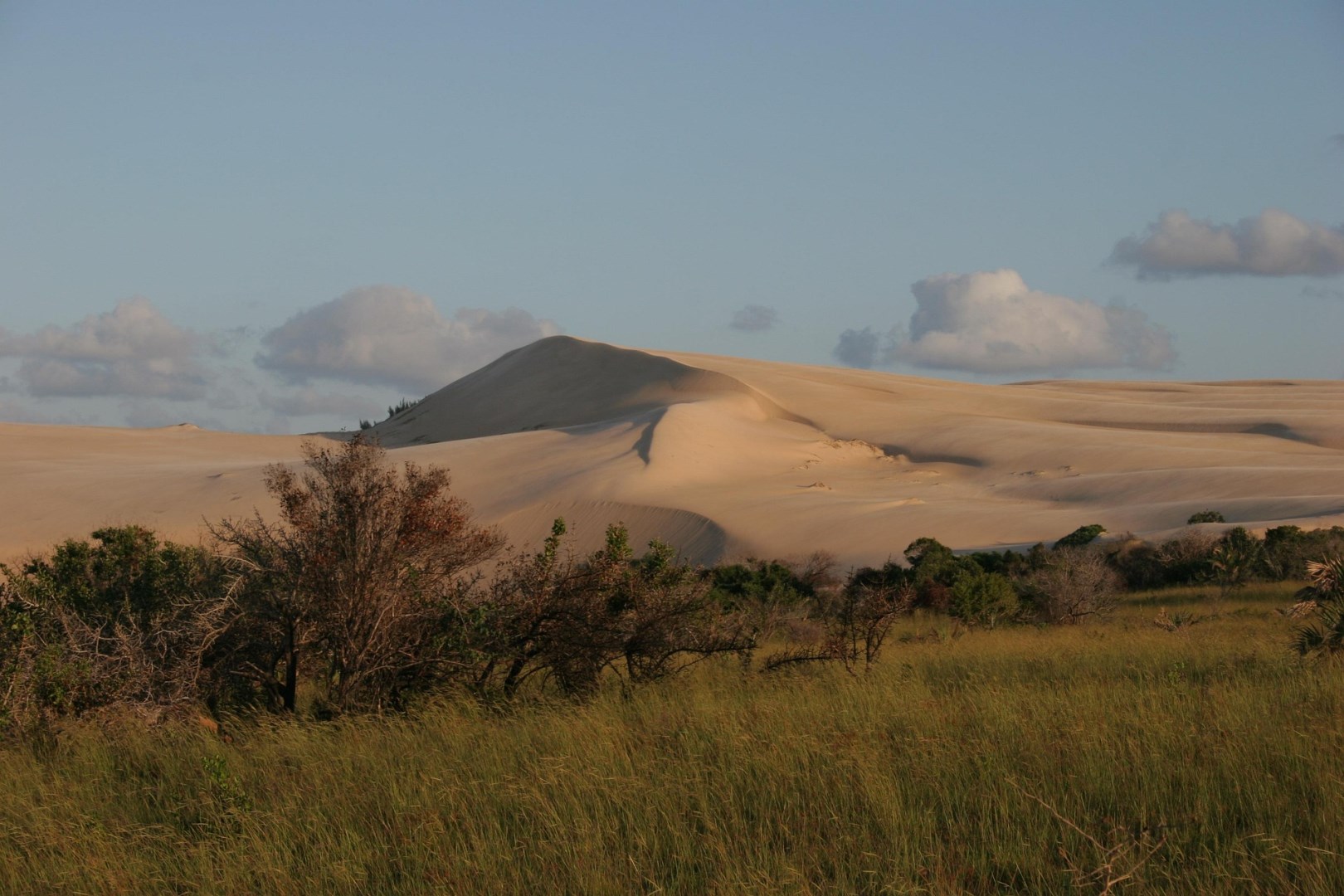
Bazaruto Archipelago
The islands have long been connected to coastal communities whose livelihoods include fishing and small-scale trade. Traditional dhow boats remain part of the maritime landscape, linking island and mainland communities across the archipelago. Local culture reflects the wider coastal heritage of Inhambane Province, where African, Swahili, and Indian Ocean influences have shaped food, language, music, and commerce.

Tibet
Tibet, often referred to as the "Roof of the World," is a land of breathtaking beauty, spiritual depth, and rich cultural heritage. Set against the backdrop of the towering Himalayas, Tibet captivates travelers with its dramatic landscapes, from vast high-altitude deserts to verdant valleys and serene lakes.
