

Lithuania
Lithuania offers visitors a chance to explore a country where medieval traditions and modern culture meet. Vilnius, the capital, is known for its well-preserved Old Town, a UNESCO World Heritage site filled with winding streets, baroque churches, and cozy squares. Visitors can climb the hill to Gediminas’ Tower for a sweeping view of the city, or visit the Gates of Dawn, an important religious and historical monument that has welcomed travelers for centuries.
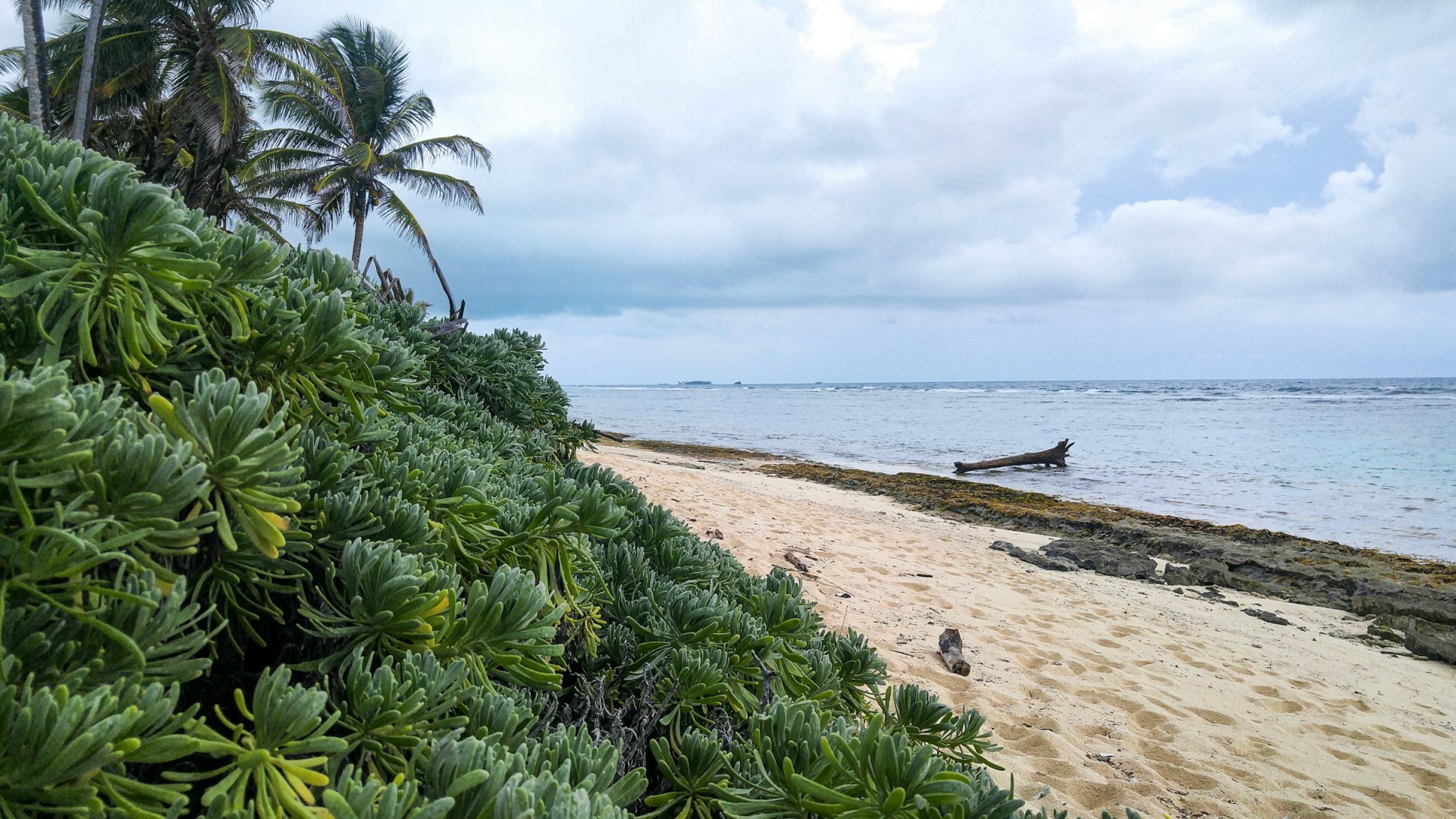
San Andrés
Eight-mile-long island, where a variety of water sports is available. Stroll the bustling port area, where hundreds of stores sell goods ranging from Columbian emeralds to imported fine china and porcelain.
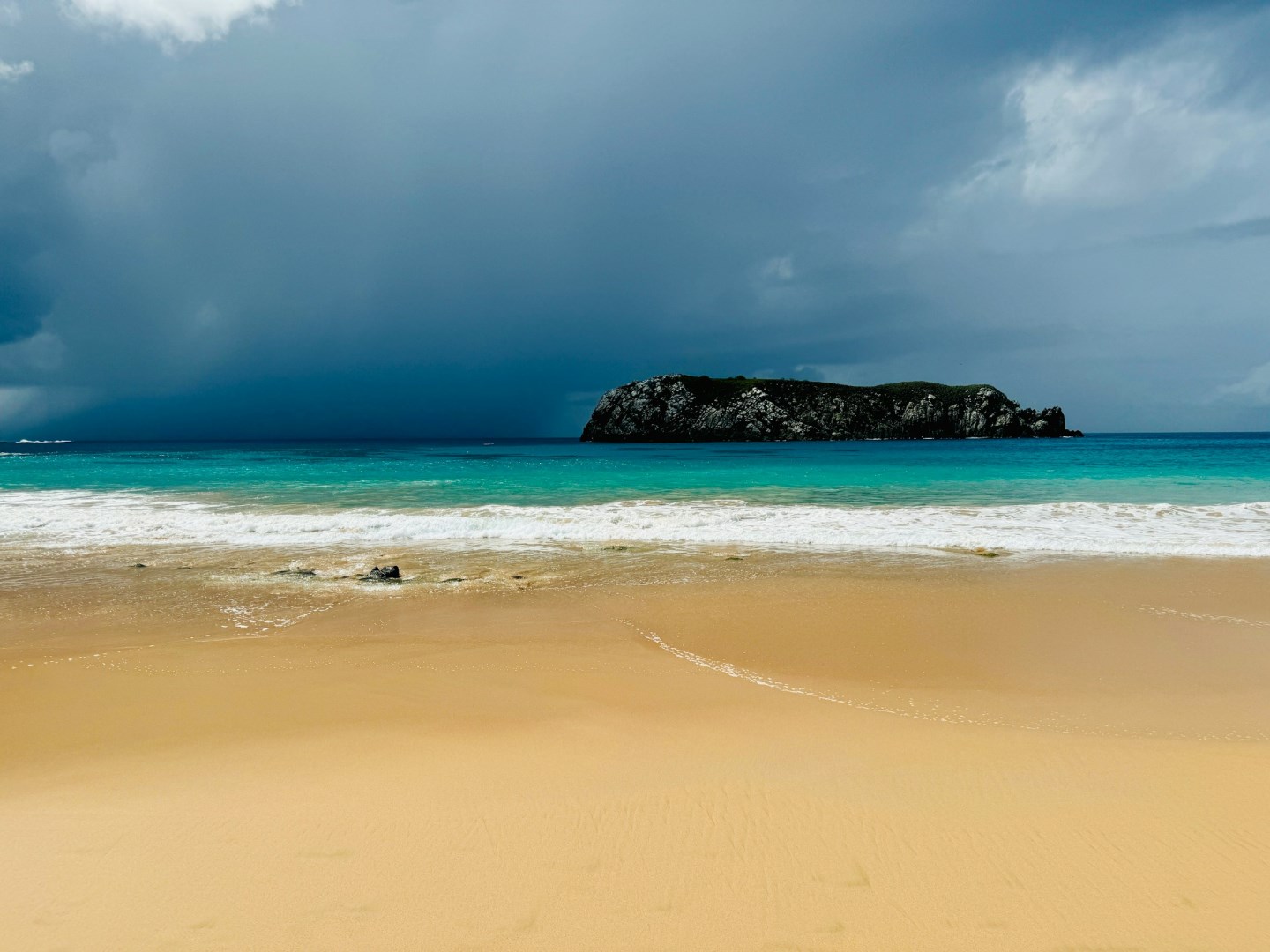
Fernando de Noronha
Fernando de Noronha is a volcanic archipelago in the Atlantic Ocean, belonging to the Brazilian state of Pernambuco. The archipelago consists of 21 islands and islets, with only the main island permanently inhabited. Much of the land and surrounding sea is protected through the Fernando de Noronha Marine National Park and the Fernando de Noronha Environmental Protection Area.
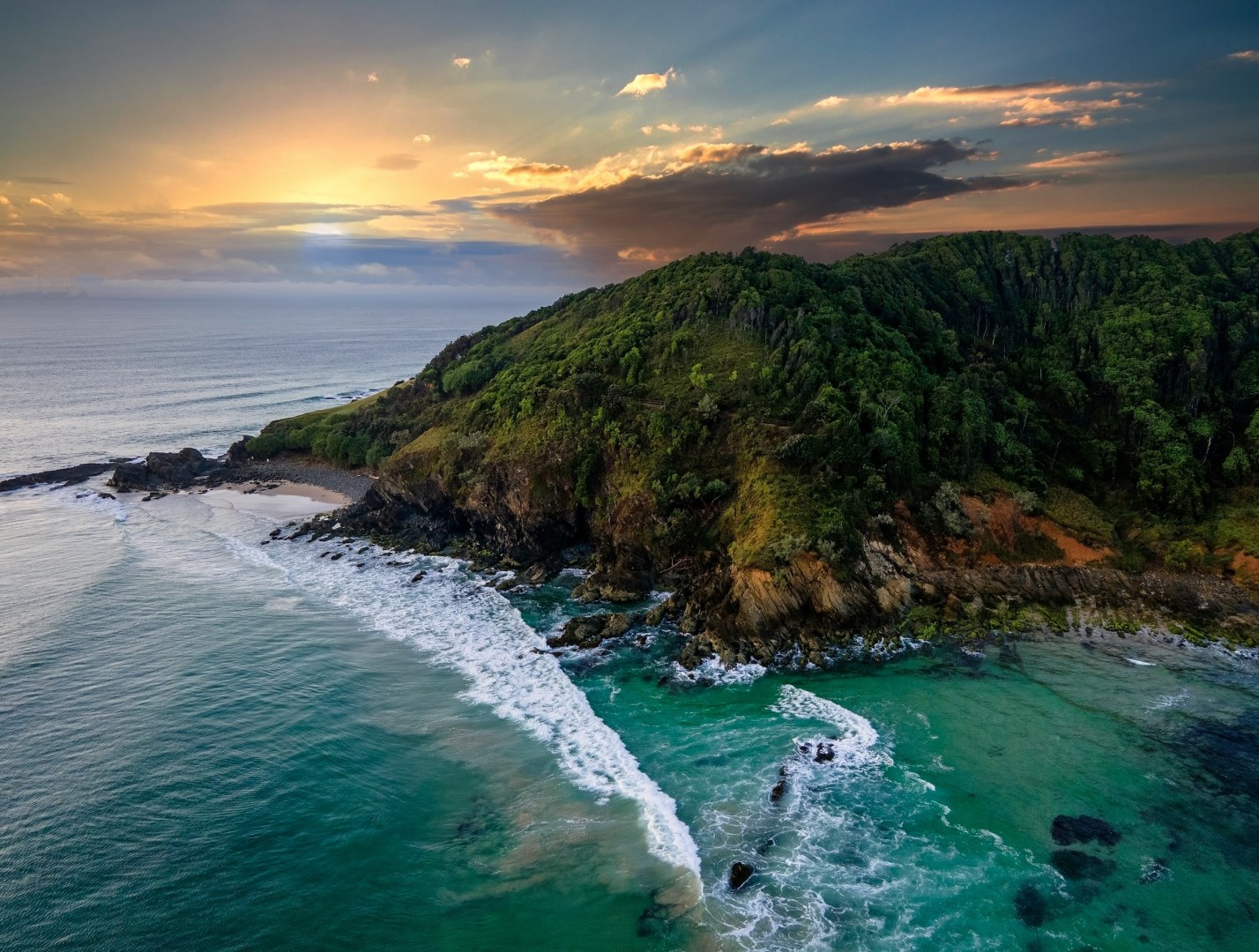
Byron Bay
Byron Bay lies on the far north coast of New South Wales, Australia, where wide beaches meet the deep blue Pacific and the point of land known as Cape Byron marks the easternmost tip of the mainland. Standing tall above the coastline, the Cape Byron Lighthouse has guided ships since 1901 and now greets walkers and sightseers who take the scenic cliff-top path for views stretching toward whales during their migration season.
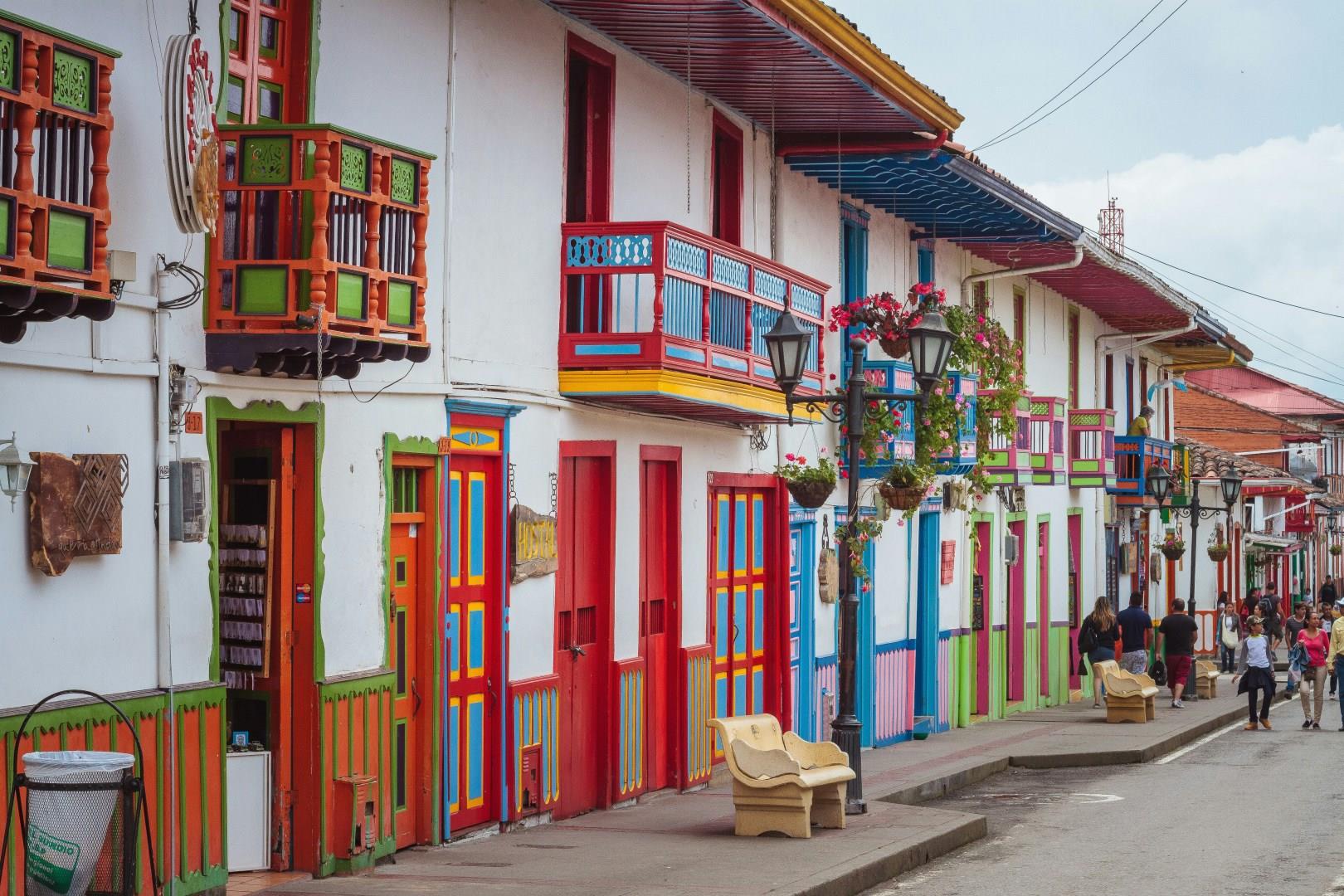
Salento
Salento is the sun-kissed peninsula at the southern tip of Italy’s Puglia region, where history, seaside views, and lively local customs create a destination unlike any other. Its coastline stretches between the Adriatic and Ionian seas, offering beaches with clear, turquoise water and soft sand at places like Torre dell’Orso, Punta Prosciutto, and Porto Cesareo, each with its own character and allure for visitors exploring the shore.
