

Šiaulia
Šiauliai, often referred to as the "City of the Sun" due to its high number of sunny days, is a vibrant gem in northern Lithuania. The city's most iconic landmark is the Hill of Crosses, a profound site of pilgrimage adorned with thousands of crosses placed by visitors over the decades. This unique and moving monument, which has been recognized by UNESCO for its cultural significance, symbolizes the resilience and spirit of the Lithuanian people.
Elbe River
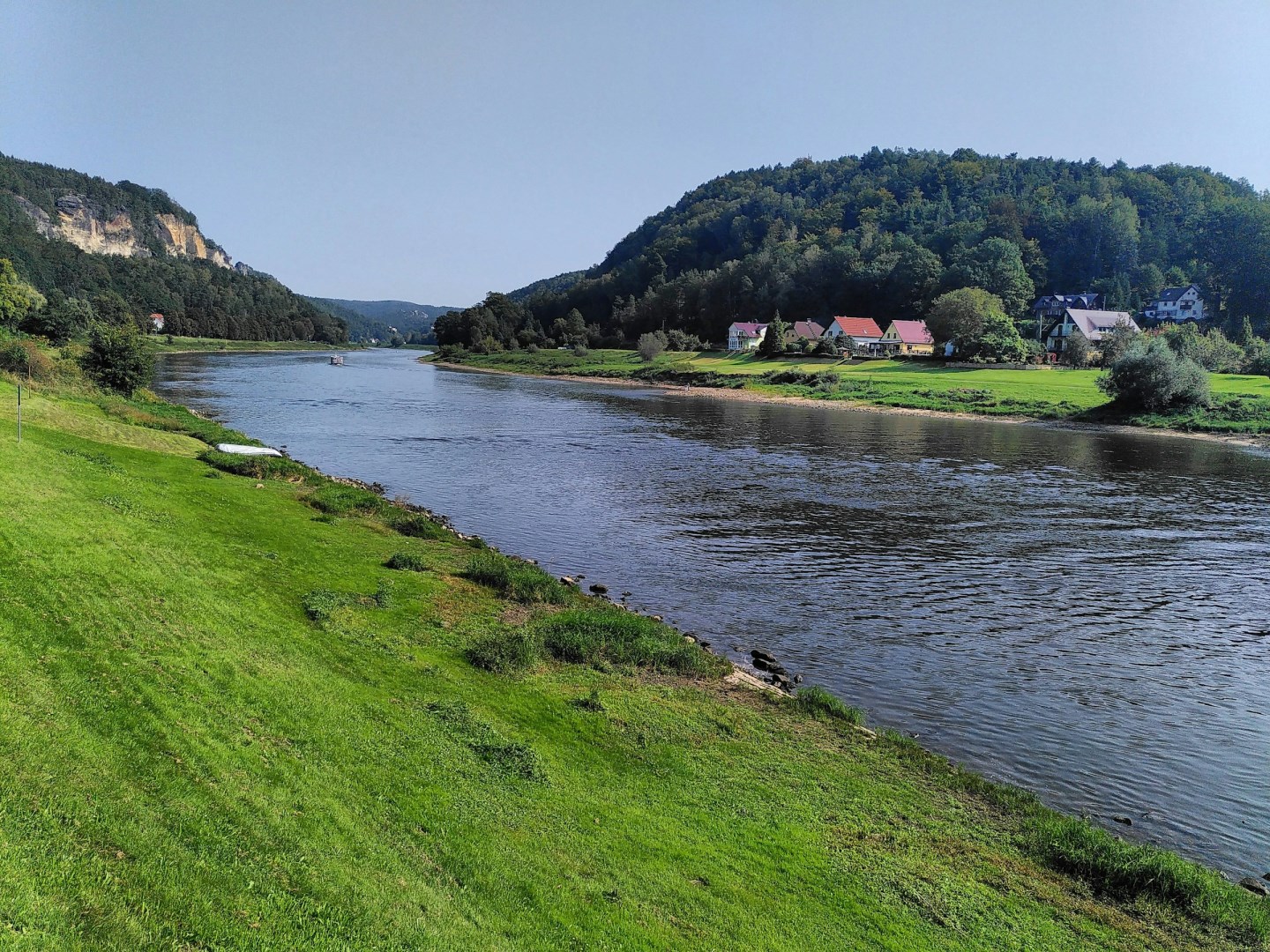
The Elbe is one of the Central Europe's greatest rivers, rising in the northern Czech Republic, traversing through Bohemia and Germany, and flowing into the North Sea not far from Hamburg. The river and its route have been largely untouched, so wildlife visibly abounds along its wetlands and wooded regions. Other scenery includes terraced vineyards and charming wine villages.

Karlovy Vary
Karlovy Vary, nestled in the west of the Czech Republic, is renowned for its therapeutic thermal springs and charming architecture. The town's spa heritage dates back to the 14th century when Charles IV, the Holy Roman Emperor, discovered the healing powers of its mineral waters. Today, Karlovy Vary continues to attract visitors seeking relaxation and wellness at its historic spa resorts, such as the luxurious Grandhotel Pupp, a hallmark of classic elegance source.
Pogradec
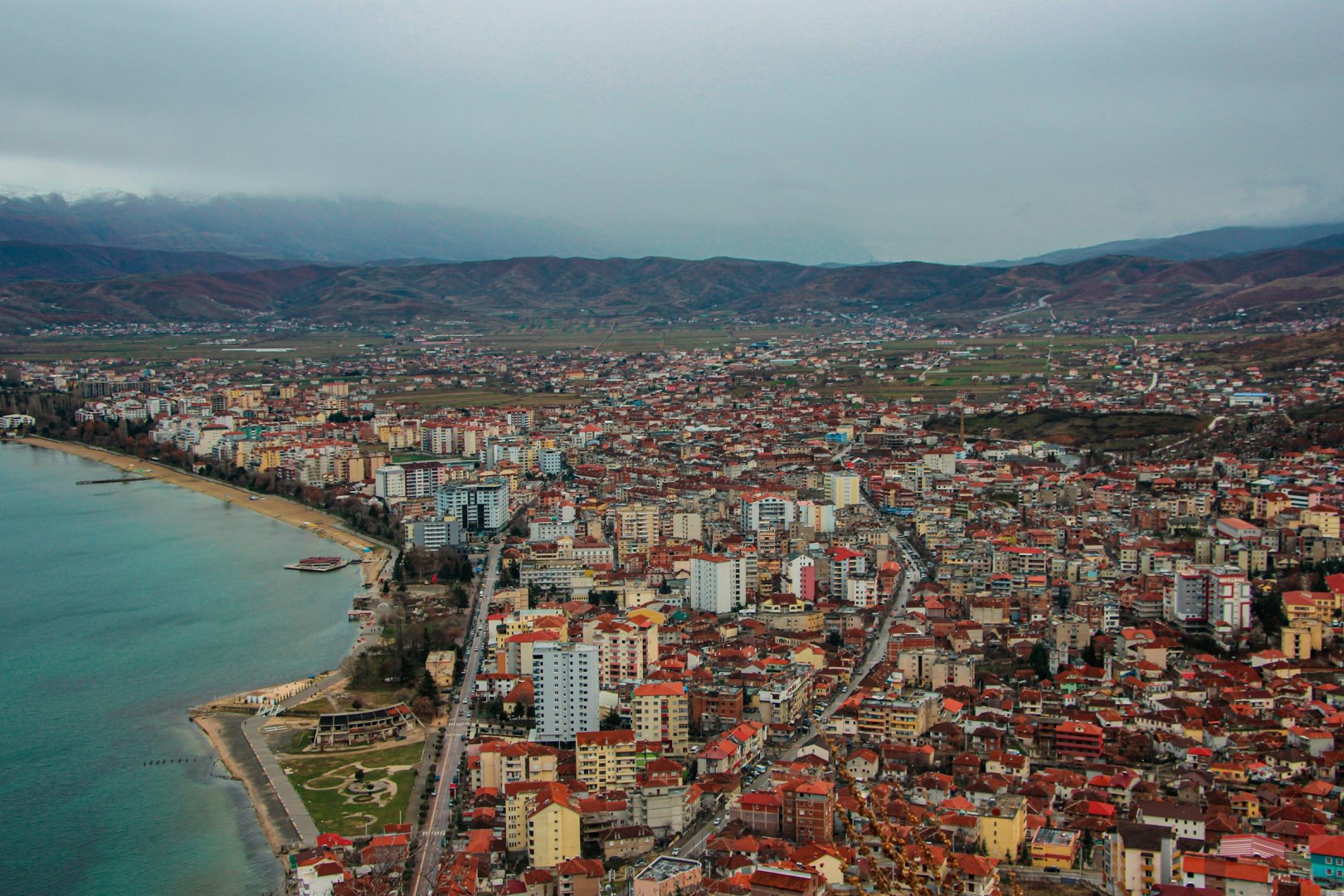
Pogradec is a lakeside town in southeastern Albania, situated on the southwestern shore of Lake Ohrid beneath the surrounding mountains. The lake is part of the UNESCO World Heritage property known as the Natural and Cultural Heritage of the Ohrid Region and is recognized for its exceptional freshwater biodiversity.
Grenoble
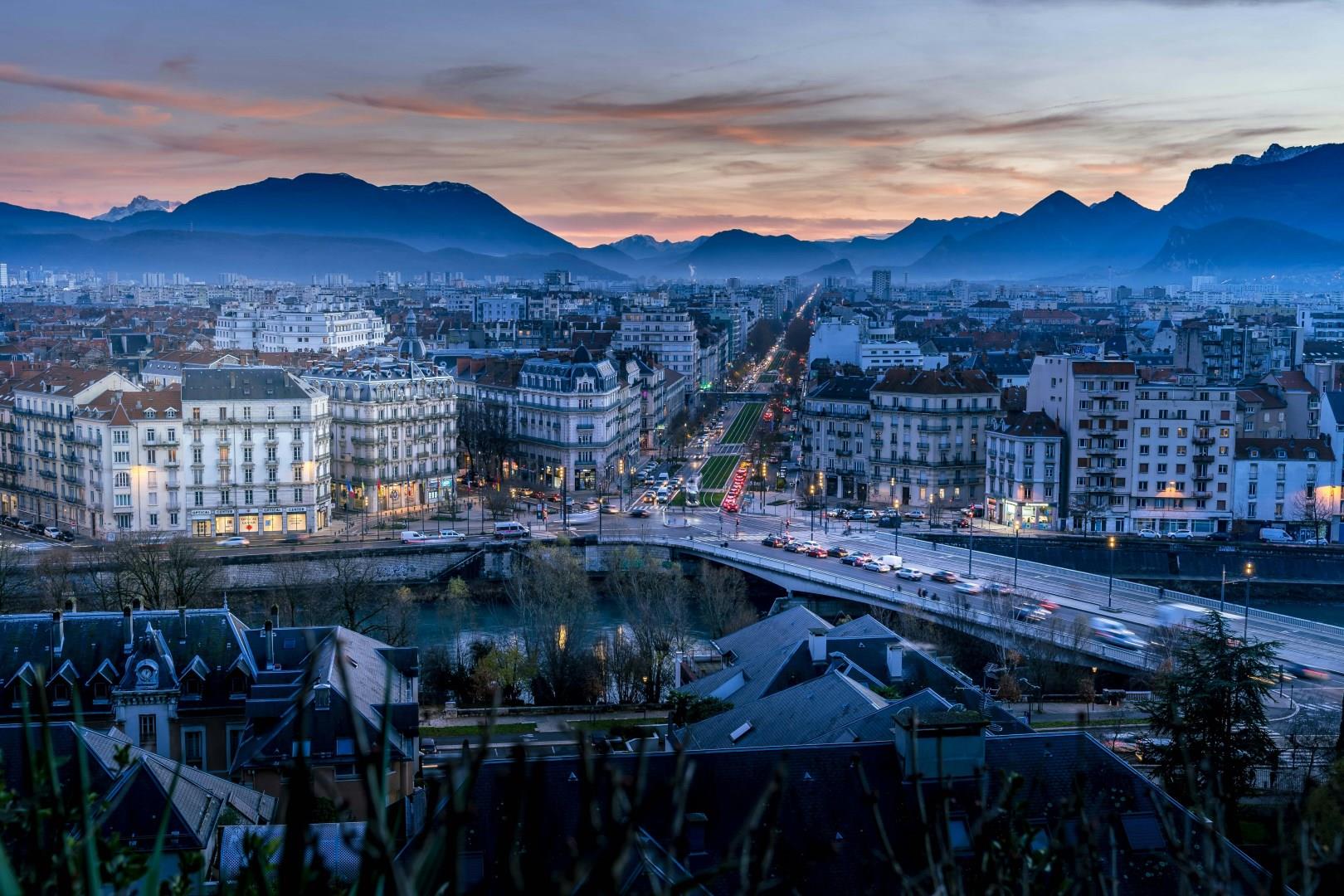
Grenoble sits at the meeting point of three Alpine mountain ranges in southeastern France, giving it a setting that feels both dramatic and lived-in. With origins dating back to Roman times, the city has long been a crossroads of trade, science, and political thought.
