
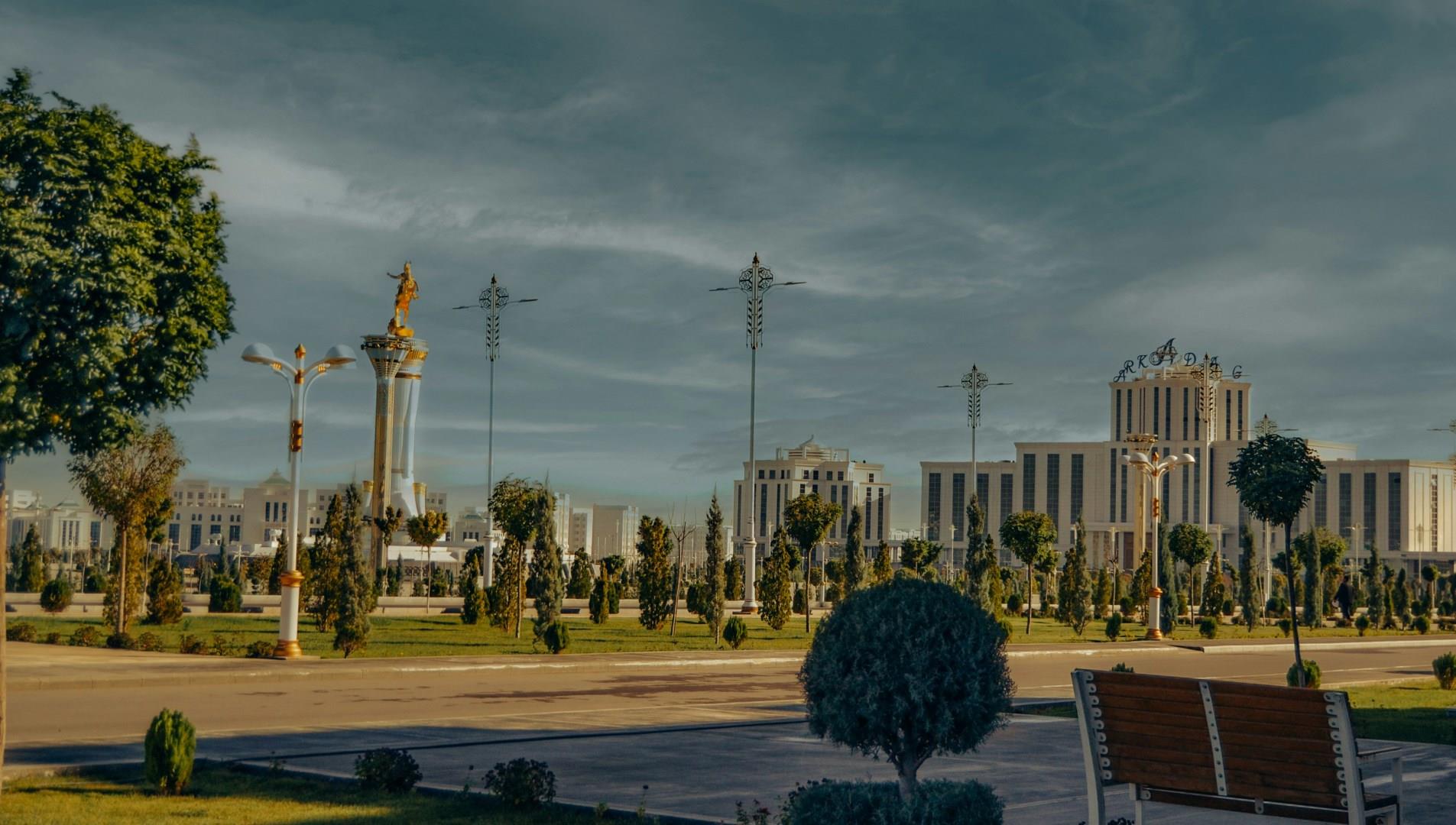
Turkmenistan
Turkmenistan is a land of striking contrasts, where vast deserts meet ancient Silk Road history. The country is dominated by the Karakum Desert, an expanse of sand and scrub that covers most of its territory, yet it is also home to oases where cities flourished as trading posts for caravans journeying between Persia, China, and beyond.

Melk
Nestled along the south bank of the Danube, this historical Austrian city bursts with charm. A favorite stop on European river cruises, the city's most famous attraction is Melk Abbey, which dates back to the 11th century. The original Benedictine structure was lost to fires and foreign invasion, then rebuilt during the 18th century in lavish Baroque style, including a library and inner church covered in magnificent frescoes and gilded fixtures.

Patagonia
Patagonia, Argentina, is a land of untamed beauty, where jagged peaks, expansive glaciers, and crystal-clear lakes come together to create one of the most awe-inspiring landscapes on Earth.
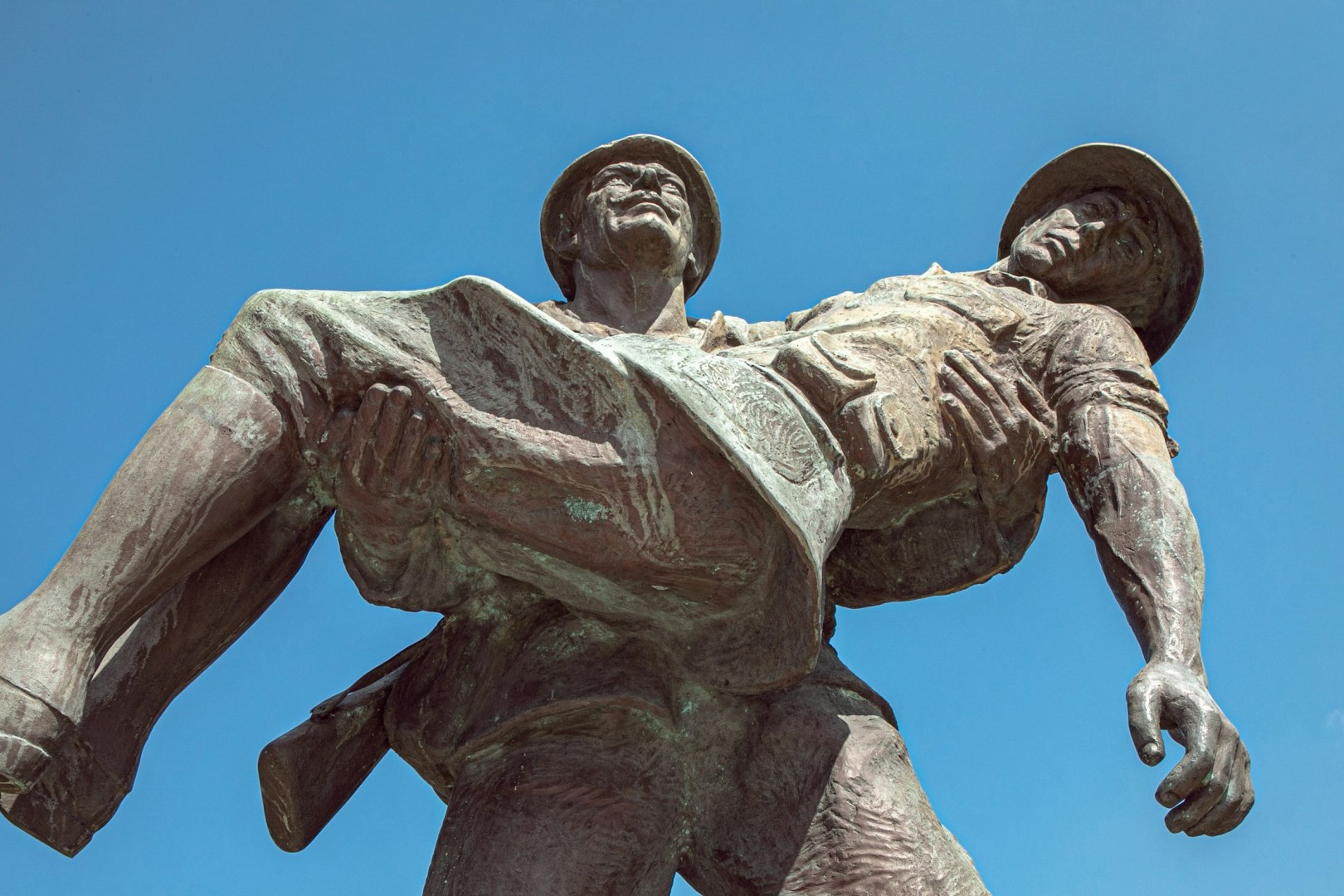
Gallipoli
Most people visit Gallipoli for the chilling, contemplative sites of Anzac Cove and Lone Pine Cemetery. To honor the 500,000 soldiers who lost their lives at battle here, this peninsula was made into a National Park.
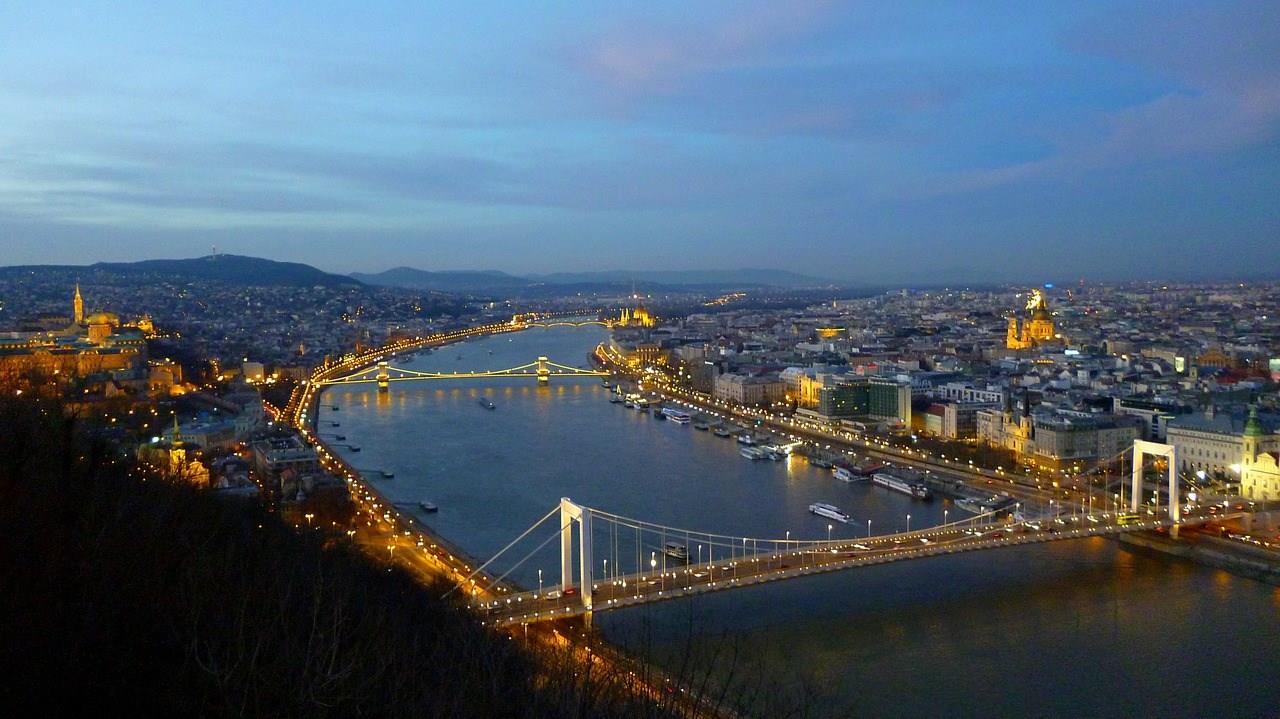
Danube
Coursing through 10 countries, the Danube is the second-longest river in Europe. This waterway, lined with fortresses and castles, rises in Germany's Black Forest and runs for 1,770 miles to the Black Sea. The Danube is an essential commercial thoroughfare for central and southeastern Europe, and several river cruise companies sail vessels on it year-round. Destinations along this river include Vienna, Budapest, Passau and Bratislava.
