
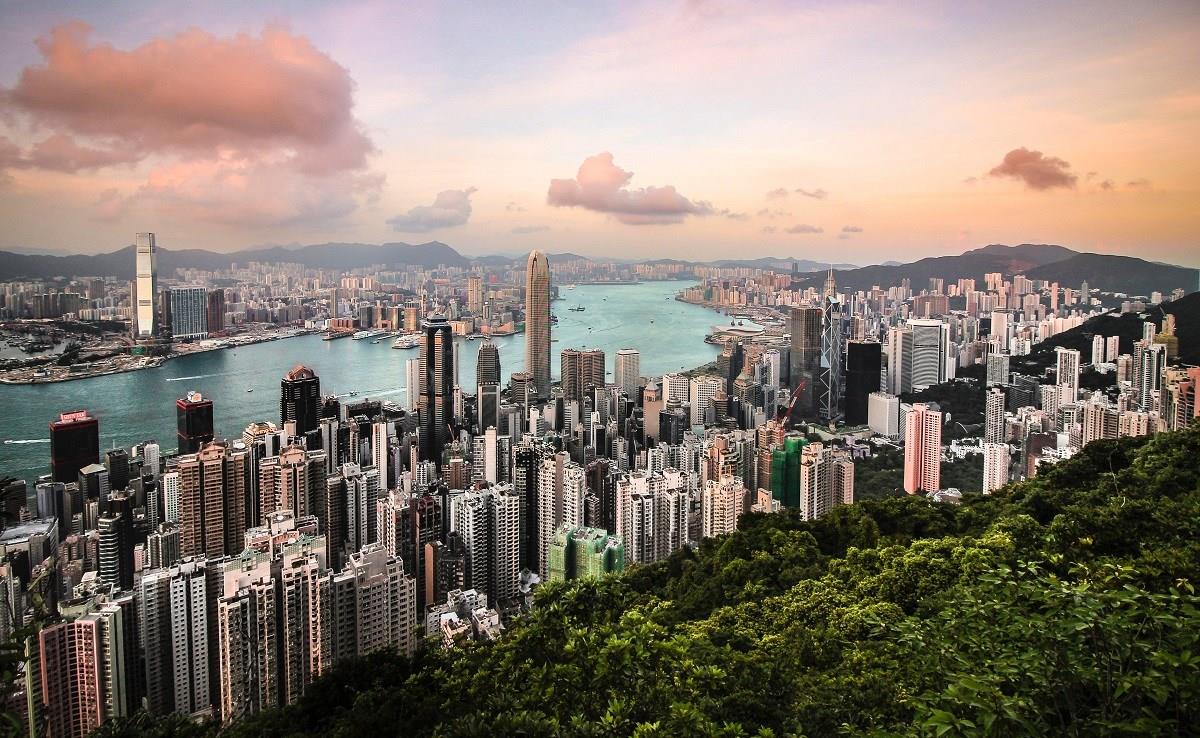
Hong Kong
Hong Kong, a Special Administrative Region of China, is a destination where skyscrapers meet the sea and mountains. Its dramatic skyline, best admired from Victoria Harbour or the Peak, reflects its role as a global financial hub.
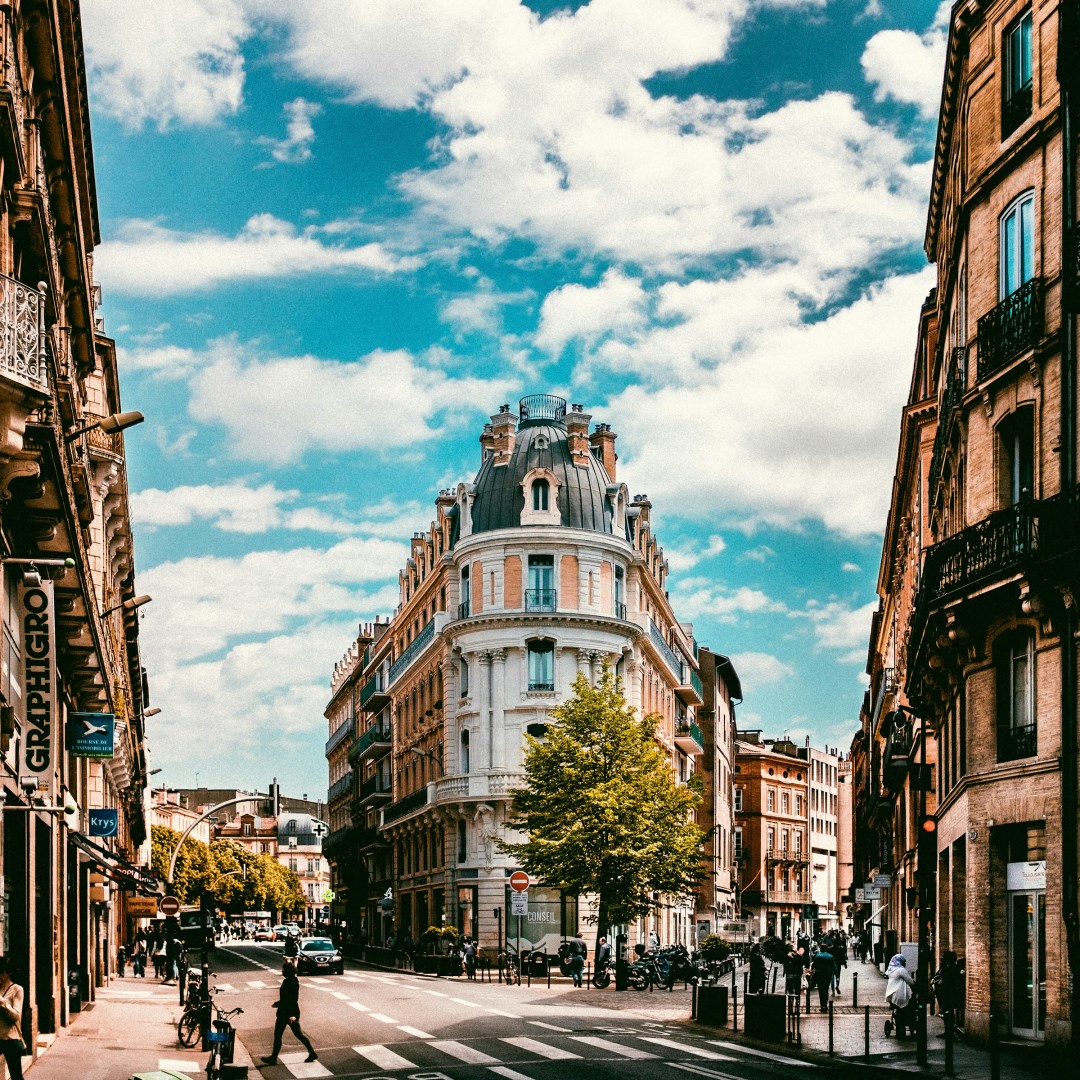
Toulouse
A religious center since the 4th century, it has numerous churches and religious sites. It is the fourth largest city in France, located in southern France near the border with Andorra.
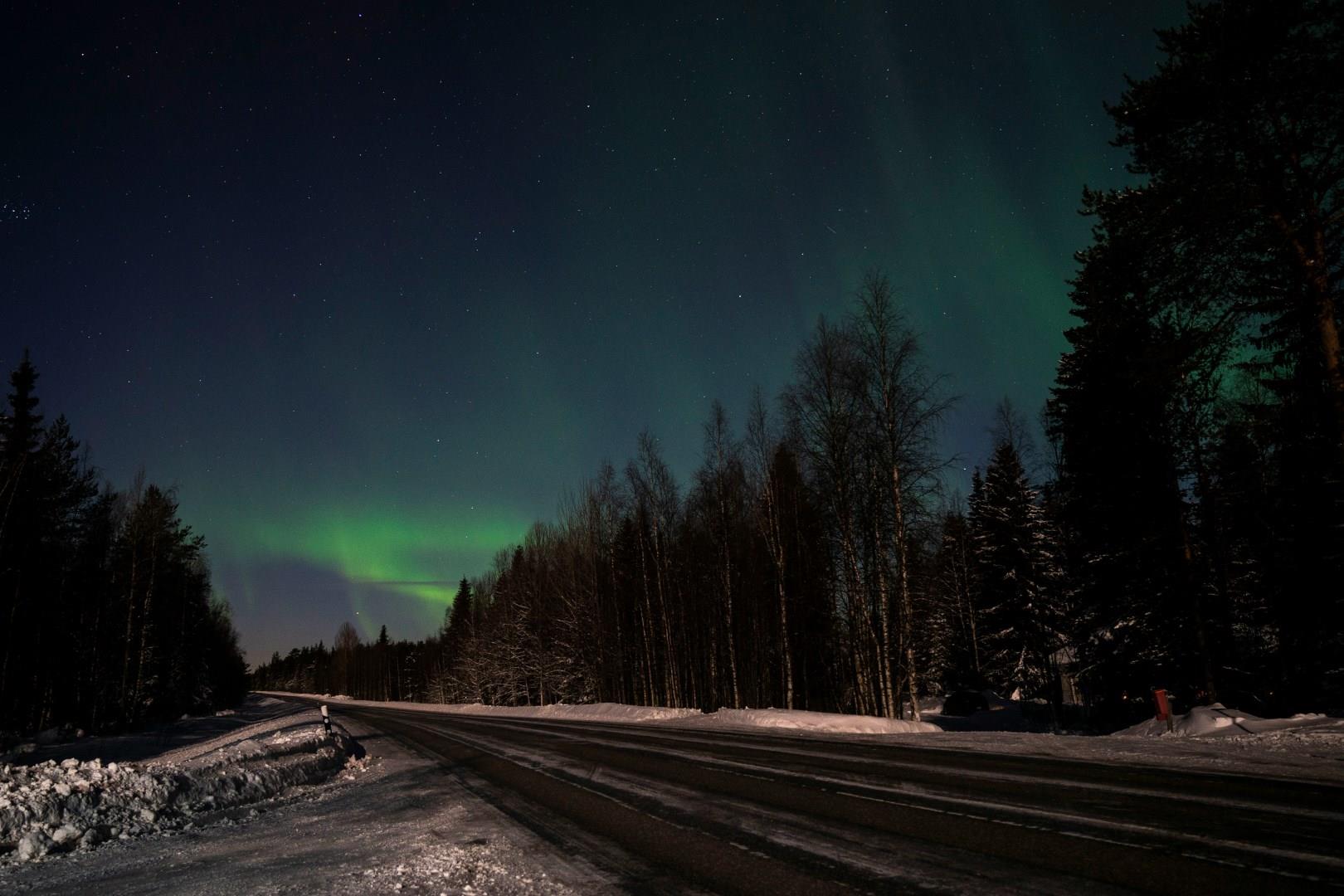
Rovaniemi
Rovaniemi, located just a few kilometers south of the Arctic Circle, is widely recognized as the official hometown of Santa Claus. From late August through early April, the Northern Lights are visible on clear nights, and several local guides offer nighttime tours to remote locations for optimal viewing. During summer, the sun doesn't set for weeks, giving travelers the rare chance to hike or kayak under a sky that stays bright at midnight.

Adelaide
Situated on the coast of South Australia, Adelaide shines as one of Australia’s cultural centers and boasts extraordinary natural beauty throughout.
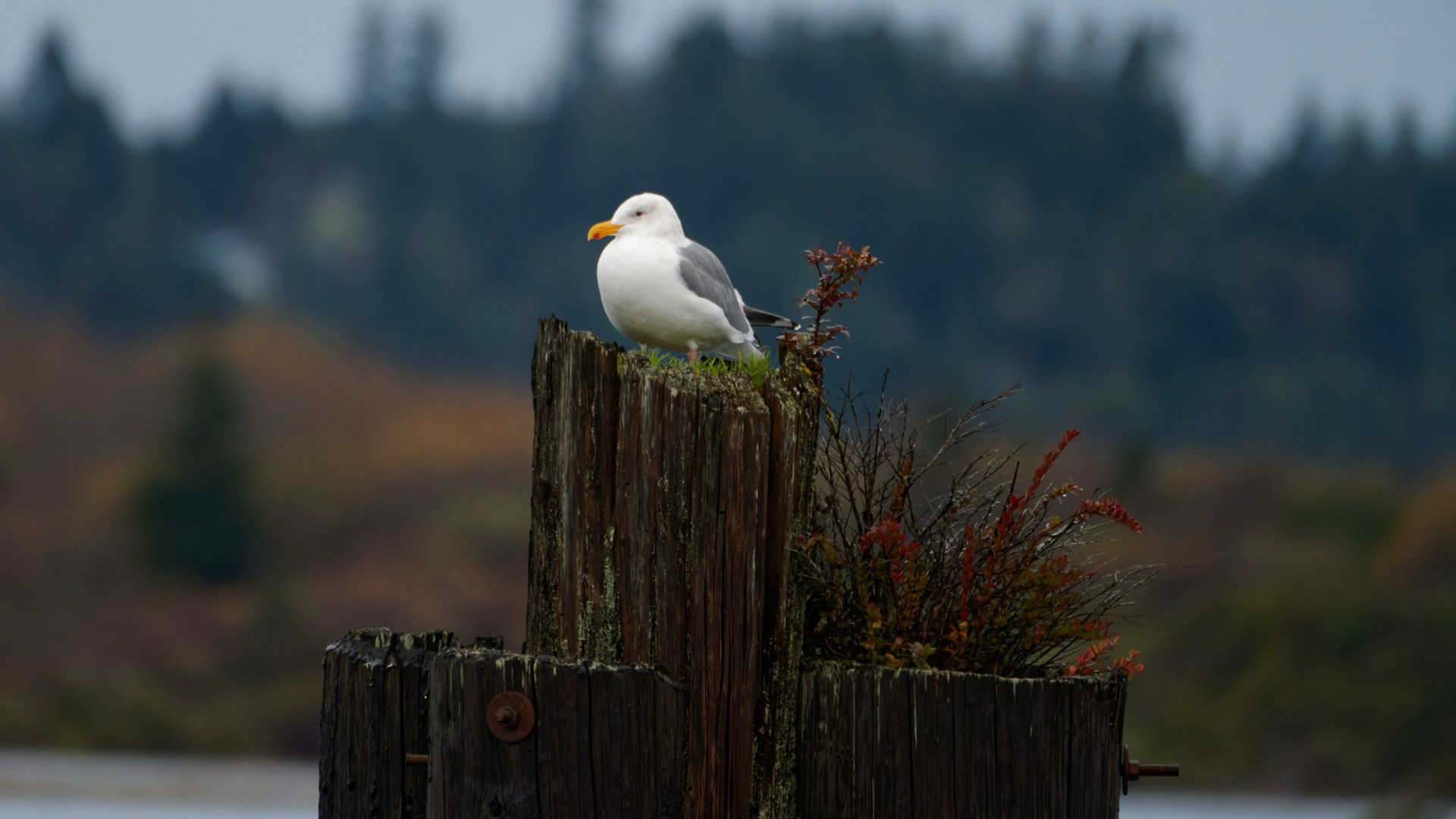
Coos Bay
Coos Bay is the Coast's largest urban community and a major wood products shipping center, thanks to the deepest harbor between San Francisco and Puget Sound. In addition to museums, shops and theaters, Coos Bay is well known for its myrtlewood and diverse activities in beautiful surroundings. Visit the Coos Art Museum; fish for chinook and coho salmon in the Coos River or the ocean; take a drive out to Golden and Silver Falls State Park.
