
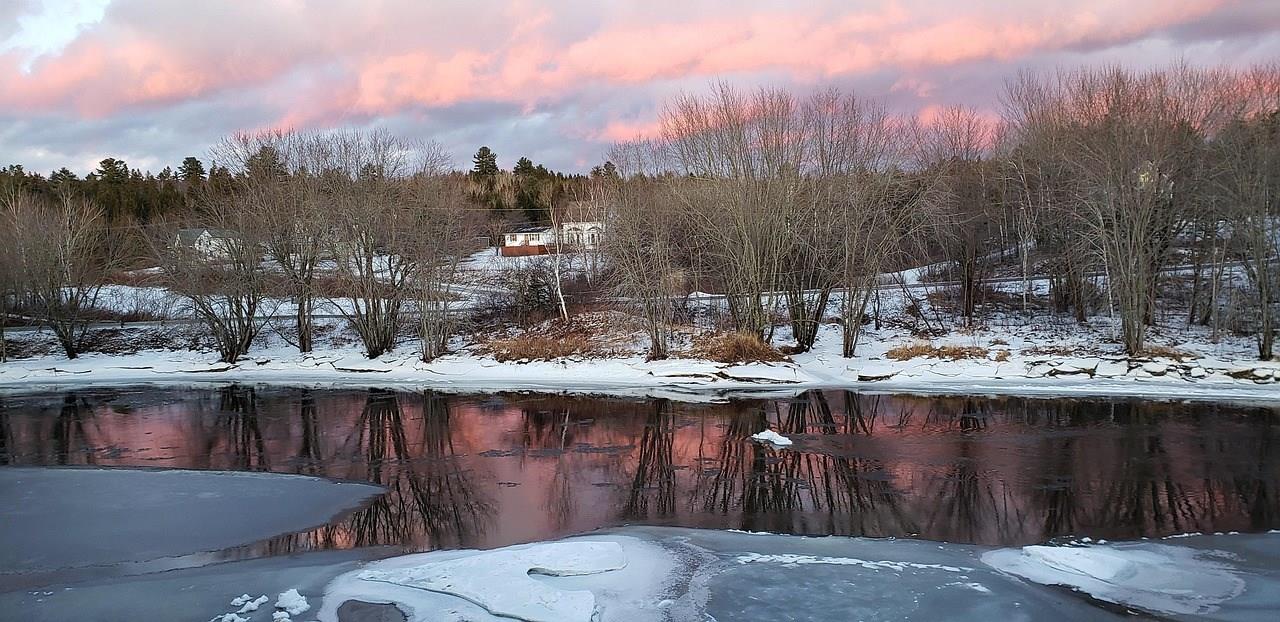
New Brunswick
With its breathtaking landscapes, rich history, and friendly communities, New Brunswick is a province that invites exploration and discovery. Whether marveling at natural wonders, immersing oneself in the culture, or savoring local flavors, New Brunswick offers something for every traveler to enjoy

Kolkata
Kolkata, often referred to as the "City of Joy," is a mesmerizing blend of rich history, culture, and artistic heritage that makes it a must-visit destination for any traveler to India. Once the capital of British India, Kolkata retains much of its colonial-era charm with iconic landmarks like the Victoria Memorial, a stunning marble building surrounded by lush gardens, which now serves as a museum showcasing the city’s colonial and Indian history.

Paris
France's capital and most populated city, Paris is an alluring destination and an essential stop for any global traveler. A center of fashion, gastronomy, and the arts. Major tourist attractions in the City of Lights include the Eiffel Tower (such great heights!), the Louvre (home of the Mona Lisa and Venus de Milo), the Arc de Triomphe, and Grand Palais.

Normandy
Normandy is a province along the Northwestern coast of France. It was the site of the important World War II landings and battle and one of the most fascinating regions of France. This land is rich in legend and scenic splendor. Visit coastal villages, museums, fortresses and fragrant gardens.
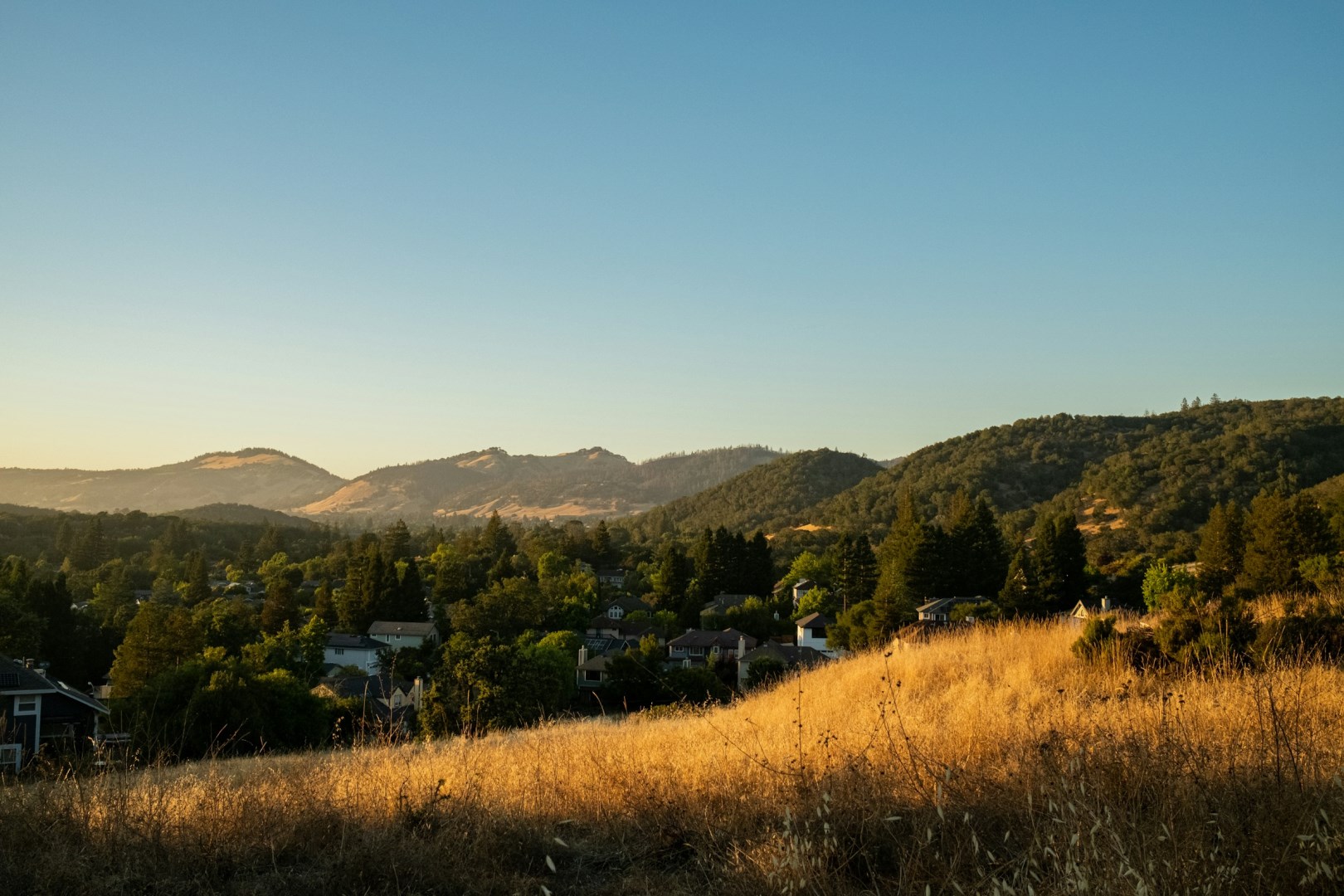
Santa Rosa
Santa Rosa is the largest city in Sonoma County and serves as a regional center in California's North Bay. Set among vineyards, oak woodlands, and rolling hills, the city combines an established urban core with easy access to Sonoma County's agricultural landscape. Downtown Santa Rosa includes Courthouse Square, Railroad Square, museums, restaurants, and local shops, while surrounding neighborhoods range from historic homes to newer developments.
