
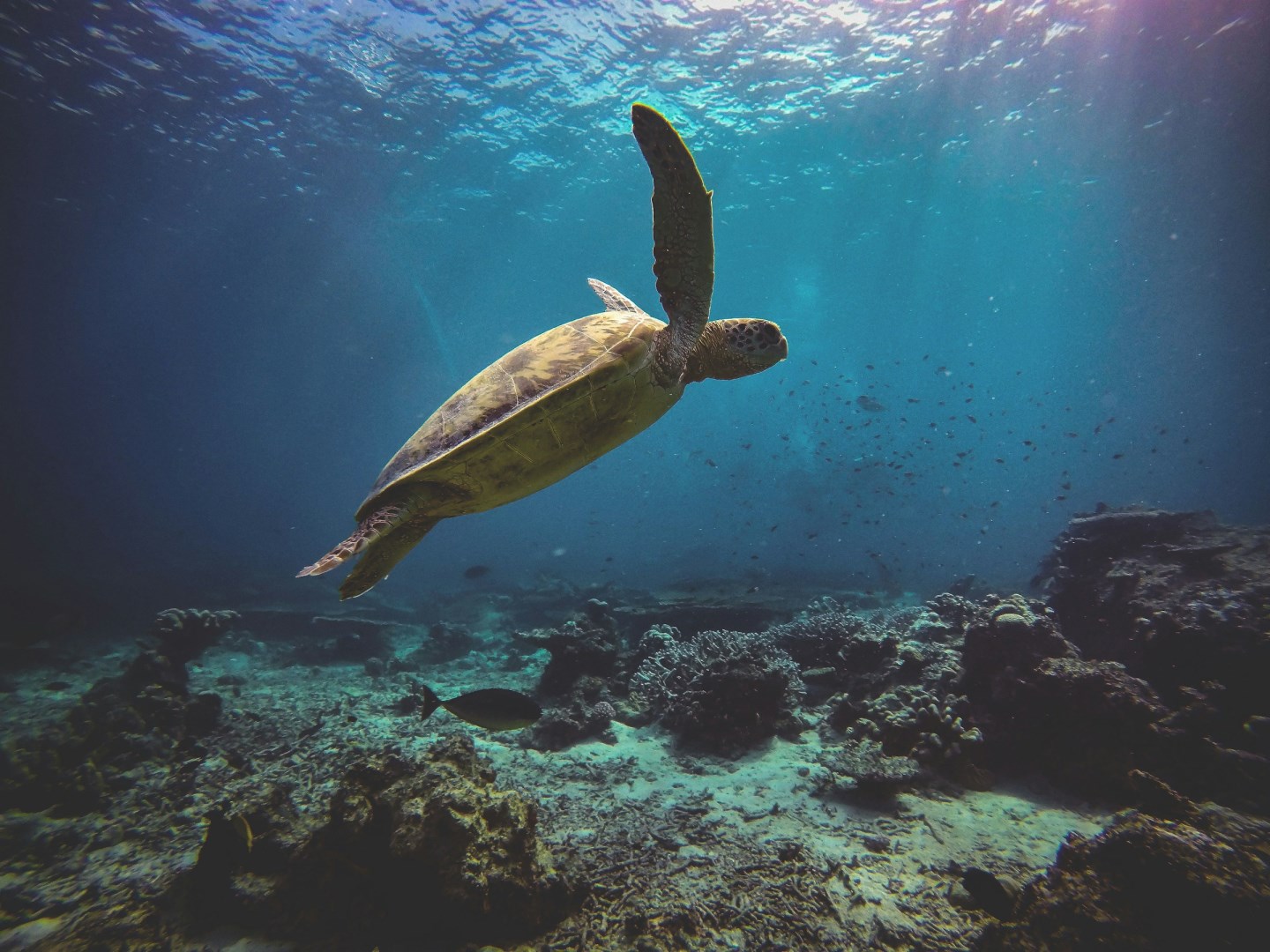
Borneo
Malaysian Borneo occupies the northern part of Borneo, the world's third-largest island, and consists of the states of Sabah and Sarawak together with the federal territory of Labuan. The region is marked by extensive rainforests, rivers, mountains, limestone formations, and a long coastline along the South China, Sulu, and Celebes seas. Kota Kinabalu and Kuching are the principal urban centers, while smaller communities extend into forest and river regions.
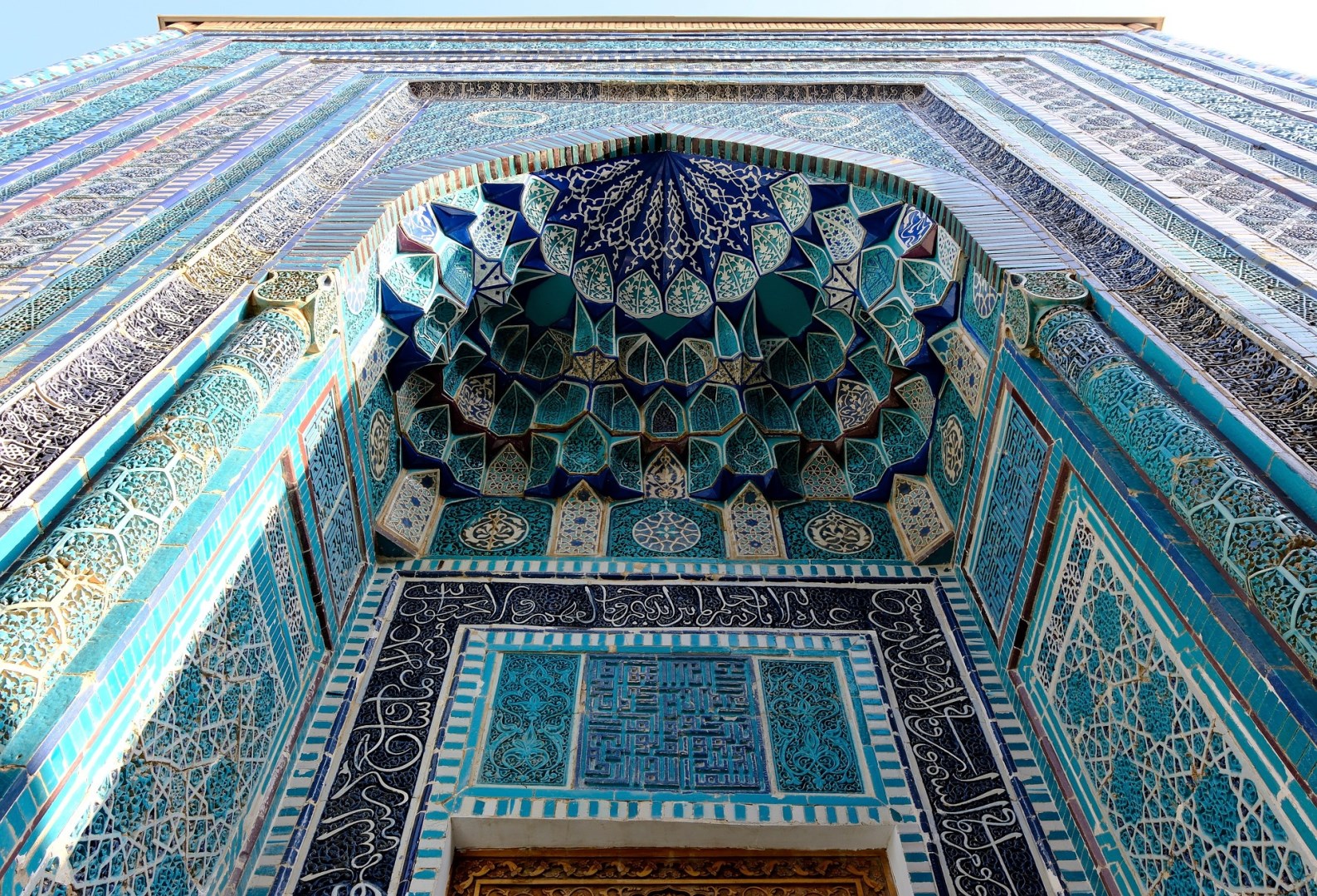
Tashkent
Tashkent, the capital of Uzbekistan, lies at the crossroads of Central Asia and has long been a hub of culture, trade, and political life. Its history stretches back over two millennia, shaped by Persian, Mongol, and Russian influences.

Amalfi
Amalfi, Italy, is a gem nestled along the world-famous Amalfi Coast, where dramatic cliffs meet the shimmering Mediterranean Sea. This enchanting town, once a powerful maritime republic, is now a beloved destination for those seeking a blend of history, culture, and breathtaking natural beauty. The heart of Amalfi is its bustling Piazza del Duomo, dominated by the stunning Amalfi Cathedral.
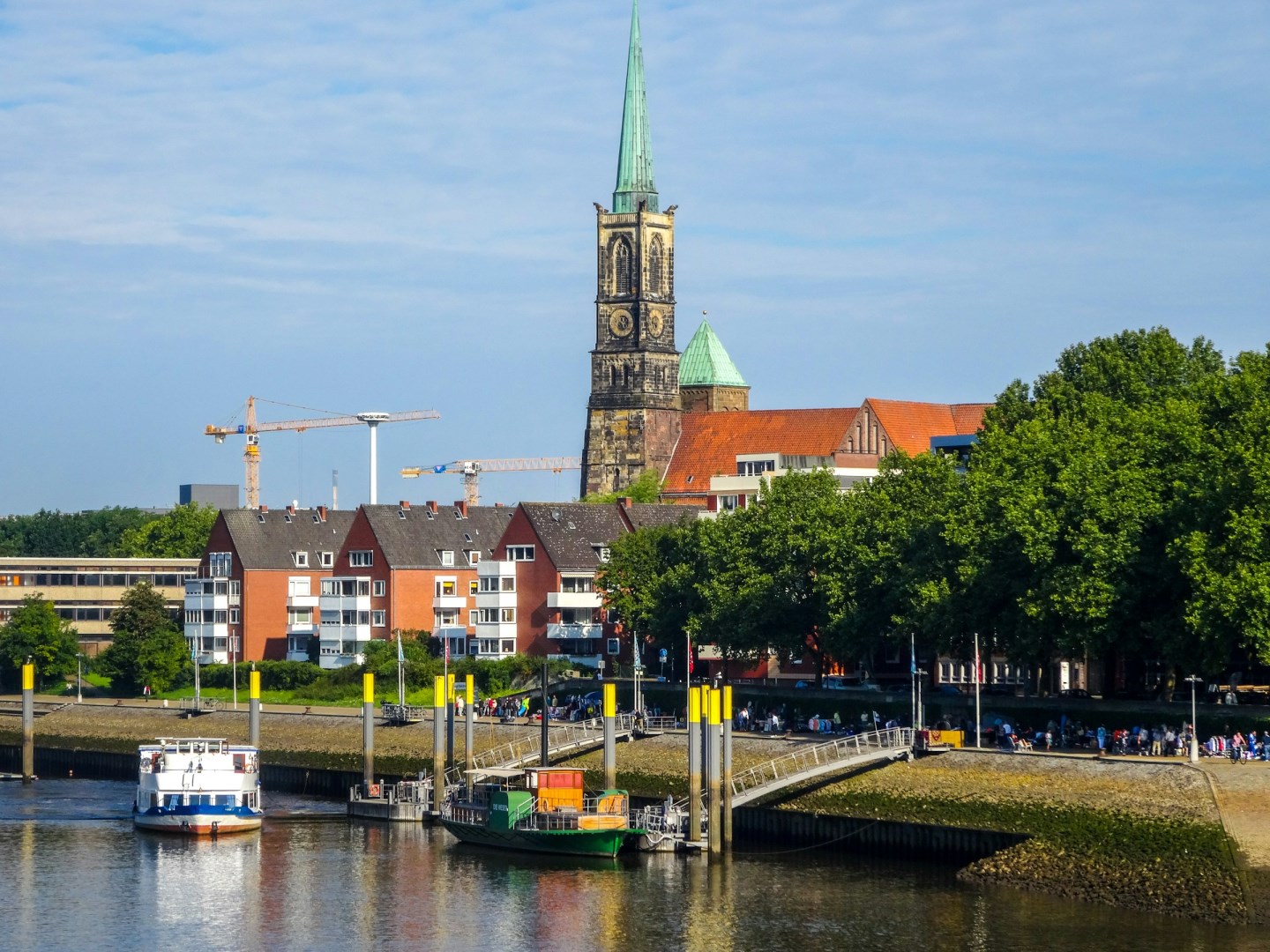
Bremen
In Bremen's oldest quarter, the Schnoor district, little 15th and 16th century houses are lined up shoulder to shoulder. Found in its charming twisting lanes are artists' studios, goldsmiths' workshops and galleries. Past and present flow seamlessly together in Bremen. This is prominently demonstrated by delightful Böttcherstrasse - a unique, world-famous architectural ensemble.

Istanbul
Istanbul is a city built on layers of empire. Spanning two continents, it was once the capital of three major empires: Roman, Byzantine, and Ottoman. Visitors walking through the Sultanahmet district can witness this timeline firsthand, from the Roman-era Hippodrome to the Byzantine mosaics of Hagia Sophia, and the towering minarets of the Blue Mosque. At nearby Topkapi Palace, rooms still display the jeweled swords, ceremonial robes, and handwritten Qurans once used by Ottoman sultans.
