

Oslo
Oslo, Norway’s capital, stands at the crossroads of Nordic history and forward-thinking design. Originally founded over a thousand years ago by Viking King Harald Hardrada, the city has evolved from a medieval trading hub into one of Europe’s most modern capitals. Visitors can explore its layered past at the Akershus Fortress, a 13th-century stronghold still standing guard over Oslofjord, or walk through the preserved wooden homes of Damstredet.
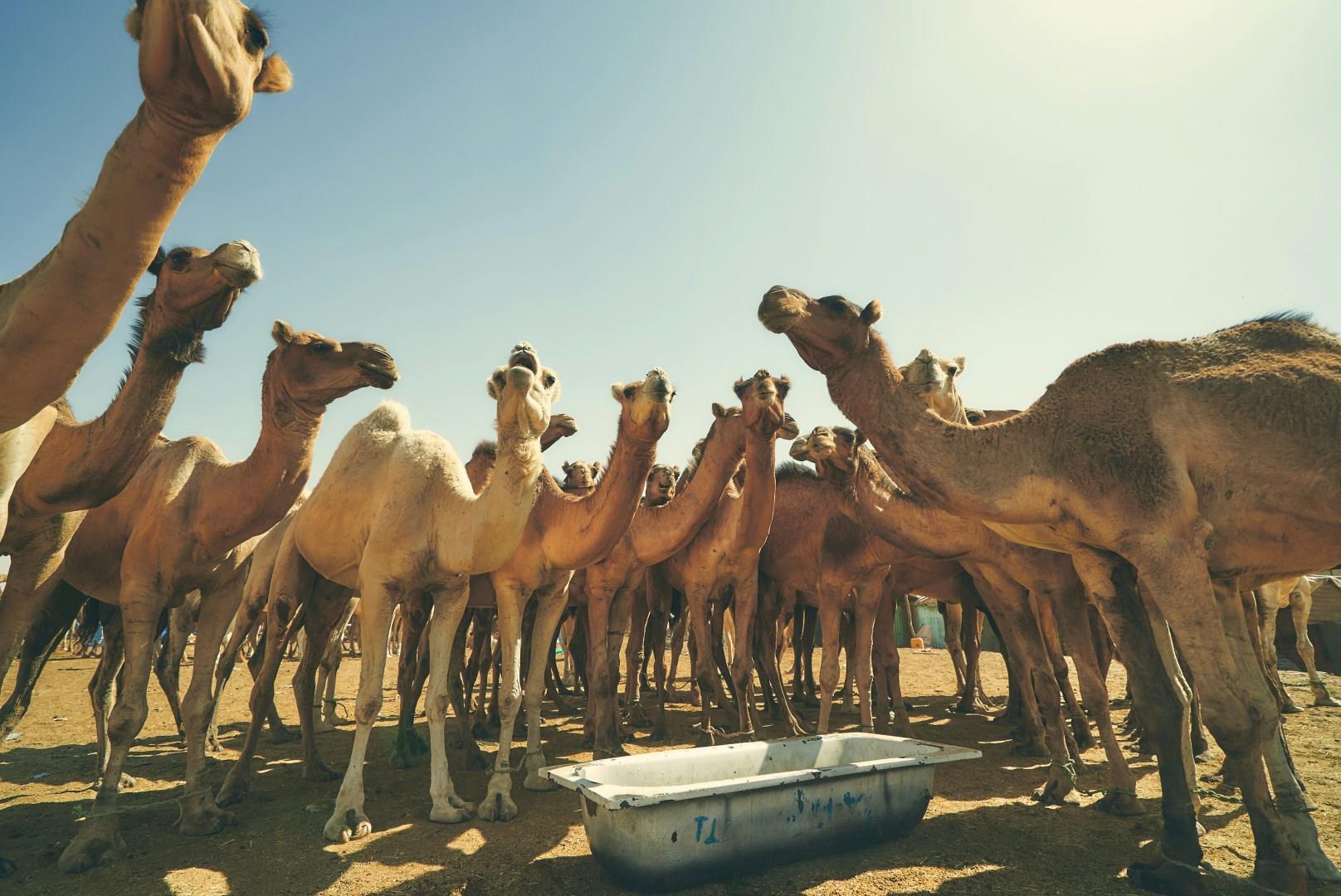
Nouakchott
Nouakchott, the capital of Mauritania, is a city that blends the desert’s quiet rhythms with the daily life of a growing urban center. Its coastal setting, unique cultural traditions, and access to the desert make Nouakchott both an introduction to Mauritania and a gateway to exploring the country further.

Alexandria
Located northwest of Cairo on the Mediterranean coast, Alexandria is one of Egypt's most spectacular cities and an important historical, industrial, and economic center for the country.
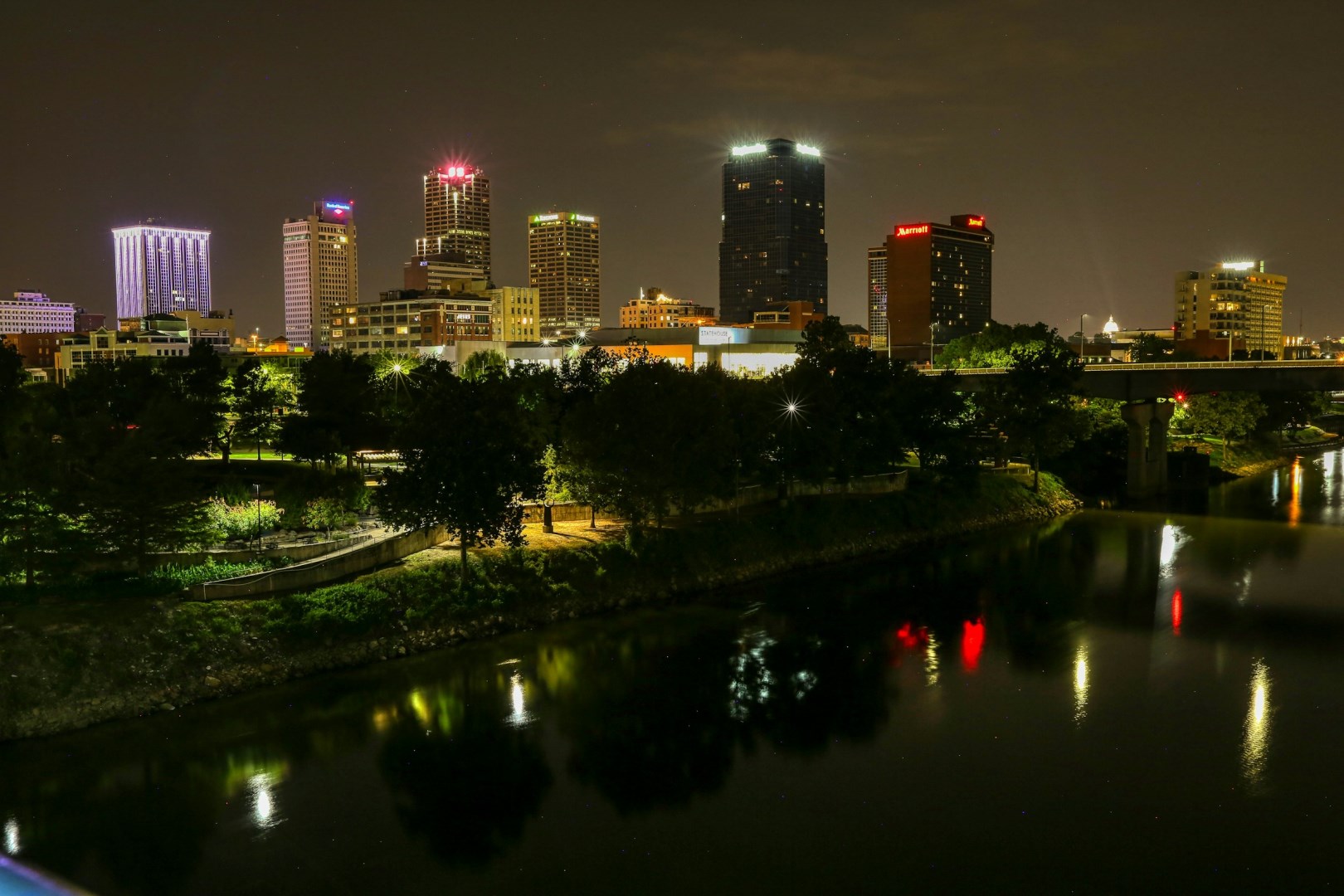
Little Rock
Little Rock, capital and largest city of Arkansas, a port of entry on the Arkansas River opposite North Little Rock, in the central part of the state. Among the attractions in Little Rock are the State Capitol (1911); the Governor's Mansion; Quapaw Quarter, a district of restored buildings that includes the Old State House; the Arkansas Territorial Restoration, a group of restored homes dating from the early 19th century; and MacArthur Park, containing the Arkansas Arts Center, and much more!
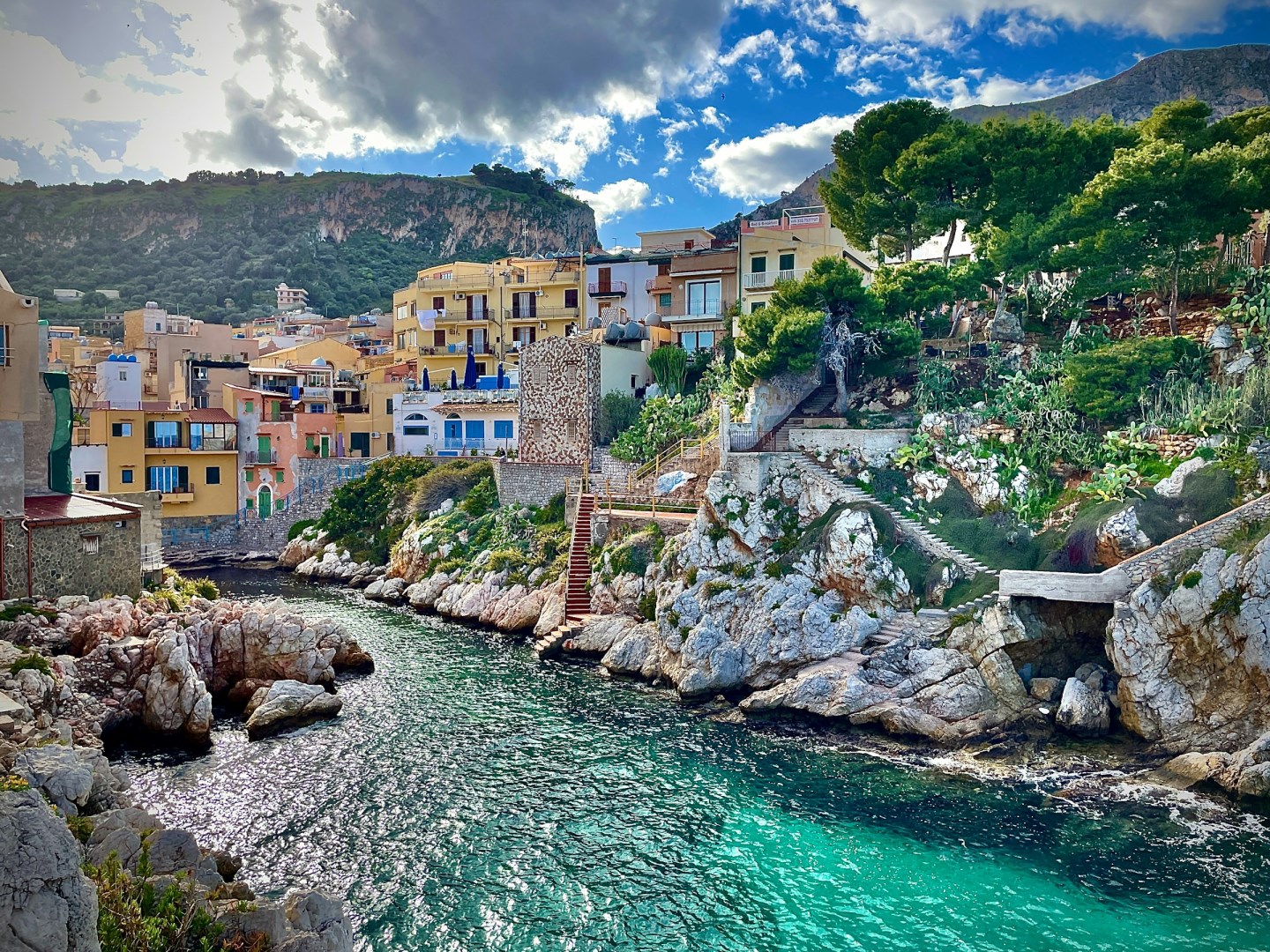
Sicily
Sicily, the largest island in the Mediterranean, is a captivating blend of ancient history, stunning landscapes, and vibrant culture. The island’s rich past is evident in its archaeological treasures, with Greek, Roman, Arab, and Norman influences shaping its architecture and traditions. The Valley of the Temples in Agrigento is a must-visit for history lovers, where you can wander among some of the best-preserved Greek temples outside of Greece.
