
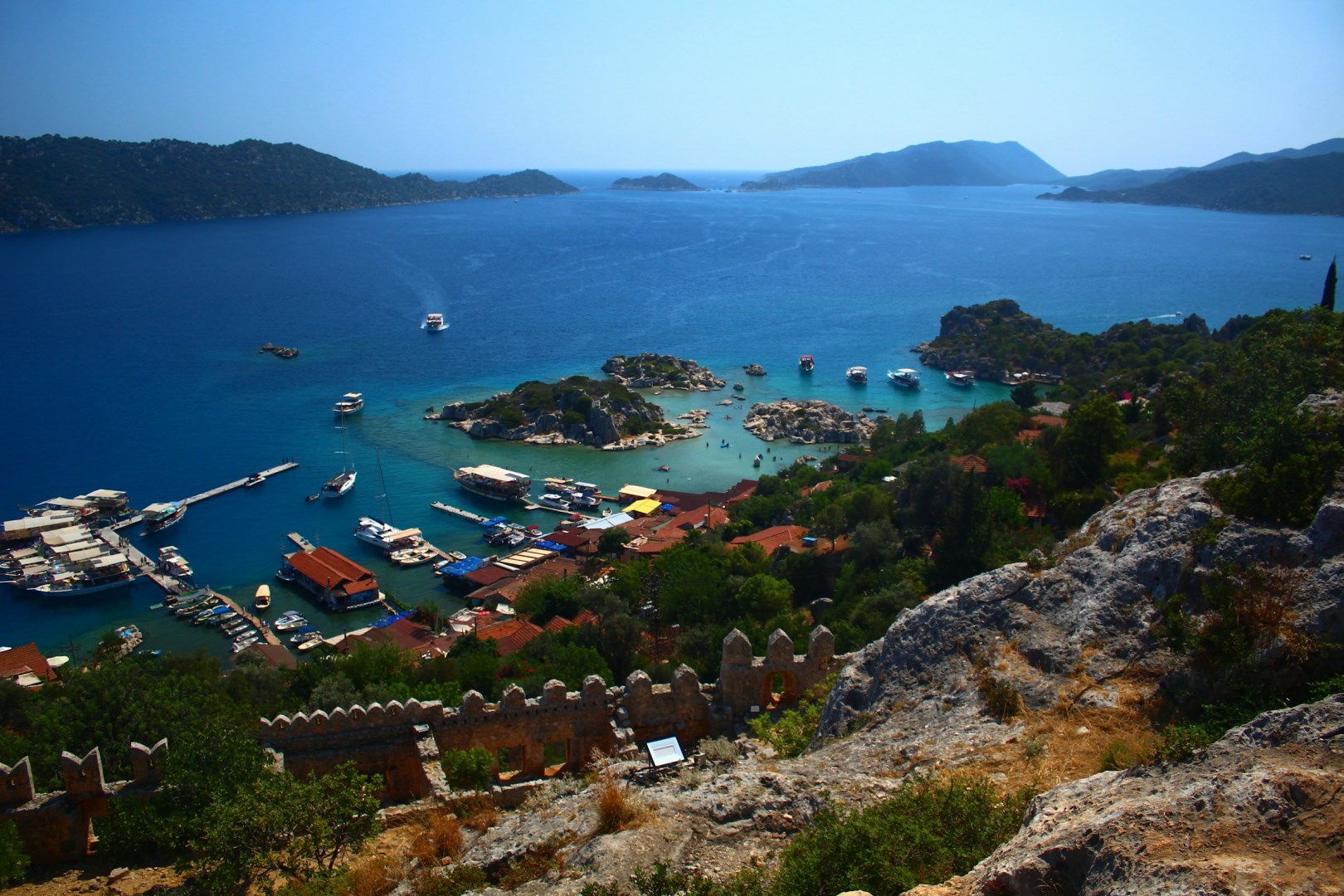
Kekova
Kekova is an island an hour from Dalyanagzi by sea as well as the name of a whole ensemble of picturesque islands, numerous bays and ancient cities. These bays provide natural harbors in all seasons, and yachtsmen particularly enjoy exploring the unspoilt landscape.
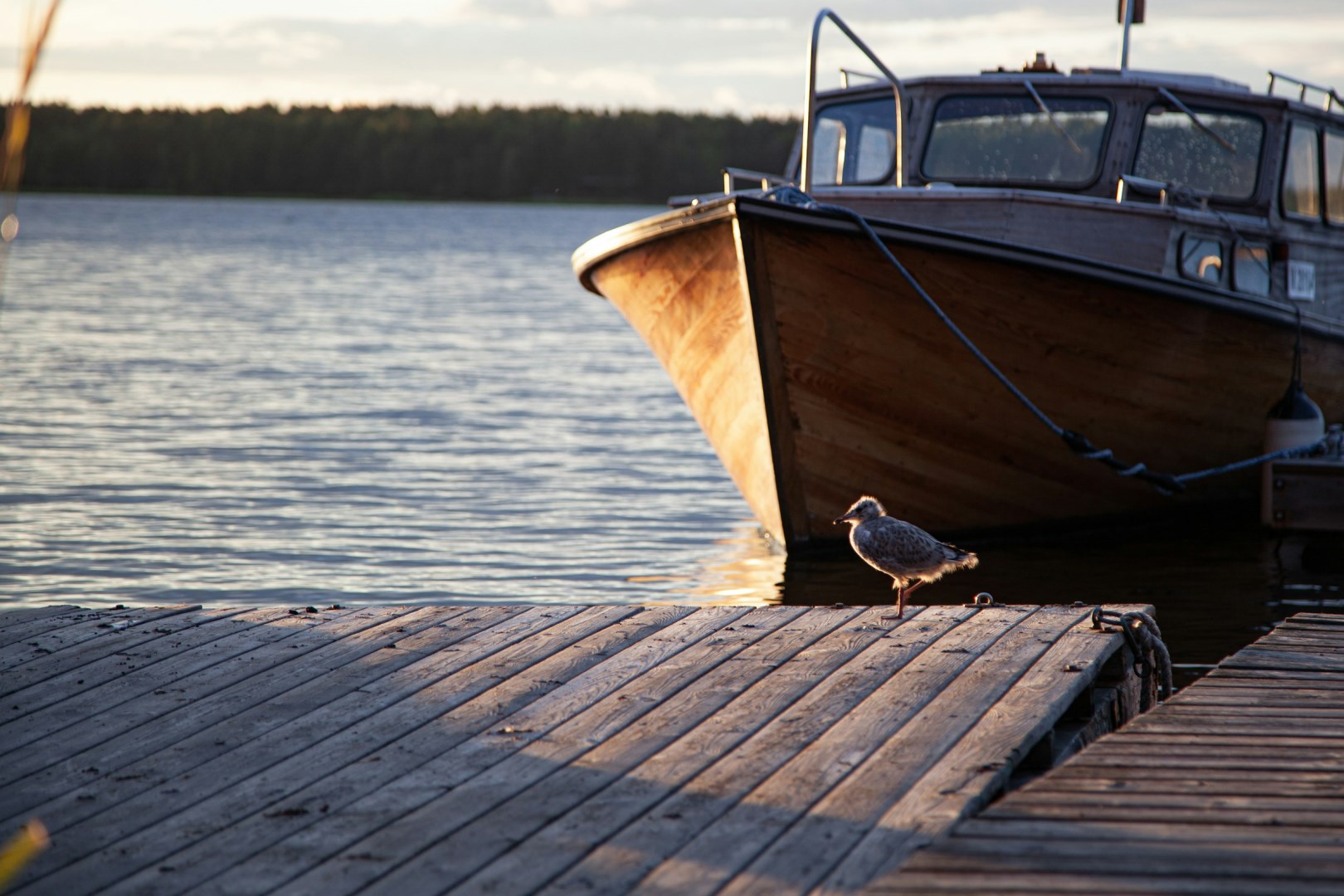
Kotka
Located on the southern coast of Finland at the delta of the Kymi river, the city of Kotka is a major Finnish sea port. Perhaps the best-known attraction of this multicultural and creative city is the country's largest urban maritime festival, an annual celebration that includes boating events, dance and music performances, and Finland's largest parade which marks the beginning of the city-wide event.
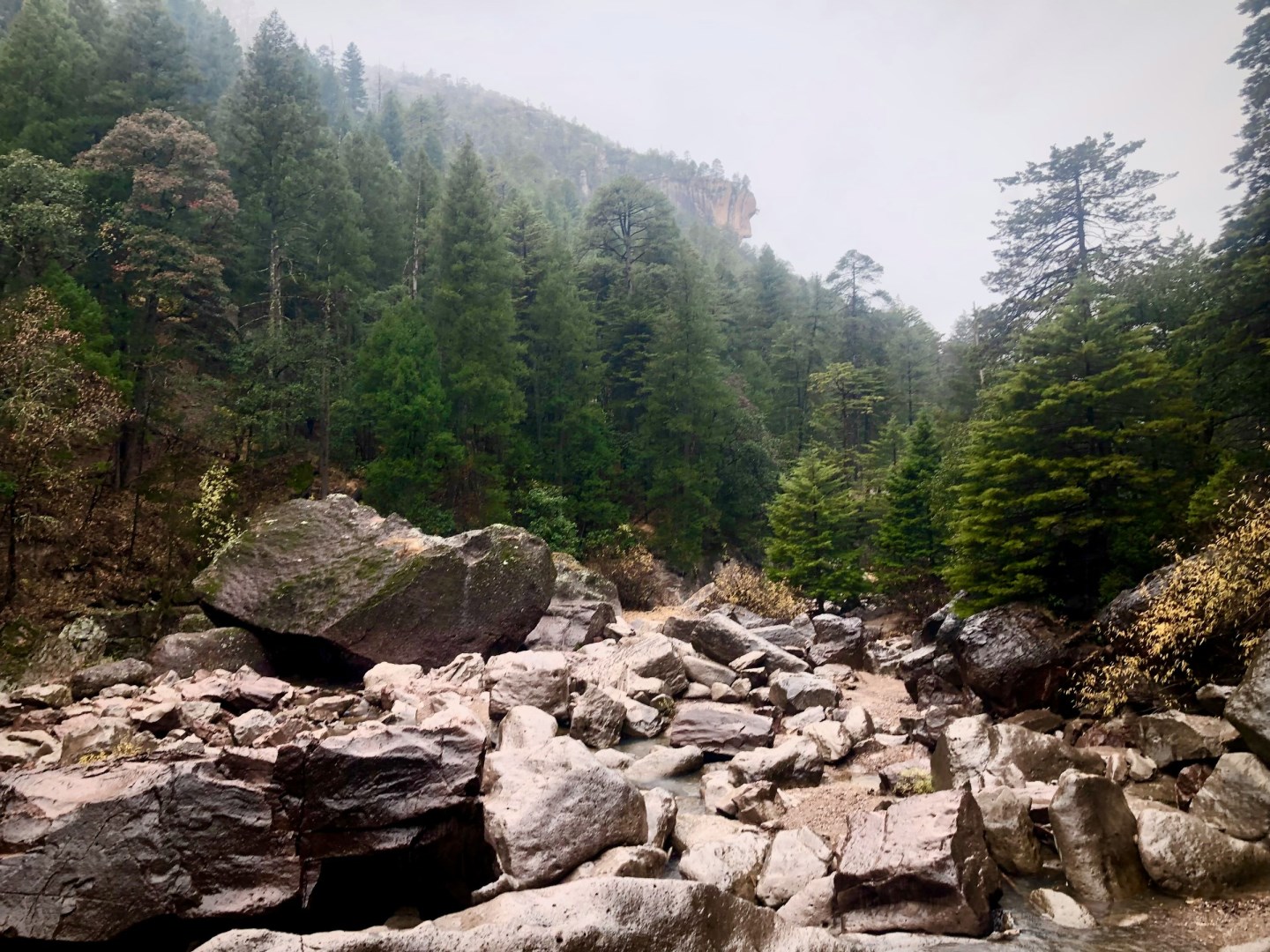
Copper Canyon
Copper Canyon is actually not a single canyon, but rather a series of more than 20 canyons running through the northern region of Mexico. The canyon covers over 20,000 square miles and is four times larger than the Grand Canyon in the United States.
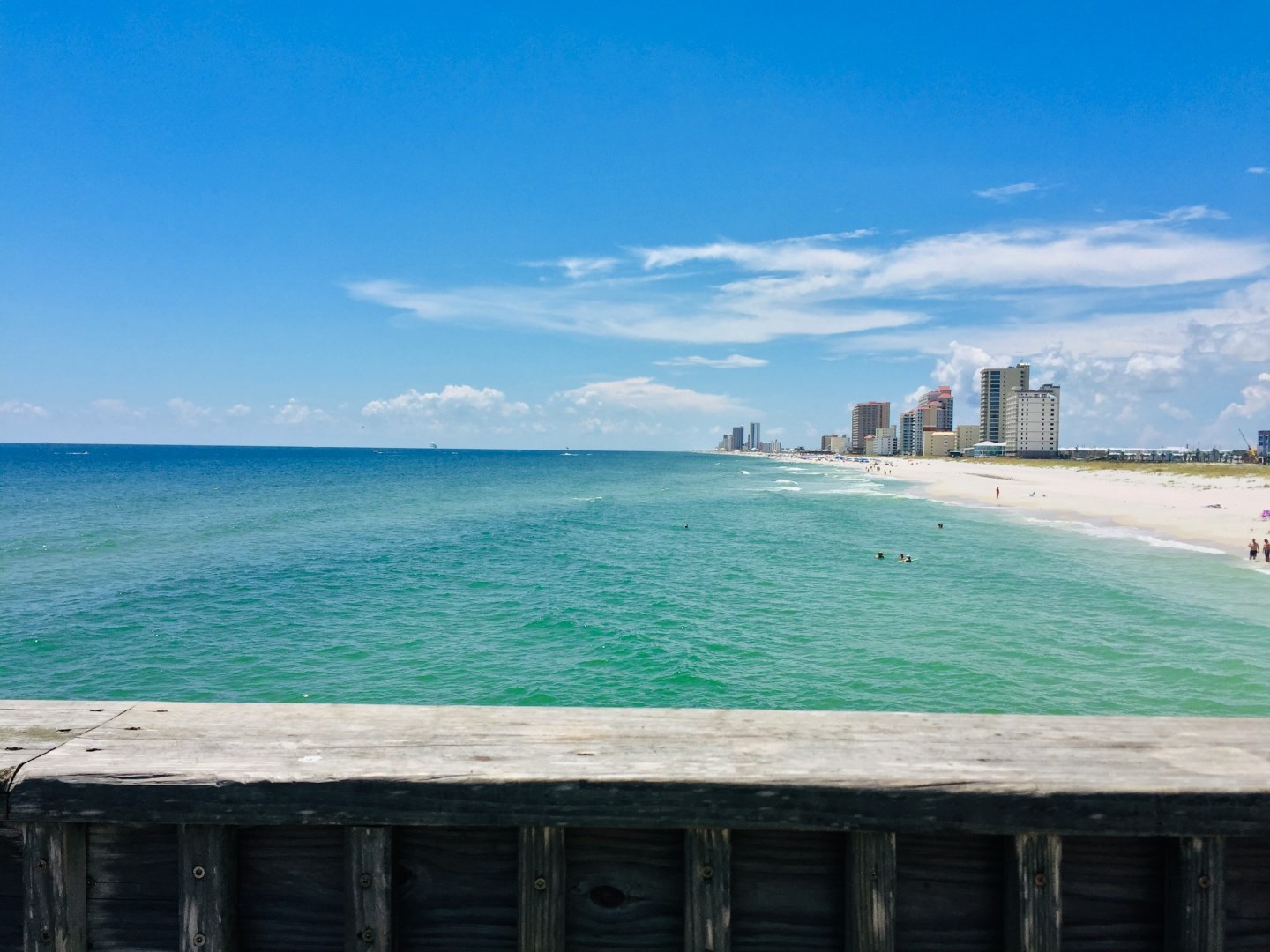
Gulf Shores
Gulf Shores is a coastal city in southern Alabama, positioned along the Gulf of Mexico and the Intracoastal Waterway. It is known for its broad white-sand beaches, coastal dunes, maritime forests, and access to bays and inland waterways. The city serves as a gateway to Alabama's Gulf Coast, with development concentrated around the beachfront and nearby commercial areas while protected landscapes remain along parts of the shore.
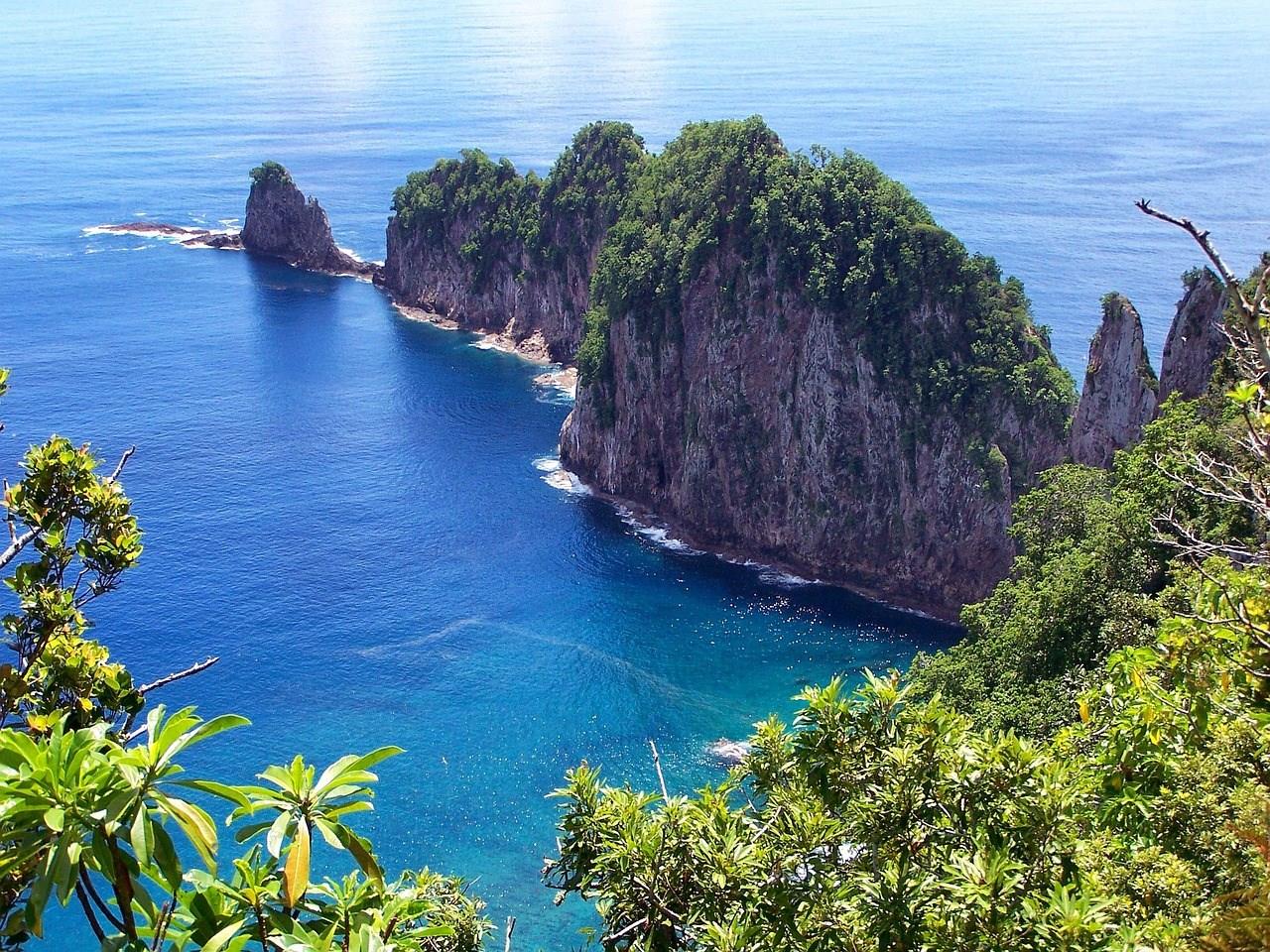
National Park of American Samoa
The National Park of American Samoa invites visitors to step into a world shaped by towering volcanic ridges, tangled rainforests, and clear coral-sand bays. Spread across Tutuila, Ta‘ū, and Ofu islands, the park protects nearly 13,500 acres of land and 4,000 acres of ocean, an unusual patchwork where ancient ecosystems like paleotropical rainforests meet hip-deep coral reefs. Only U.S. national park in the Southern Hemisphere, it’s a place where you can hike through cloud-shrouded forests and t
