
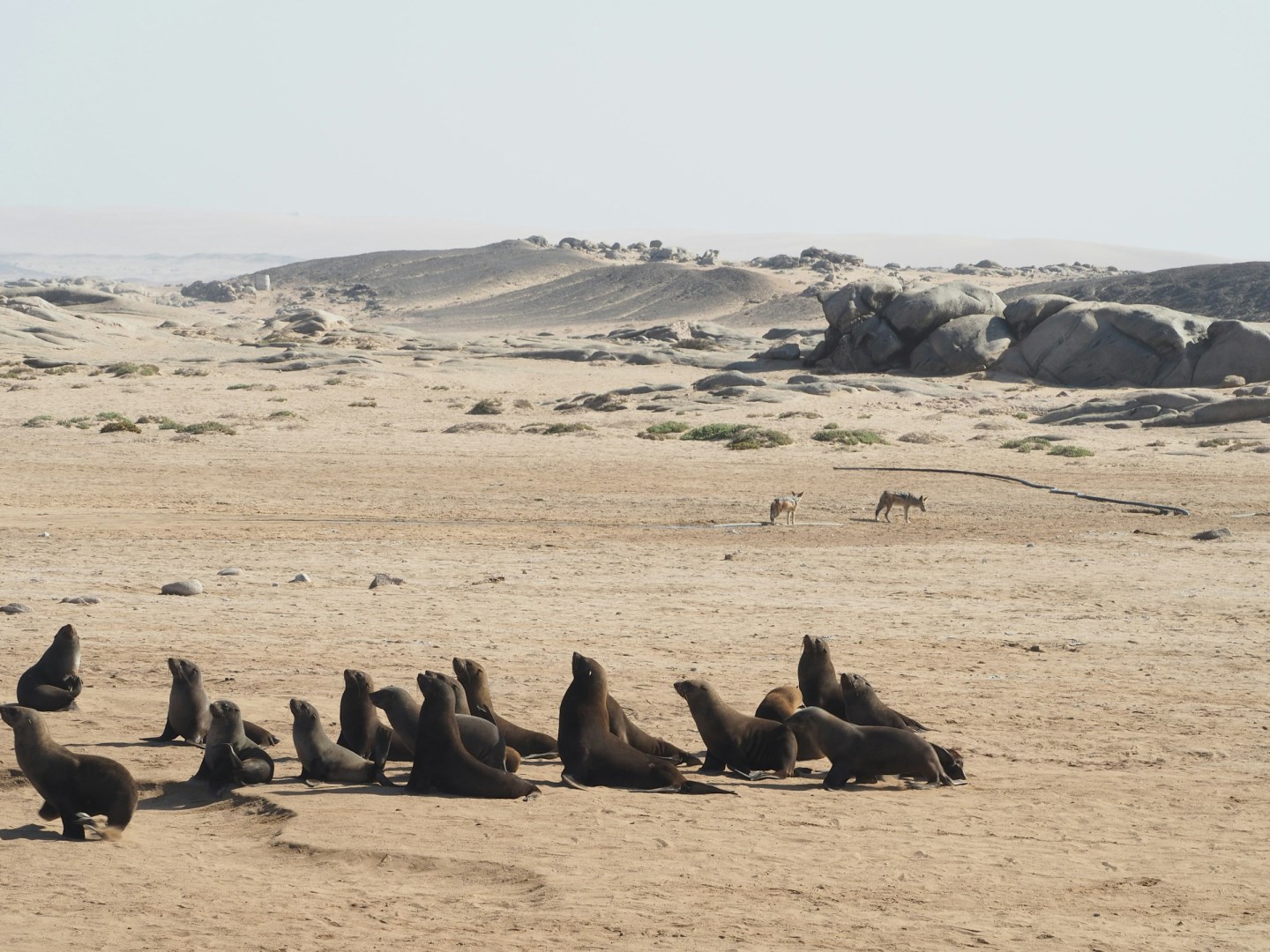
Skeleton Coast National Park
Skeleton Coast National Park stretches for about 500 kilometres along Namibia’s northwestern Atlantic coast, from the Ugab River toward the Kunene River. The park covers roughly 16,390 square kilometres of beaches, dunes, gravel plains, ephemeral riverbeds, canyons, and rugged mountain landscapes. Cold Atlantic water from the Benguela Current helps produce frequent coastal fog, which can extend inland across the desert.
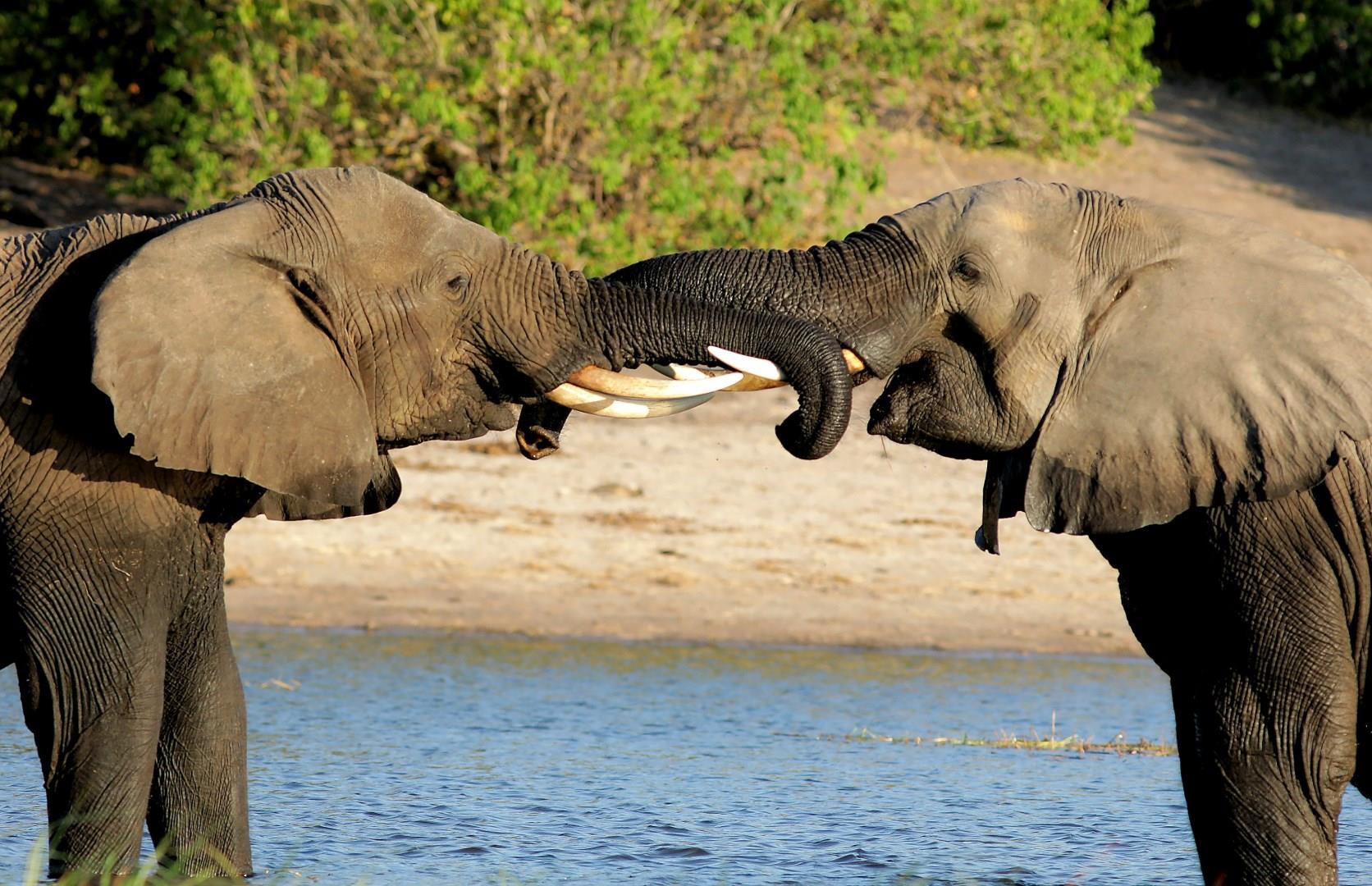
Kasane
Kasane sits at Botswana’s northeastern edge, where the Chobe River meets the borders of Namibia, Zambia, and Zimbabwe. Its development is closely tied to river transport, regional trade, and wildlife management.

Perito Moreno Glacier
Perito Moreno Glacier is one of the most recognizable ice formations in Argentina, located within Los Glaciares National Park in Santa Cruz Province. The glacier extends into the southern arm of Lago Argentino and is notable for its broad ice front, which can be viewed from a network of walkways and observation platforms. Its proximity to El Calafate makes it one of the more accessible major glaciers in Patagonia.
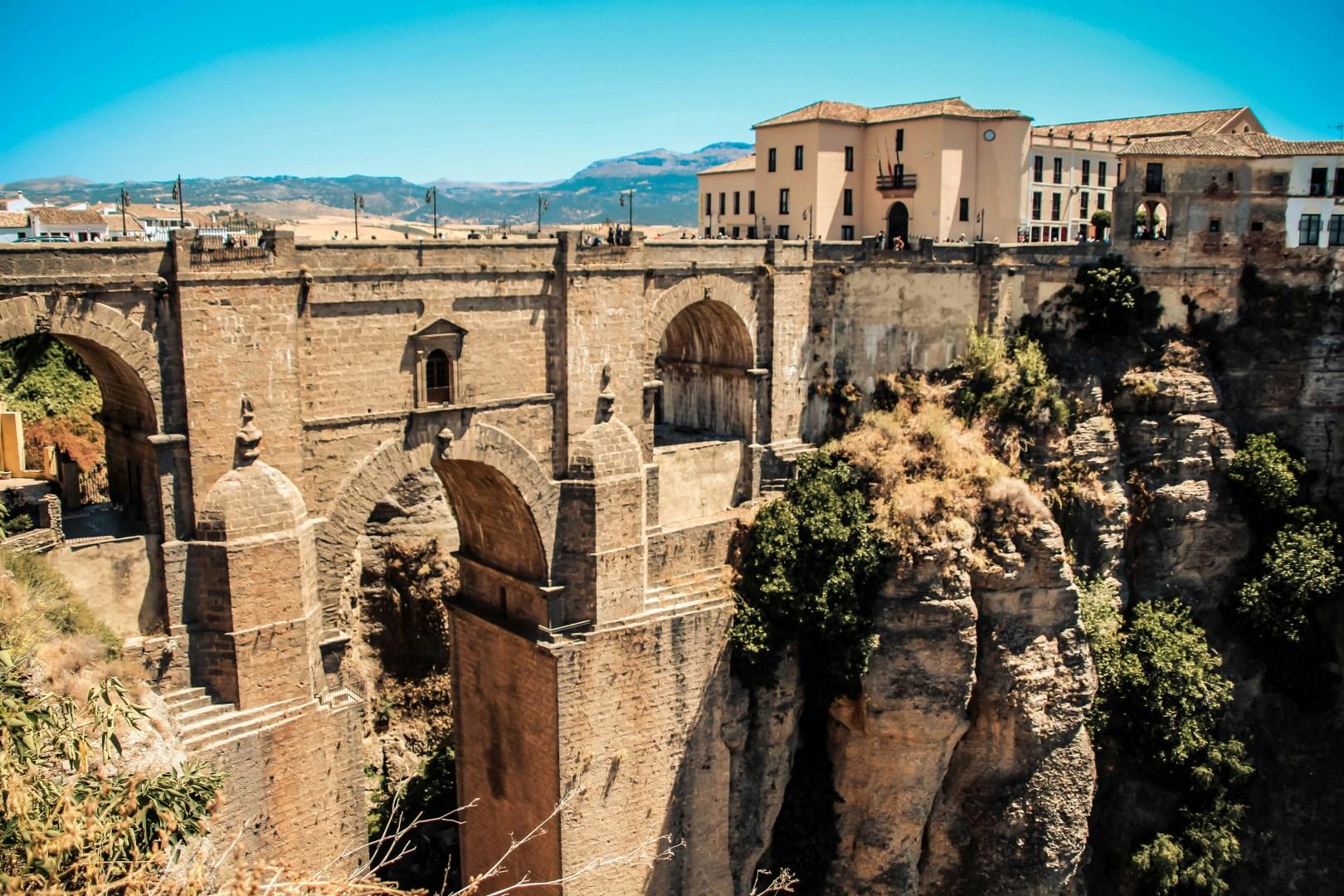
Ronda
Ronda, perched high above the El Tajo gorge in southern Spain’s Málaga province, offers one of the most dramatic landscapes in Andalusia. The city is split in two by a 120-meter-deep canyon carved by the Guadalevín River, and connected by the iconic Puente Nuevo, an 18th-century stone bridge that took over 40 years to complete. Visitors crossing the bridge can stop at the viewpoint built into the stone itself, once used as a prison.
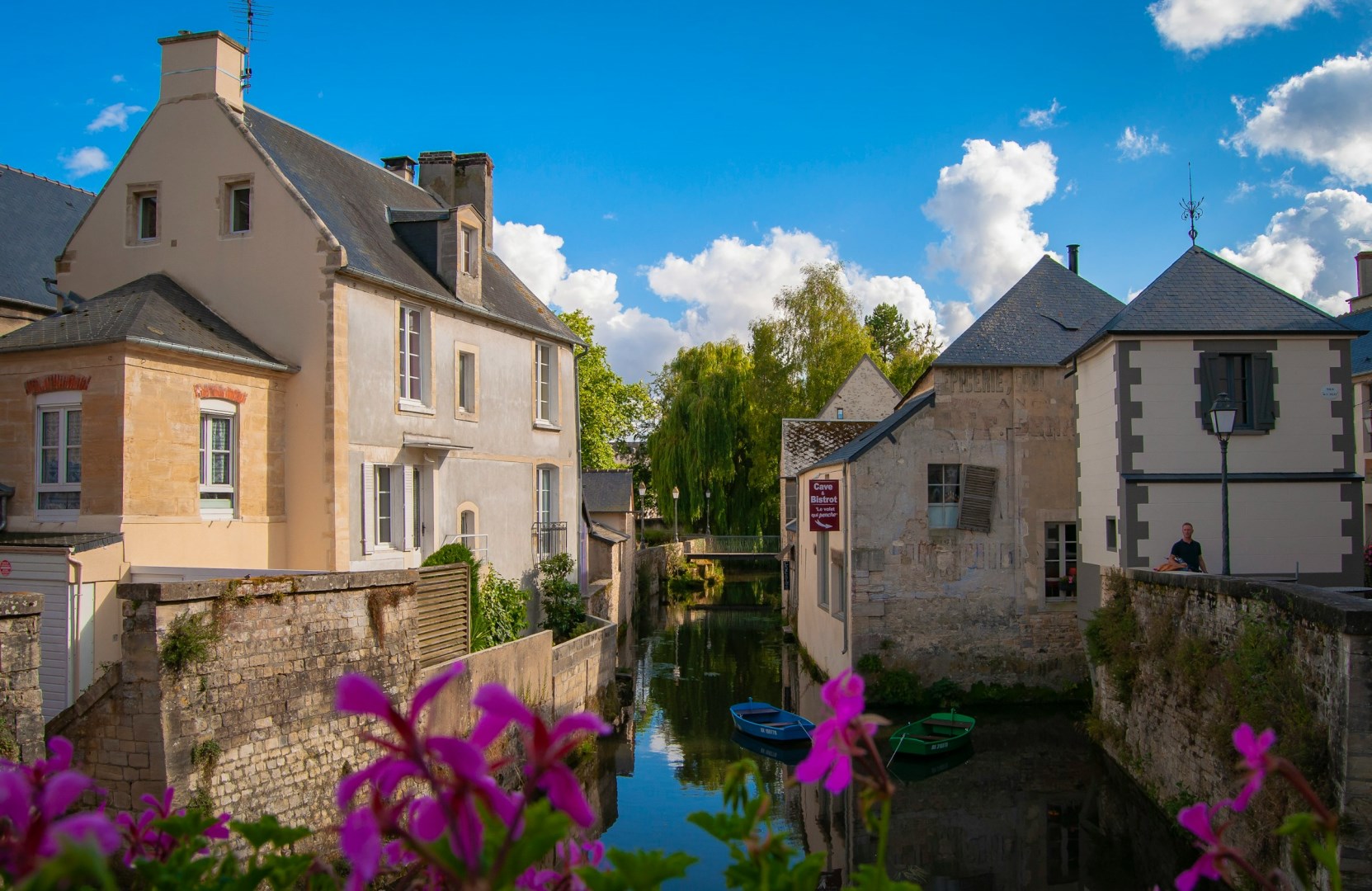
Bayeux
Bayeux is a historic town in Normandy, northern France, set near the Aure River and within easy reach of the Normandy coast. Its compact centre contains medieval streets, timber-framed houses, stone buildings, and gardens surrounding the imposing Bayeux Cathedral. The town is especially known for the Bayeux Tapestry, an extraordinary embroidered work that depicts the Norman Conquest of England and is displayed at the Musée de la Tapisserie de Bayeux.
