

Dominica
Dominica, known as the “Nature Island of the Caribbean,” is a haven for eco-tourists and adventure seekers. Nestled between the French islands of Guadeloupe and Martinique, this lush island boasts a remarkable landscape of volcanic mountains, dense rainforests, and stunning waterfalls. Dominica’s most iconic natural wonder is the Boiling Lake, the second-largest hot spring in the world.
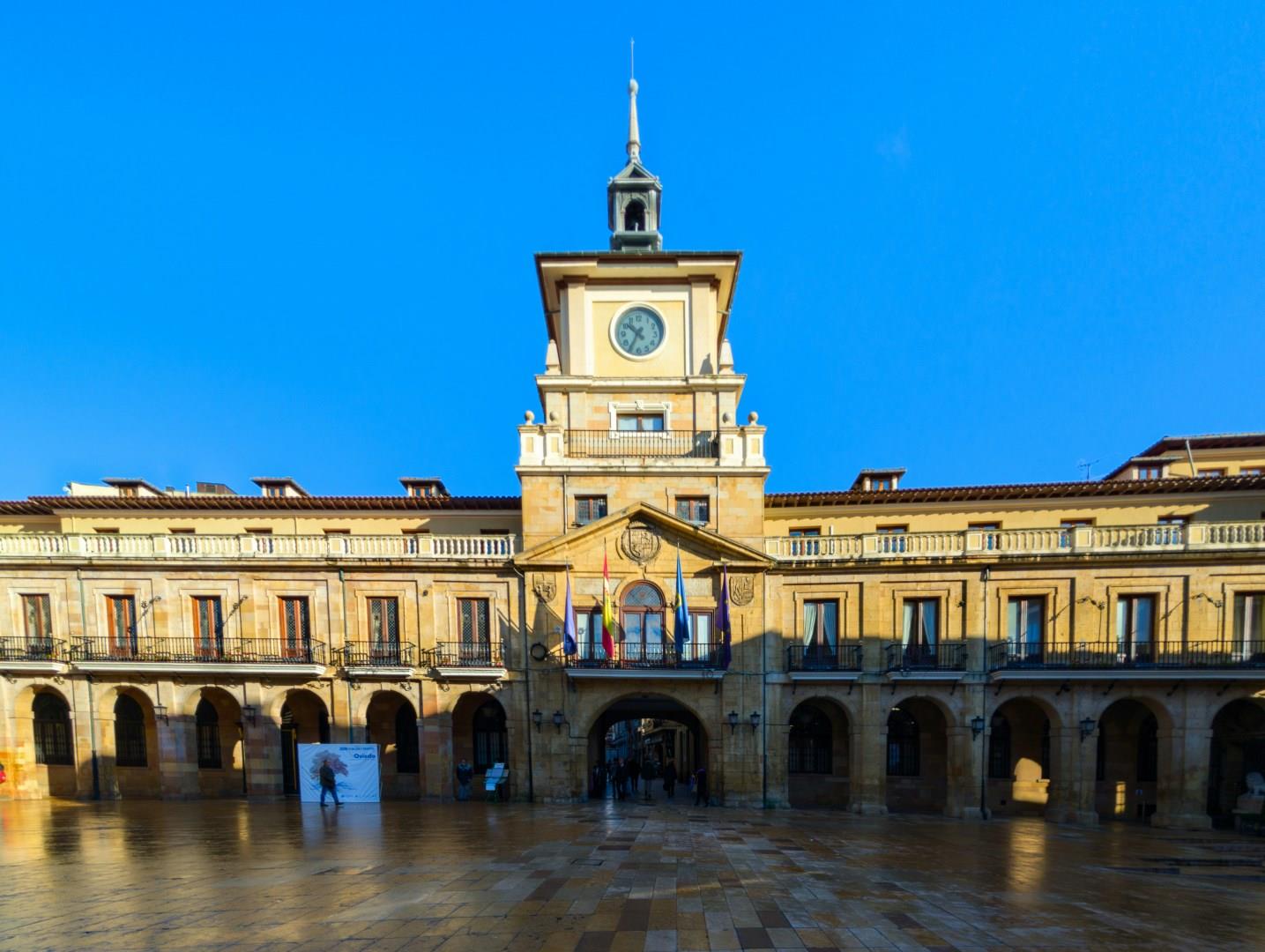
Oviedo
Oviedo, the capital of Asturias in northern Spain, offers a rare mix of medieval heritage and everyday life that feels rooted rather than staged. The city’s historic center is home to some of the oldest pre-Romanesque buildings in Europe, including the UNESCO-listed Santa María del Naranco and San Miguel de Lillo. Cider, not wine, defines the local table. Oviedo is surrounded by apple orchards, and the traditional drink, sidra natural, is poured from a height by skilled escanciadores.

Graz
Graz, Austria's second-largest city, is a hidden gem that offers a perfect blend of history, culture, and modernity. Its well-preserved medieval old town, a UNESCO World Heritage Site, invites visitors to stroll through cobblestone streets lined with Renaissance courtyards and Baroque façades. At the heart of the city is the Schlossberg, a forested hill crowned by the iconic clock tower, Uhrturm.
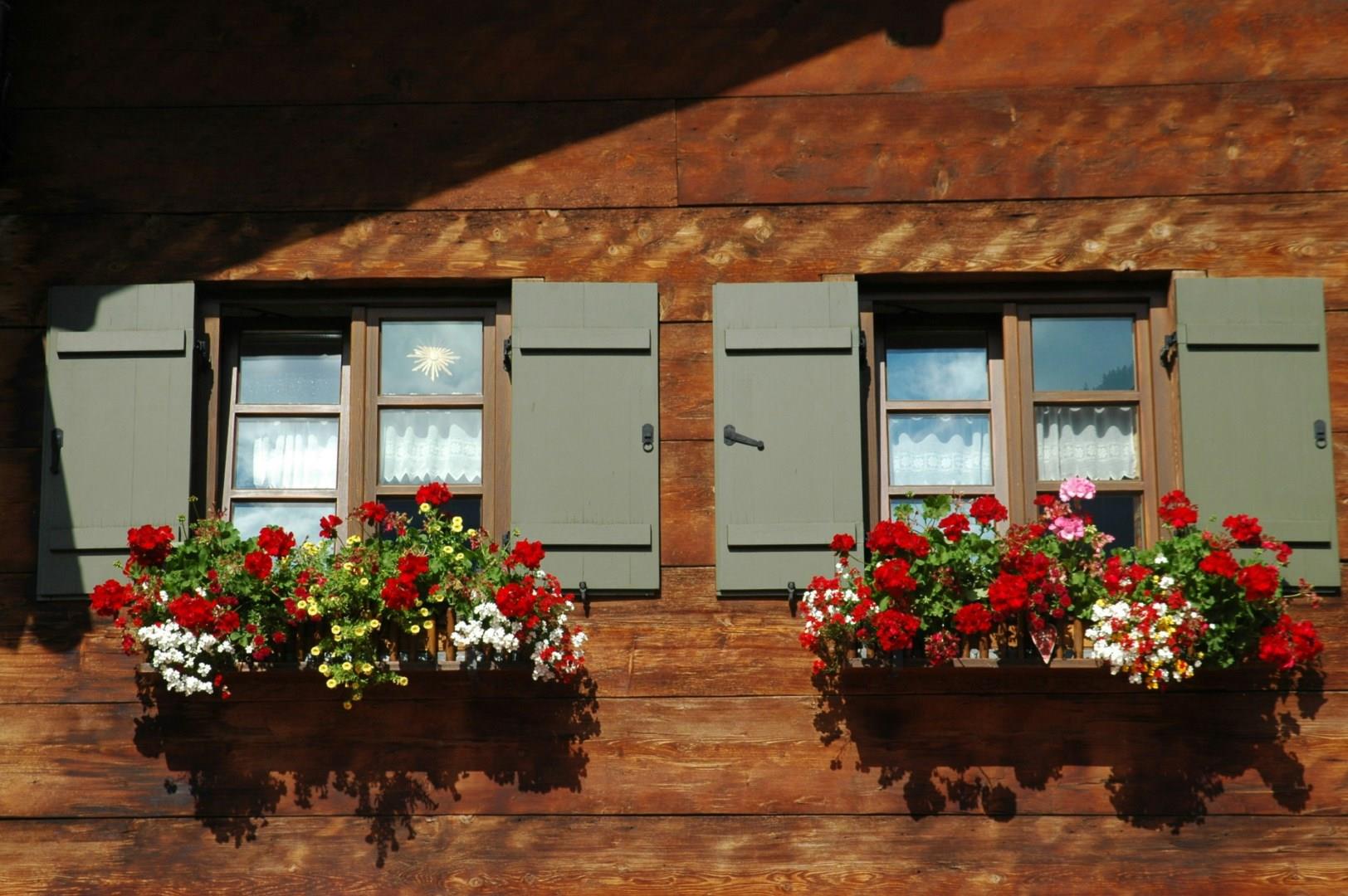
Oberammergau
Nestled in the Bavarian Alps, Oberammergau is a charming village in Germany that exudes a timeless allure. Renowned for its stunning alpine scenery, traditional Bavarian architecture, and vibrant cultural heritage, this small town offers an unforgettable experience for visitors. Oberammergau is perhaps best known for its world-famous Passion Play, a tradition that dates back to 1634.

New Mexico
New Mexico is a place where centuries-old adobe buildings stand beneath endless skies and ancient traditions live alongside experimental art and science. Known as the Land of Enchantment, the state offers a landscape shaped by volcanoes, mesas, and high desert plateaus. Santa Fe, the oldest state capital in the U.S., features historic sites like the 17th-century San Miguel Chapel and a walkable downtown filled with galleries and artisan markets.
