

Lake Titicaca
Lake Titicaca, perched at over 3,800 meters above sea level, is the highest navigable lake in the world and a place where ancient stories still echo across the water. Shared by Bolivia and Peru, this lake has long been considered sacred by the Andean peoples. According to Inca legend, it was from Titicaca’s deep blue waters that the first humans were created. Today, the lake remains a center of cultural tradition, spiritual significance, and daily life for many who live along its shores.
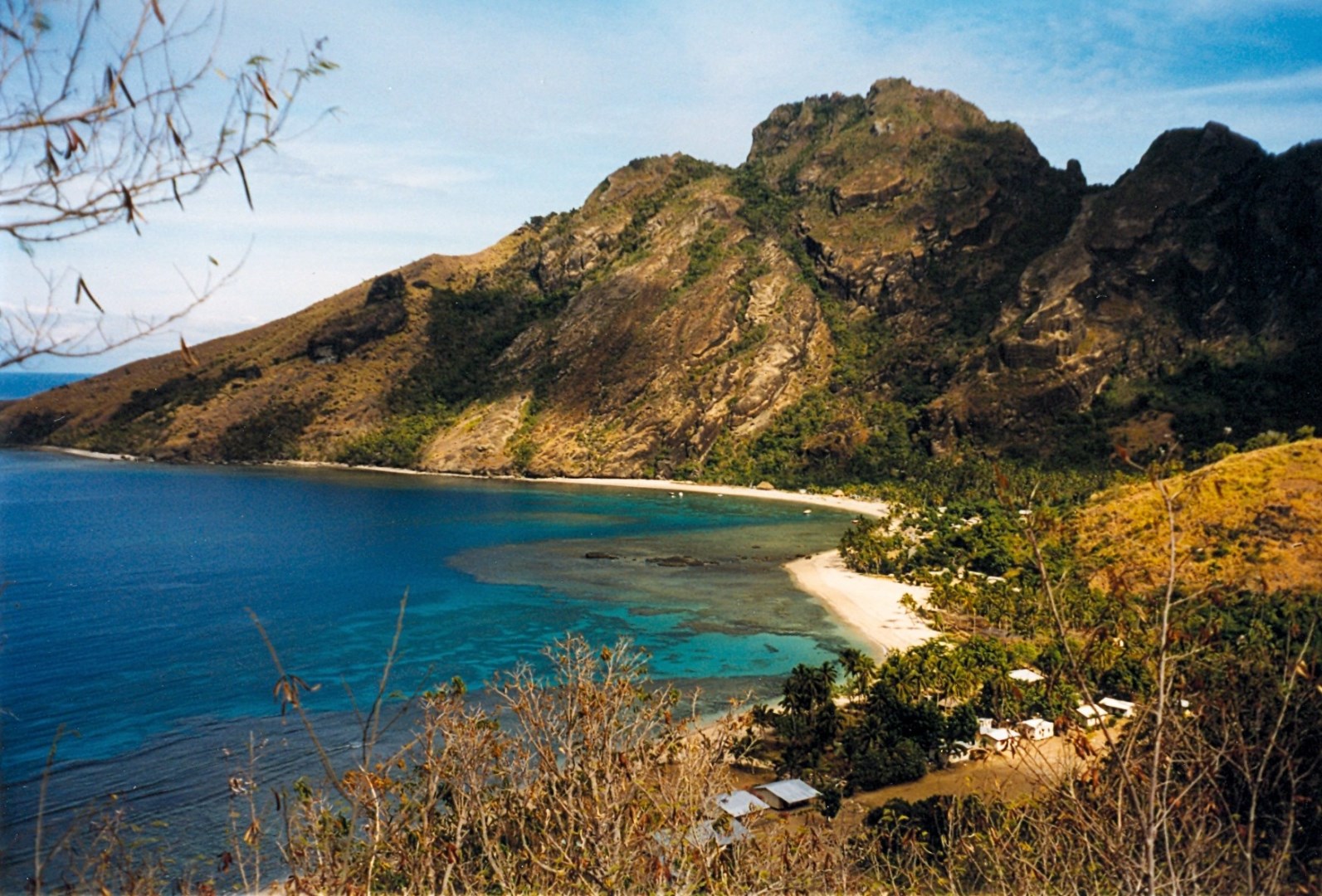
Yalobi
Discover a traditional Fijian village nestled between the clear waters of Yalobi Bay and the rugged mountain peaks of Waya Island.

Uluru
Located in Australia's Northern Territory, Uluru is an iconic sandstone formation and UNESCO World Heritage site. This red rock monolith, believed to be over 500 million years old, has been considered sacred by Australia's indigenous peoples for thousands of years and is one of the country's most well-known natural landmarks. This spiritual destination will astound you at sunrise and sunset, when the warm sunlight turns Uluru to deep hues of red and orange.
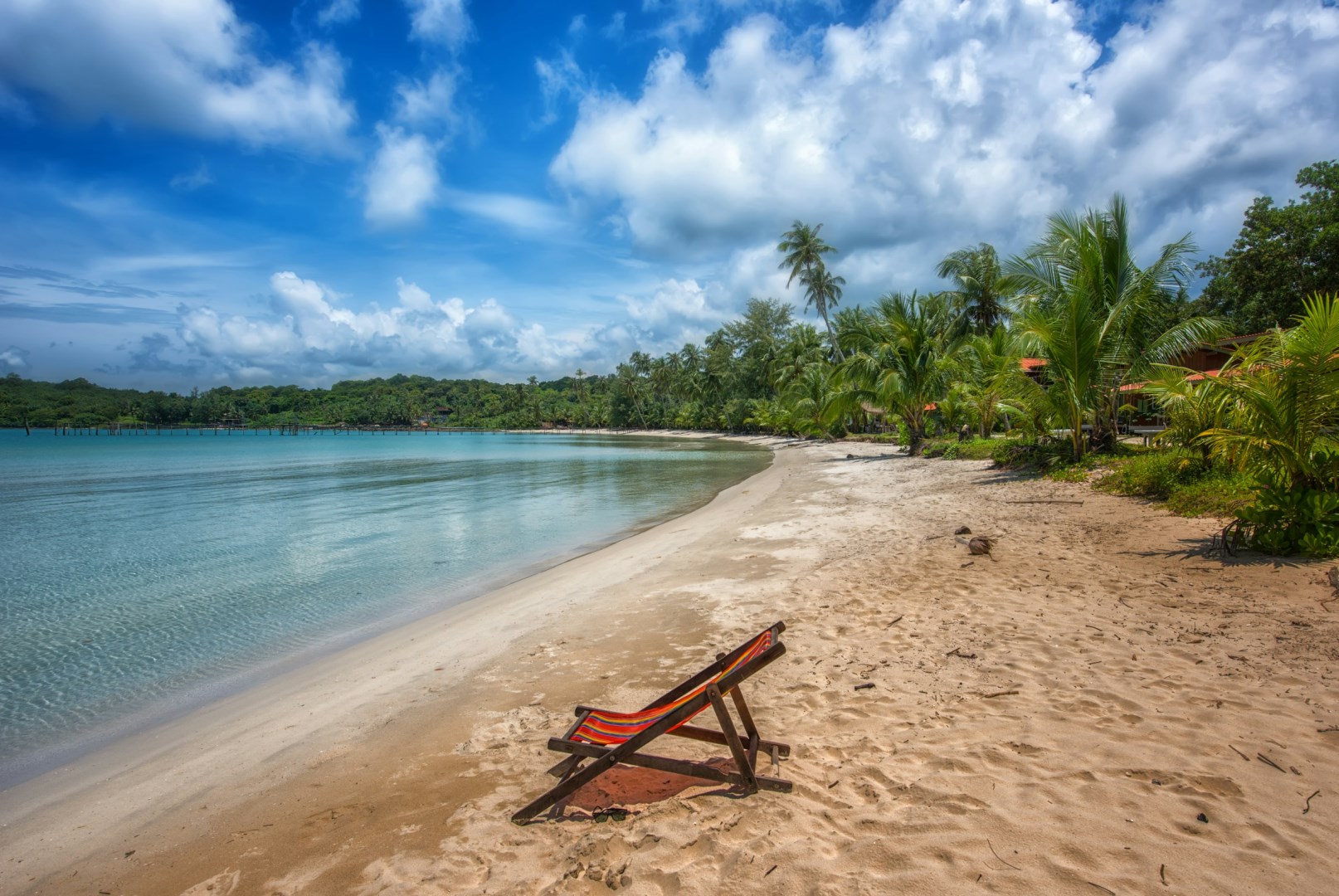
Ko Kood
Koh Kood, also spelled Koh Kut, is an island in Trat Province near Thailand’s eastern maritime border with Cambodia. It is the fourth-largest island in Thailand and the southernmost major island in the Koh Chang group. Much of its landscape consists of forested hills, coconut and fruit plantations, streams, and sandy beaches along the Gulf of Thailand.
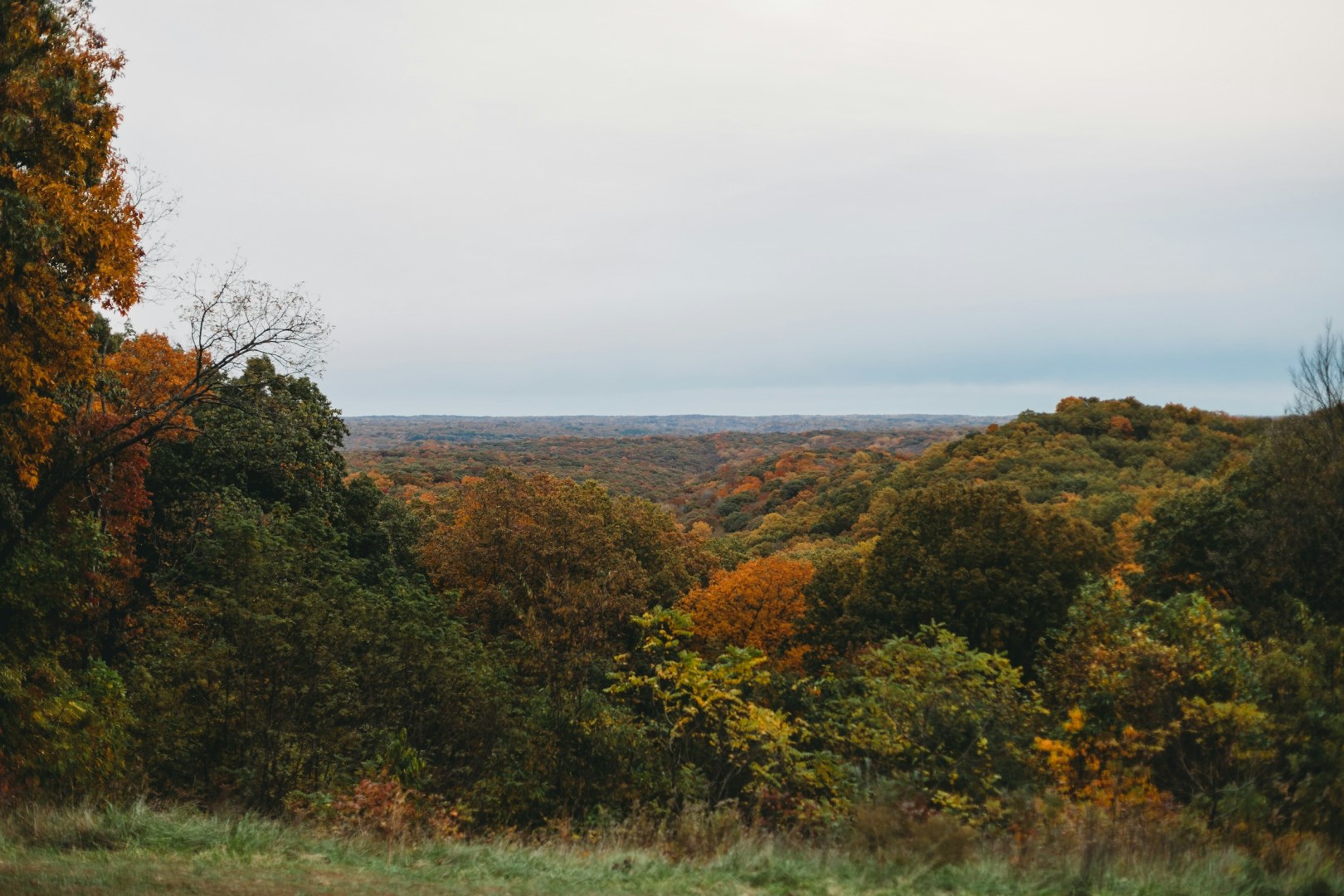
Nashville
Nashville is a small town in Brown County, southern Indiana, surrounded by the wooded hills and winding roads of the region. It is best known for its concentration of independent shops, art galleries, craft studios, restaurants, and locally made goods, with much of the commercial district located within a few blocks of the town center. The surrounding countryside is markedly different from Indiana’s flatter agricultural landscapes, with steep ridges, narrow valleys, and forested slopes.
