
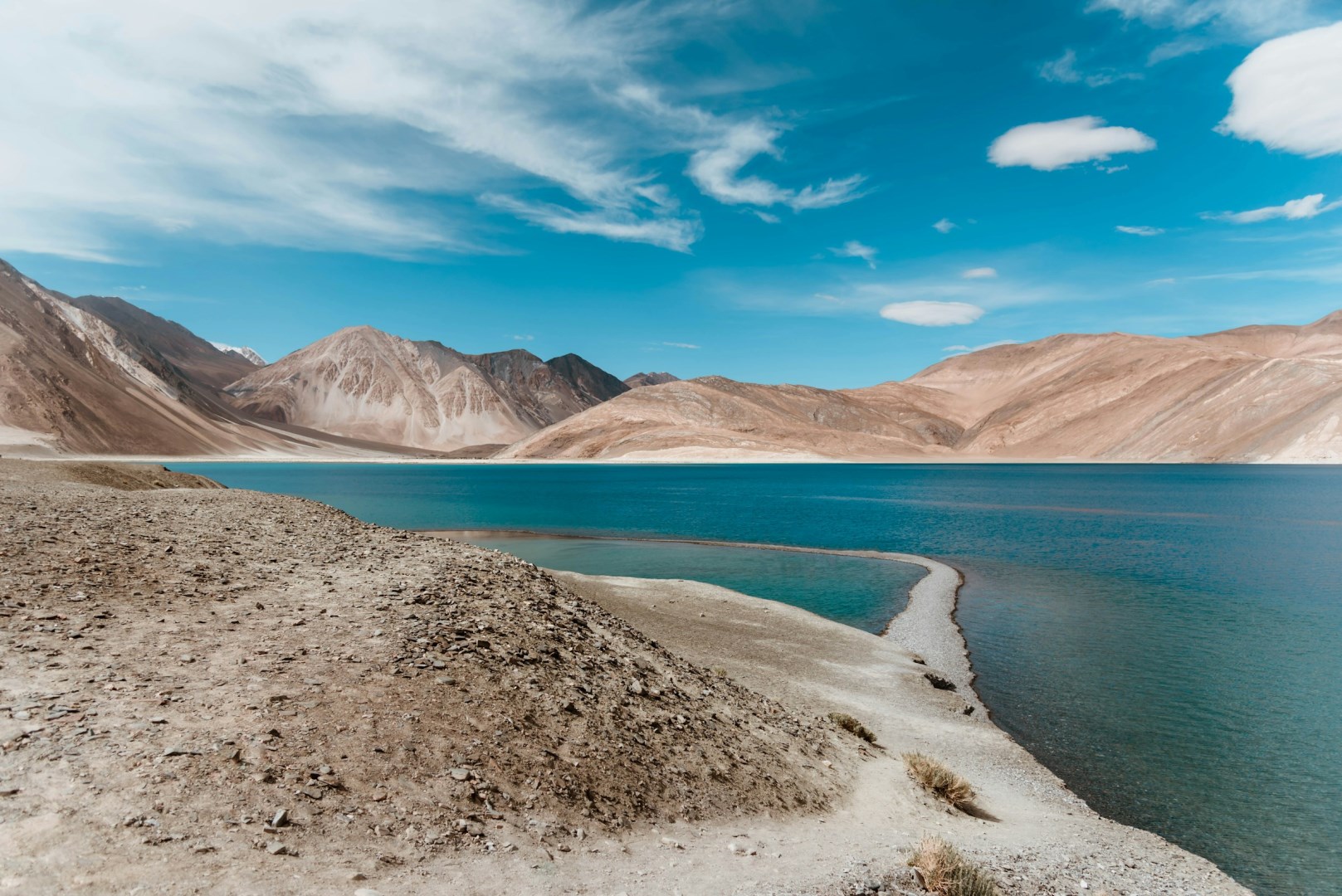
Ladakh
Ladakh is a high-altitude region in the northern Himalayas, known for its dry mountain landscapes, broad valleys, clear lakes, and settlements shaped by limited water and harsh winters. Leh serves as the principal urban centre and gateway, while the wider region includes Nubra, Changthang, Zanskar, and the Indus Valley. The landscape changes from barren mountain slopes to green village fields and river corridors where water is available. Its combination of high passes, cold-desert terrain, and r
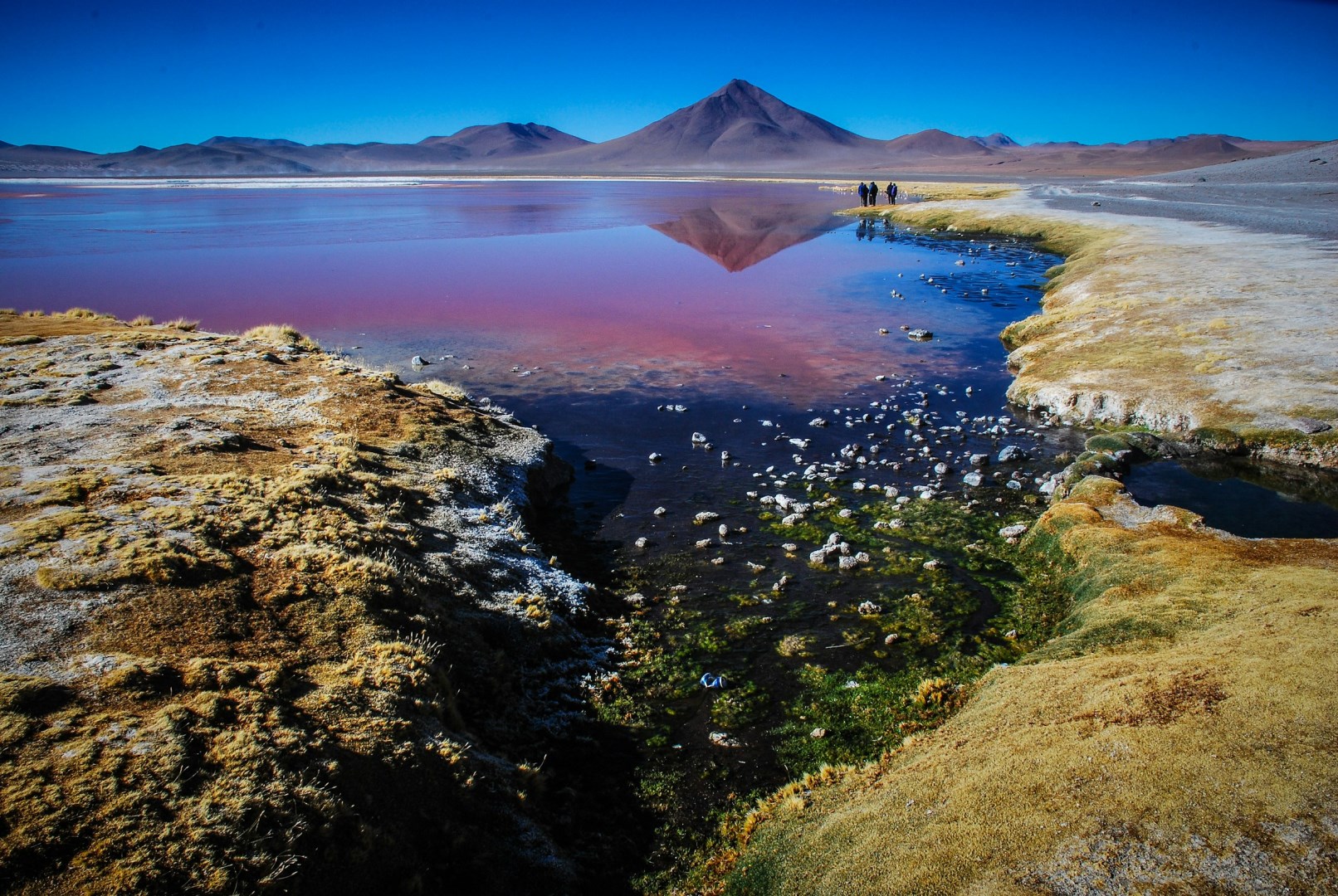
Altiplano
The Bolivian Altiplano is a vast high plateau in the Andes, stretching across much of western Bolivia between the country’s major mountain ranges. Its high elevation creates a cool, dry environment with broad open plains, rugged peaks, volcanoes, and sparse grasslands. La Paz and El Alto occupy the northern part of the plateau, while Oruro, Uyuni, and Potosí are among its other important settlements.

AlUla
AlUla is an oasis region in northwestern Saudi Arabia, surrounded by sandstone mountains, desert valleys, and cultivated palm groves. Its landscape has been shaped by the presence of water, with the AlUla oasis supporting date palms, citrus trees, and other crops within an otherwise arid setting. The area is particularly known for its combination of archaeological sites and unusual rock formations.

St. Thomas
St. Thomas, the gateway to the U.S. Virgin Islands, is a vibrant mix of history, culture, and Caribbean charm. Its capital, Charlotte Amalie, features a waterfront lined with pastel-colored colonial buildings, narrow cobblestone streets, and historic forts such as Fort Christian, which offer glimpses into the island’s Danish colonial past.
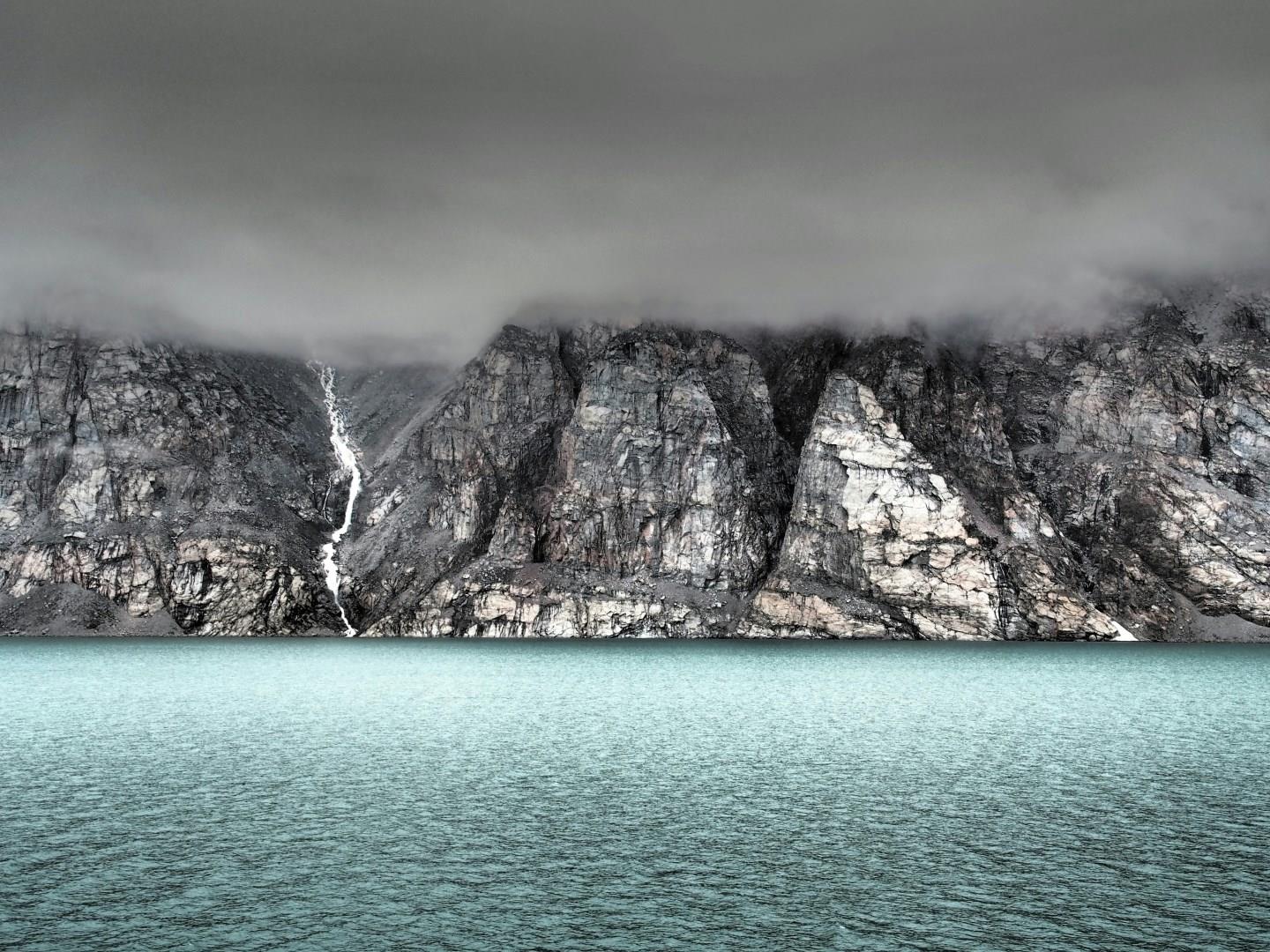
Baffin Island
Baffin Island is Canada’s largest island and one of the Arctic’s most imposing landscapes, shaped by ice, migration, and long human presence. Inuit communities have lived here for thousands of years, developing deep connections to sea ice, wildlife, and seasonal movement.
