
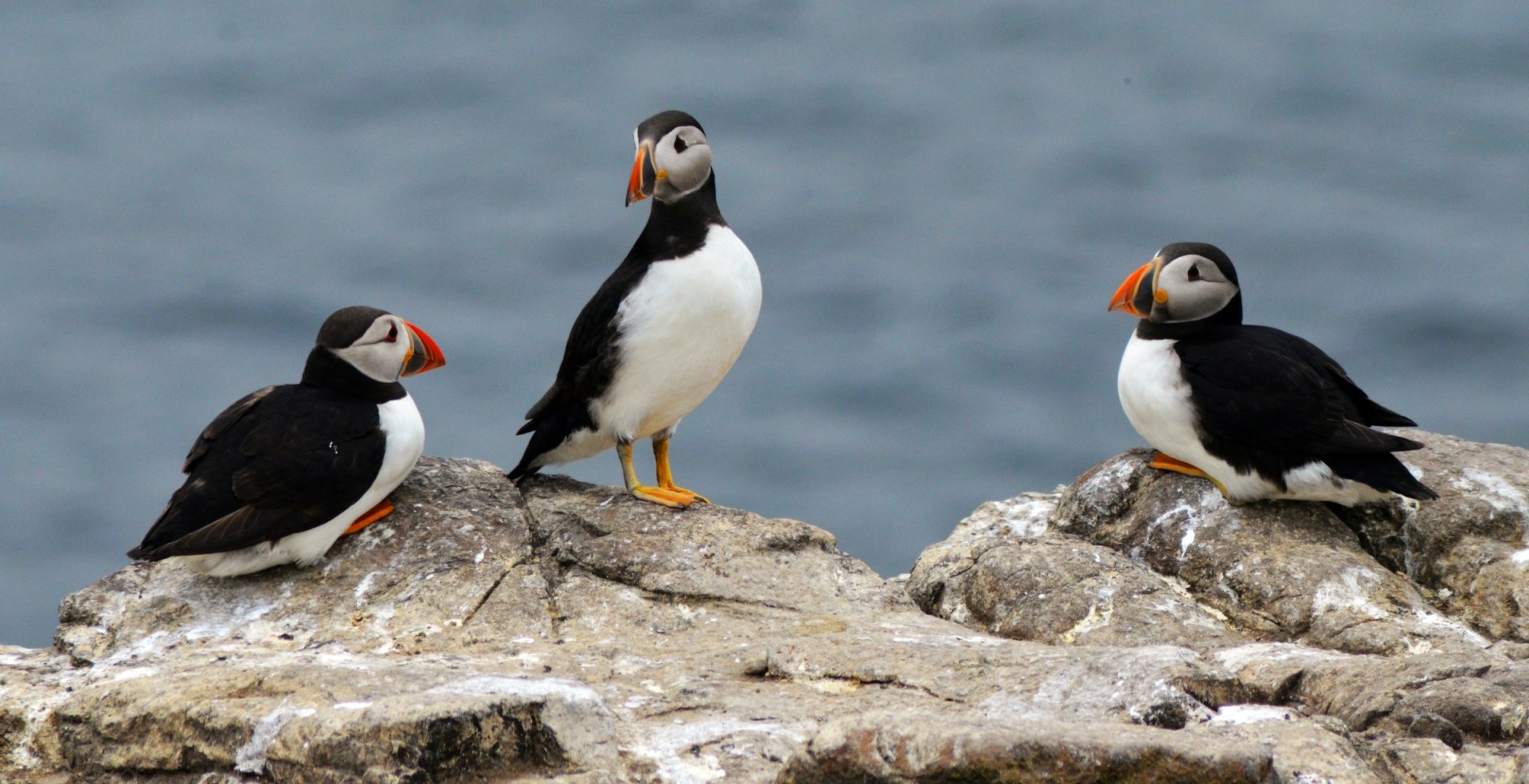
Farne Islands
The Farne Islands are a group of rocky islands off the Northumberland coast in northeast England, separated from the mainland by the waters of the North Sea. The archipelago consists of the Inner and Outer Farne Islands and is known for its exposed cliffs, sea caves, rocky shores, and internationally important wildlife colonies. The islands have no permanent population and are reached by boat from nearby Seahouses.
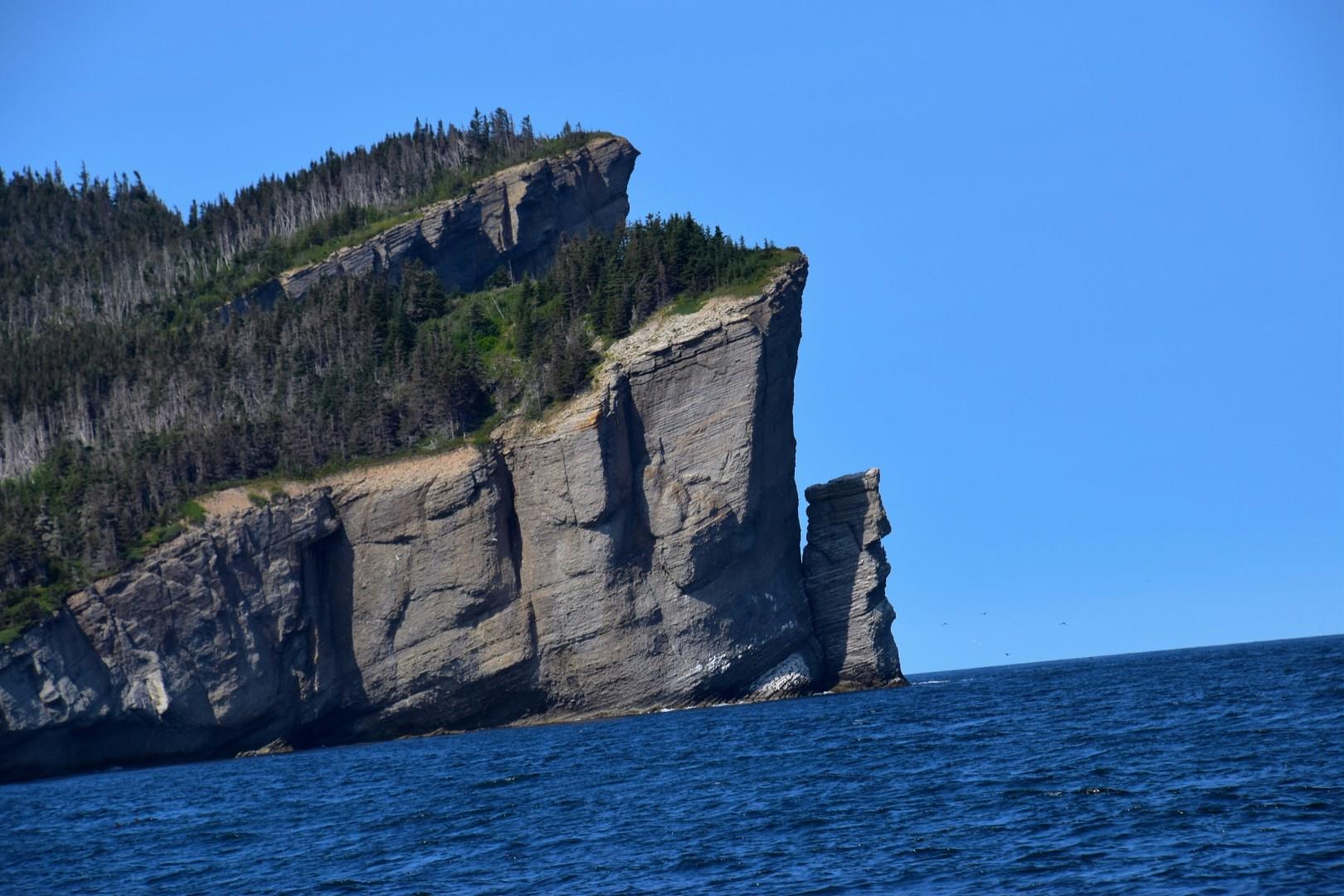
Gaspe
Gaspé sits at the eastern tip of the Gaspé Peninsula in Québec, where the St. Lawrence River opens into the Gulf and the land feels distinctly maritime.

Dominica
Dominica, known as the “Nature Island of the Caribbean,” is a haven for eco-tourists and adventure seekers. Nestled between the French islands of Guadeloupe and Martinique, this lush island boasts a remarkable landscape of volcanic mountains, dense rainforests, and stunning waterfalls. Dominica’s most iconic natural wonder is the Boiling Lake, the second-largest hot spring in the world.
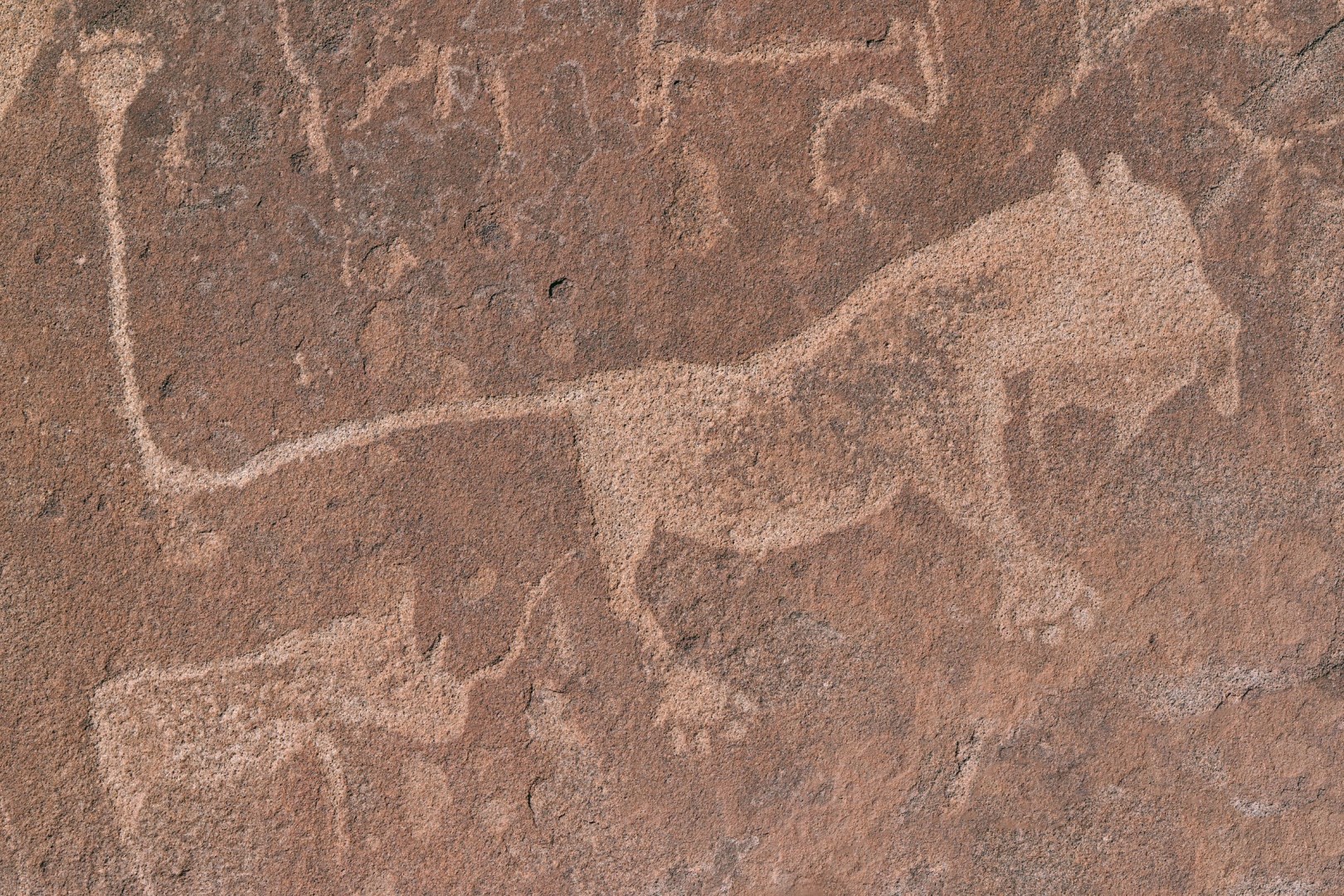
Twyfelfontein
Twyfelfontein is a cultural heritage site in the rugged Damaraland region of northwestern Namibia, known for one of Africa’s largest concentrations of ancient rock engravings. The site lies among sandstone cliffs, dry valleys, and open plains where water is scarce and vegetation is adapted to arid conditions. Twyfelfontein or /Ui-//aes is recognized as a UNESCO World Heritage Site because of its extensive collection of engravings and painted rock shelters
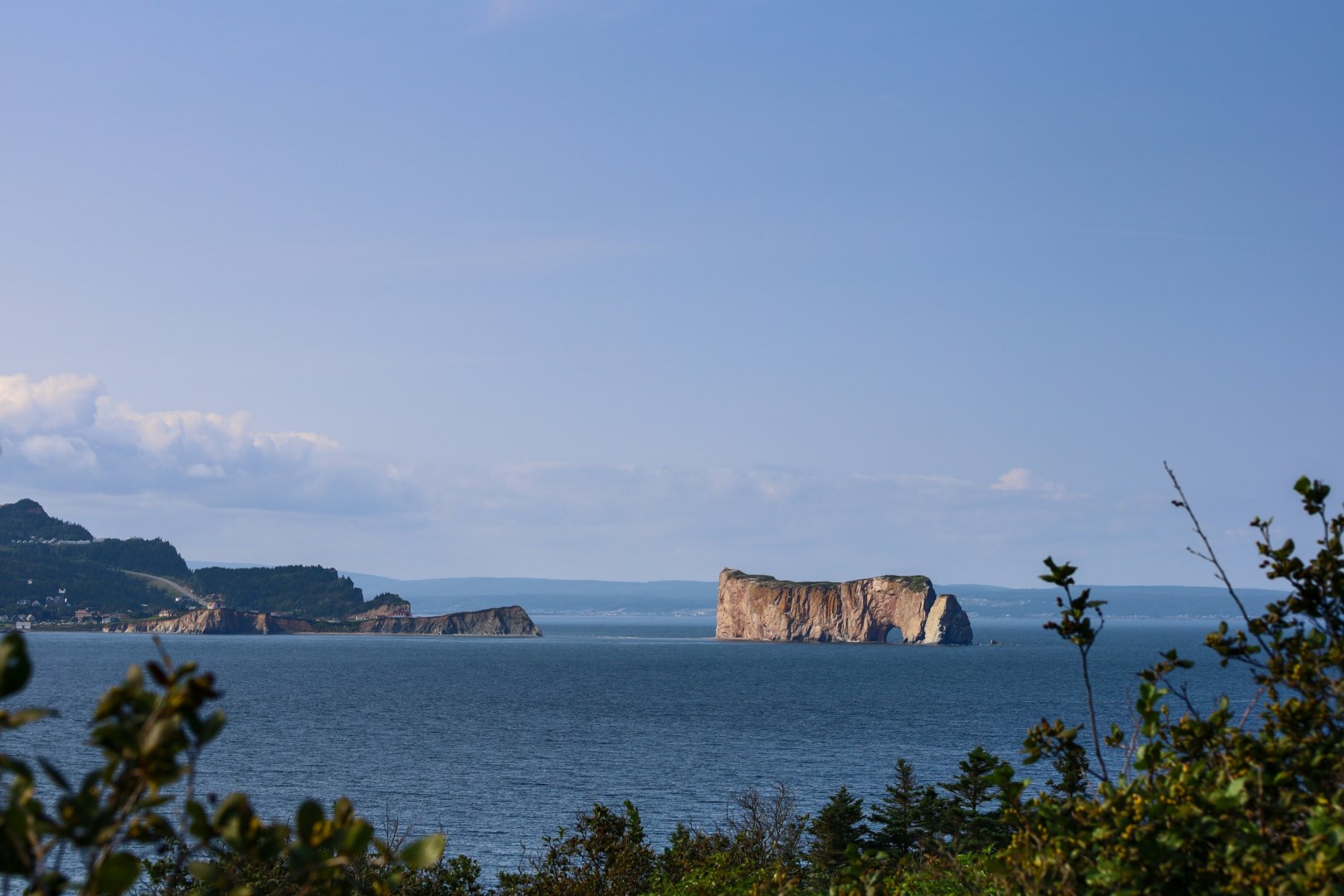
Île Bonaventure
Bonaventure Island is a small island off the coast of Percé in Quebec's Gaspésie region, within the Parc national de l'Île-Bonaventure-et-du-Rocher-Percé. Surrounded by the Gulf of St. Lawrence, the island combines coastal cliffs, forests, meadows, rocky shorelines, and open sea. Its best-known feature is its large colony of Northern Gannets, one of the world's largest and most accessible colonies of the species.
