

Iceland
Iceland, a land of extraordinary contrasts and natural wonders, offers an experience unlike any other. Its dramatic landscapes are defined by active volcanoes, geysers, and sprawling glaciers, all set against a backdrop of ethereal Northern Lights. A must-see is the Golden Circle, a popular route encompassing the Thingvellir National Park, the geothermal area of Geysir, and the majestic Gullfoss waterfall.
Karnak
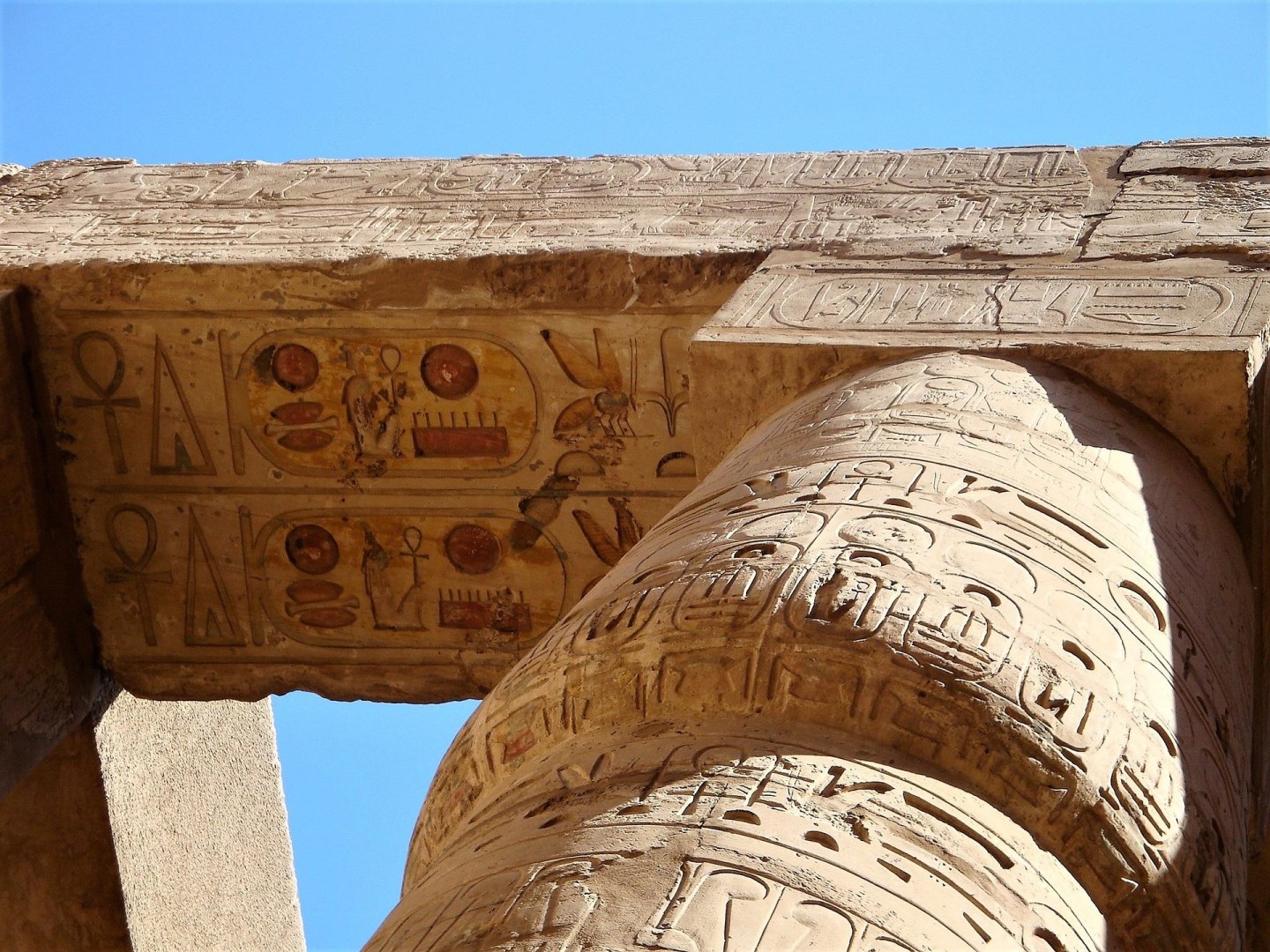
Karnak Temple is a huge, open air complex and, after the Giza Pyramids, the second most visited historical place in Egypt. The largest religious building ever constructed, it sits on 200 acres—a true wonder of the world. Decayed pylons, chapels and temples make up this unmissable historical attraction near Luxor.
Monopoli
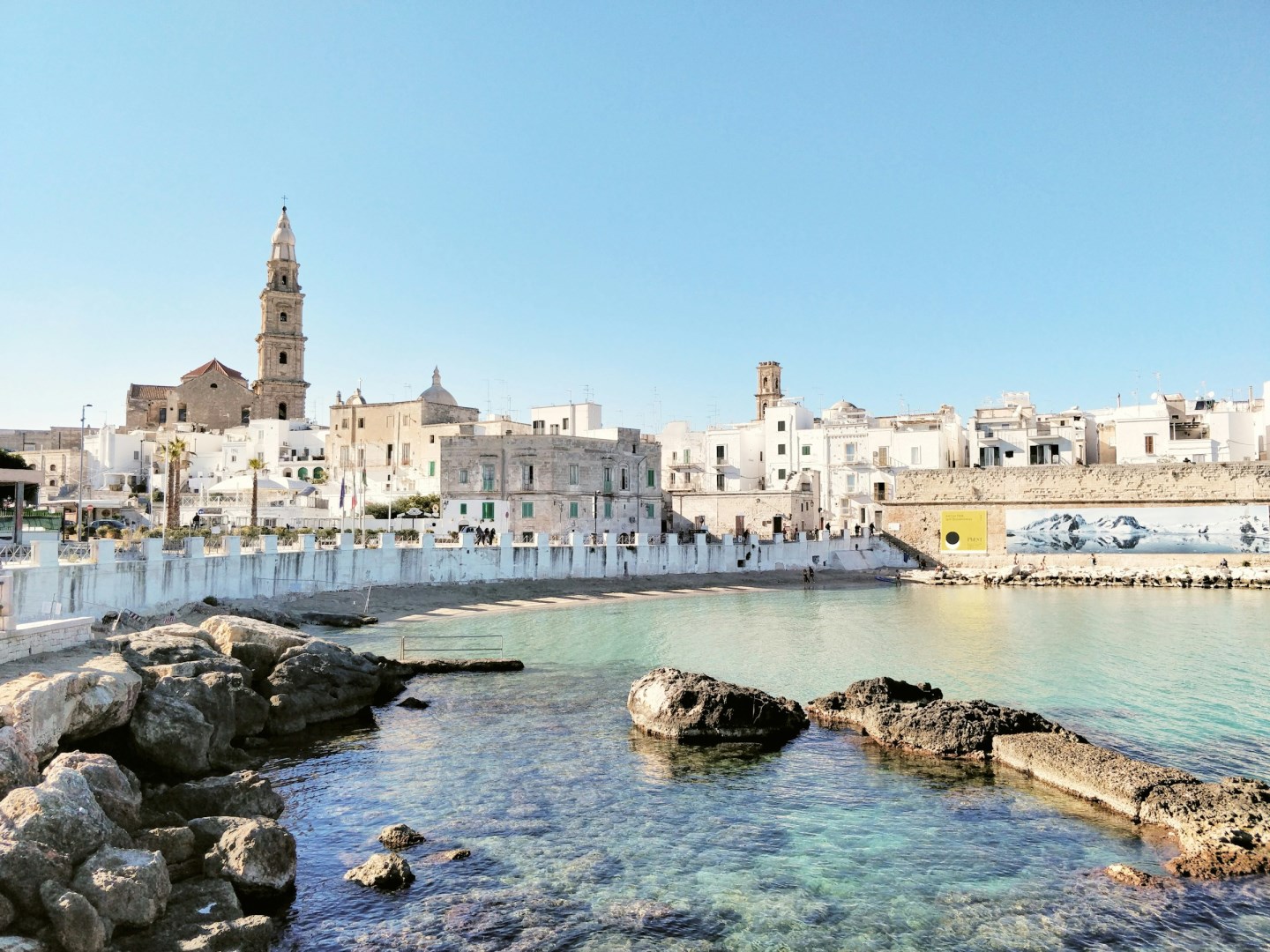
Monopoli is a coastal town in Puglia, on the Adriatic Sea, with a historic center built around a small natural harbor. Its old town is enclosed by defensive walls and bastions, while narrow lanes lead between whitewashed houses, churches, courtyards, and small squares. The waterfront remains closely connected to local life, with fishing boats gathered around the harbor and beaches extending along the coast outside the historic center.

Villefranche-sur-Mer
Set in the heart of one of the world's most beautiful bays, Villefranche-sur-Mer sits on the steps of a natural amphitheater - the terraced hills of the Riviera - gazing out over the sea. The plentiful sunshine of the Côte d'Azur, reflected in the enclosed bay, has given Villefranche-sur-Mer a warmth and climate all of its own and its famous rich, exotic vegetation.
Vienna
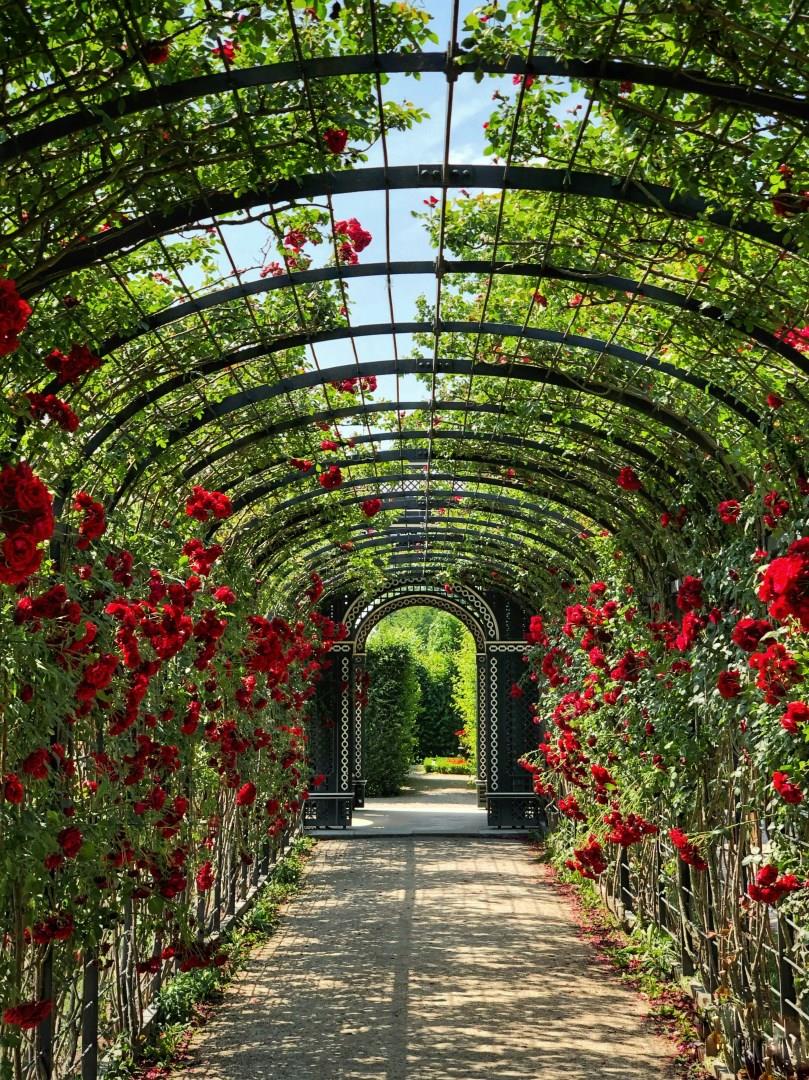
Vienna has a long memory. Once the capital of the Habsburg Empire, the city still carries signs of its imperial past in its palaces, concert halls, and wide boulevards. Visitors can walk through the Hofburg complex, where emperors once ruled, or tour the opulent rooms of Schönbrunn Palace, which features 1,441 rooms and a maze in its gardens. But Vienna’s many historic buildings now house contemporary art museums, cafés, and institutions that reflect the city’s modern identity.
