
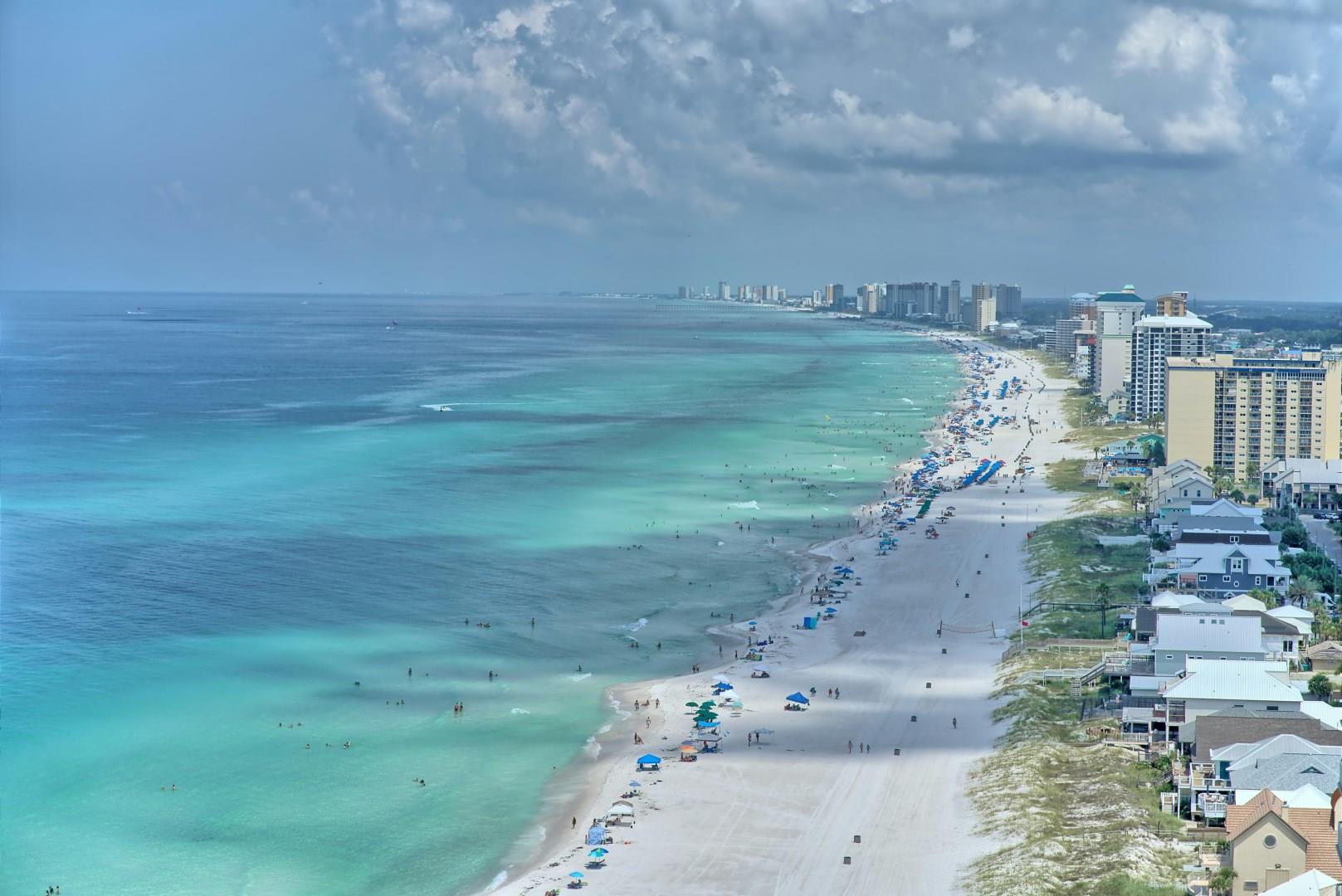
Panama City
Panama City, Florida, sits along the Gulf Coast where maritime history and modern beach culture intersect. Originally tied to shipbuilding and fishing, the city developed around St. Andrews Bay, which still anchors local identity through working marinas and long-established neighborhoods.
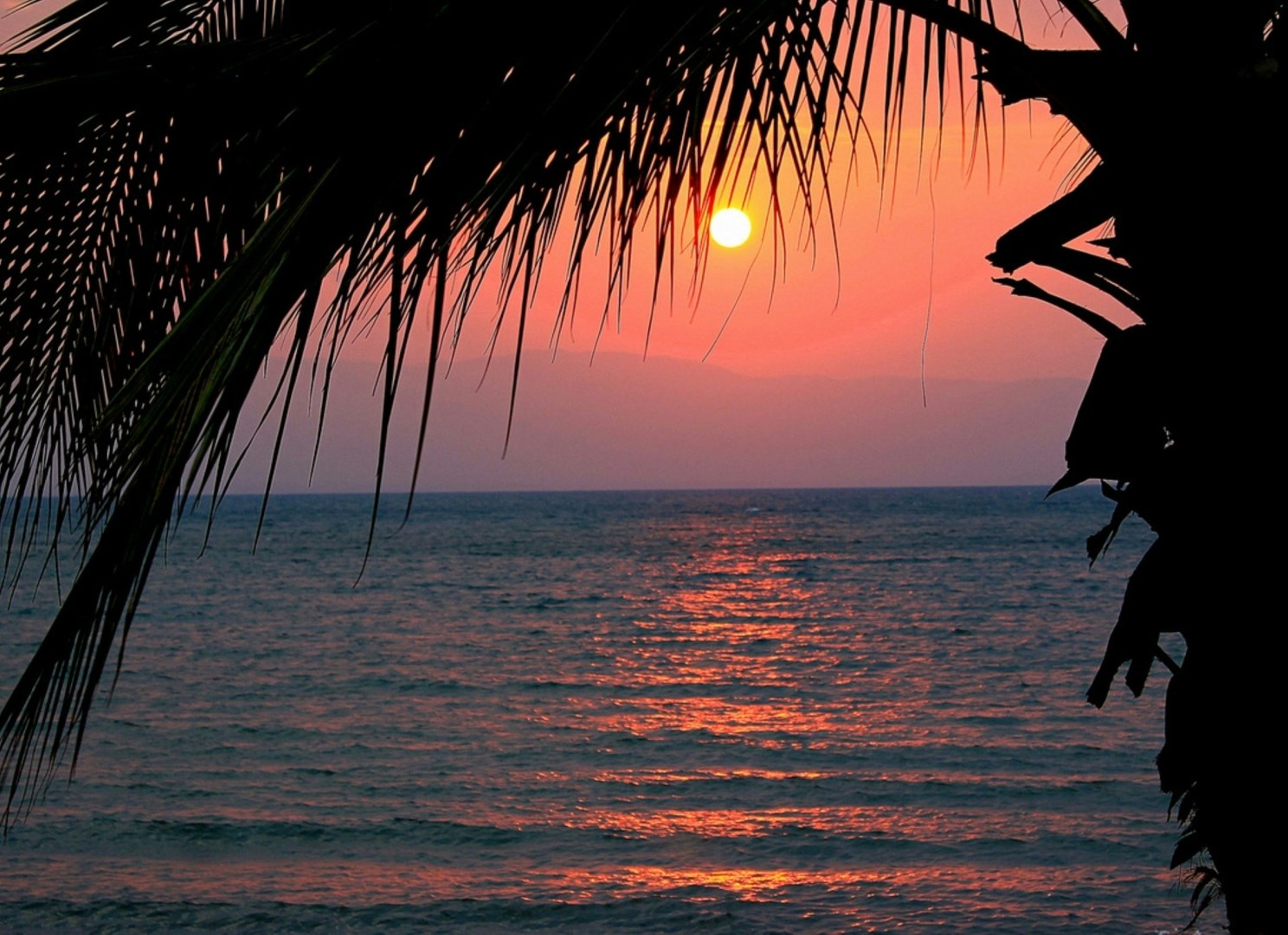
Lake Malawi
Lake Malawi - The Lake of Stars - is an immense inland sea of fresh, crystal clear water in which tropical fish abound. Its shores and the deserted islands which dot its surface are home to a variety of game and an abundance of exotic birdlife. Local fishermen leisurely paddle their traditional "mokoros", or dugouts, across its expanse, and the sun drenched serenity is but enhanced by the shriek of a Fish Eagle or the grunting of distant hippo.

Salt Lake City
The capital of Utah, Salt Lake City is a spectacular destination set amid the Wasatch Mountains. Ski resorts and a wealth of outdoor activities can be found here, along with performing arts, breweries and fine dining.
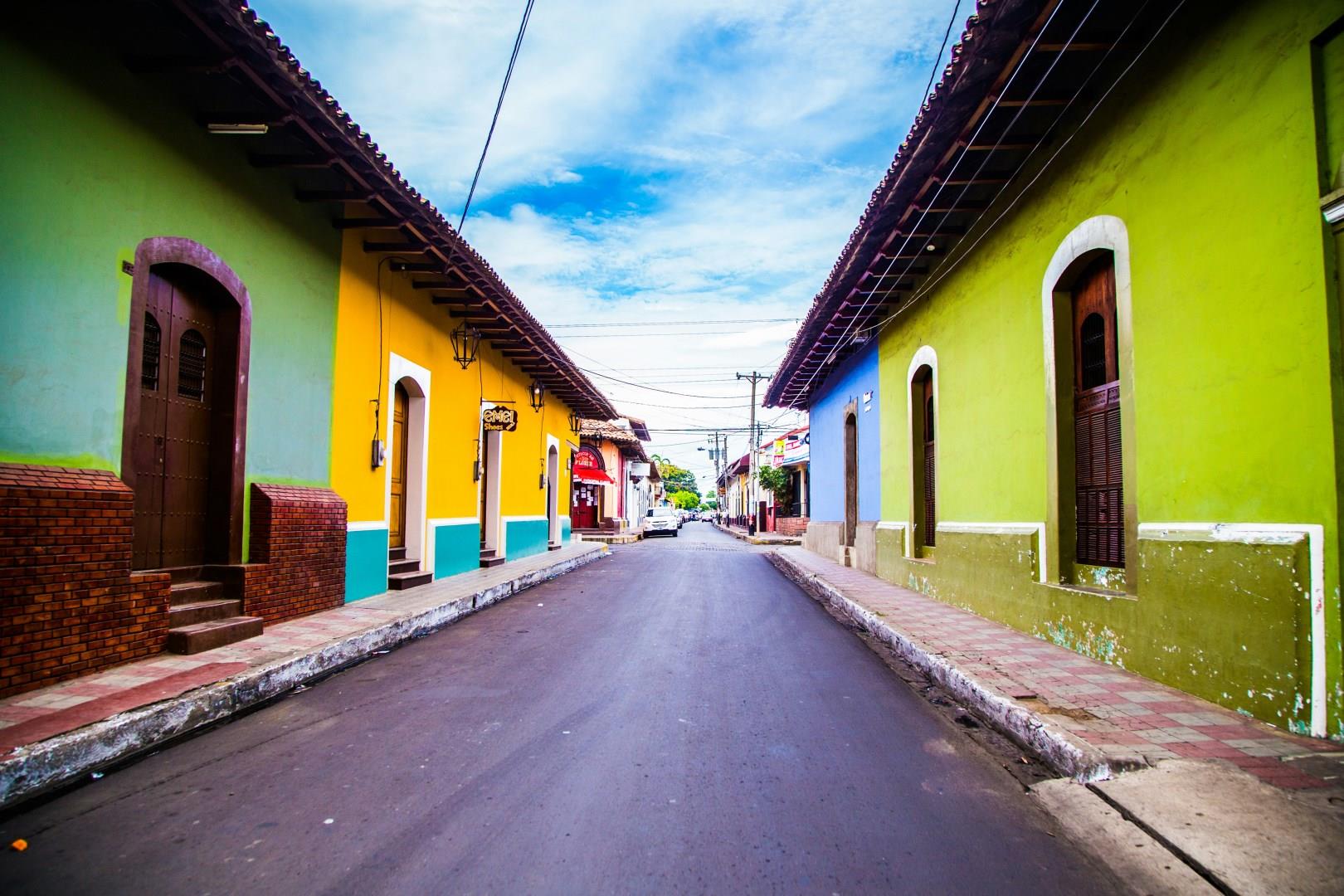
León
León, Nicaragua serves as the country’s capital for more than two centuries and still feels like the intellectual and political heart of Nicaragua. The city is known for its revolutionary past, visible in murals that stretch across building walls, telling stories of resistance, poets, and everyday citizens. The Cathedral of León, the largest in Central America and a UNESCO World Heritage Site, dominates the central square.
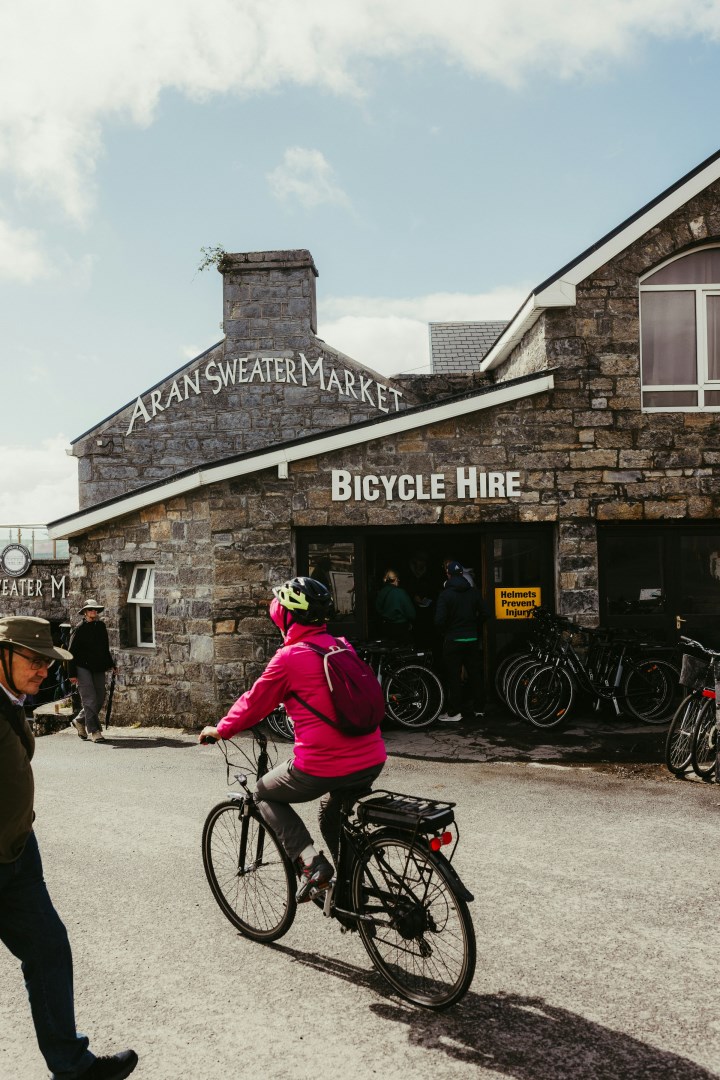
Aran Islands
The Aran Islands lie at the mouth of Galway Bay on Ireland’s west coast and comprise three inhabited islands: Inis Mór, Inis Meáin, and Inis Oírr. Their landscapes are defined by limestone terraces, stone walls, small fields, sea cliffs, and exposed coastal ground shaped by Atlantic weather. The islands are known for their distinctive dry-stone walls, which divide much of the farmland into small plots.
