

Olympia
Situated on Peloponnese peninsula's Western side, Olympia has the distinction of being one of Greece's most significant archaeological sites.
Drakensberg
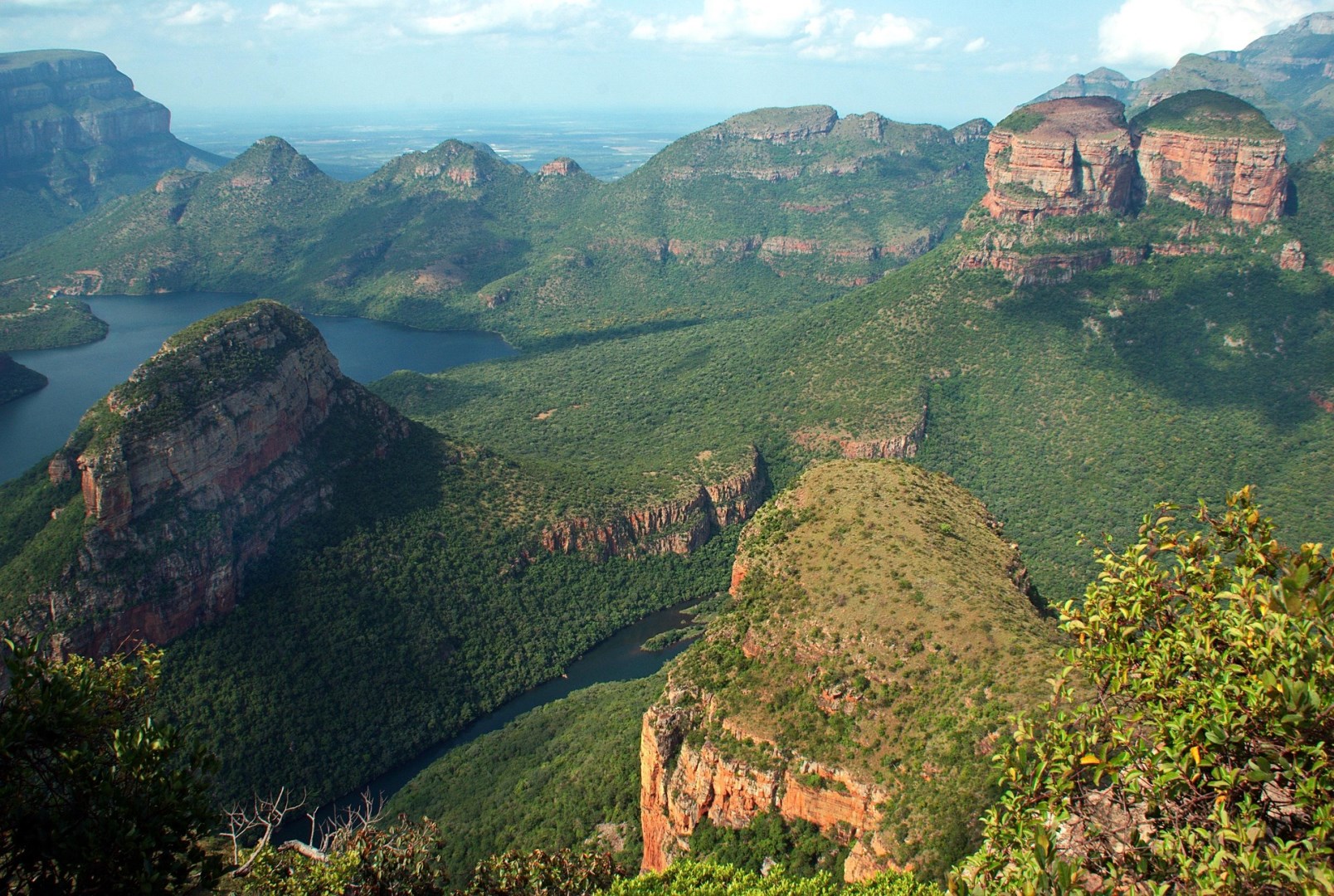
Drakensberg in Lesotho forms part of the country’s dramatic highland landscape, where steep mountains, deep valleys, and high plateaus dominate the scenery. The range is especially prominent in the eastern part of Lesotho, with peaks rising above broad upland areas and remote settlements. The Maloti Mountains, as they are known within Lesotho, are closely linked to the country’s geography and way of life. Much of the highland terrain is covered by grassland, while rivers and streams cut through

Cayo Santa Maria
Cayo Santa María is a small island off the north coast of Cuba, part of the Jardines del Rey archipelago in Villa Clara Province. It is connected to the mainland by a causeway crossing the shallow waters of the Bahía de Buenavista. The island is known for white-sand beaches, clear Caribbean water, coastal lagoons, mangroves, and low limestone terrain.

Kamloops
Kamloops, located in the interior of British Columbia, sits at the meeting point of the North and South Thompson Rivers. The name comes from the Secwépemc word “Tk’emlúps,” meaning "where the rivers meet," and the area has been a gathering place for Indigenous communities for thousands of years. Today, visitors can explore this rich cultural heritage at the Secwépemc Museum and Heritage Park, where trails lead through archaeological sites and reconstructed pit houses.
Copacabana
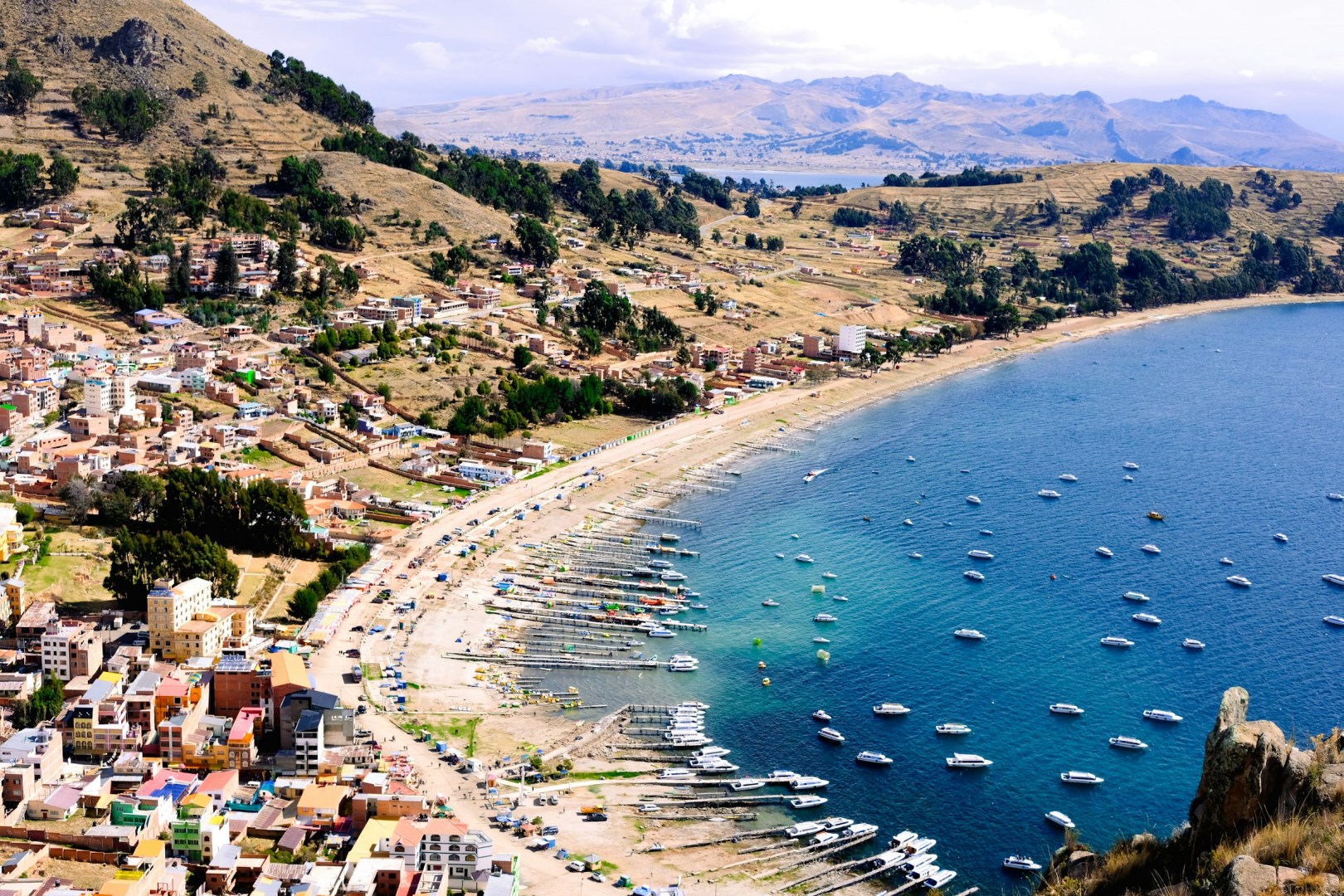
Copacabana is a lakeside town in western Bolivia, situated on the shores of Lake Titicaca near the Peruvian border. Its setting between the lake and the surrounding hills gives it a distinctive highland landscape, with views extending across the deep blue waters toward the distant mountains. Copacabana is one of Bolivia’s main gateways to Lake Titicaca and serves as a starting point for boat trips to Isla del Sol and nearby islands.
