
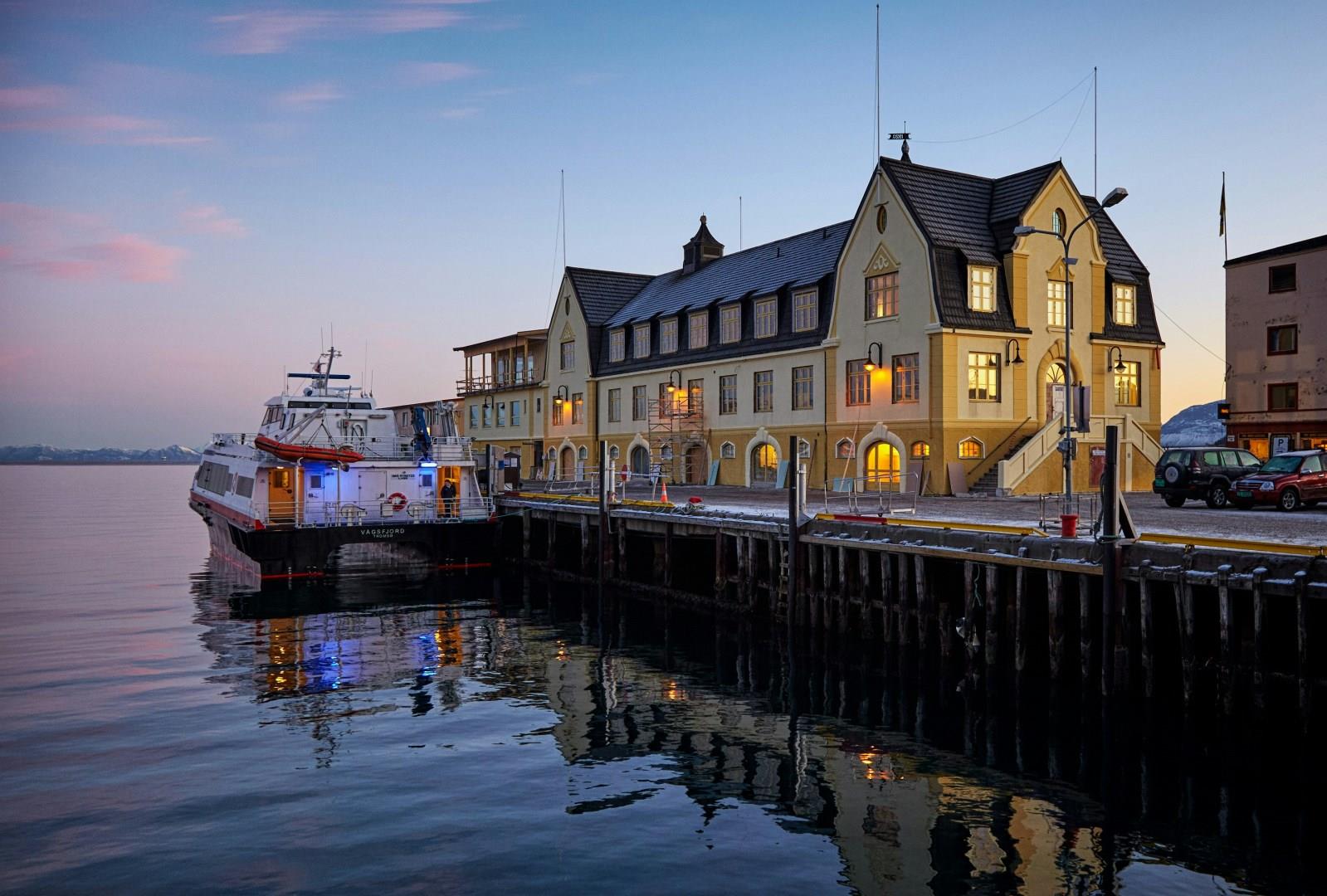
Harstad
Harstad is a coastal town in northern Norway, located on Hinnøya, the country’s largest island, and overlooking the strategic waters of Vågsfjorden. Its history spans from Viking settlements to modern fishing and shipping, giving the town a blend of maritime heritage and regional importance.
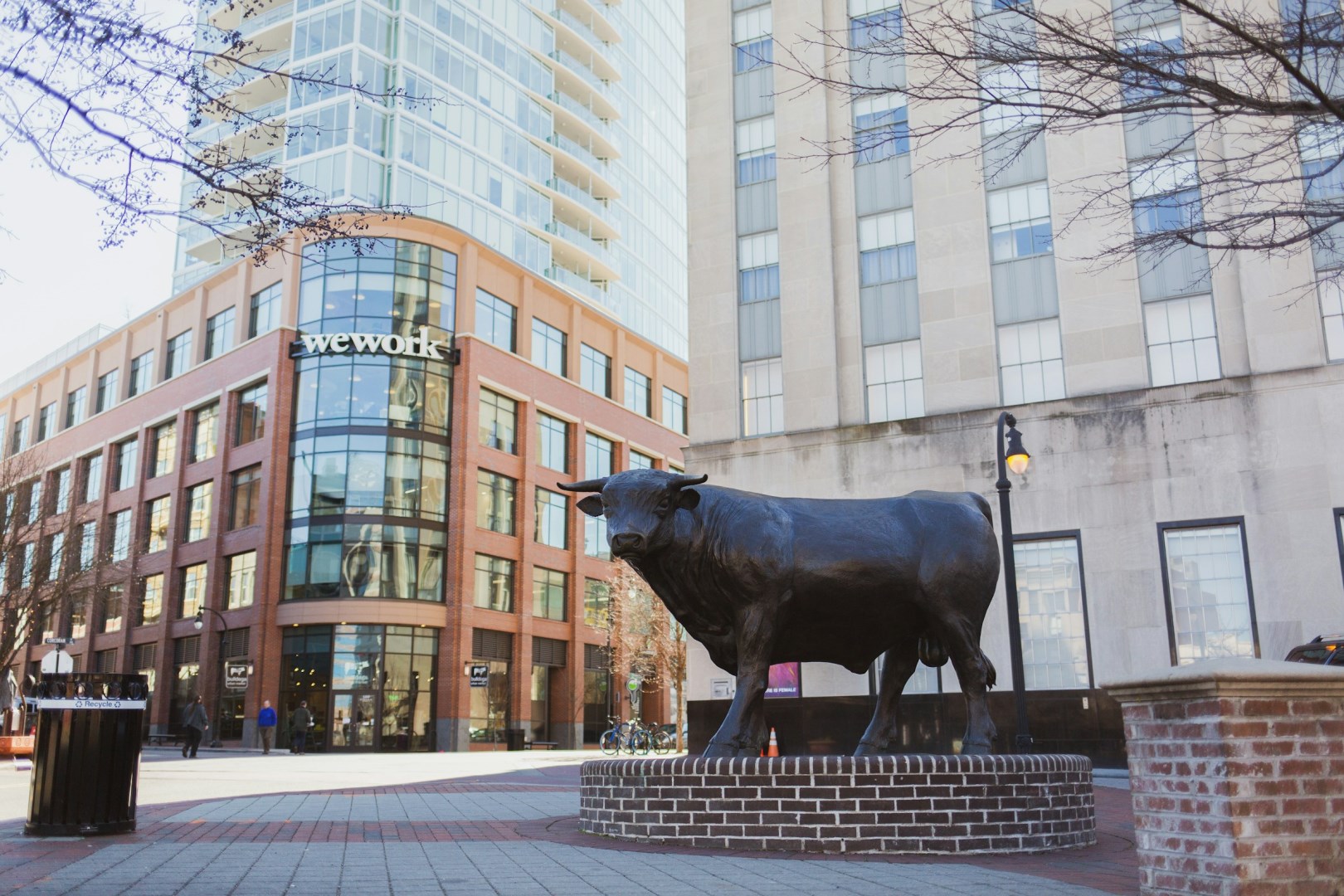
Durham
More than 5.5 million people visit Durham each year to enjoy a wealth of things to see and do including historical landmarks and sites, art centers and museums, nationally-recognized festivals and sports events.
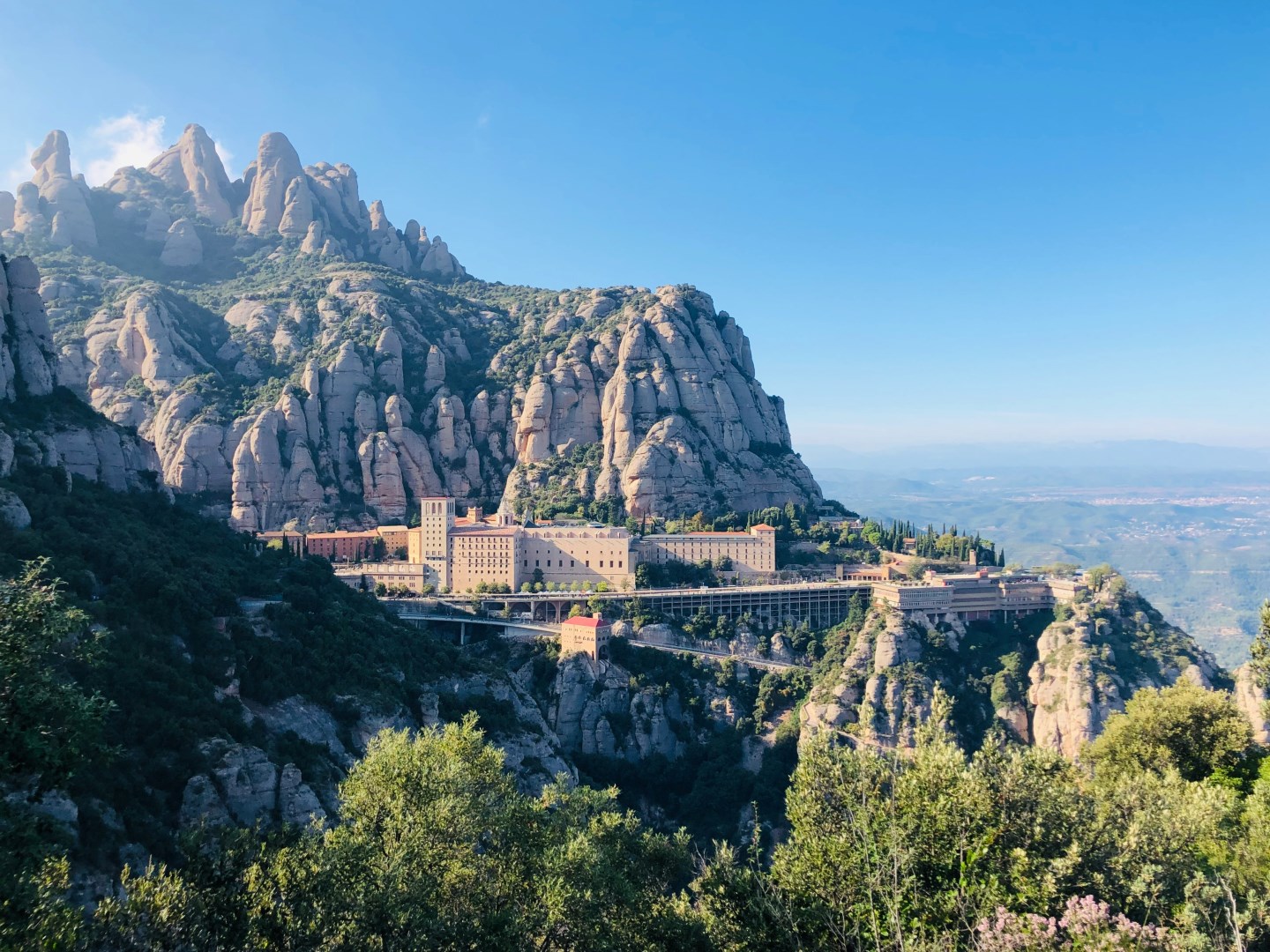
Montserrat
Montserrat Mountain rises sharply from the plains of Catalonia, its jagged rock shapes visible from far away. The mountain is known for its unusual rounded peaks and narrow ridges, formed into striking forms that look almost carved by hand. Trails and cable cars lead visitors upward from nearby villages such as Monistrol de Montserrat, where the climb quickly reveals wide views across the region, stretching toward Barcelona on clear days.
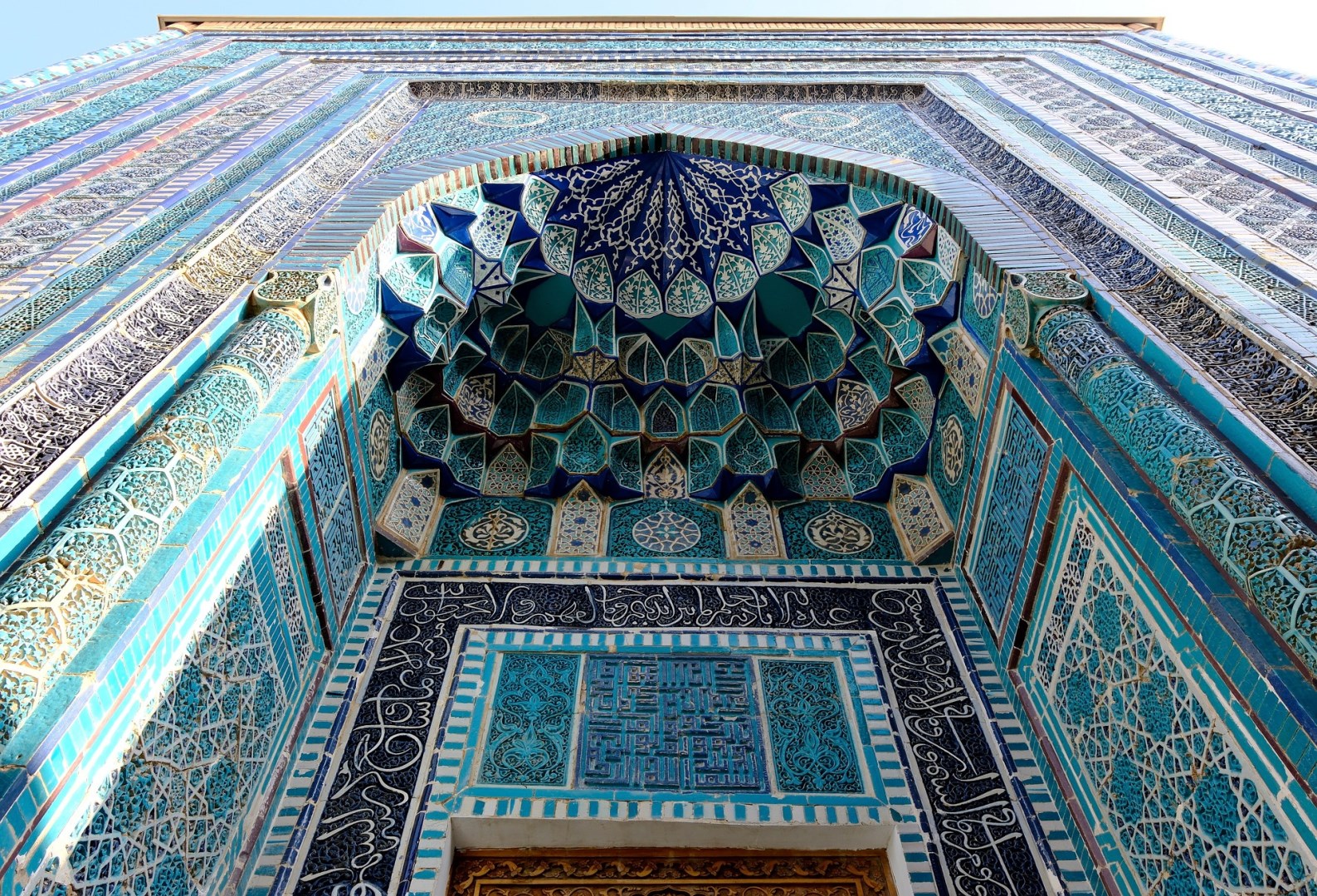
Tashkent
Tashkent, the capital of Uzbekistan, lies at the crossroads of Central Asia and has long been a hub of culture, trade, and political life. Its history stretches back over two millennia, shaped by Persian, Mongol, and Russian influences.
Culloden
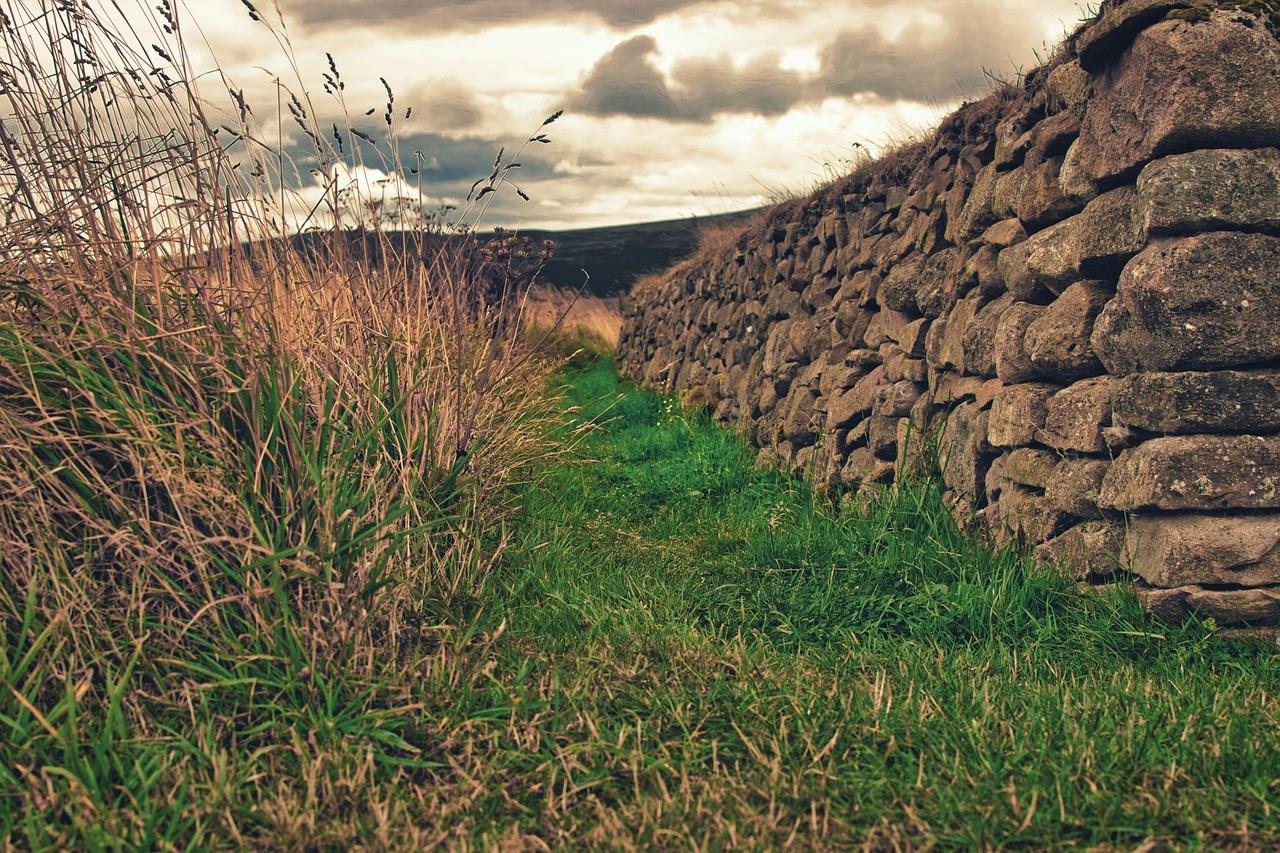
Culloden, located just outside Inverness in the Scottish Highlands, is the site of one of the most significant and sobering moments in Scotland’s history. On April 16, 1746, the Battle of Culloden marked the violent end of the Jacobite uprising led by Charles Edward Stuart, better known as Bonnie Prince Charlie. In under an hour, the hopes of restoring the Stuart monarchy were crushed by government forces.
