

Skagen
Skagen, Denmark, is a picturesque coastal town where the North Sea meets the Baltic Sea, offering visitors a unique natural experience unlike any other. Known for its stunning light, which has attracted artists for centuries, Skagen is a place where art, nature, and history converge in perfect harmony.
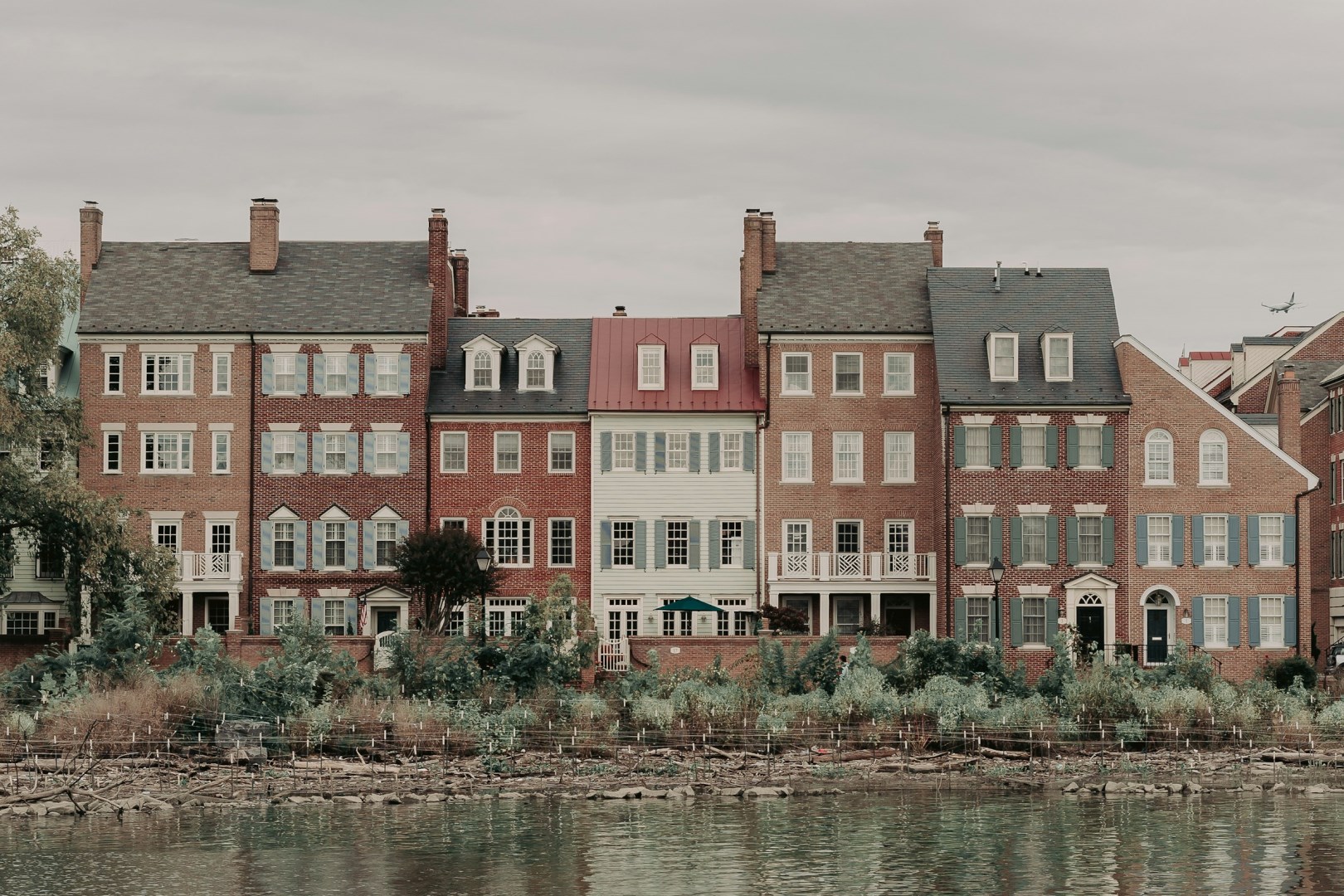
Alexandria
Alexandria is an unique and historic place that keeps pace with the modern world. The City is part of a large metropolitan area surrounding the nation's Capital, yet it has retained its period character. About one-quarter of the town's 15 square miles has been designated as a national or local historic district.

Vis
Vis, a charming island city in Croatia's Dalmatian region, offers a serene retreat with its blend of historical allure and natural beauty. Known for its historical significance, Vis boasts remnants of its Greek and Roman past, including the well-preserved fortifications and ancient ruins. The city itself is a captivating blend of Venetian and Austro-Hungarian architecture, with quaint streets and lovely waterfronts that invite leisurely exploration.
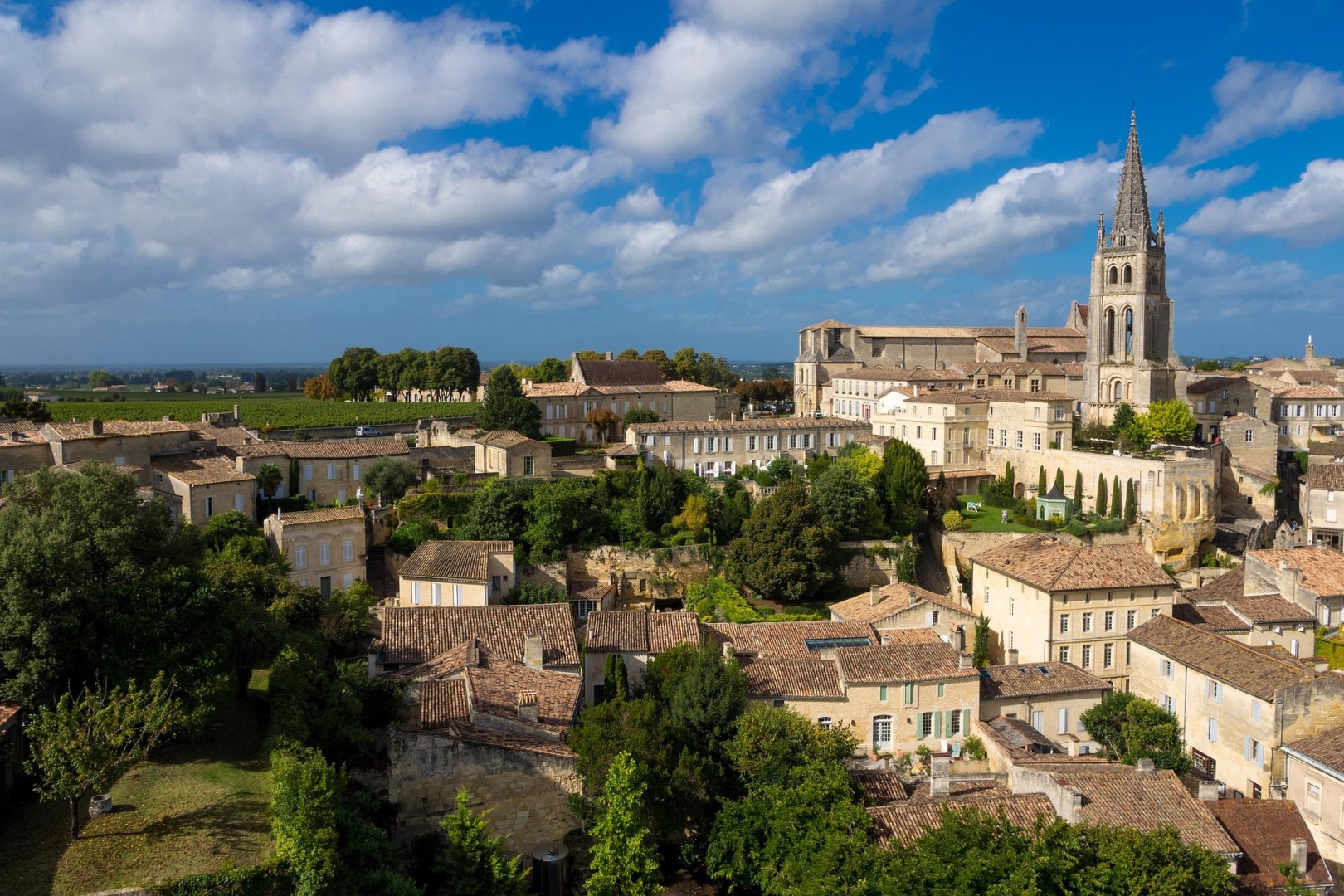
Saint-Émilion
Saint-Émilion, nestled in the heart of southwest France, is a living monument to centuries of craftsmanship, faith, and wine-making. Recognized as a UNESCO World Heritage Site since 1999, this medieval town sits on a limestone plateau surrounded by vineyards that date back to Roman times. Visitors can explore cobbled streets that wind past centuries-old stone houses, descend into underground catacombs carved by monks, and visit the astonishing Monolithic Church.
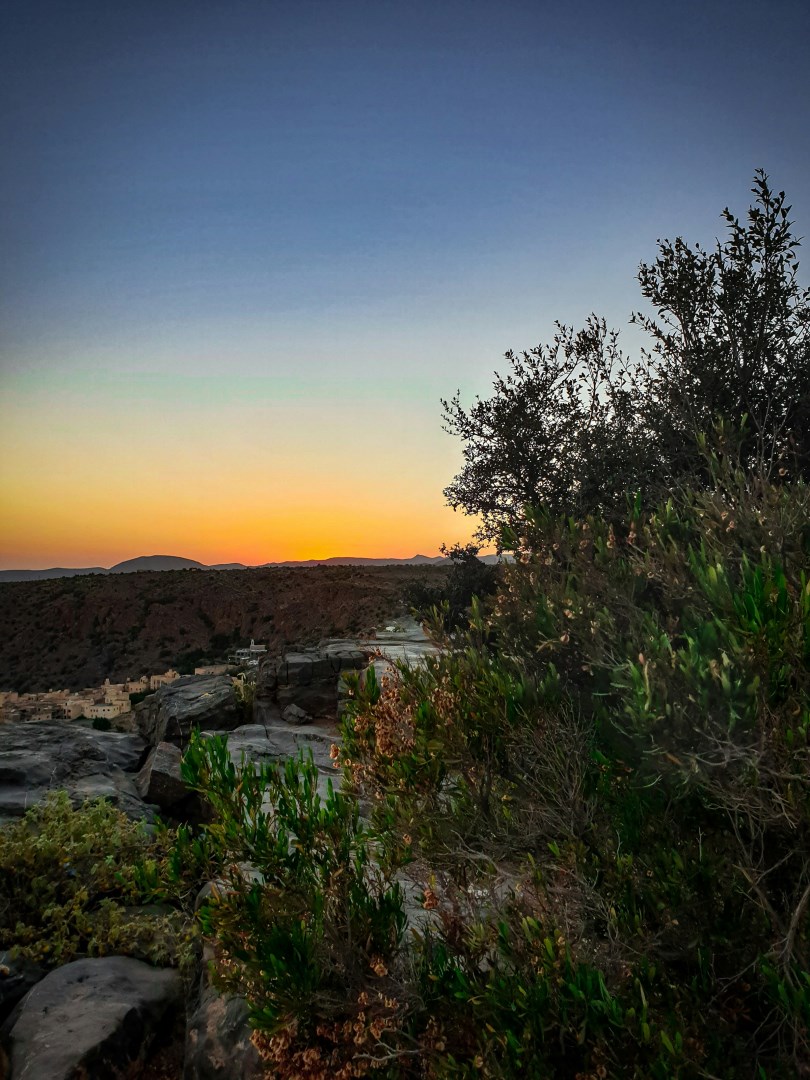
Jebel Akhdar
Jebel Akhdar, meaning “Green Mountain,” is a highland area within Oman's Al Hajar Mountains in Ad Dakhiliyah Governorate. The mountain rises to about 2,980 meters, with the Saiq Plateau located around 2,000 meters above sea level. Its cooler mountain climate supports terraced orchards, villages, and vegetation that differs from the dry lowlands below.
