
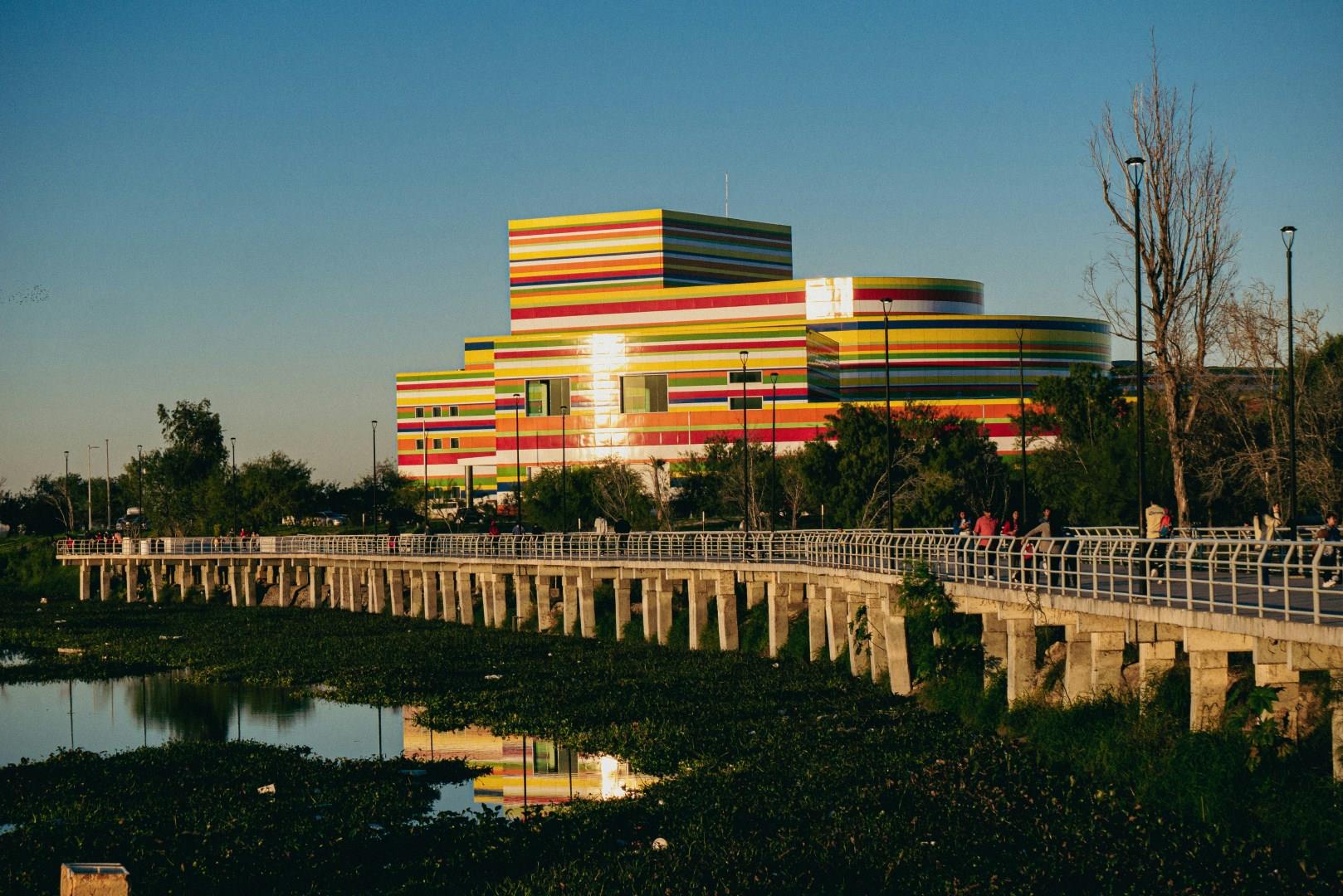
Reynosa
Reynosa, located along the northern border of Tamaulipas, is a city shaped by its position as a cultural and economic bridge between Mexico and the United States. Founded in 1749, Reynosa has grown into a vital manufacturing and trade center, but it also holds onto traditions that reflect both its regional roots and binational influences. The Plaza Principal is a popular gathering spot, often hosting live music and seasonal festivals.

Bonifacio Corsica
Bonifacio is located at the southernmost tip of the island of Corsica. The town towers above the "Bouches de Bonifacio" the strait between Corsica and Sardinia, above islands and reefs. Bonifacio has survived a unique history, founded in 833, and somehow has defied time and events.
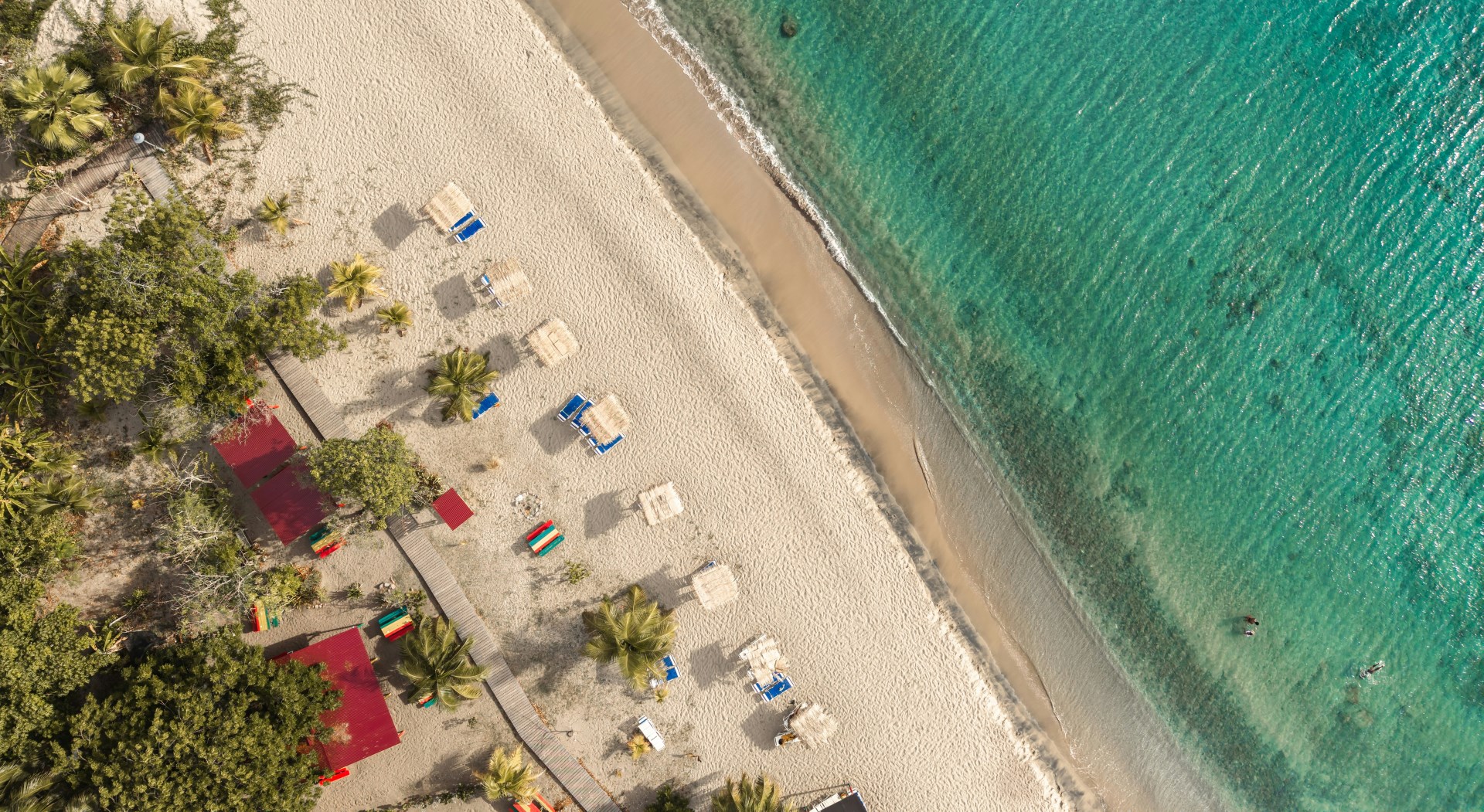
Charlestown
Charlestown is the historic capital of Nevis, located on the island’s west coast beside the Caribbean Sea. The compact town retains much of its Georgian-era layout, with low stone buildings, wooden houses, narrow streets, and a waterfront facing Saint Kitts across The Narrows. Charlestown also serves as an important ferry and water-taxi arrival point, connecting Nevis with neighbouring islands.
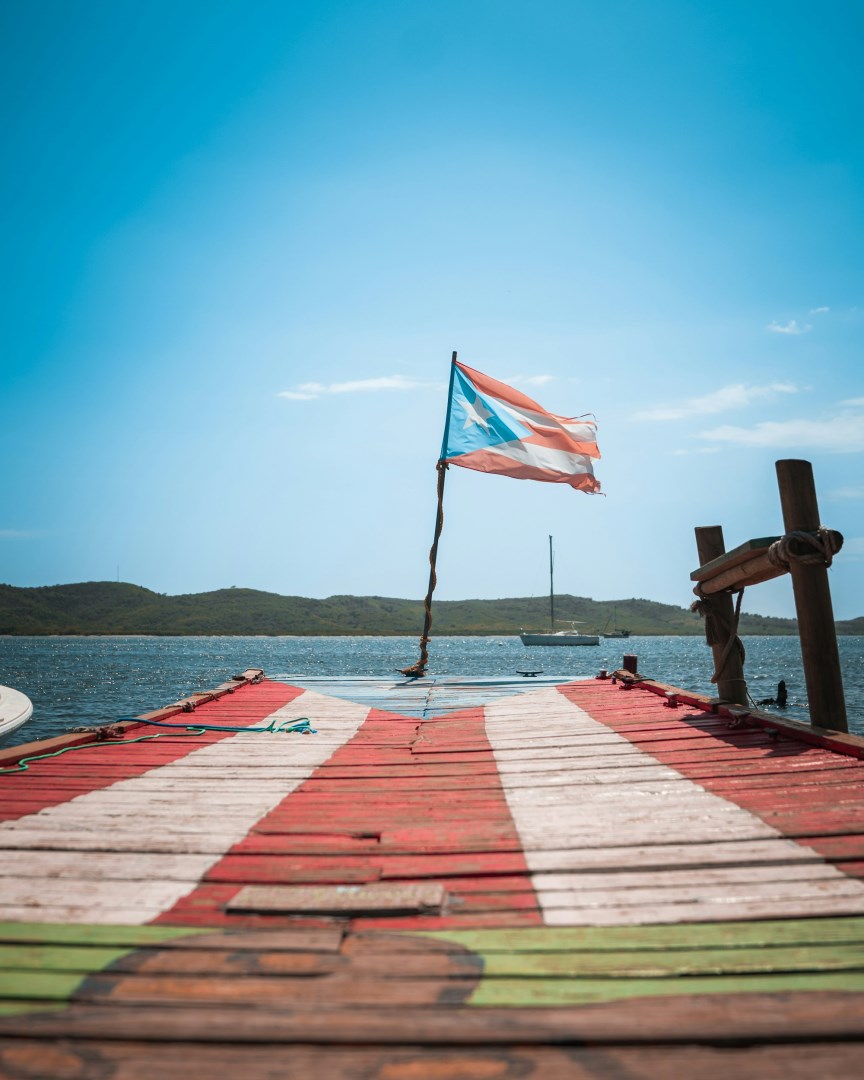
Cabo Rojo
Cabo Rojo, located on the southwestern coast of Puerto Rico, is a region of striking natural contrasts where salt flats, mangroves, and limestone cliffs meet the sparkling Caribbean Sea. Its most iconic feature is the Cabo Rojo Lighthouse perched on dramatic cliffs overlooking the ocean, offering panoramic views of turquoise waters and nearby beaches.

Soufriere
Soufriere sits on the southwest coast of St. Lucia, framed by steep hills and the twin Pitons that rise sharply from the sea. Once the island’s original capital, the town carries deep historical roots tied to colonial rivalries and the development of plantation culture.
