
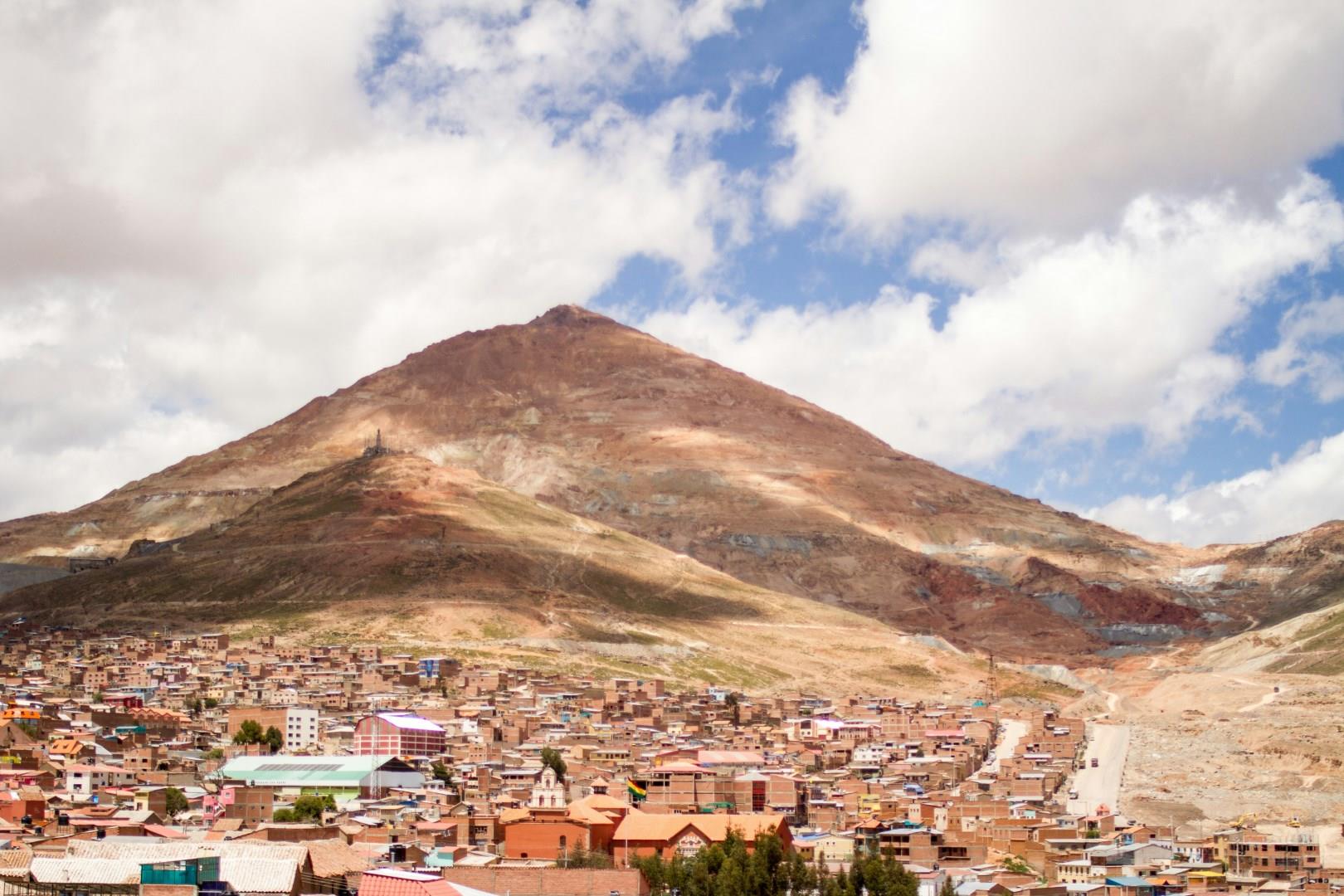
Potosi
Potosí rises on the Altiplano of southern Bolivia and for centuries it was one of the richest cities in the world because of what lies just beyond its streets. At the foot of Cerro Rico (“Rich Mountain”), silver was discovered in the mid-1500s, and within a few decades the city became a center of mining and wealth that shaped global trade and economies.
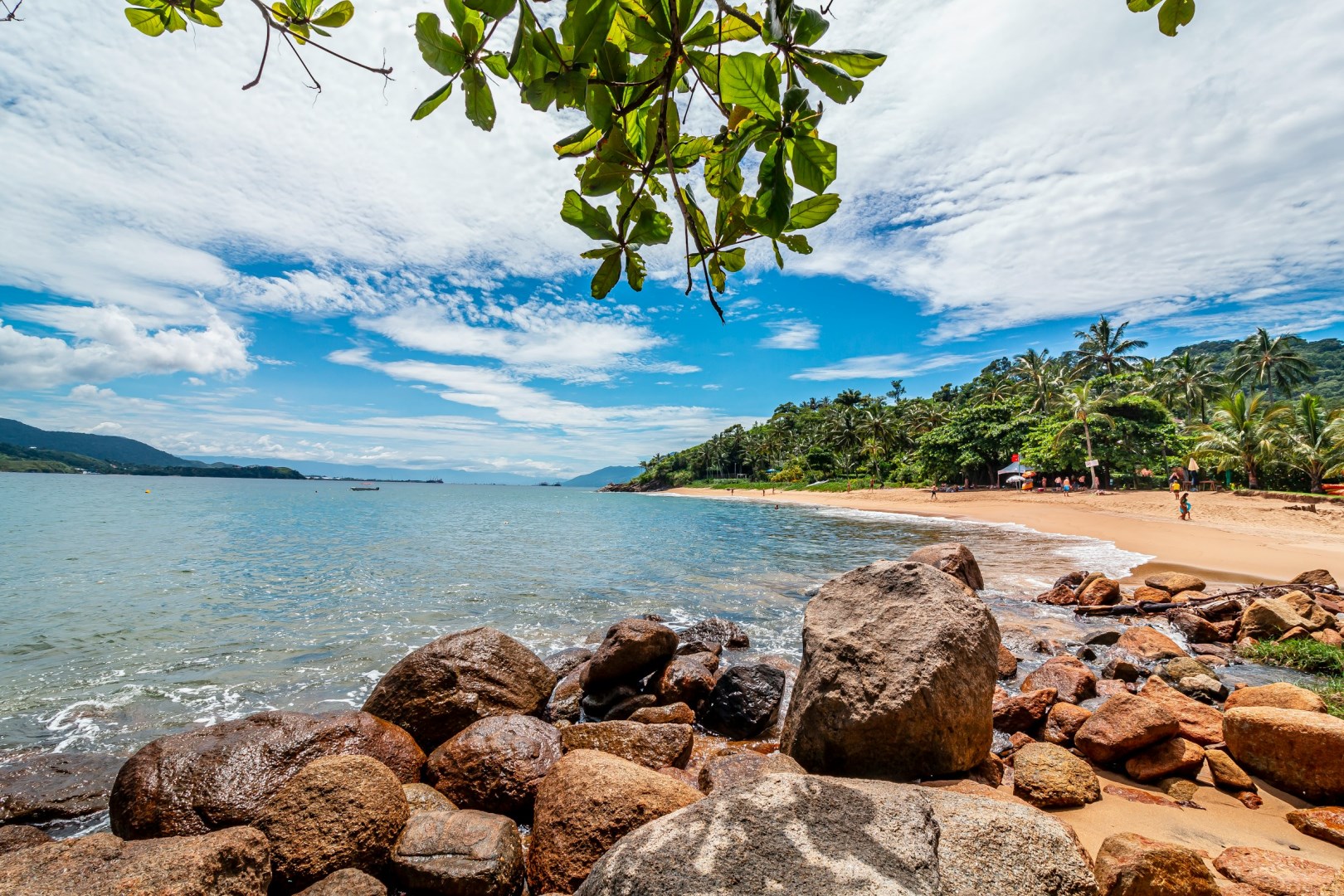
Ilhabela
Ilhabela is an archipelago municipality on the northern coast of São Paulo, separated from the mainland by the São Sebastião Channel. Its main island combines a developed coastal area with extensive Atlantic Forest, while smaller islands and islets form part of the same municipality. The town is known for sailing, beaches, waterfalls, and maritime activities, and it holds the official title of National Capital of Sailing.
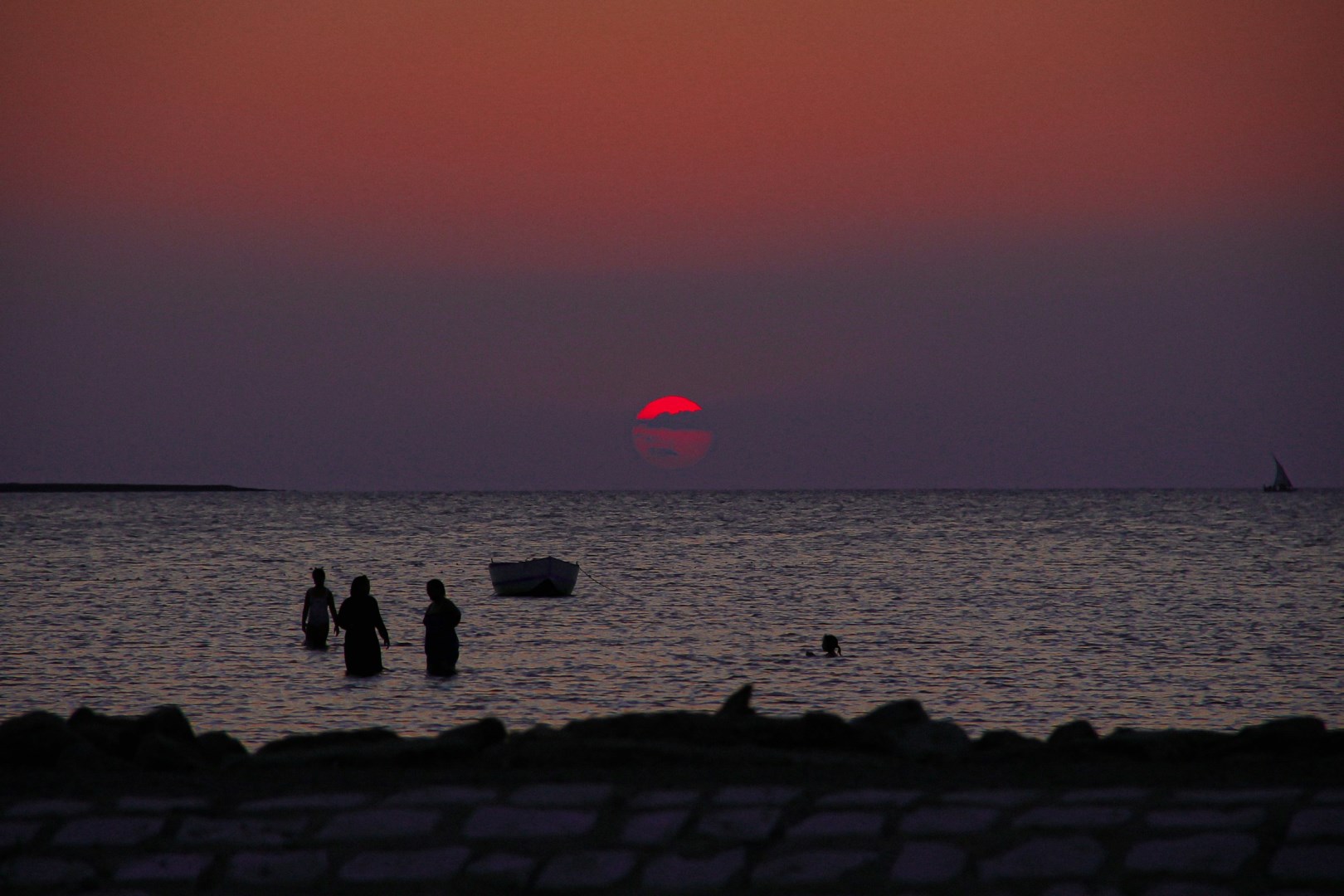
Sfax
Sfax is a major port city on Tunisia’s eastern Mediterranean coast and the principal urban centre of the country’s south-central region. Its character is closely connected with commerce, agriculture, fishing and maritime trade rather than resort development.
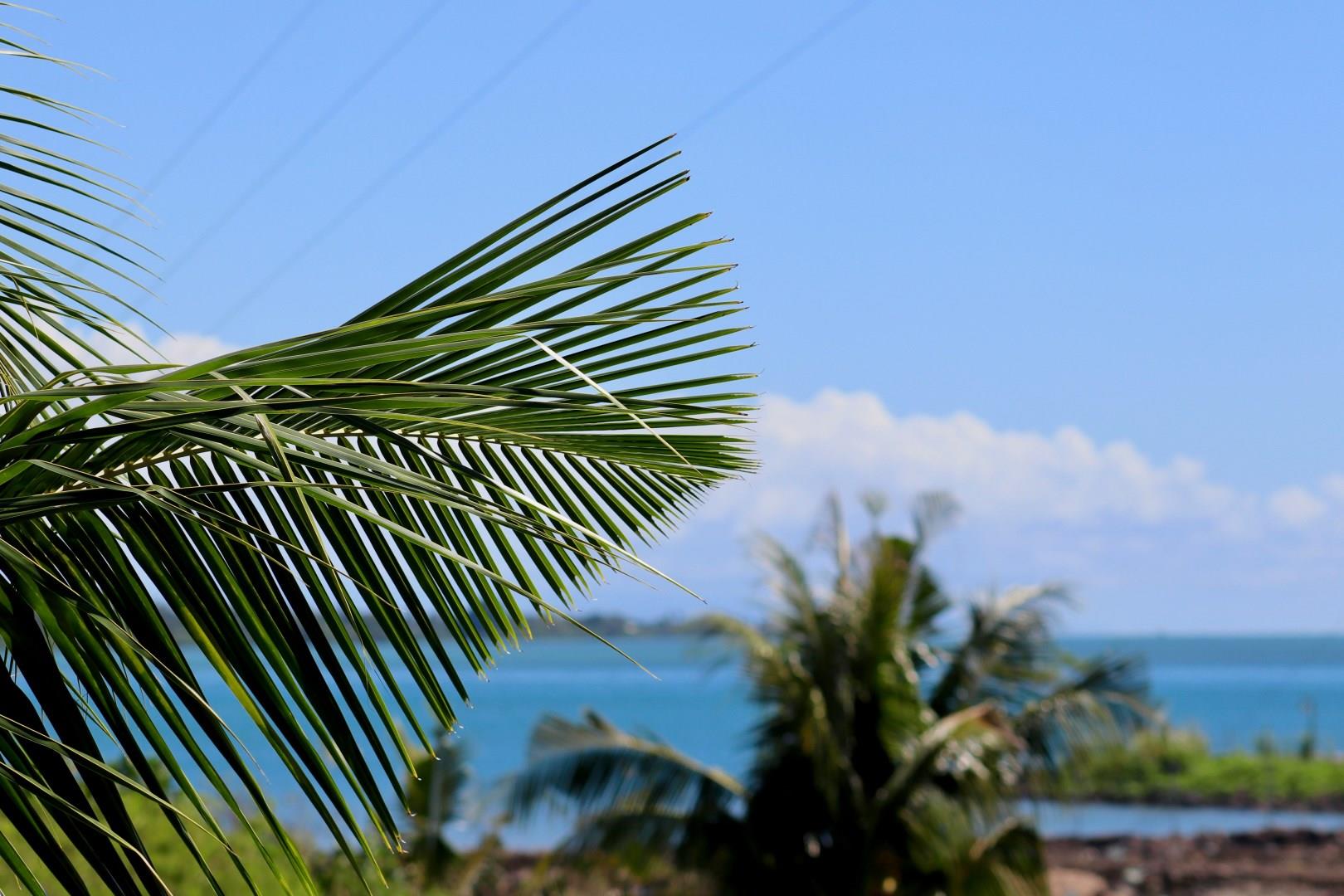
Apia
Apia, the lively capital of Samoa, sits on the north coast of Upolu island and blends the island’s rich traditions with a laid-back charm that’s hard to miss. Once a small village, Apia has grown into a central hub where local culture, commerce, and history meet. From bustling markets to quiet waterfronts, Apia offers visitors a chance to experience Samoa’s rhythm at their own pace.
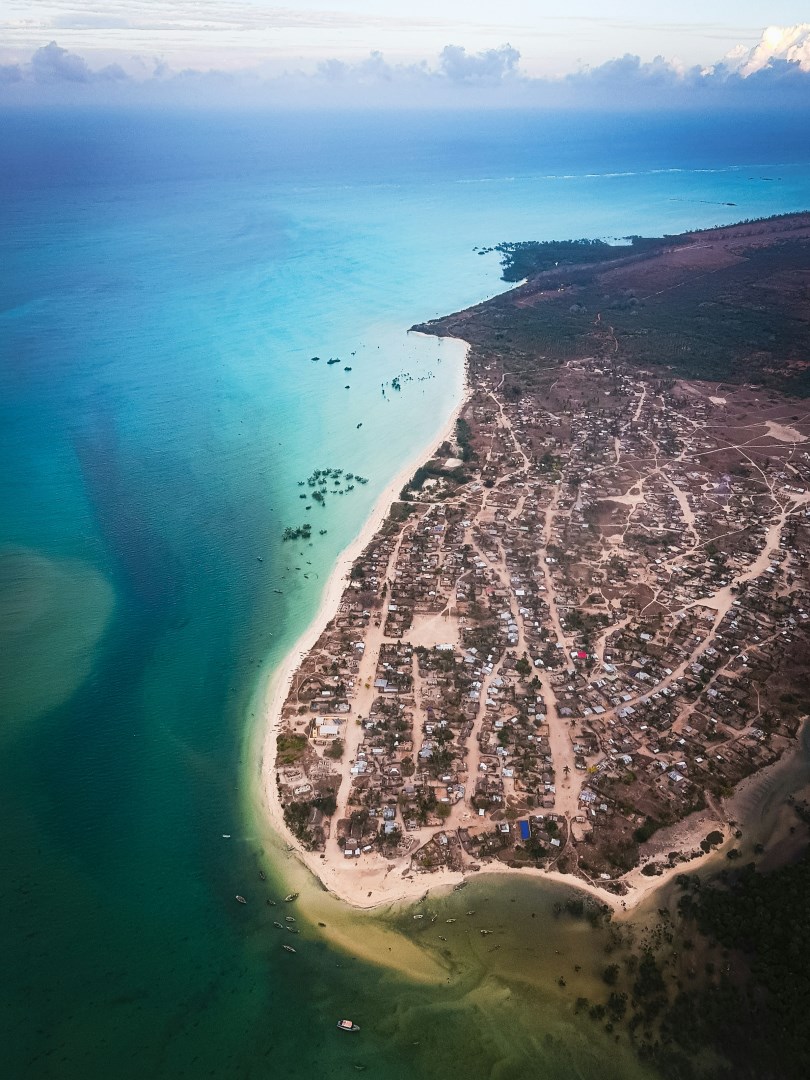
Arimba
Arimba is a coastal village in Cabo Delgado Province in northern Mozambique, situated along the mainland shore near the Quirimbas Archipelago. Its setting combines sandy coastline, coral-rich waters, coconut palms, and low coastal vegetation. The village has traditionally been connected to fishing and small-scale coastal trade, while its position near the Quirimbas has linked it with maritime routes serving communities along northern Mozambique.
