
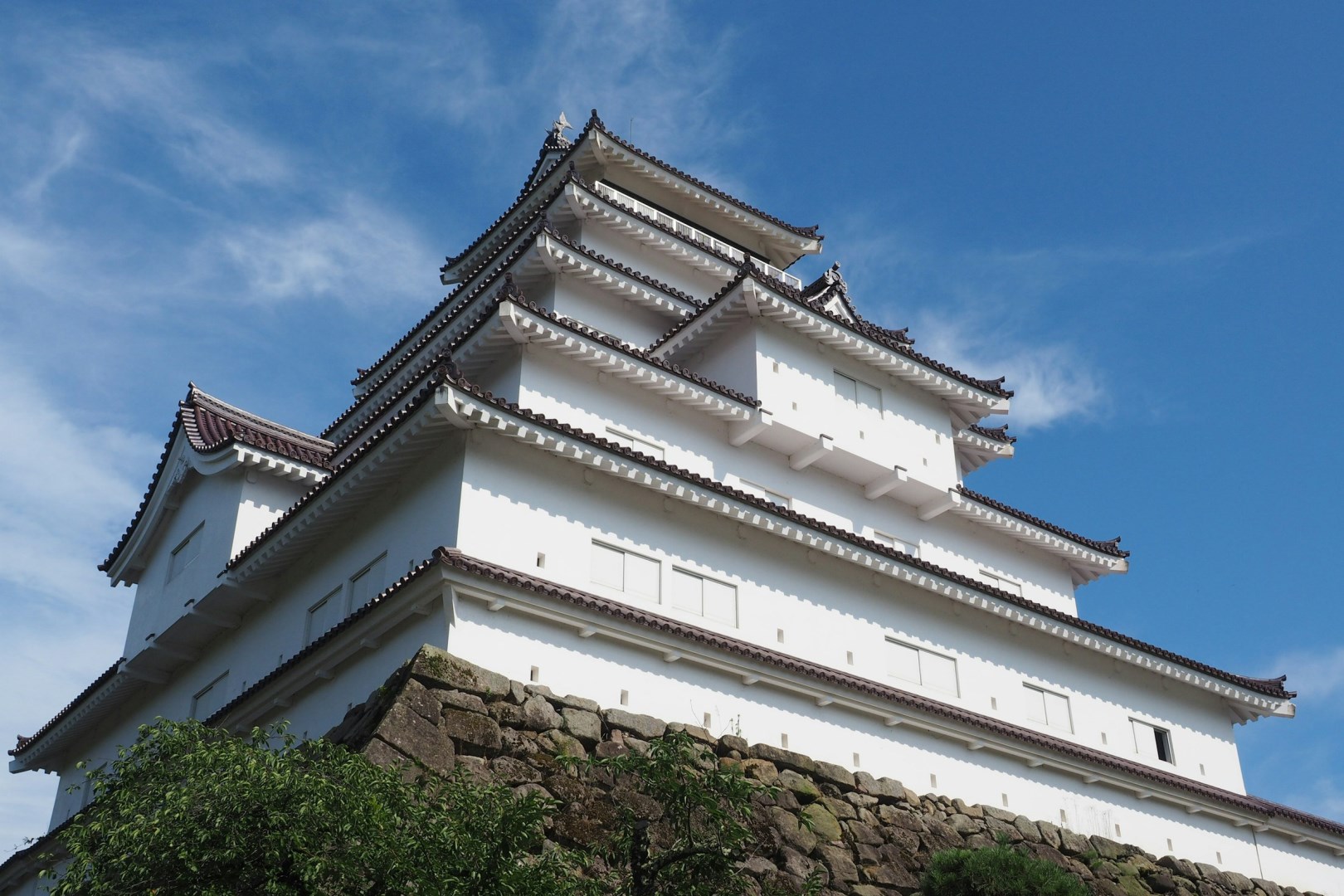
Aizuwakamatsu
Aizuwakamatsu in Fukushima Prefecture is a city where samurai history is tangible. Once a stronghold of the Aizu domain, it played a pivotal role in the late Edo period and the Boshin War.

Palermo, Sicily
Palermo, the vibrant capital of Sicily, Italy, is a city where history, culture, and gastronomy converge in a kaleidoscope of experiences. A walk through Palermo is like stepping into a living museum, where Byzantine, Arab, Norman, and Baroque influences blend seamlessly. The Palermo Cathedral, a masterpiece of architectural evolution, showcases a mix of styles from its Norman origins to later Baroque and Neoclassical elements.
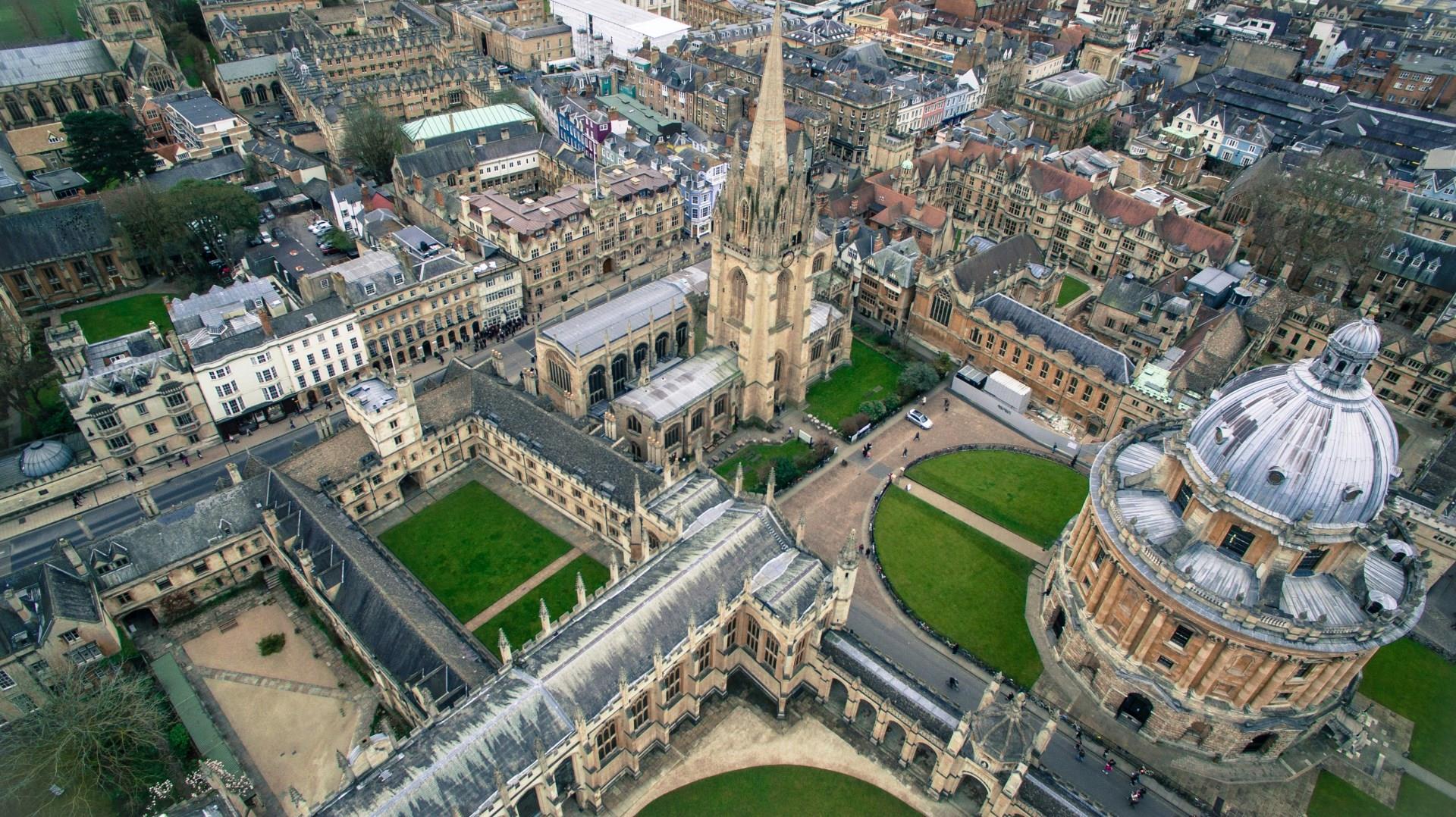
Oxford
Oxford is best known for its world-famous university, but the city offers much more than historic college halls and ivory towers. Its skyline, shaped by spires and domes, hints at centuries of intellectual life. The University of Oxford dates back to at least the 12th century and includes iconic buildings like the Bodleian Library, one of the oldest libraries in Europe, and the Radcliffe Camera, a circular reading room that looks more like a cathedral than a place for quiet study.

Pécs
Pécs, Hungary, is a city that seamlessly blends history, culture, and a vibrant modern atmosphere. Nestled at the foot of the Mecsek Mountains in southern Hungary, Pécs boasts a rich heritage that dates back over 2,000 years. Visitors are often captivated by the city’s unique blend of Roman, Ottoman, and Hungarian influences.
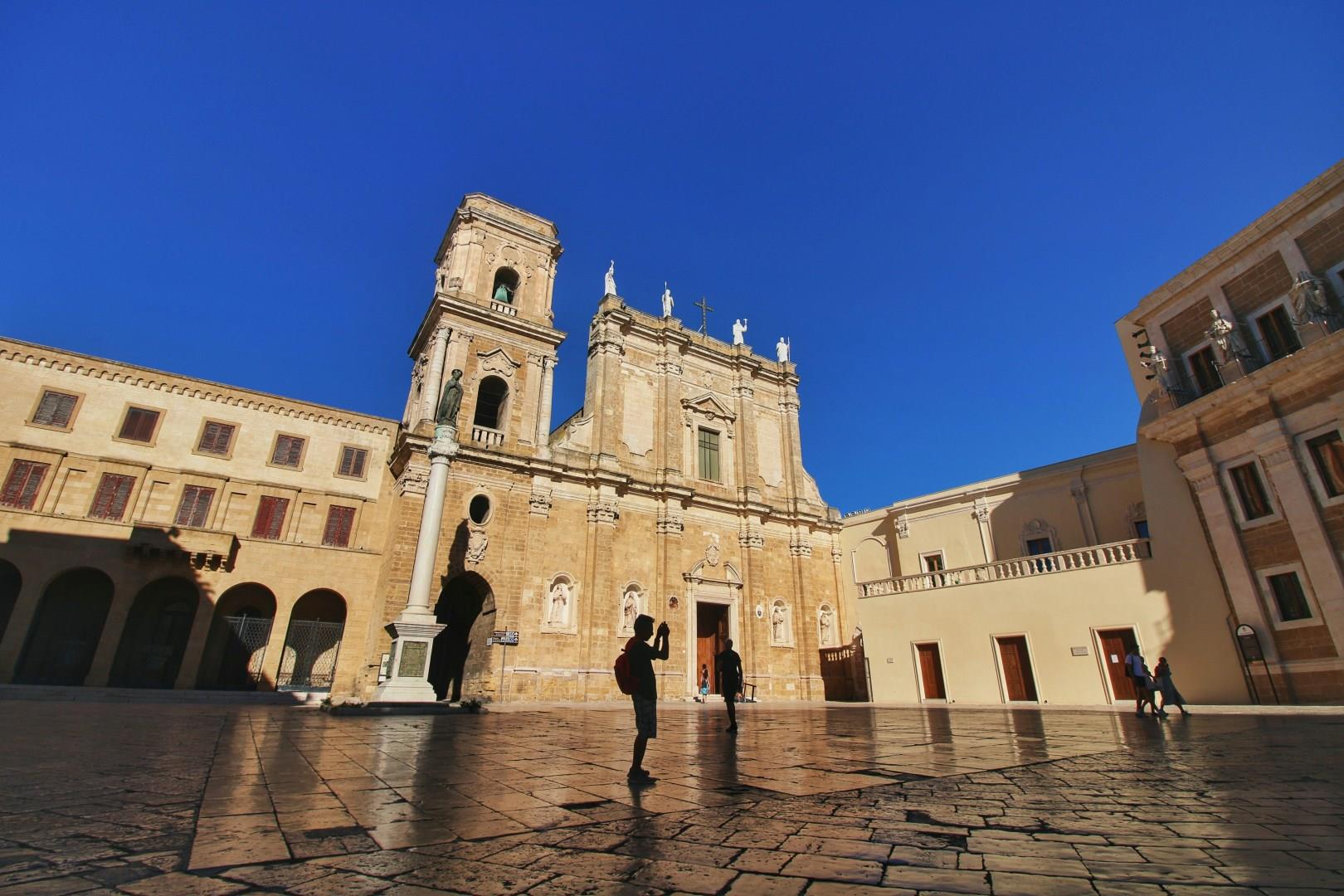
Brindisi
Italy’s port city of Brindisi, tucked along the Adriatic coast in the Puglia region, has been a gateway to the East for over two thousand years. Once the Roman Empire’s main departure point for the Via Appia, the road to Greece and beyond, Brindisi still bears traces of its ancient past, from Roman columns to remnants of old harbors that once welcomed traders, pilgrims, and soldiers.
