
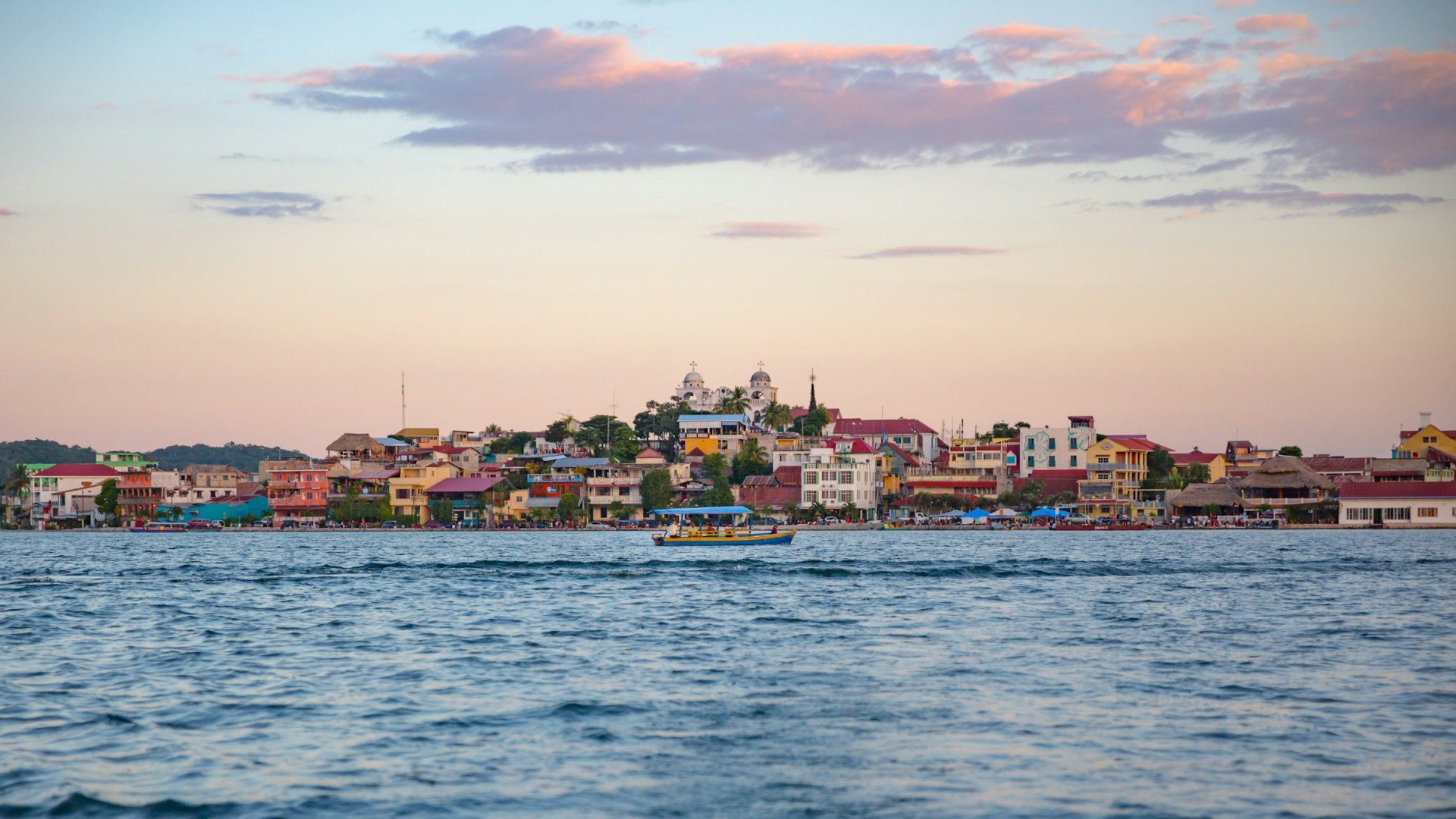
Flores
Flores is the capital of Guatemala's Petén department and occupies a small island in Lake Petén Itzá, connected to the mainland by a causeway. The compact island is known for its colorful buildings, narrow streets, waterfront promenade, and views across the lake. Flores also serves as a base for exploring the archaeological and natural attractions of northern Guatemala.
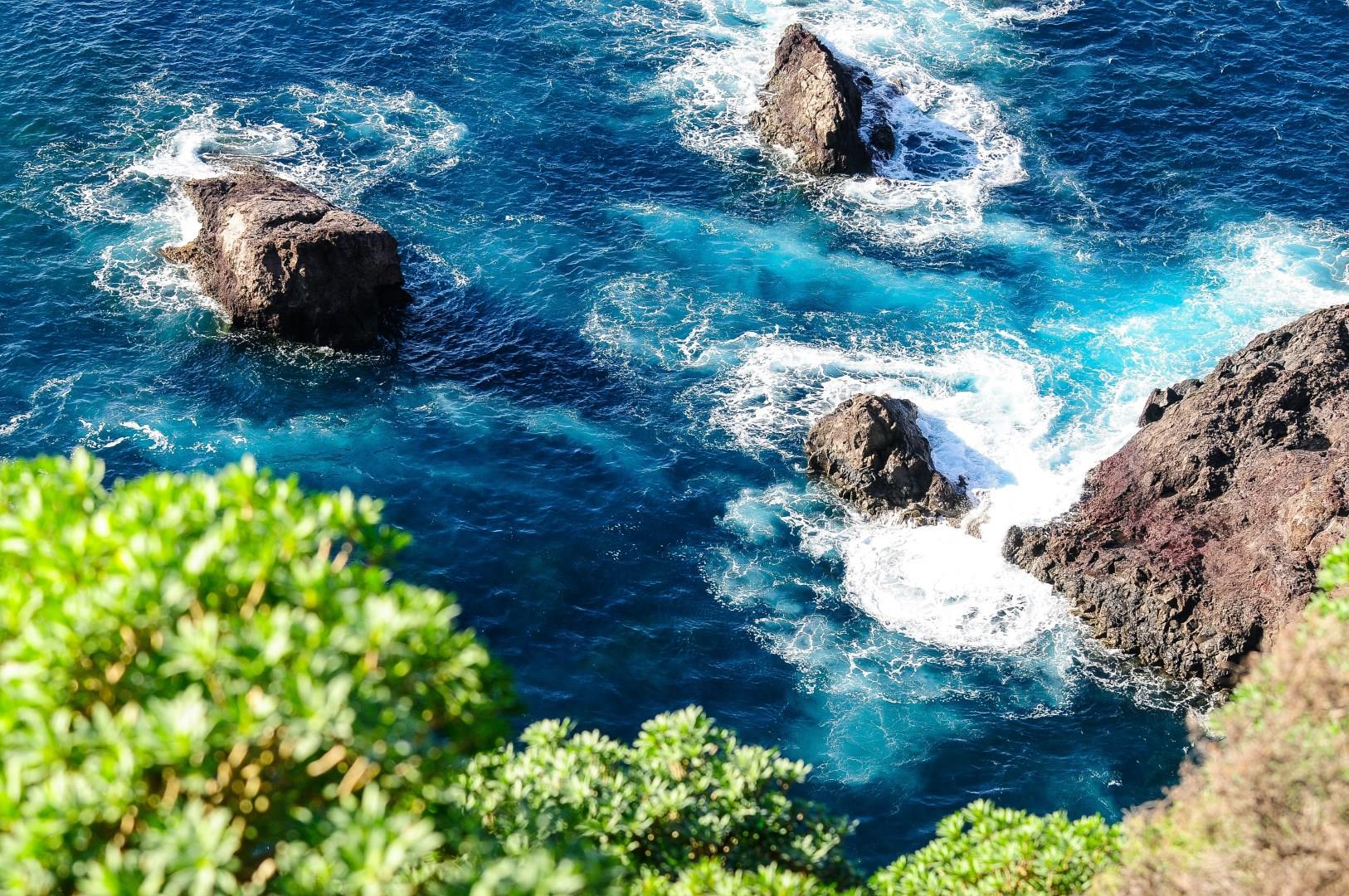
La Palma
La Palma (also San Miguel de La Palma) is the fifth of Spain's Canary Islands. This mountainous volcanic island is a natural wonder of tropical vegetation. Its coast is lined by jagged cliffs and plunging ravines, and its beaches are covered with black sand. Thanks to dry climate and the height of its mountains creating excellent observation conditions, La Palma has become the home of some of the world's largest telescopes, seated on the rocky ridge called El Roque de los Muchachos.
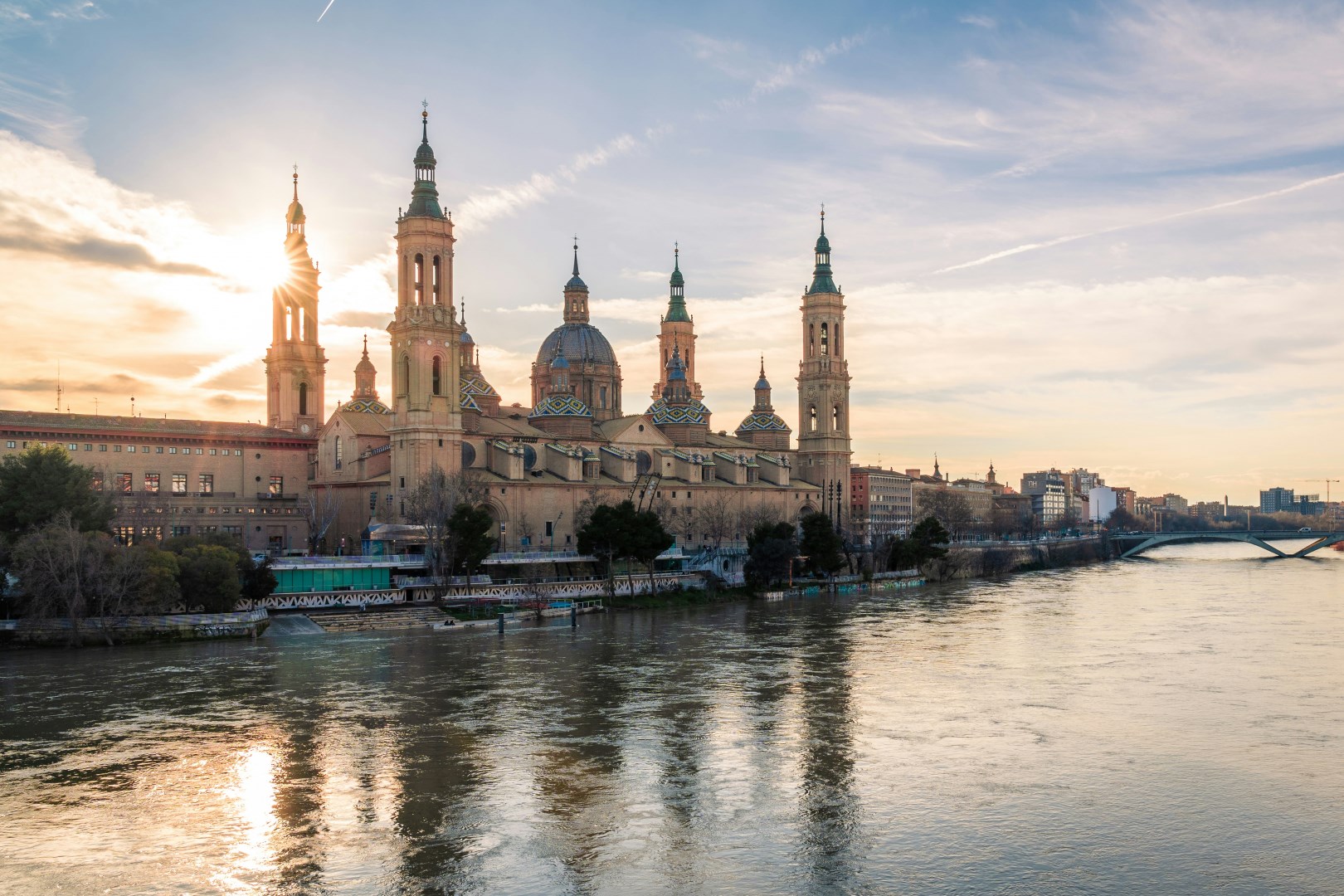
Zaragoza
Zaragoza stands on the banks of the Ebro River in northeastern Spain and serves as the capital of the Aragón region. The city is known for its mix of Roman remains, Islamic influences, Mudéjar architecture, and large Baroque landmarks.

San Juan
San Juan, Puerto Rico’s capital, is a city where cobblestone streets lead to centuries-old forts and pastel-colored buildings overlook the Atlantic. The district of Old San Juan is a UNESCO World Heritage Site, known for its Spanish colonial architecture and thick stone walls that once defended the city from pirates and naval attacks. The city hosts regular events such as La Campechada, which celebrates Puerto Rican art and literature with live performances and open-air exhibits.
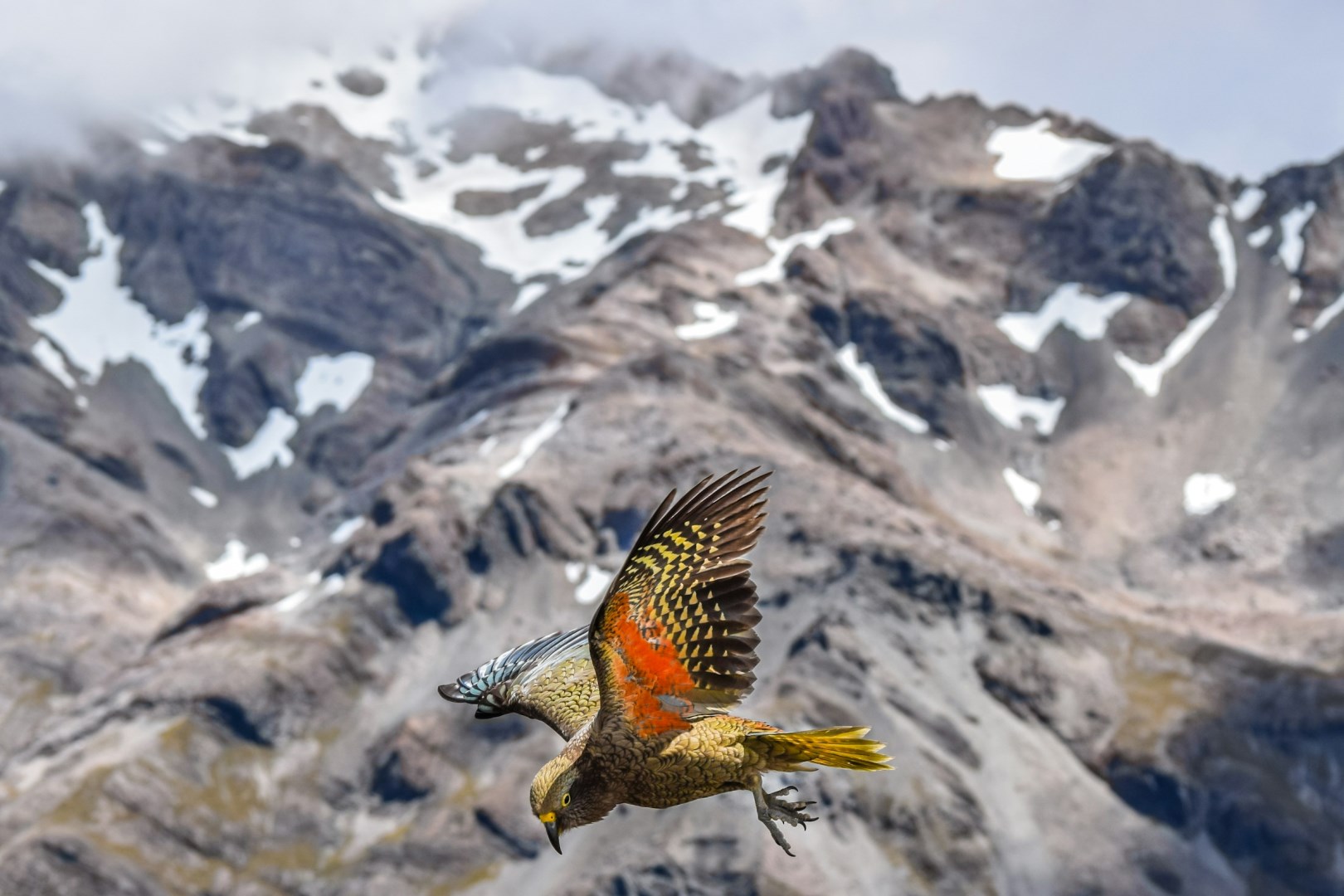
Arthur's Pass
Arthur’s Pass is a small alpine village in the Southern Alps of New Zealand’s South Island, positioned within Arthur’s Pass National Park between Canterbury and the West Coast. State Highway 73 and the TranzAlpine railway cross the mountains here, following a route shaped by steep valleys, braided rivers, and high peaks.
