
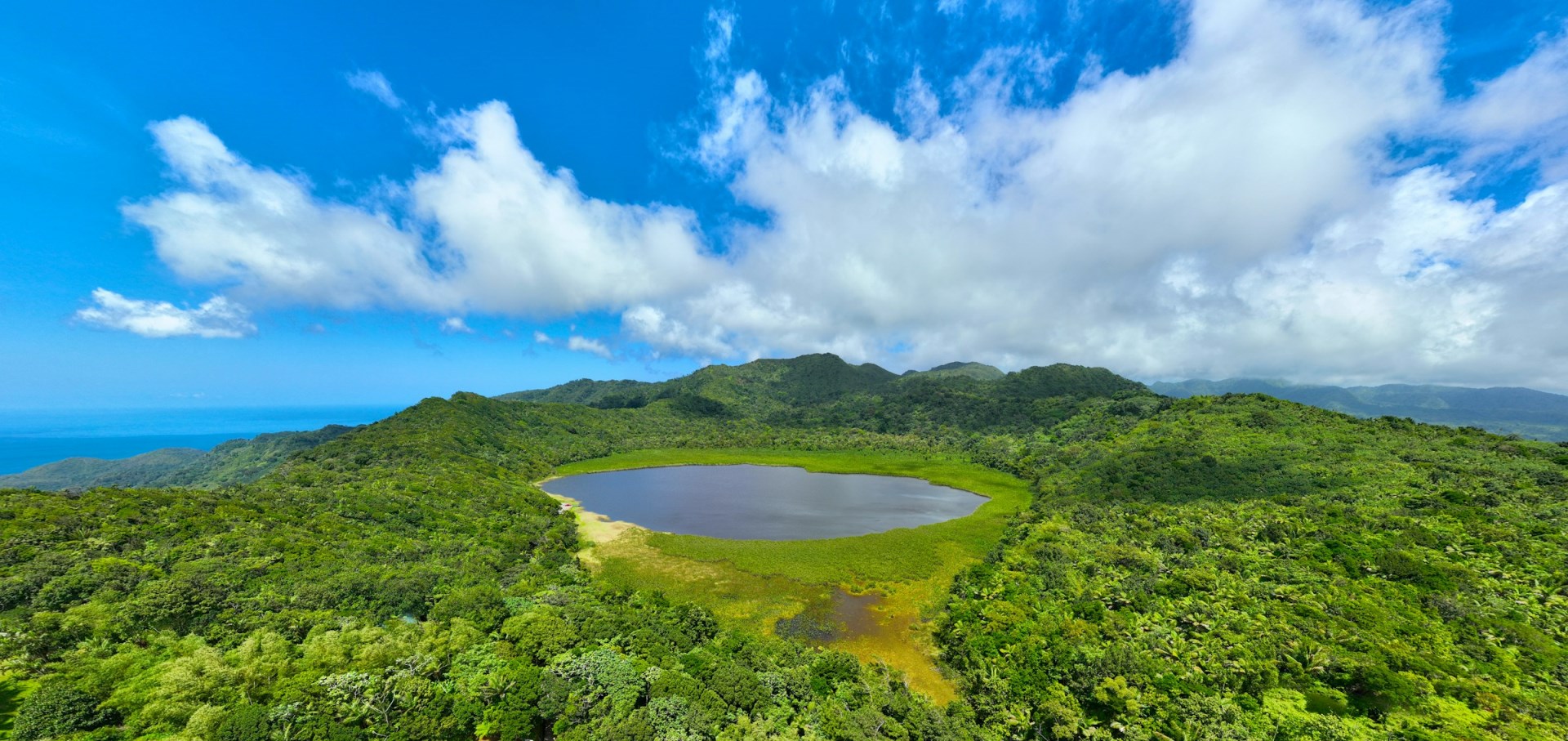
Grand Étang National Park
Grand Étang National Park is a protected highland area in central Grenada, surrounding Grand Étang Lake and extending across the island’s forested interior. The park lies within the volcanic mountain landscape of Grenada, where steep slopes, dense rainforest, streams, and misty uplands create conditions that differ from the drier coastal areas
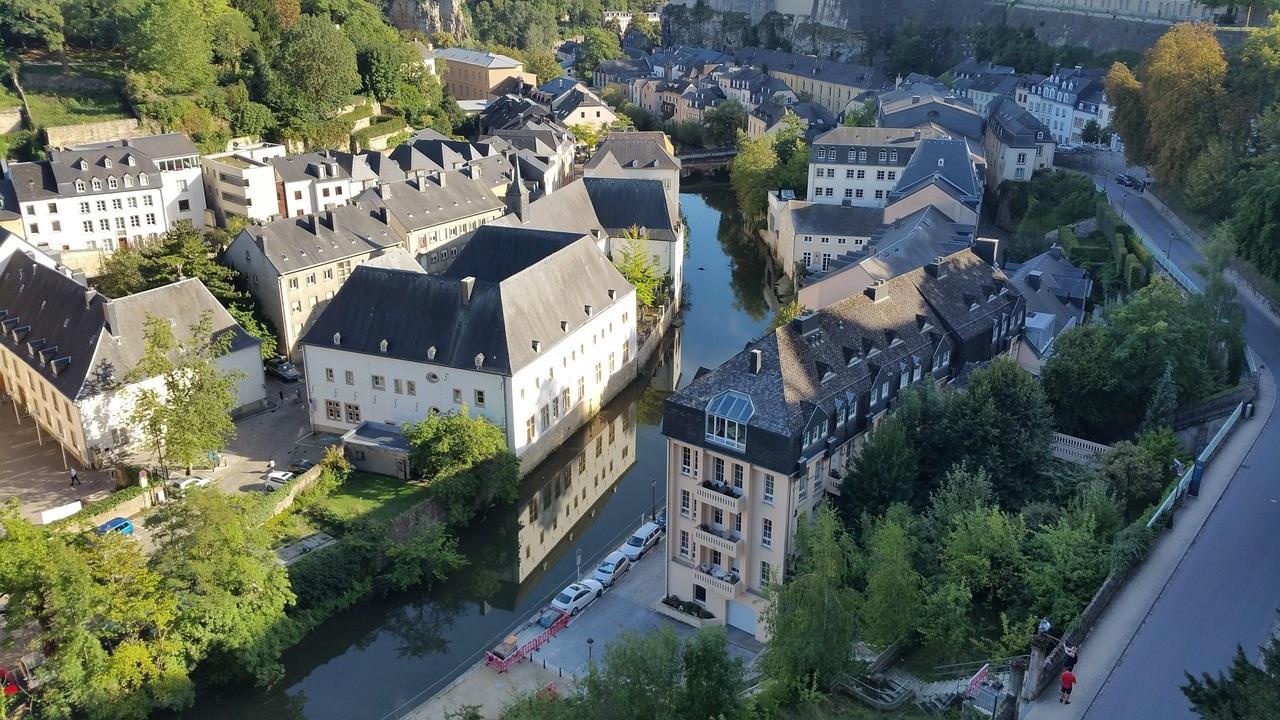
Luxembourg
Luxembourg, a small yet influential country in the heart of Europe, offers visitors a rich blend of historic sites and contemporary culture. The capital city, Luxembourg City, is famous for its dramatic cliffs and ancient fortifications that have earned it a UNESCO World Heritage status. Walking through the old quarters, visitors can explore the casemates that reveal layers of the city’s military past.

Zion National Park
Zion National Park, located in southwestern Utah, is known for its massive sandstone cliffs, narrow slot canyons, and unique desert ecosystems. Established in 1919, it was Utah’s first national park and continues to attract visitors with its dramatic elevation shifts and striking rock formations. The park’s most iconic feature, Zion Canyon, stretches for 15 miles and reaches depths of up to 2,640 feet, carved over time by the Virgin River.
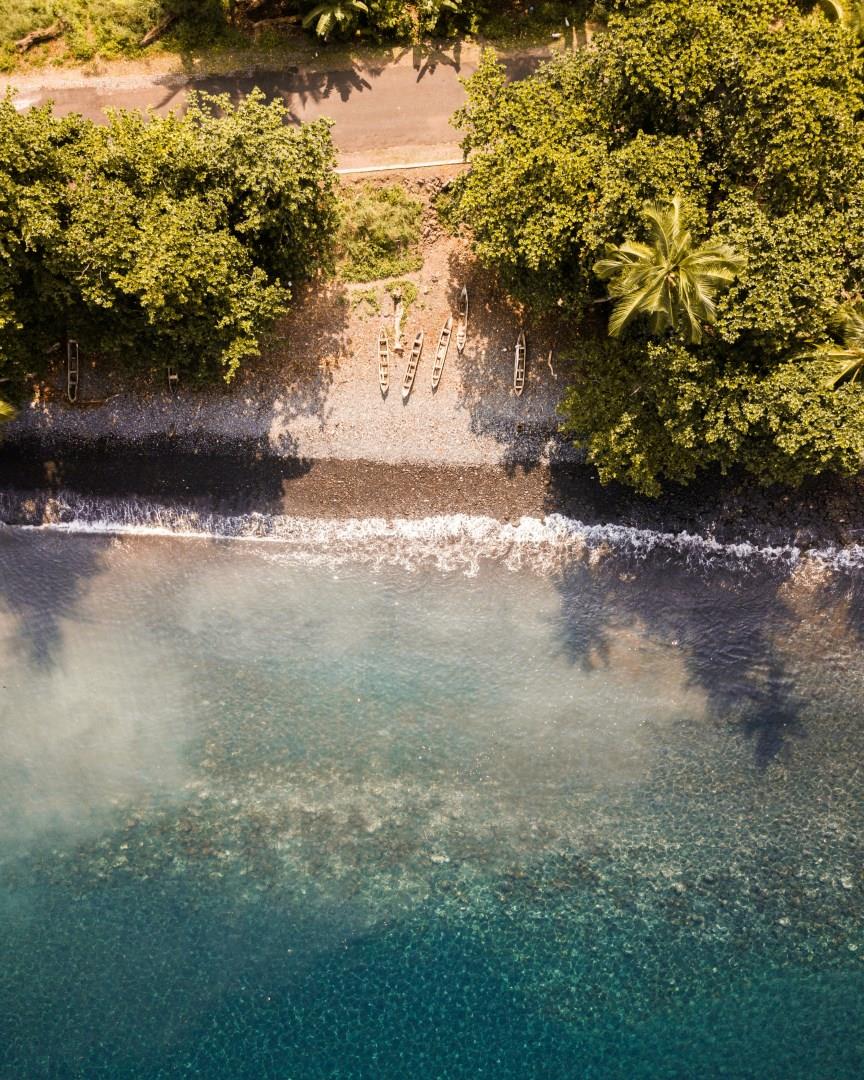
Sao Tome Island
São Tomé Island, the larger of the two islands in São Tomé & Príncipe, offers travelers a balance of culture, history, and dramatic natural scenery. Its capital, São Tomé city, is a coastal hub filled with colonial architecture, lively markets, and a welcoming atmosphere.
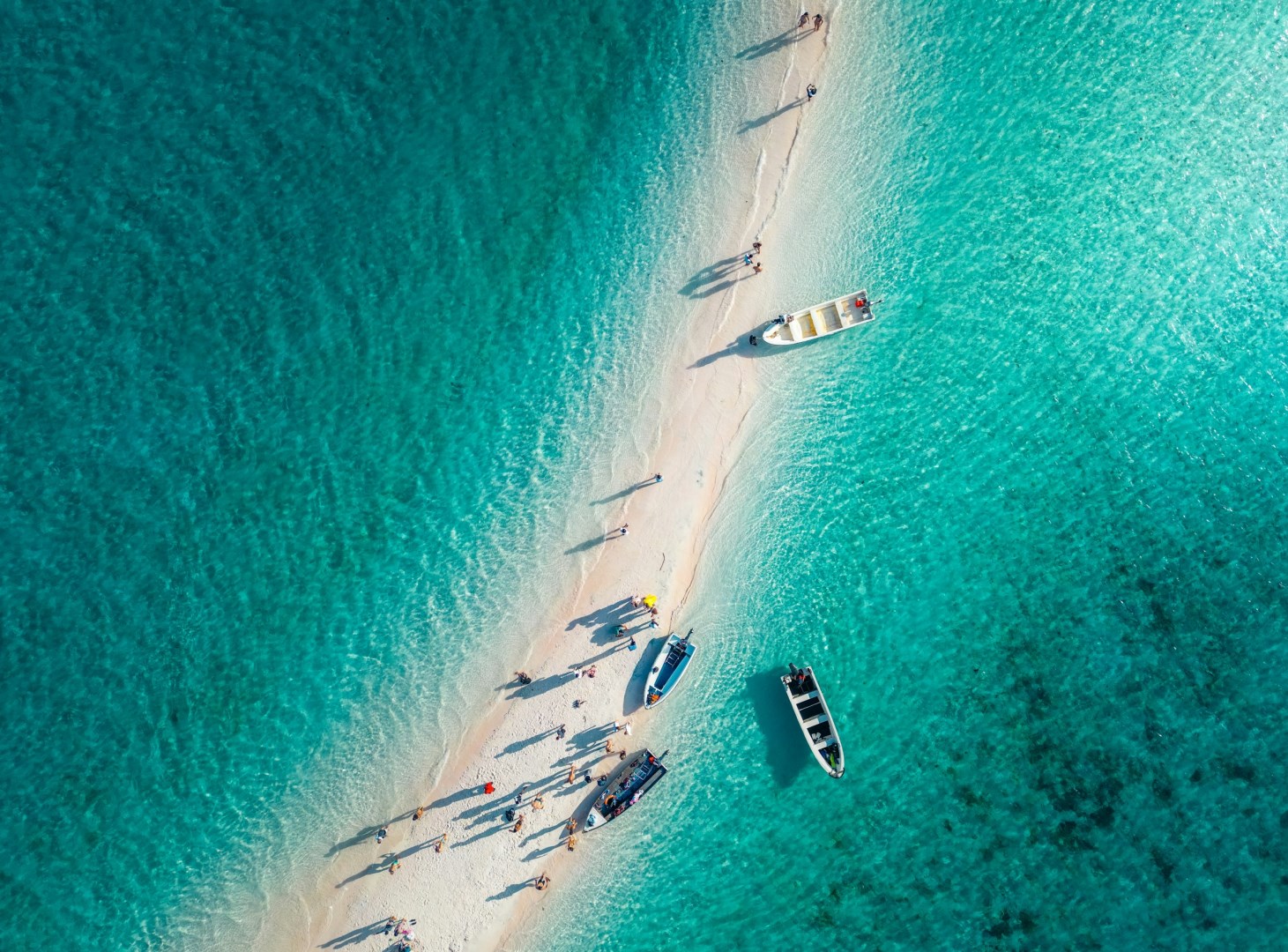
Komodo Island
Komodo Island is famous for its Komodo dragons, the largest lizards in the world. These remarkable creatures, which can grow up to 10 feet long, roam freely on the island, offering visitors a rare chance to watch them in their natural environment.
