

Queen Elizabeth National Park
Queen Elizabeth National Park, in western Uganda, is one of East Africa’s most diverse and scenic protected areas. Stretching from the Rwenzori Mountains to the shores of Lake Edward, the park encompasses savannah, wetlands, and dense forests, making it a sanctuary for an incredible array of wildlife.
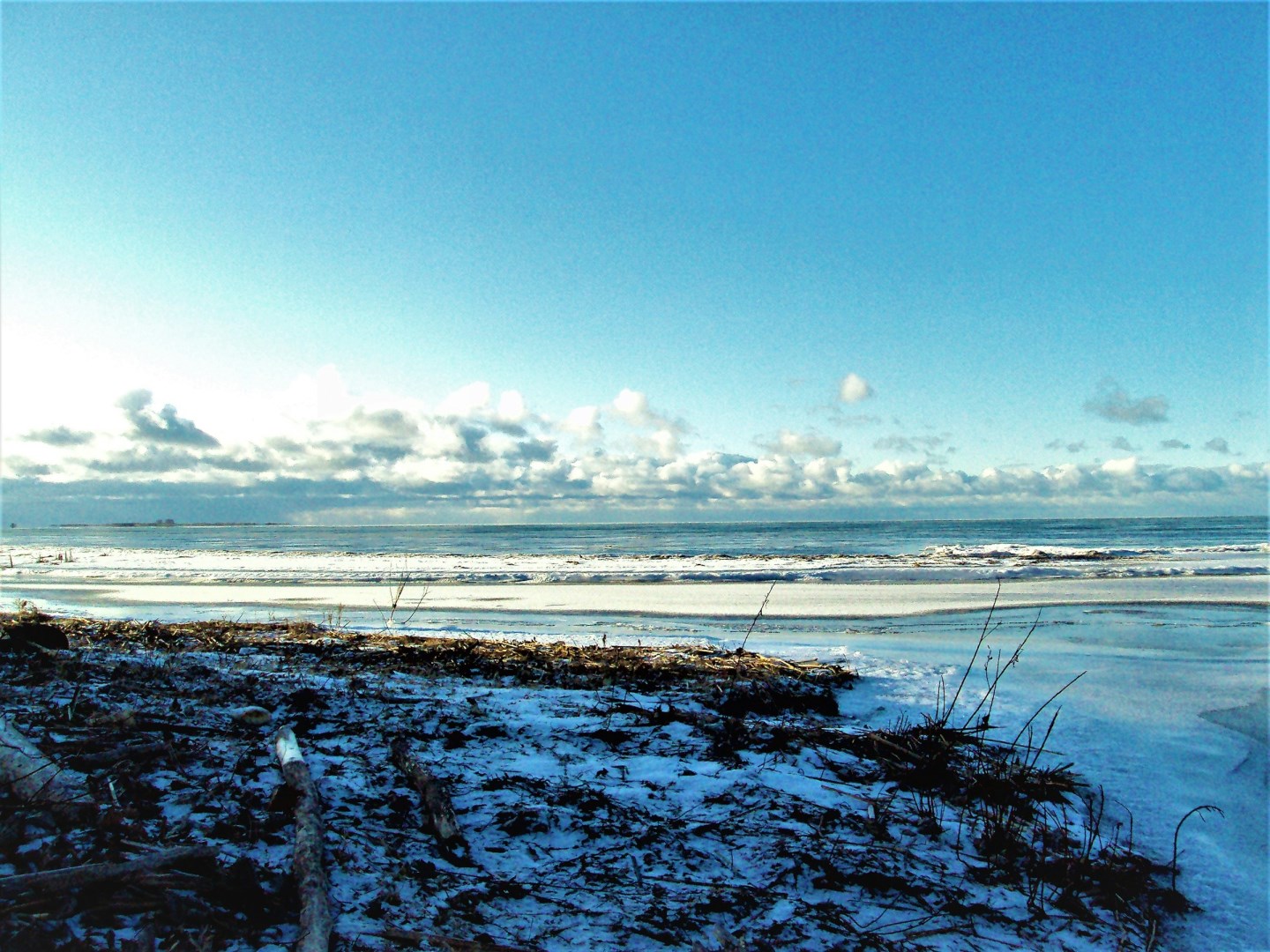
Bay City
Bay City is a waterfront city in eastern Michigan, situated along the Saginaw River near its outlet into Saginaw Bay, one of the large bays of Lake Huron. Its location on the river helped establish the city as a center for lumber, shipbuilding, manufacturing, and commercial shipping.
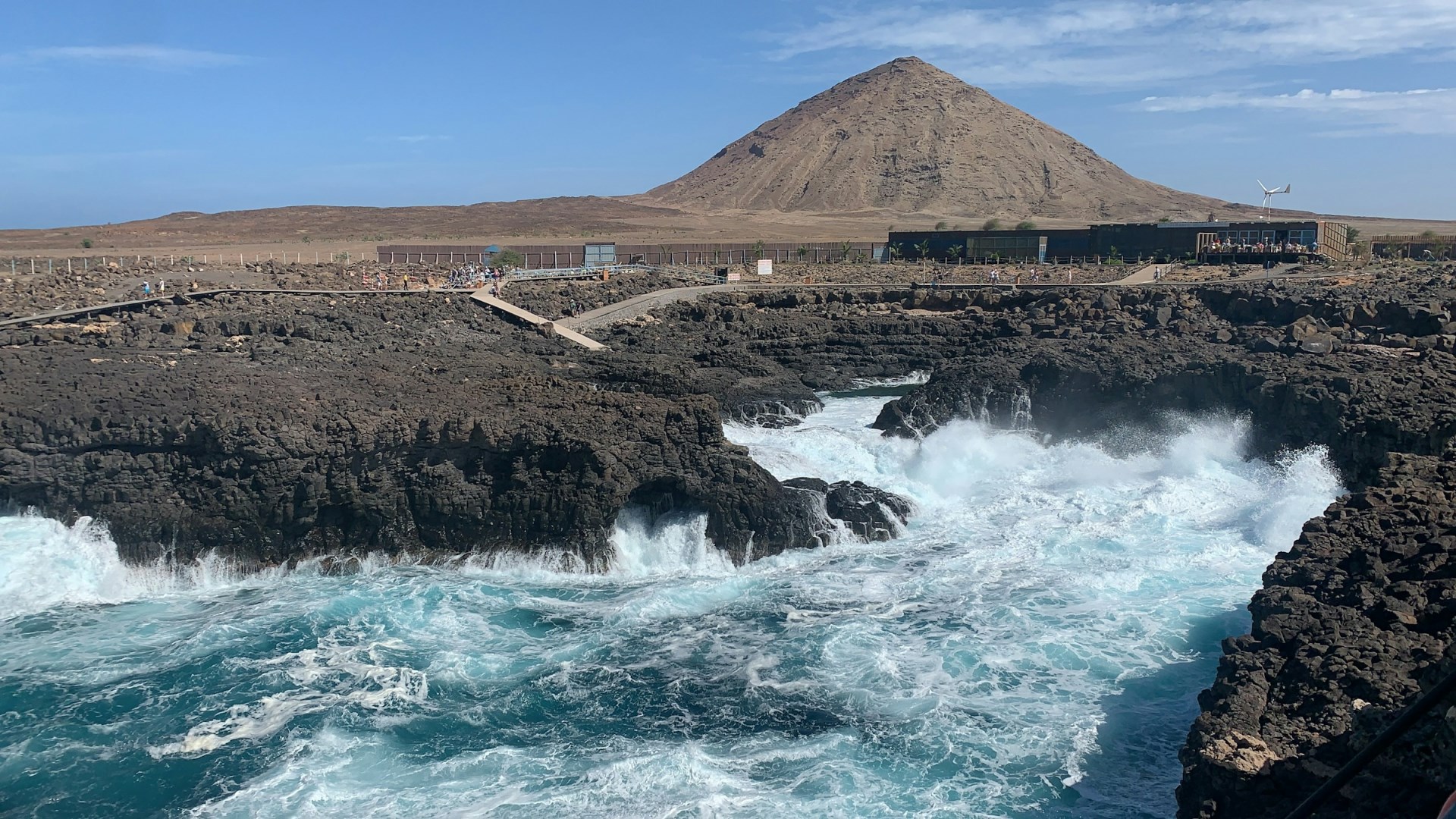
Sal
Sal is a relatively flat, dry island in Cabo Verde, known for its broad beaches, volcanic landscapes, and strong connection with the sea. Its main urban centers are Espargos, the island’s administrative capital, and Santa Maria, a coastal town that developed around fishing and salt production and is now the island’s principal tourism center.

Yukon
Whitehorse is the territorial capital of this Canadian site of the 1898 gold rush. It consists mostly of rural towns, where the main industries are mining and tourism. It is a land of forests, rivers and tall mountain ranges covering a total of 207,075 sq. miles.
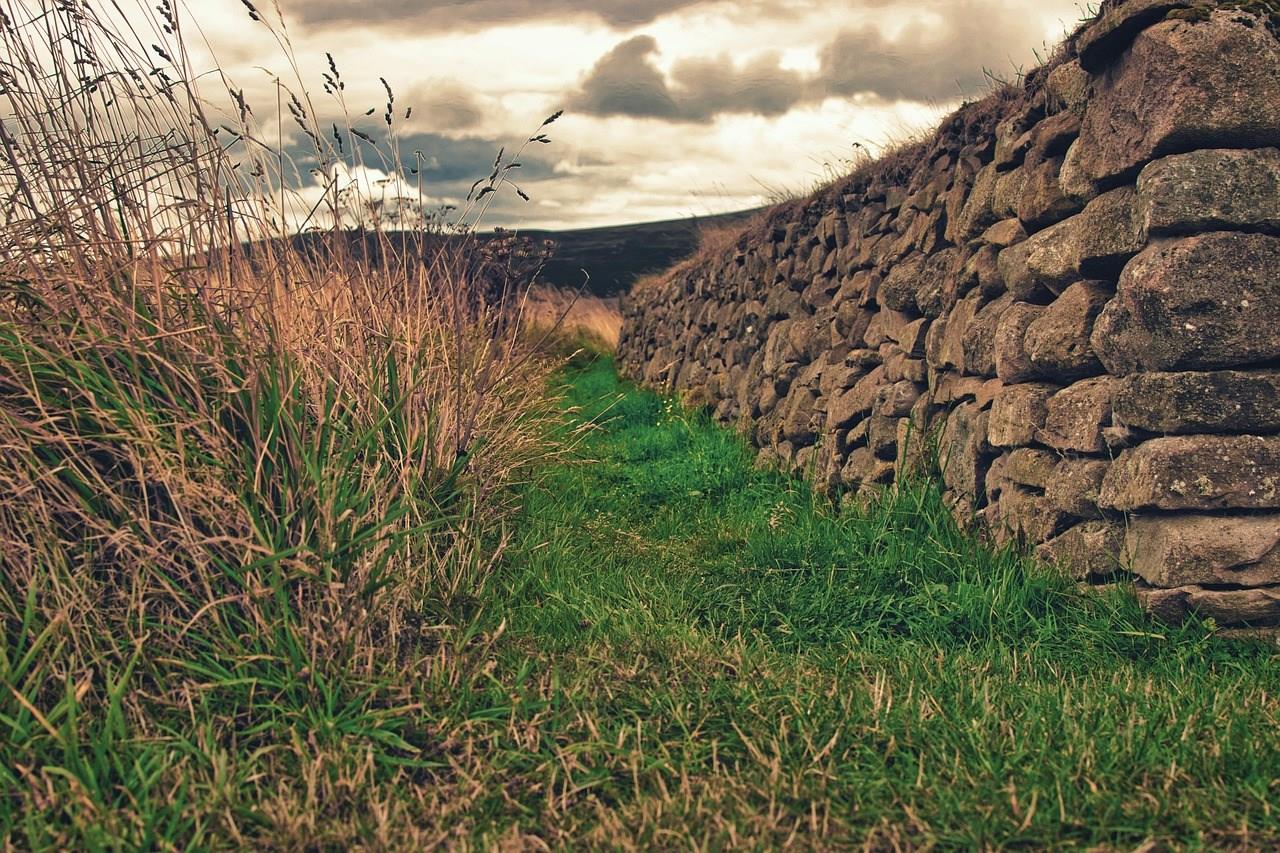
Culloden
Culloden, located just outside Inverness in the Scottish Highlands, is the site of one of the most significant and sobering moments in Scotland’s history. On April 16, 1746, the Battle of Culloden marked the violent end of the Jacobite uprising led by Charles Edward Stuart, better known as Bonnie Prince Charlie. In under an hour, the hopes of restoring the Stuart monarchy were crushed by government forces.
