

Budapest
The capital and largest city in Hungary, Budapest is a favorite European destination for millions of tourists each year. Once the center of the Austro-Hungarian Empire, this cosmopolitan city and UNESCO World Heritage site has plenty of historical and cultural landmarks to explore.
Safaga
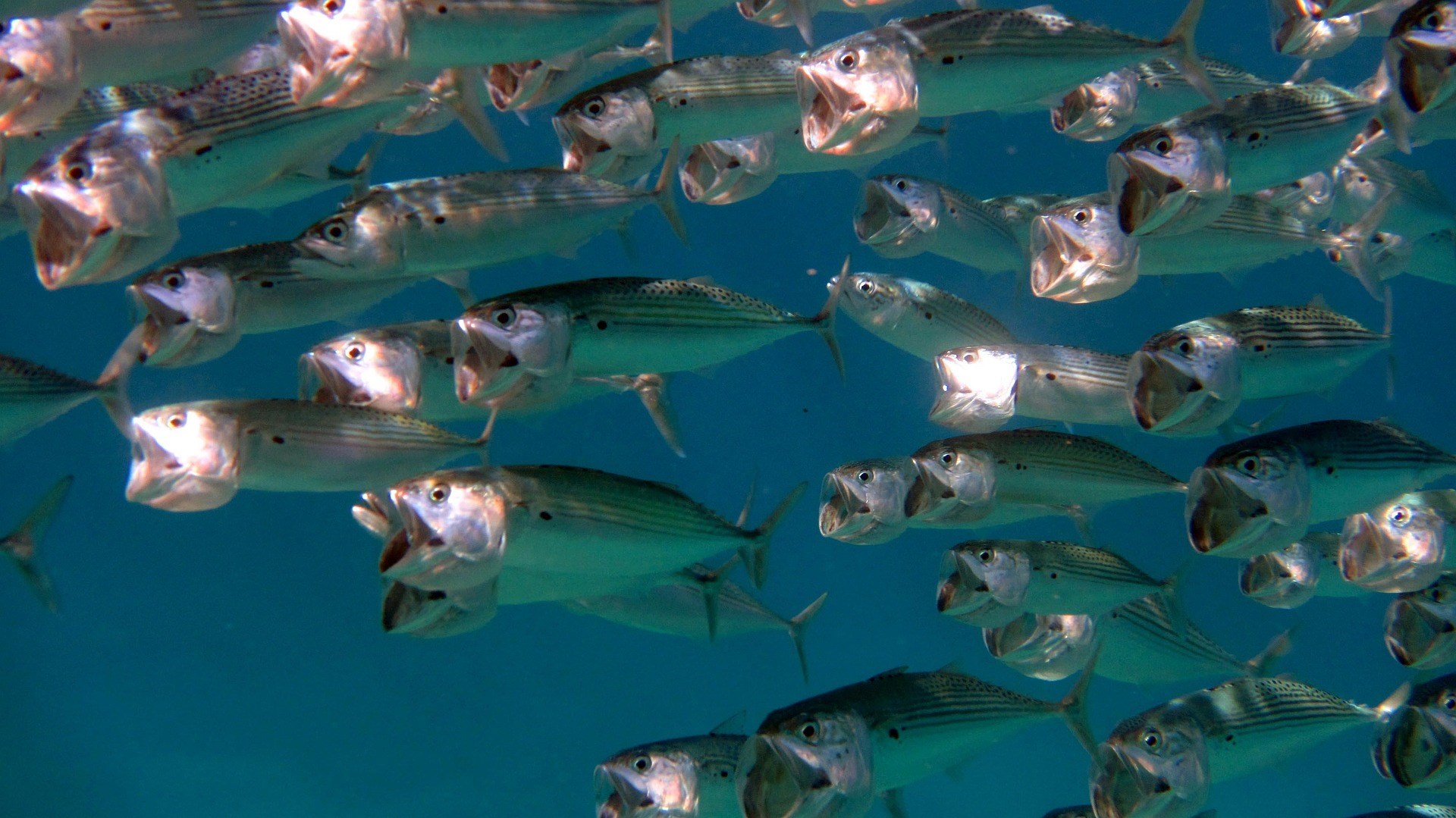
Safaga, located on the Red Sea coast of Egypt, is a gem for those seeking both relaxation and adventure. Known for its beautiful beaches and crystal-clear waters, Safaga is a top destination for scuba diving and snorkeling enthusiasts. The vibrant coral reefs and diverse marine life of the Red Sea make it a paradise for underwater exploration.
Oviedo
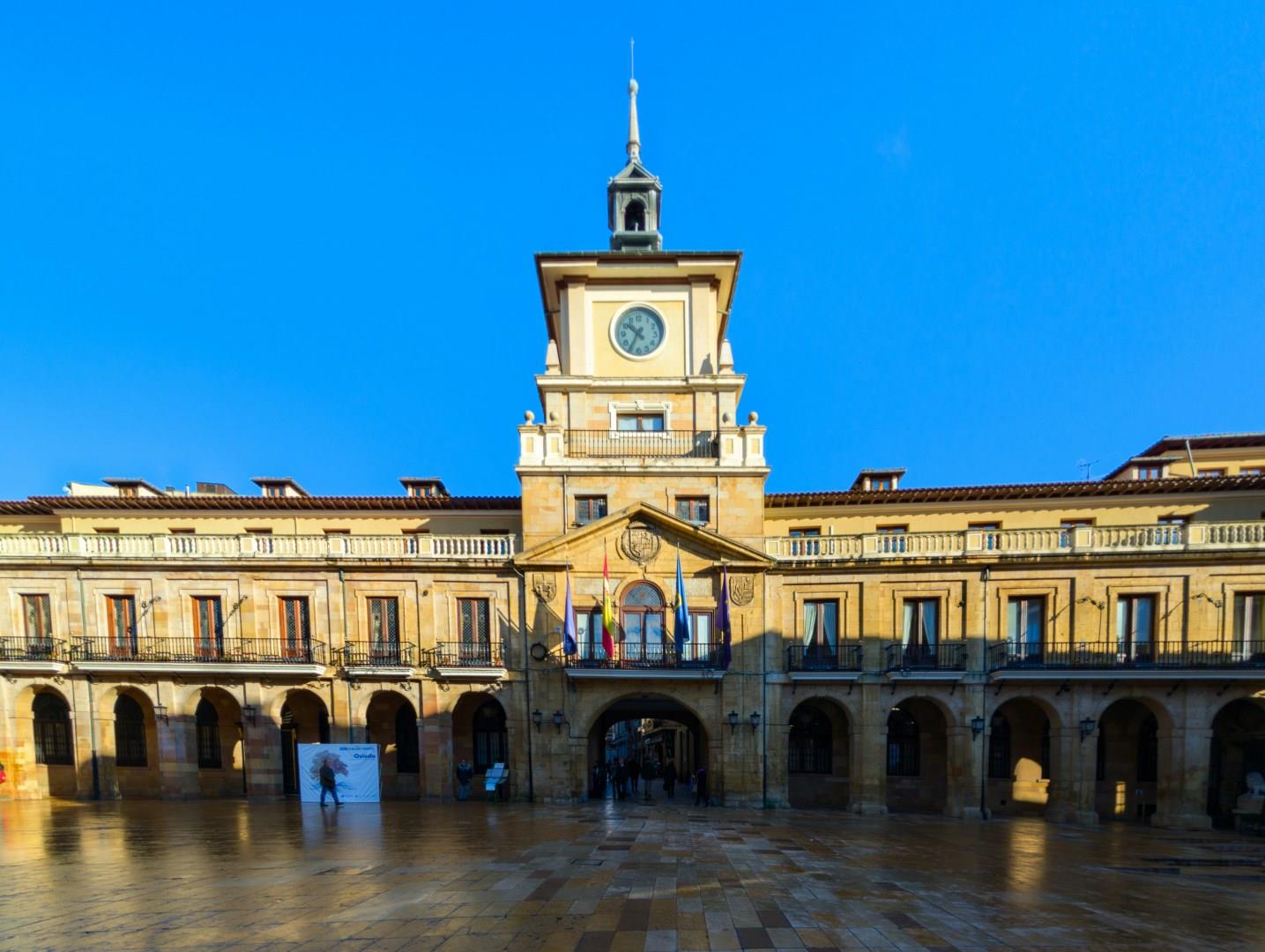
Oviedo, the capital of Asturias in northern Spain, offers a rare mix of medieval heritage and everyday life that feels rooted rather than staged. The city’s historic center is home to some of the oldest pre-Romanesque buildings in Europe, including the UNESCO-listed Santa María del Naranco and San Miguel de Lillo. Cider, not wine, defines the local table. Oviedo is surrounded by apple orchards, and the traditional drink, sidra natural, is poured from a height by skilled escanciadores.
Baku
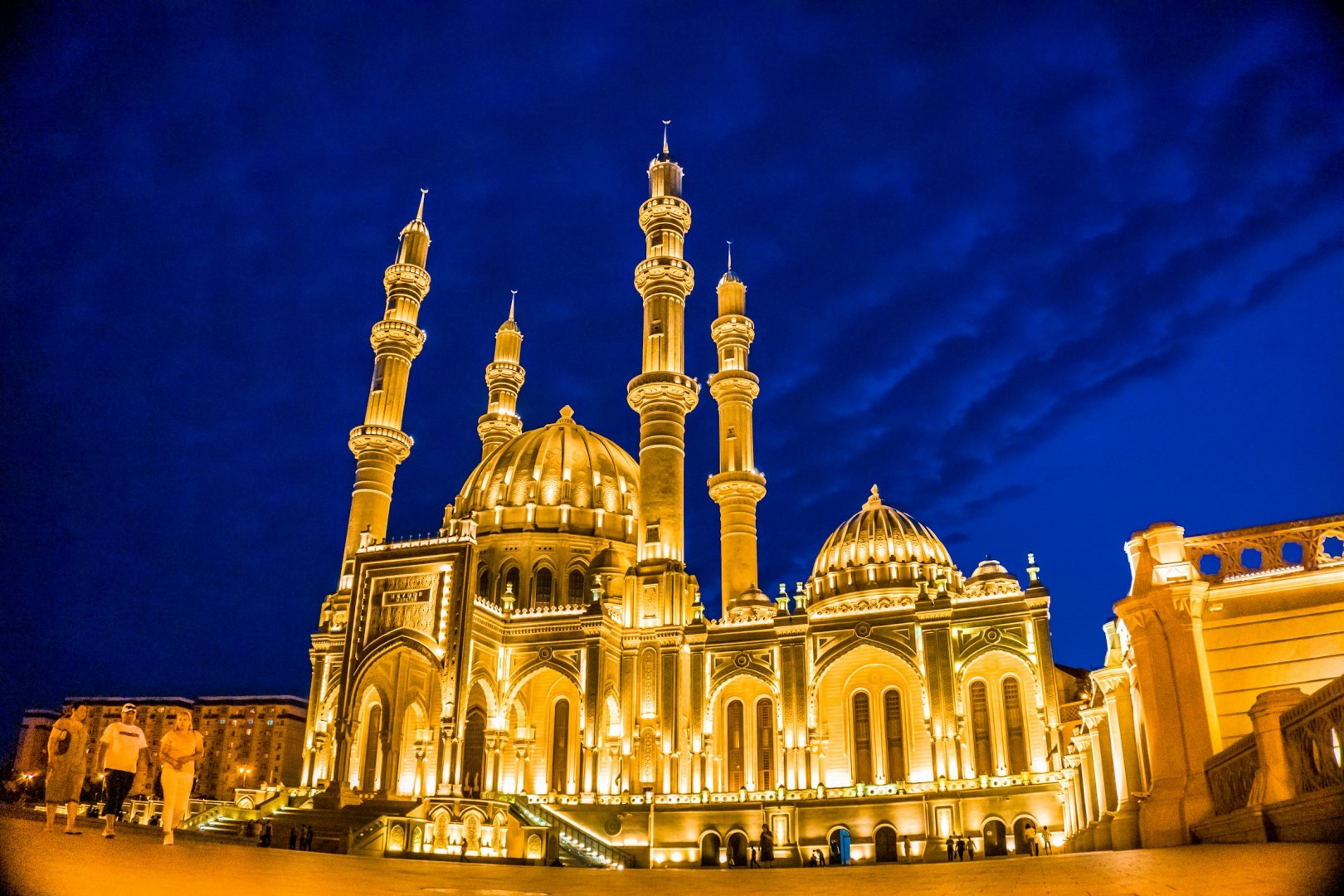
Baku, the capital of Azerbaijan, rises on the shores of the Caspian Sea as a city of striking contrasts. Its futuristic skyline, defined by the Flame Towers, glows each evening in waves of light, while the UNESCO-listed Old City preserves centuries of history within its fortified walls.
Sirajganj
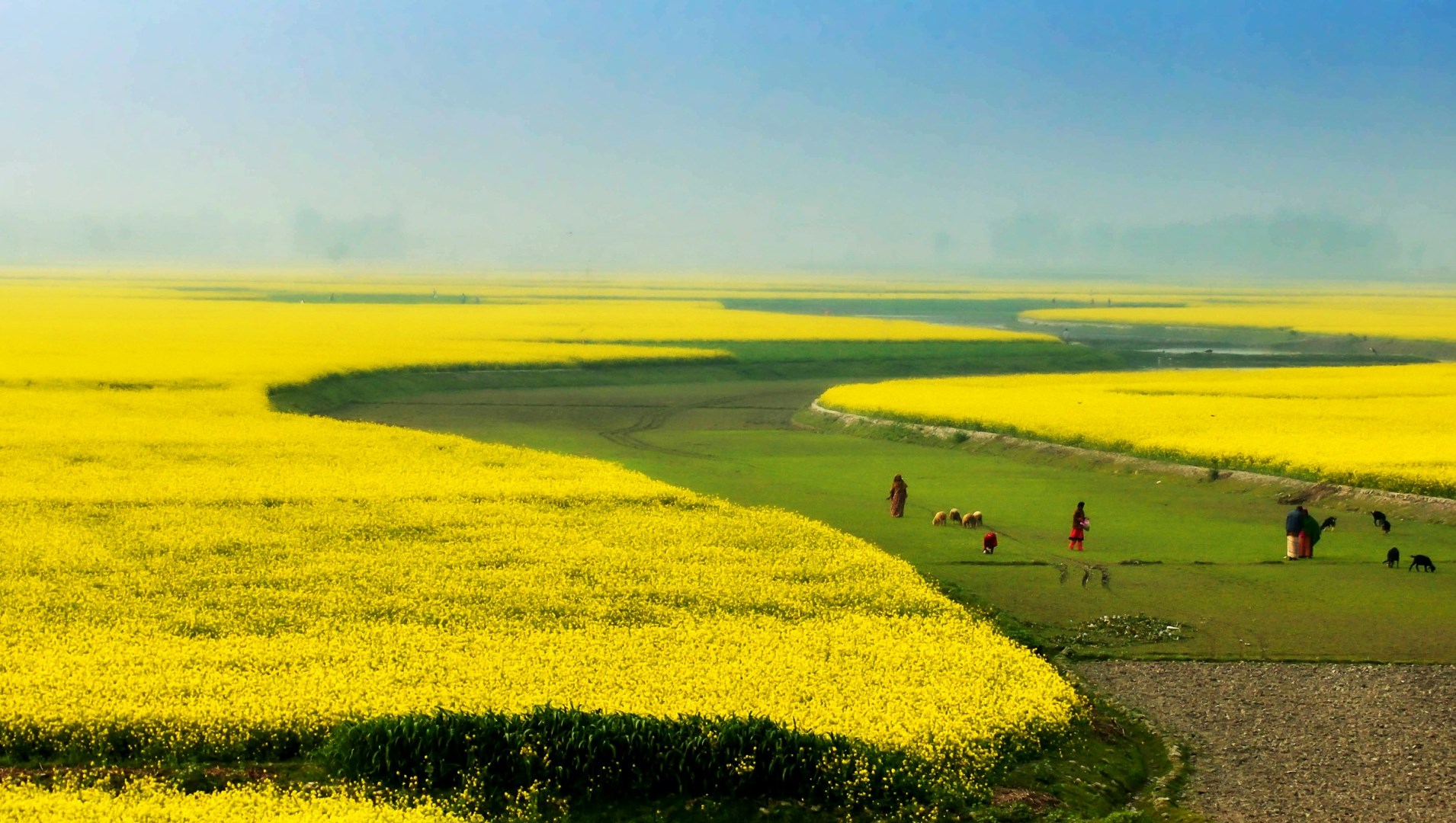
Sirajganj is a riverside district in northwestern Bangladesh, located along the Jamuna River and shaped by the shifting channels, sandbars, and fertile floodplains of the river system. The district is known for agriculture, weaving, livestock, and river-based commerce, with Sirajganj town serving as an important regional center. Its landscape changes noticeably with the seasons as river levels rise and fall, exposing temporary chars and renewing farmland with silt. The surrounding countryside co
