
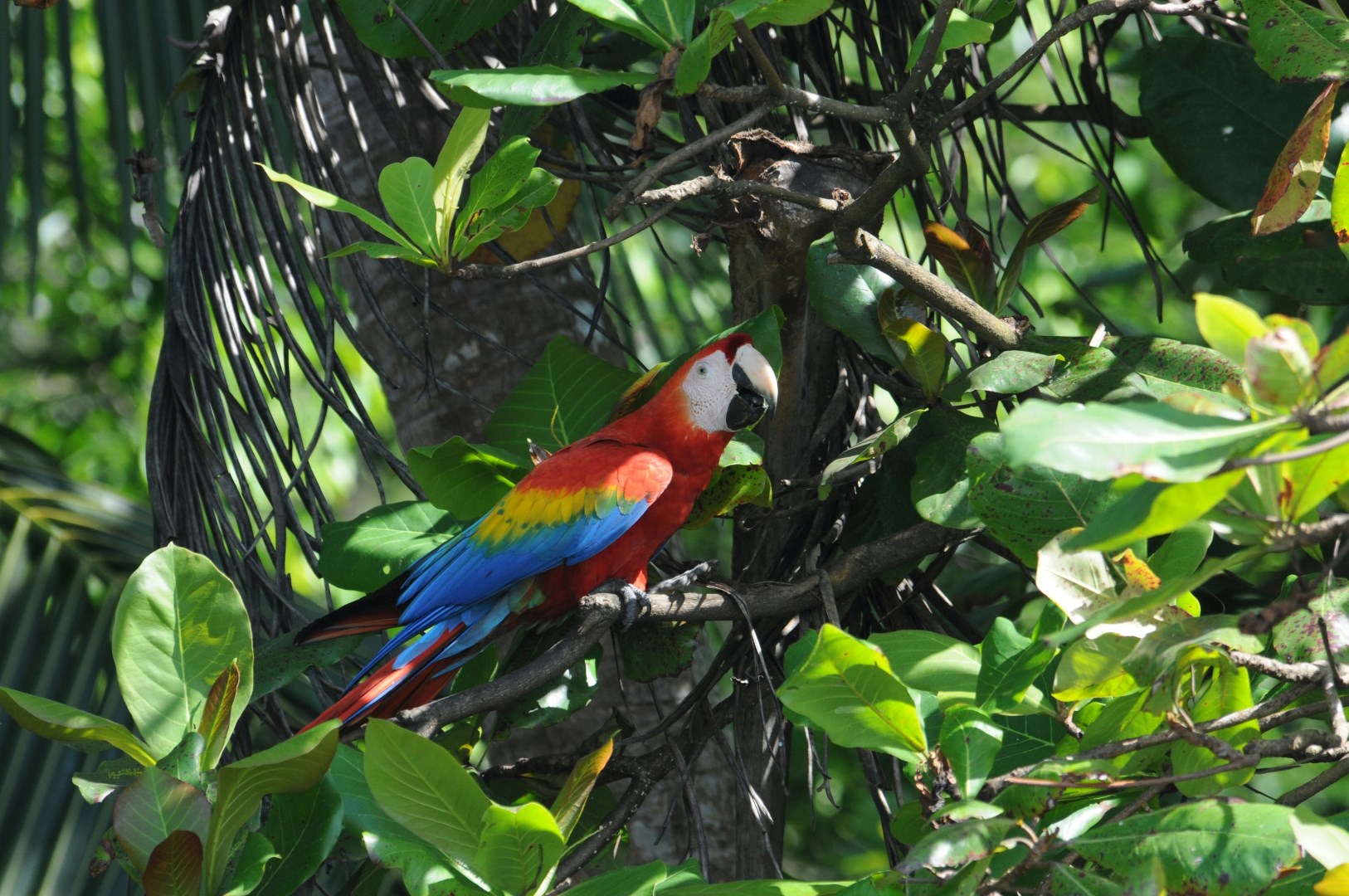
Corcovado
On the remote Osa Peninsula, Corcovado National Park unfolds as a vast stretch of rainforest meeting the Pacific Ocean. This protected area covers a large portion of the peninsula and is often described by scientists as one of the most biologically intense places on Earth. Dense jungle, quiet beaches, and winding rivers sit side by side, creating a landscape where visitors may walk from thick forest into open coastline within minutes.

Charles Darwin Research Station
Set along the shoreline of Santa Cruz Island in the Galápagos, the Charles Darwin Research Station introduces visitors to a living laboratory shaped by volcanic land and rare wildlife. Located near Puerto Ayora, the station stands as the scientific heart of the islands, where researchers from around the world work side by side to understand and protect species found nowhere else on Earth.
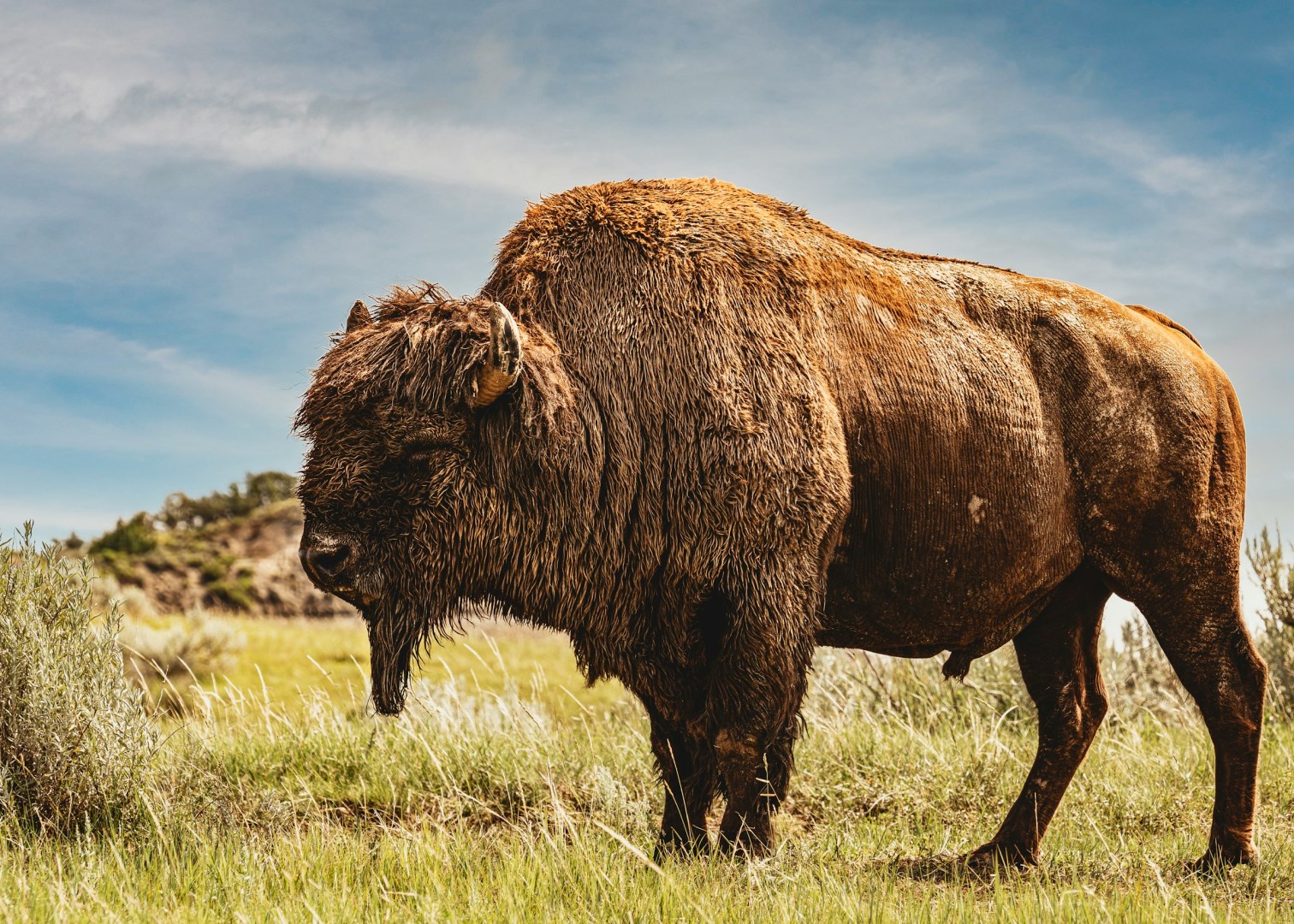
North Dakota
North Dakota invites travelers to explore a landscape where wide-open prairies meet dramatic badlands, and small towns preserve traditions that stretch back generations. At Theodore Roosevelt National Park, visitors can watch wild bison graze under the vast sky or drive along the scenic Loop Road to see wild horses, prairie dogs, and colorful rock formations that seem painted by time.
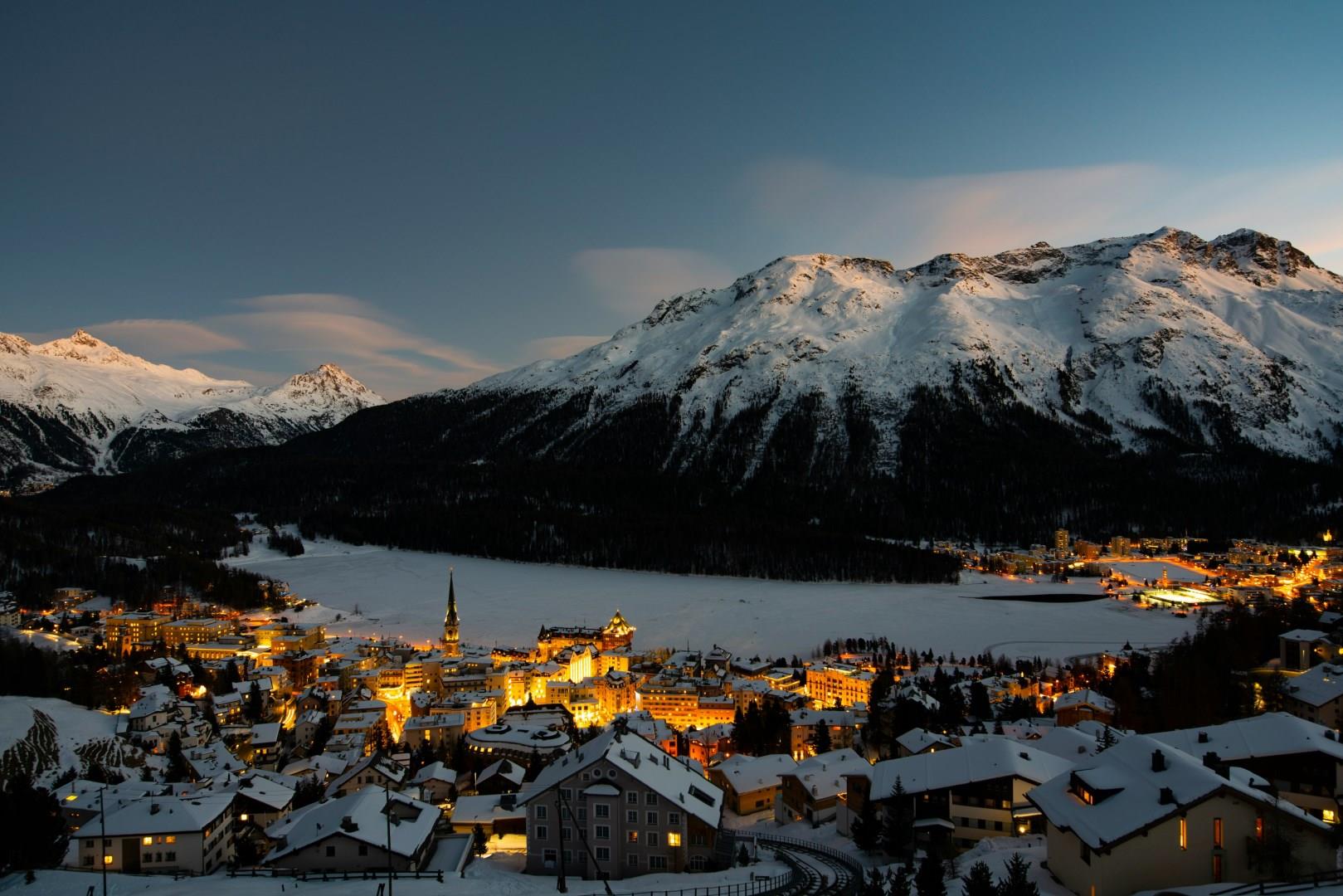
St. Moritz
St. Moritz, located in Switzerland’s Engadin Valley, has been attracting visitors for over 150 years, long before the term "alpine resort" became common. It was here in 1864 that winter tourism was born, when a hotelier made a wager with British guests that they would enjoy the snow just as much as the summer sun. They returned, and the rest is history. The town has since hosted the Winter Olympics twice (in 1928 and 1948) and remains a favorite for skiing, snowboarding, and ice sports.

Georgia
Georgia, nestled at the crossroads of Europe and Asia, is a country defined by dramatic landscapes, rich traditions, and a deep sense of history. The snow-capped Caucasus Mountains rise in the north, offering scenic hiking trails and ancient villages, while the Black Sea coastline in the west provides a warmer, more relaxed atmosphere.
