
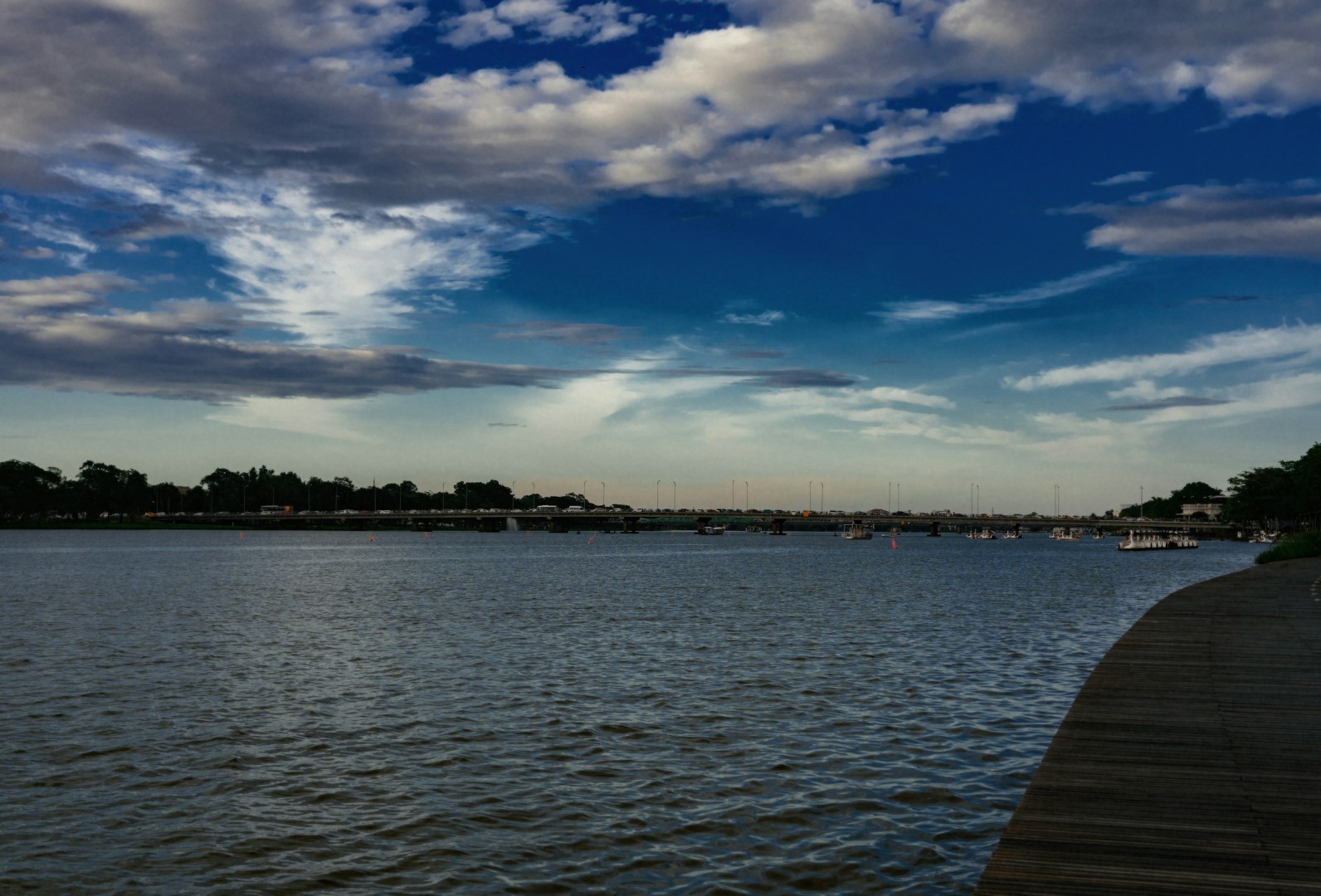
Perfume River
The Perfume River flows through Hue in central Vietnam, linking the city's historic districts with the surrounding countryside before reaching the Tam Giang–Cau Hai lagoon system. The river is a defining feature of Hue's landscape, passing beneath bridges, alongside gardens, and past important imperial and religious landmarks.
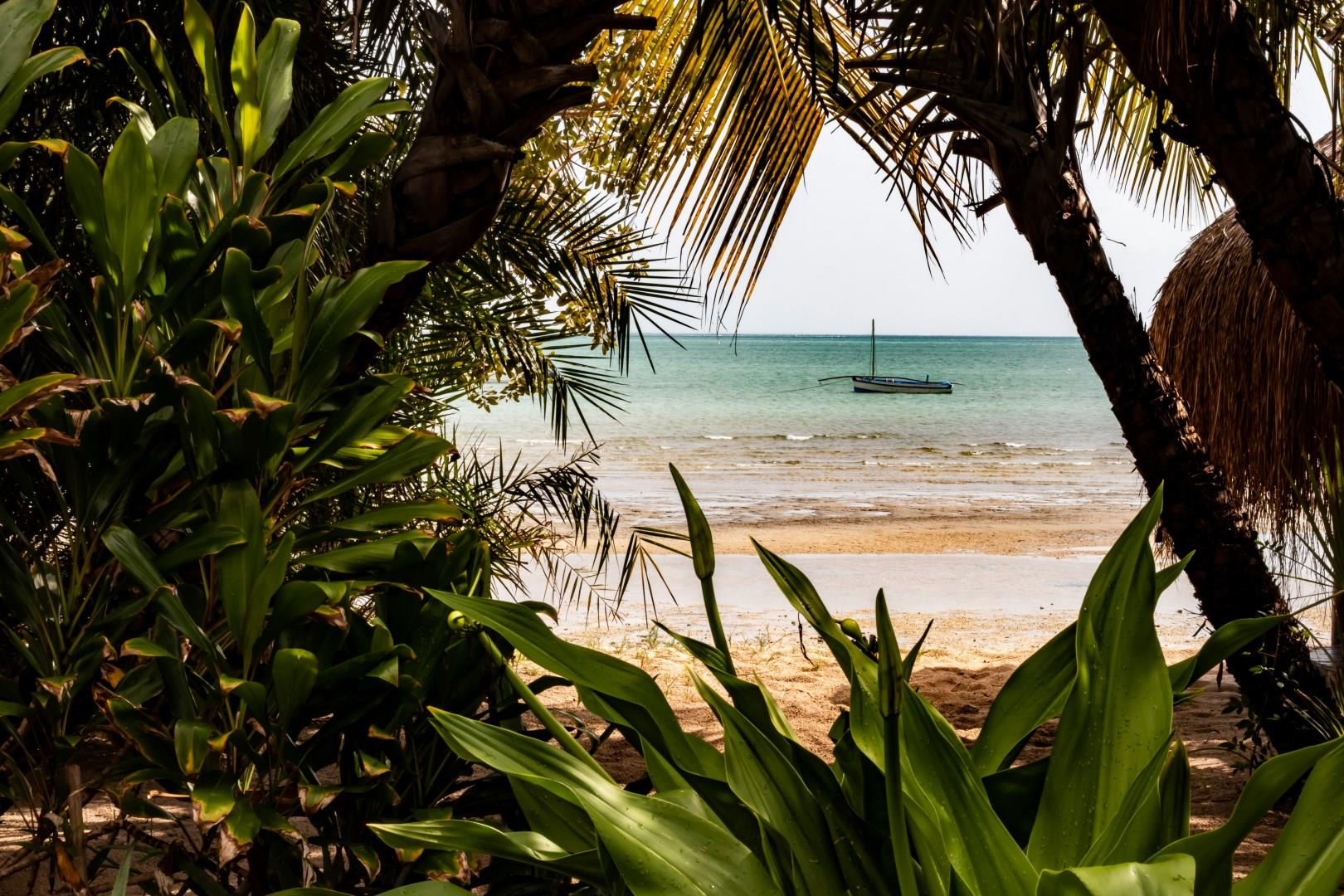
Benguerra Island
Benguerra Island, part of Mozambique’s Bazaruto Archipelago, is a tropical paradise known for its pristine beaches, turquoise waters, and rich marine life. Accessible by boat from Vilankulo, the island offers a secluded retreat where visitors can enjoy sun-soaked sandbanks, coral reefs, and the gentle sway of palm trees. Its small size and limited development help maintain an intimate atmosphere that feels far removed from bustling tourist hubs.
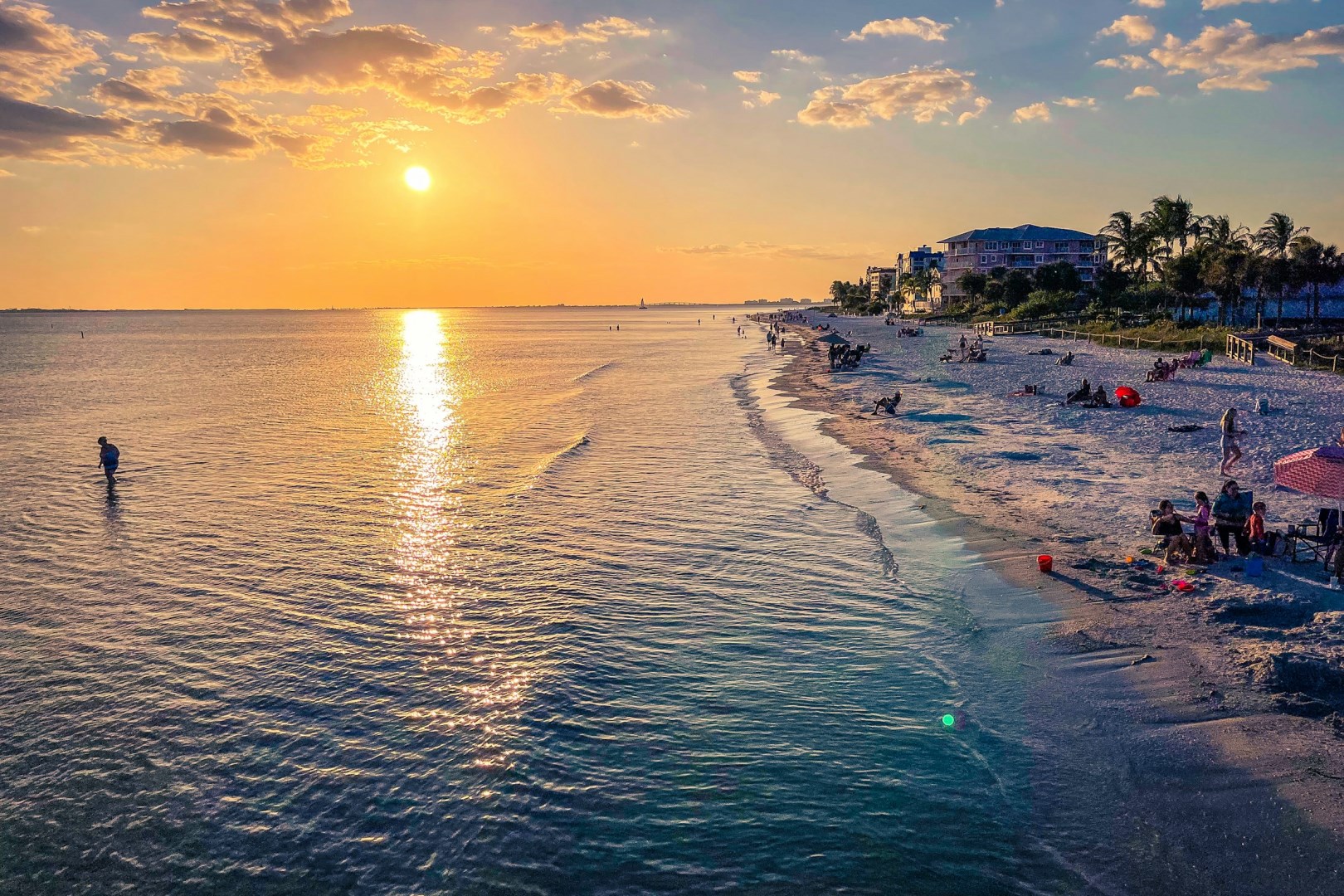
Fort Myers
Fort Myers is a city on Florida’s southwest Gulf Coast, located along the Caloosahatchee River near its entrance to the Gulf of Mexico. The city combines a historic downtown, riverfront parks, residential neighborhoods, and access to beaches and coastal islands. Its location makes waterways central to recreation, with boating, fishing, kayaking, and wildlife viewing available on the river and nearby Gulf waters. Fort Myers is also known for the winter estates of Thomas Edison and Henry Ford.

Great Smoky Mountains National Park
Great Smoky Mountains National Park stretches across the border of Tennessee and North Carolina, protecting a broad section of the southern Appalachian Mountains. The park is known for forested ridges, mist-covered peaks, clear streams, and an exceptional variety of plant and animal life. Its landscape changes with elevation, from rich hardwood forests in the valleys to spruce-fir forests near the highest summits.
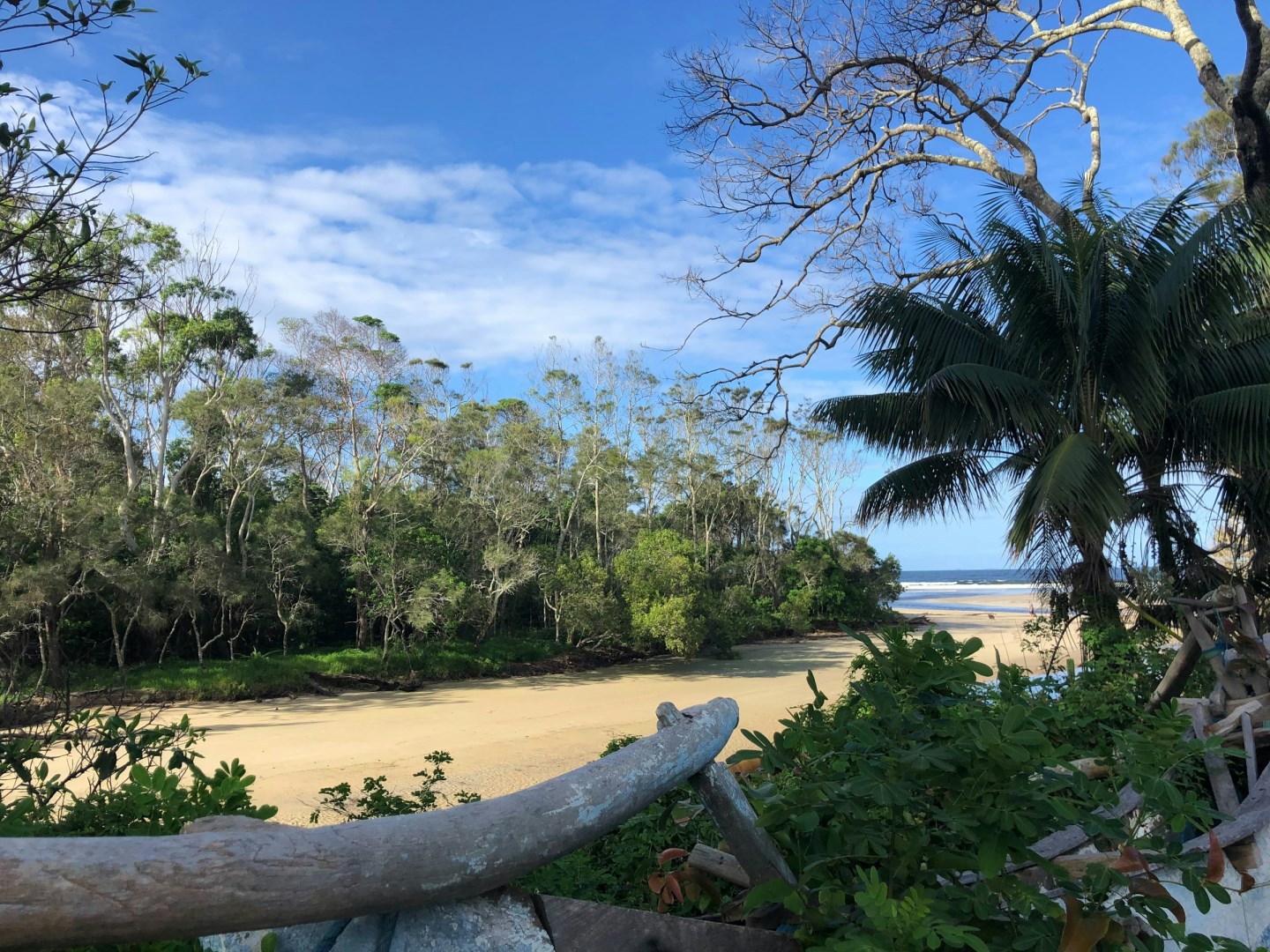
Arrawarra
Arrawarra is a small coastal community on the Mid North Coast of New South Wales, located north of Coffs Harbour. Its landscape centres on Arrawarra Headland, where a sandy beach meets rocky shoreline, coastal vegetation, and waters protected within the Solitary Islands Marine Park. The area is known for surfing, fishing, swimming, beach walking, and exploring rock pools.
