
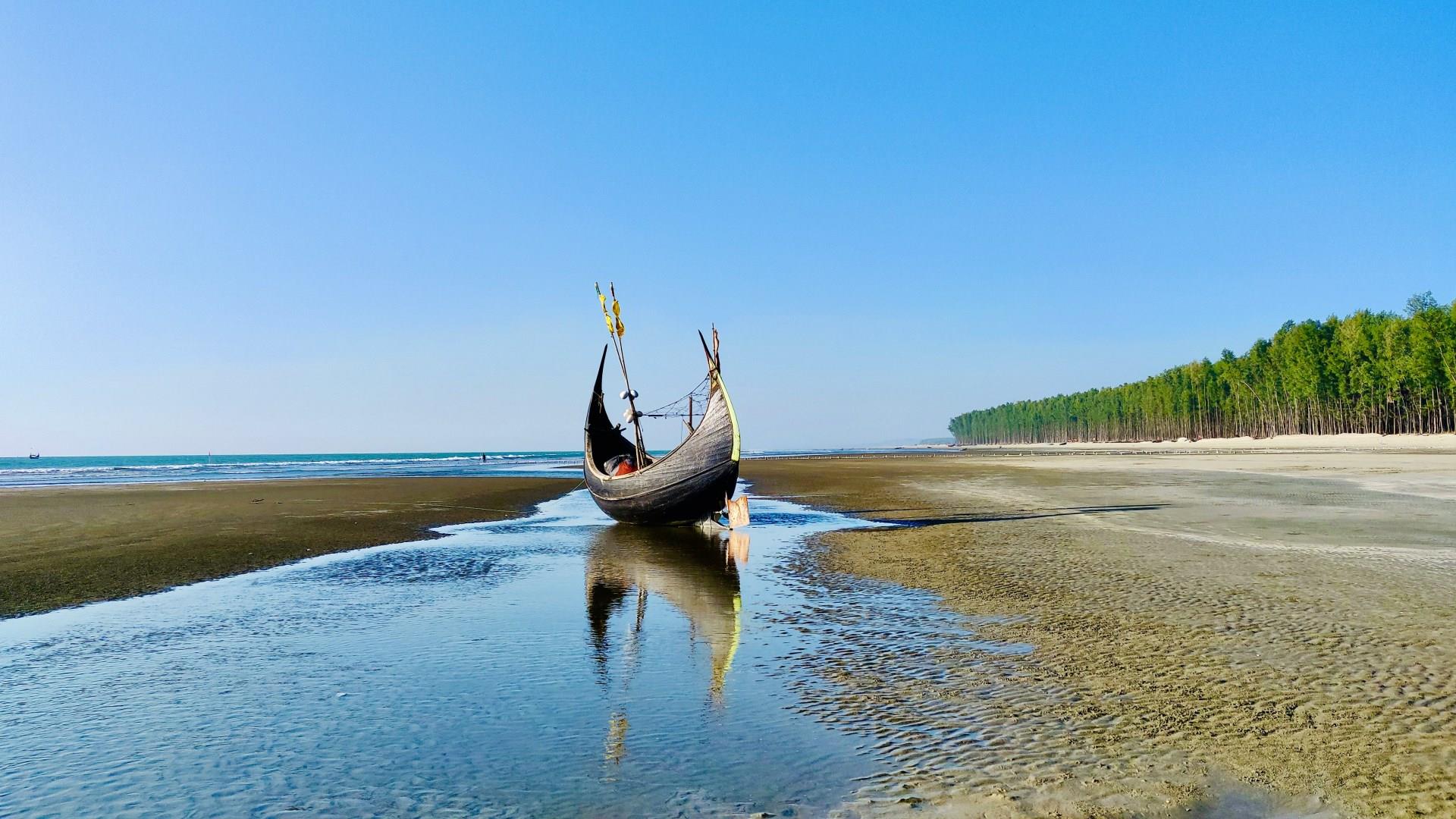
Bangladesh
Bangladesh, set in the heart of South Asia, is known for its lush greenery and waterways. It is often described as the “land of rivers,” with the Ganges, Brahmaputra, and Meghna weaving through its landscapes.
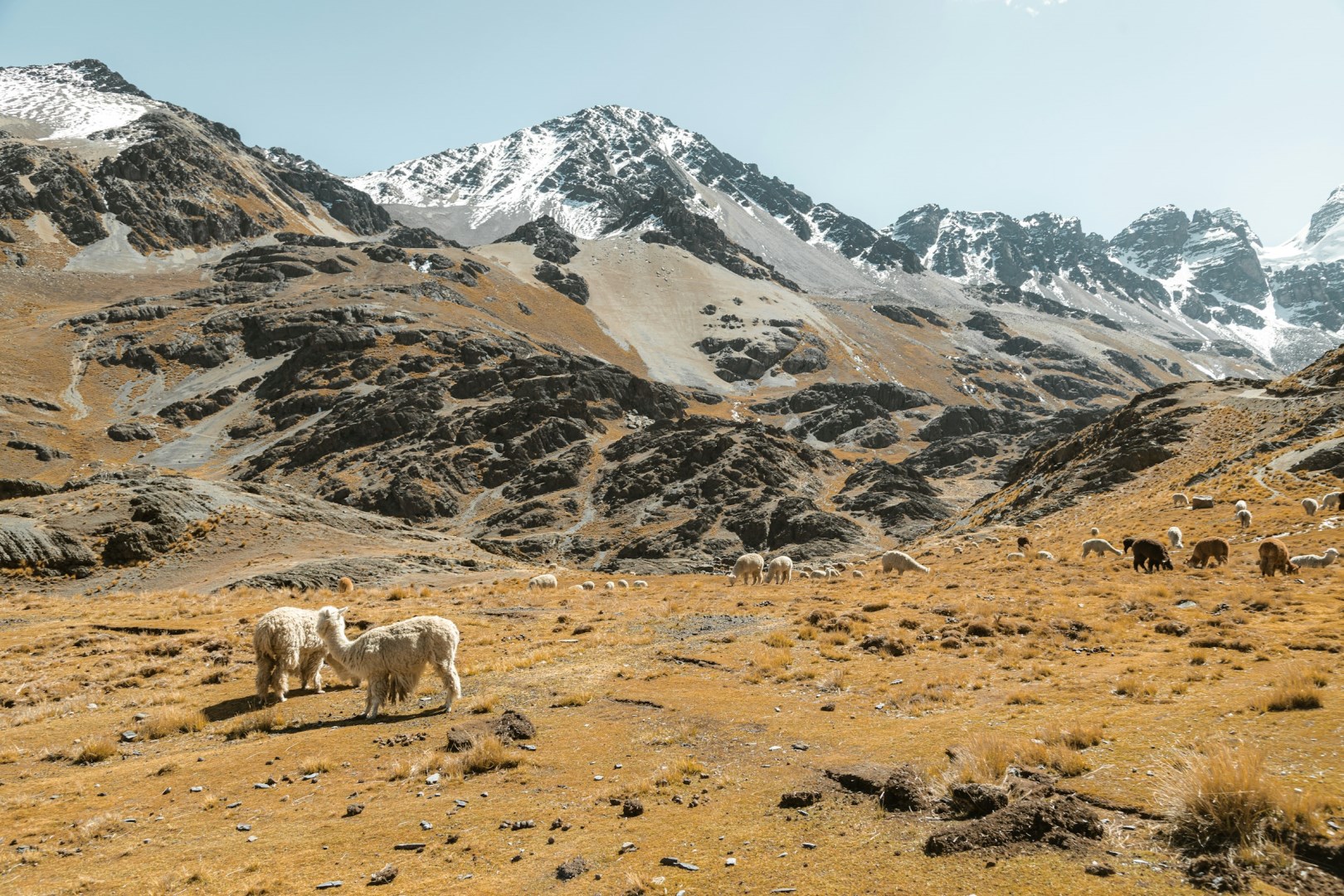
Kunturiri
Kunturiri is a high-altitude mountain area in Bolivia’s Cordillera Real, north of La Paz. The name comes from the Aymara word for condor, reflecting the region’s close connection with Andean landscapes and wildlife. Kunturiri is characterized by rugged peaks, glacial terrain, mountain lakes, and broad views across the high Andes. The area lies within a remote section of the Cordillera Real, where steep mountains rise above the surrounding Altiplano.

Le Havre
Le Havre is a captivating port city in Normandy, France where the English Channel meets the Seine River. Having evolved from a small fishing village into a bustling maritime hub, it is a blend of rich history, modern architecture, and stunning natural beauty. The city's historic roots are especially evident in landmarks such as the Graville Abbey, one of the oldest monuments in the area, and the impressive St. Joseph's Church, a modern architectural marvel designed by Auguste Perret.
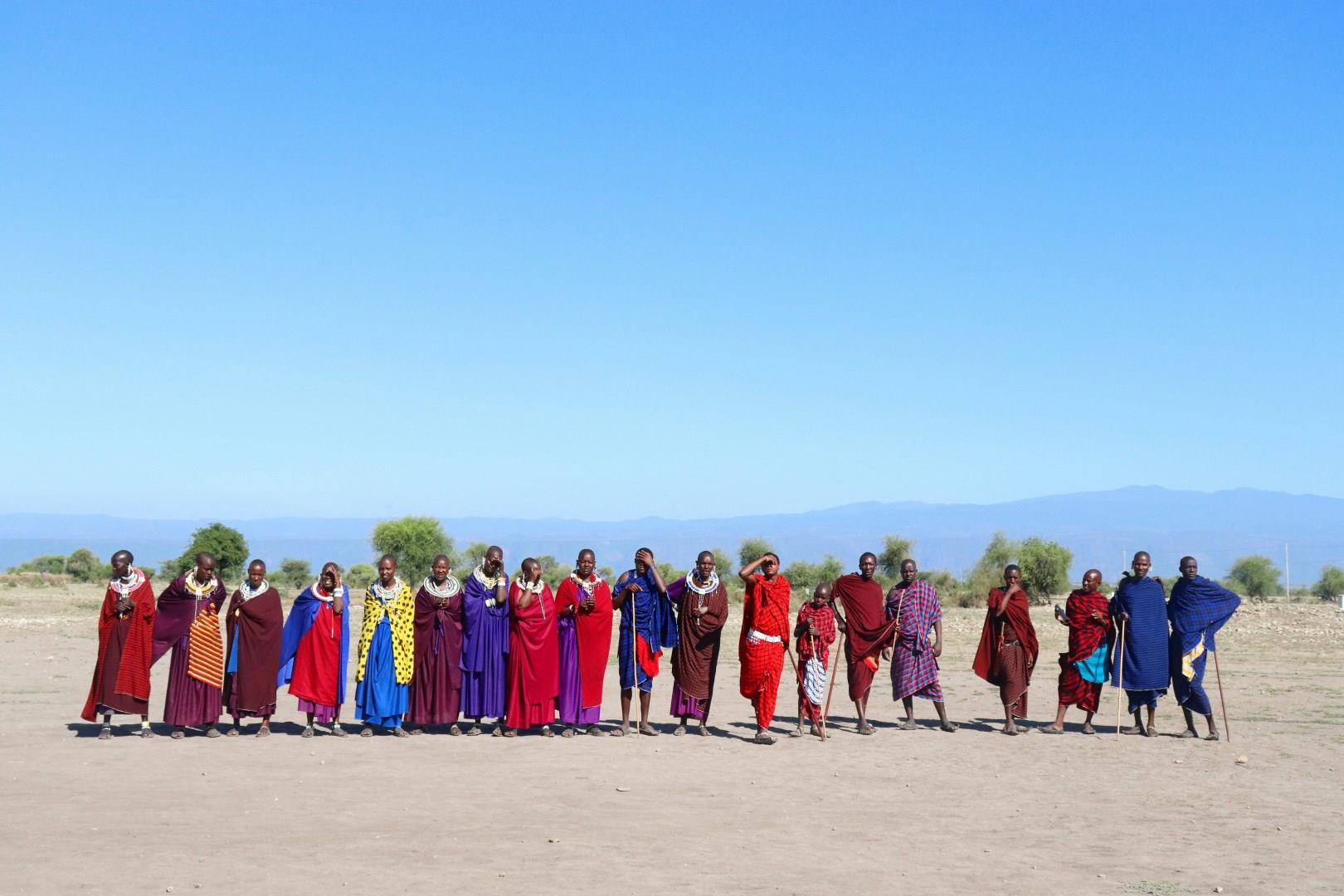
Karatu
Karatu, located in northern Tanzania between Lake Manyara and the Ngorongoro Crater, is more than just a stopover for safari-goers. This highland town, surrounded by rolling farmland and volcanic hills, offers travelers a closer look at daily life in the region. The area is home to the Iraqw people, known for their terraced farming, traditional homesteads, and unique language unrelated to most other East African tongues.
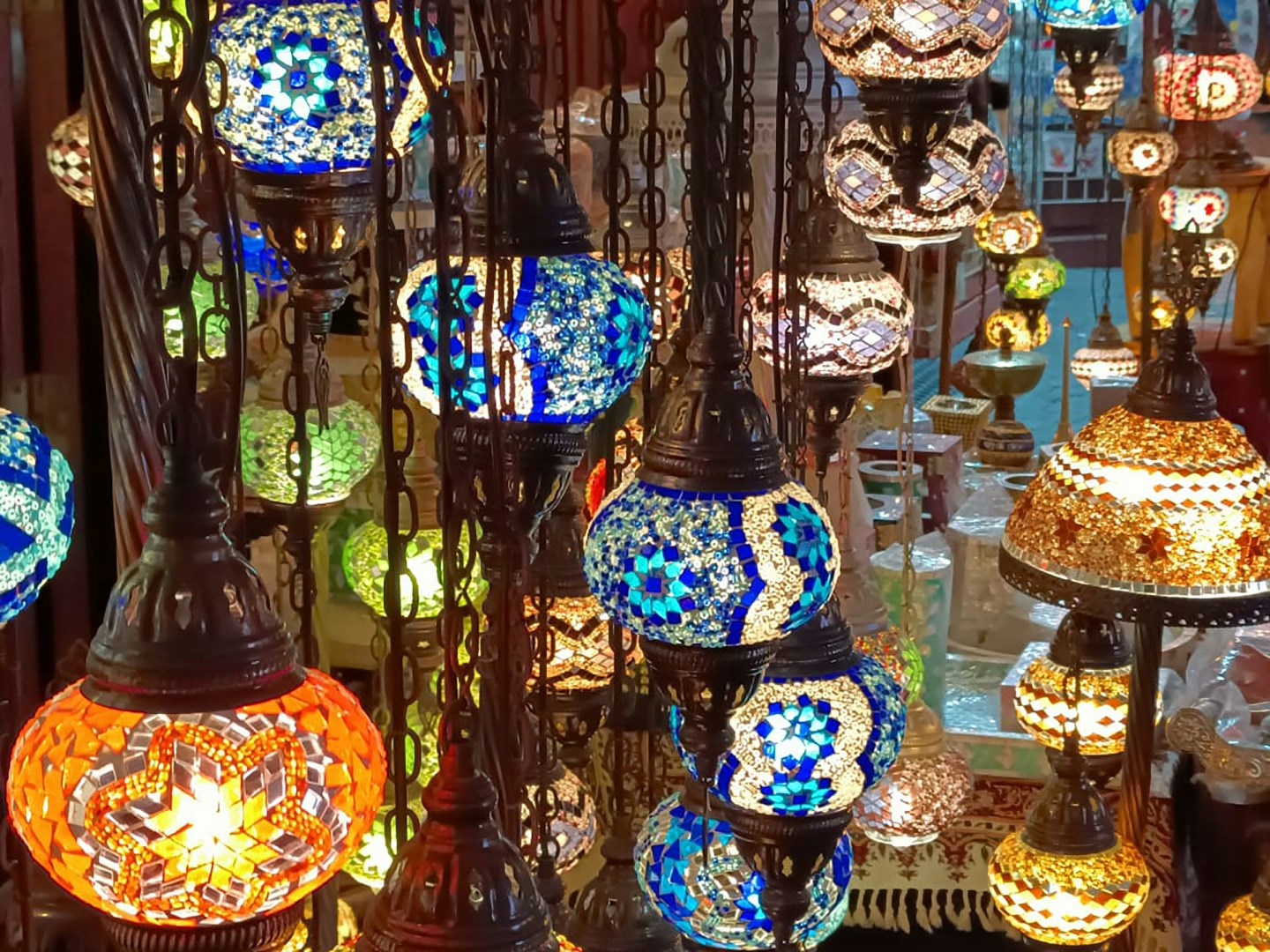
Bahrain
Bahrain, the only island nation in the Arabian Gulf, offers a unique blend of ancient heritage and modern flair. Away from the city, Bahrain’s landscape surprises many. The Tree of Life, a lone 400-year-old mesquite standing in the desert with no known water source, continues to puzzle scientists and inspire travelers.
