
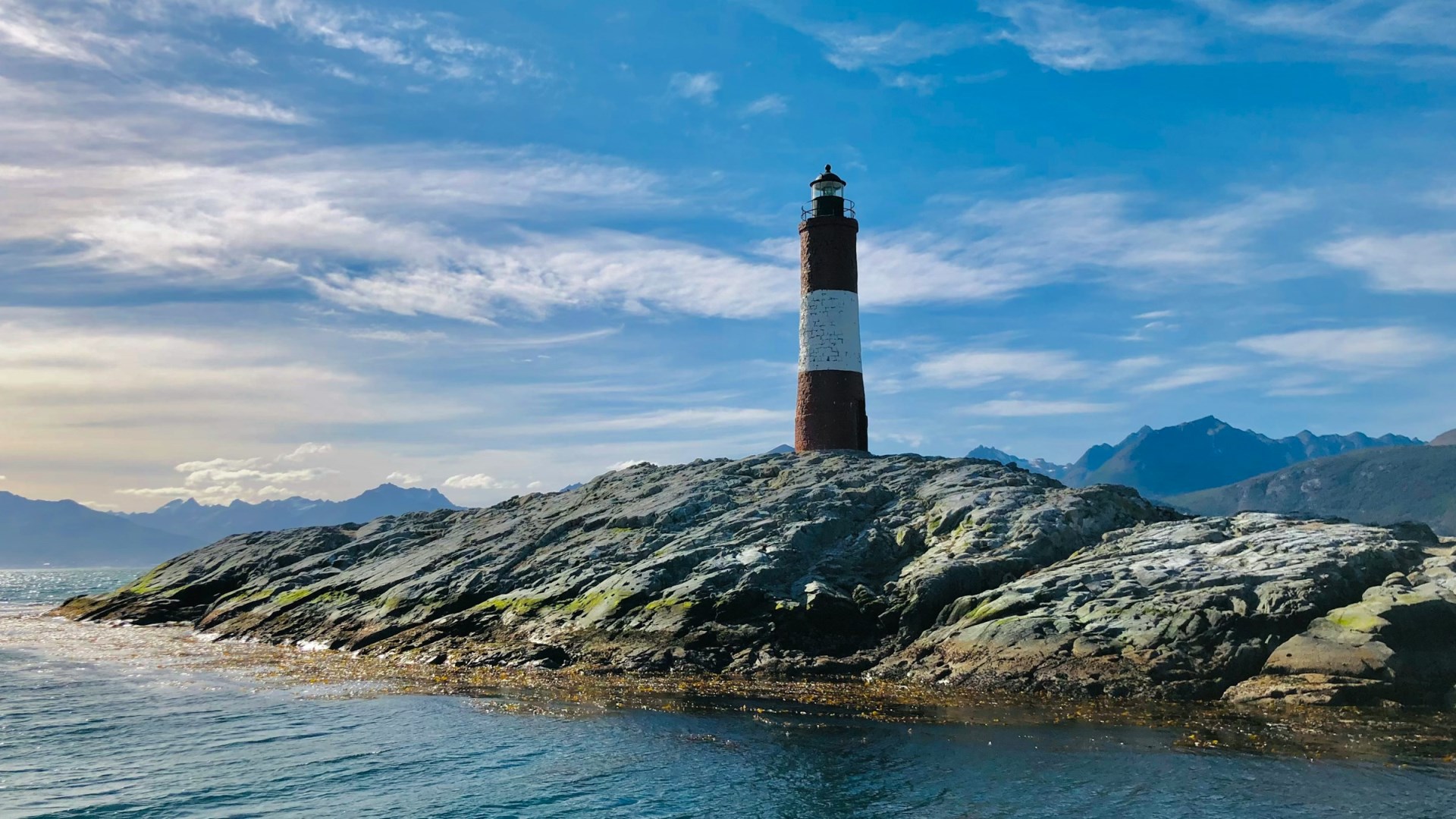
Tierra Del Fuego
Argentina shares half of this island territory in the South Atlantic Ocean with Chile. It's a place of oil derricks, sheep, glaciers, wind and waterways. Ushuaia and Río Grande are the two main towns; awesome scenery, wild walks and fishing are the island's main attractions. Argentina's only coastal national park comprises rivers, lakes, forests and glaciers, with great trekking and wildlife-spotting opportunities.
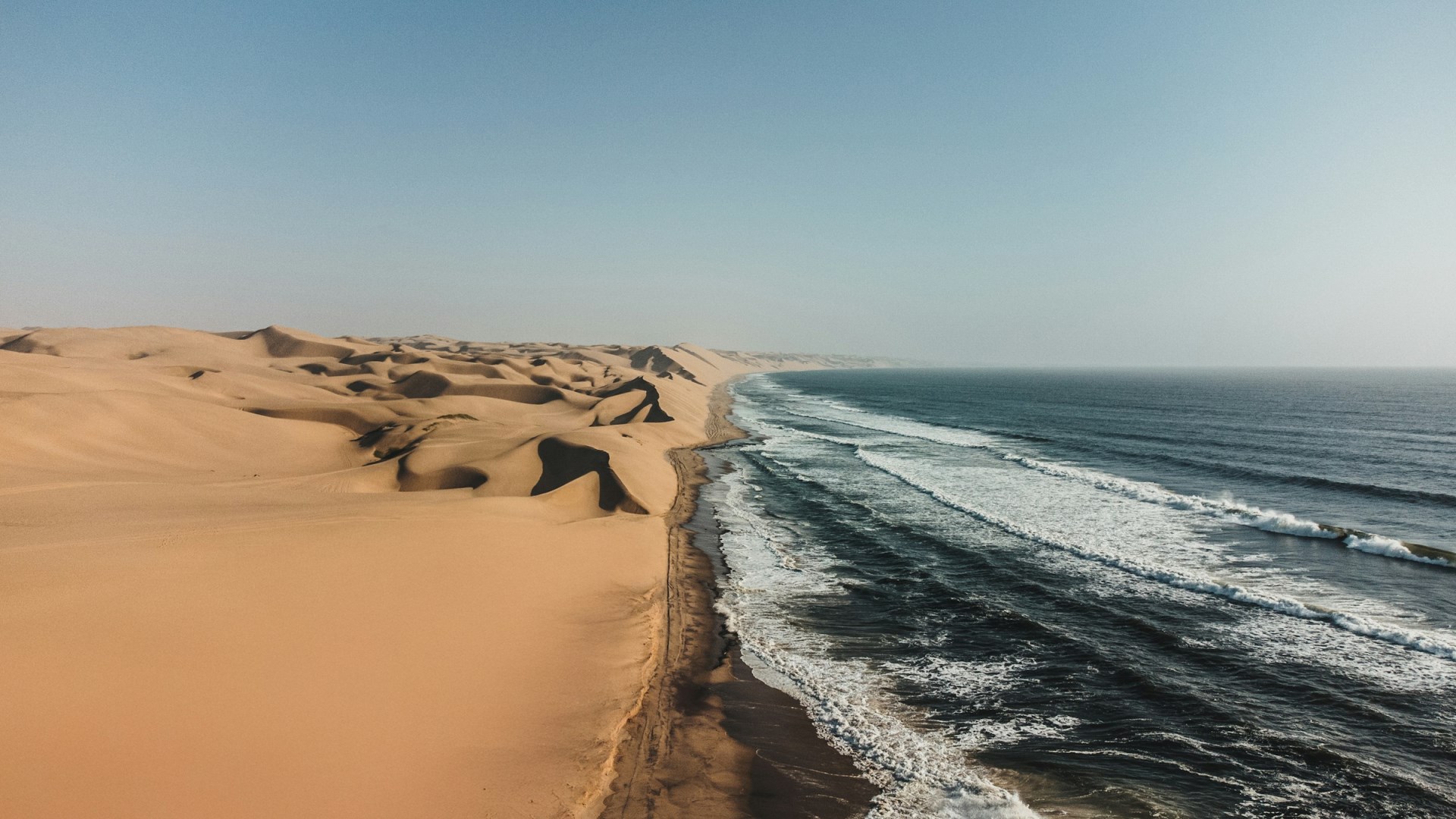
Sandwich Harbour
Sandwich Harbour is a remote coastal wetland within Namib-Naukluft National Park, about 55 kilometres south of Walvis Bay. It lies where the Namib Desert meets the Atlantic Ocean, with tall dunes rising beside a lagoon, mudflats, and shallow coastal waters. The area is part of the Namib Sand Sea, where wind and ocean moisture shape one of the world's most distinctive desert environments.
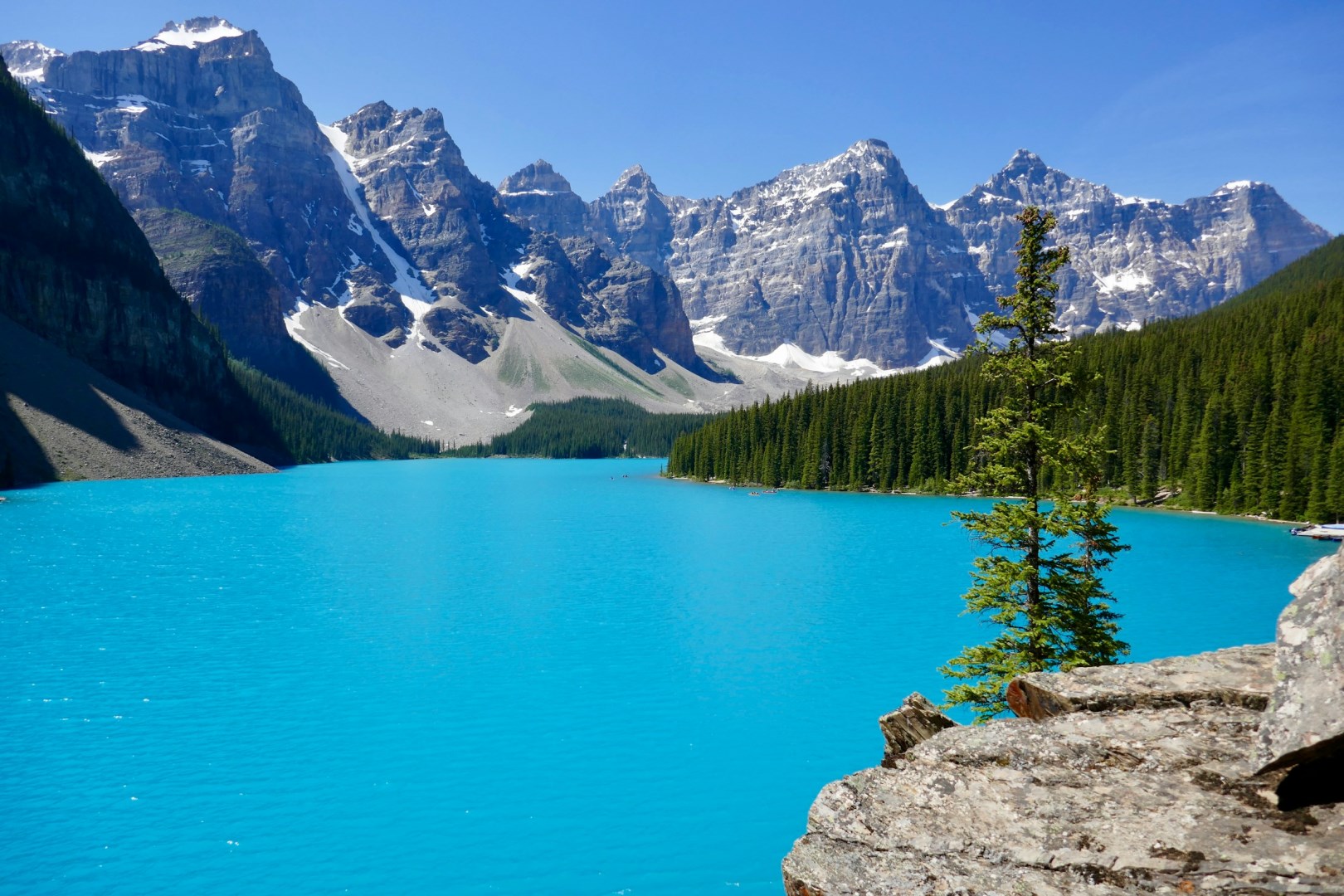
Moraine Lake
Moraine Lake is a glacial lake in Banff National Park, Alberta, surrounded by the peaks of the Valley of the Ten Peaks. Its turquoise water is fed by glacial meltwater, while dense coniferous forest covers the lower slopes around the shoreline. The lake sits in a high mountain basin reached by a winding road from the Lake Louise area. Its setting within the Canadian Rockies places it among alpine landscapes of steep peaks, glaciers, rock faces, and mountain valleys.
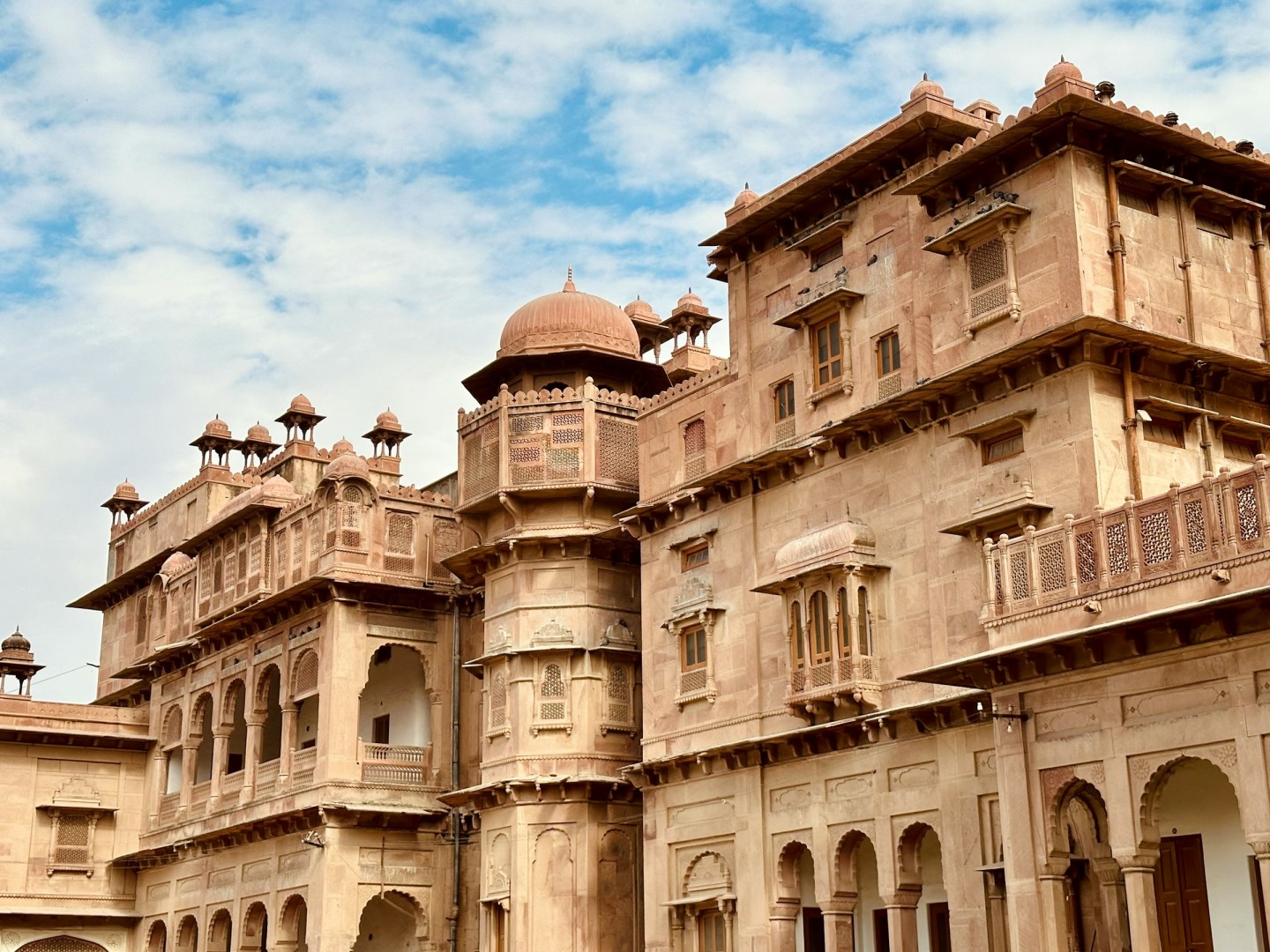
Bikaner
Bikaner is a historic city in Rajasthan, set on the edge of the Thar Desert in northwestern India. Its landscape is characterized by sandy plains, sparse vegetation, and hardy desert crops, while the city itself is known for its fortified walls, ornate havelis, temples, and busy bazaars. Bikaner developed as an important trading center on desert routes, and its architecture reflects the wealth created through commerce. Today, the city remains closely associated with desert culture, camel breedin
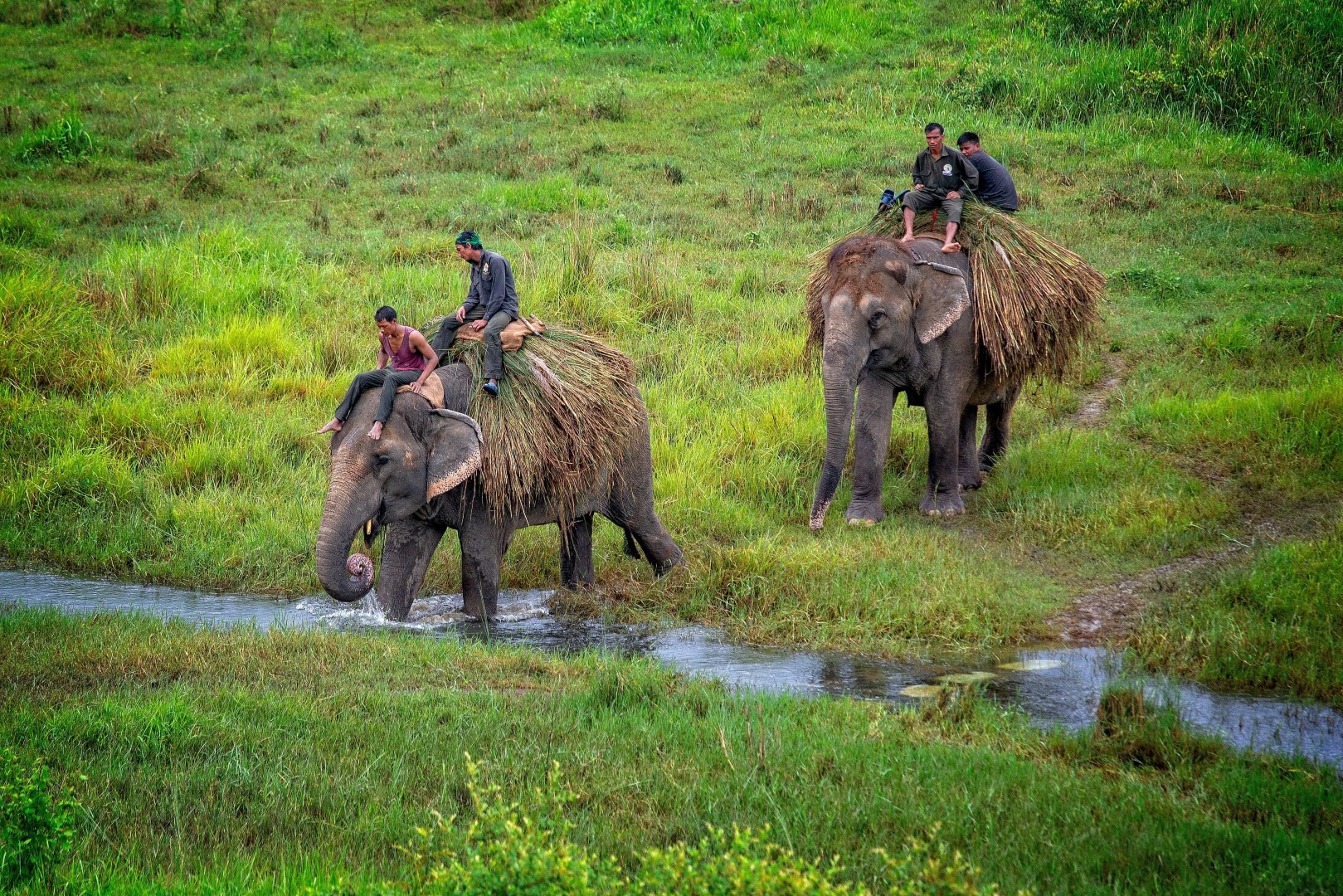
Chitwan National Park
Chitwan National Park is one of Nepal’s most important protected natural areas. Located in the subtropical lowlands of southern Nepal, the park is known for dense sal forests, grasslands, rivers, and a large concentration of wildlife.
