
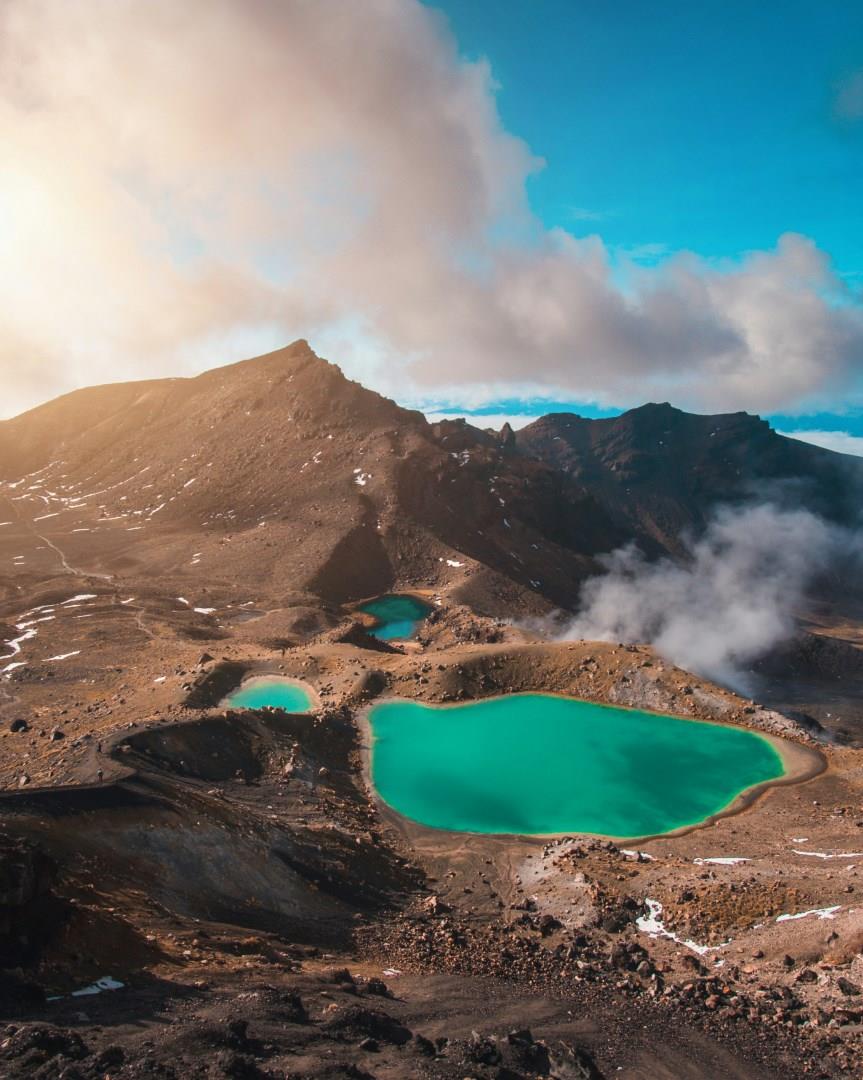
Tongariro National Park
Tongariro National Park, on New Zealand’s North Island, holds deep cultural meaning as well as striking geological presence. It was the country’s first national park, gifted to the nation by Ngāti Tūwharetoa chiefs in the 19th century, establishing a model that tied conservation to Māori guardianship. The volcanic peaks of Tongariro, Ngāuruhoe, and Ruapehu are considered ancestors, giving the landscape a living cultural identity rather than a purely scenic one.

Broome
Broome, located in Western Australia, is a captivating destination that offers a unique blend of natural beauty, cultural heritage, and adventurous experiences. Nestled along the stunning Kimberley coast, Broome is renowned for its breathtaking Cable Beach, a 22-kilometer stretch of pristine white sand lapped by azure waters.

Melk
Nestled along the south bank of the Danube, this historical Austrian city bursts with charm. A favorite stop on European river cruises, the city's most famous attraction is Melk Abbey, which dates back to the 11th century. The original Benedictine structure was lost to fires and foreign invasion, then rebuilt during the 18th century in lavish Baroque style, including a library and inner church covered in magnificent frescoes and gilded fixtures.

Nelson Lakes National Park
Nestled in the heart of New Zealand's South Island, Nelson Lakes National Park is a paradise for nature enthusiasts and adventure seekers alike. This breathtaking park is renowned for its stunning lakes, dense beech forests, and rugged mountains. The twin lakes, Rotoiti and Rotorua, are the park's crown jewels, offering crystal-clear waters framed by lush greenery. Visitors can explore these serene lakes by taking a scenic boat ride or embarking on a picturesque hike along their shores.
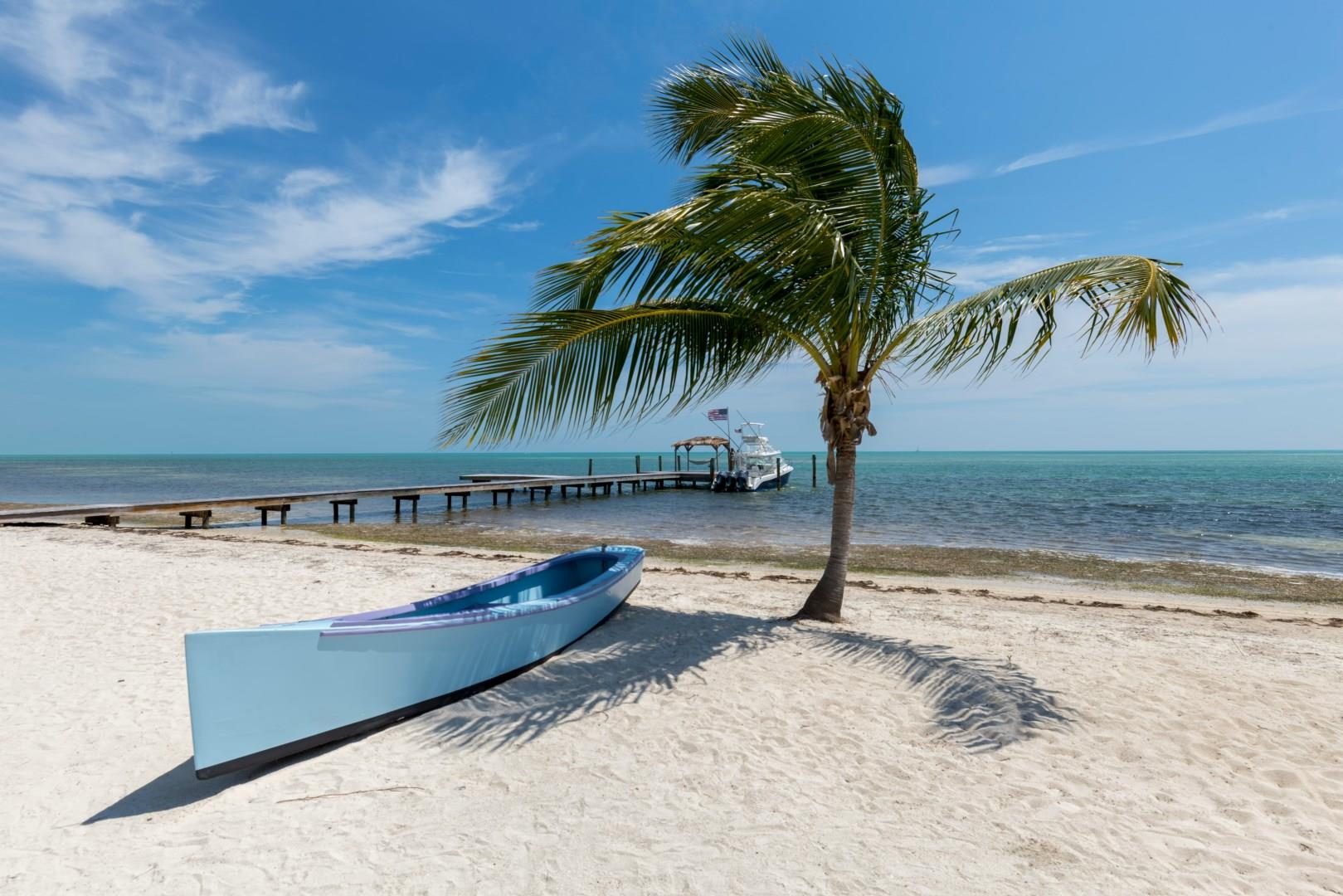
Islamorada
Islamorada, located in the Florida Keys, is a chain of islands often referred to as the “Village of Islands.” Known for its turquoise waters, coral reefs, and vibrant fishing culture, it is a premier destination for anglers, snorkelers, and divers.
