
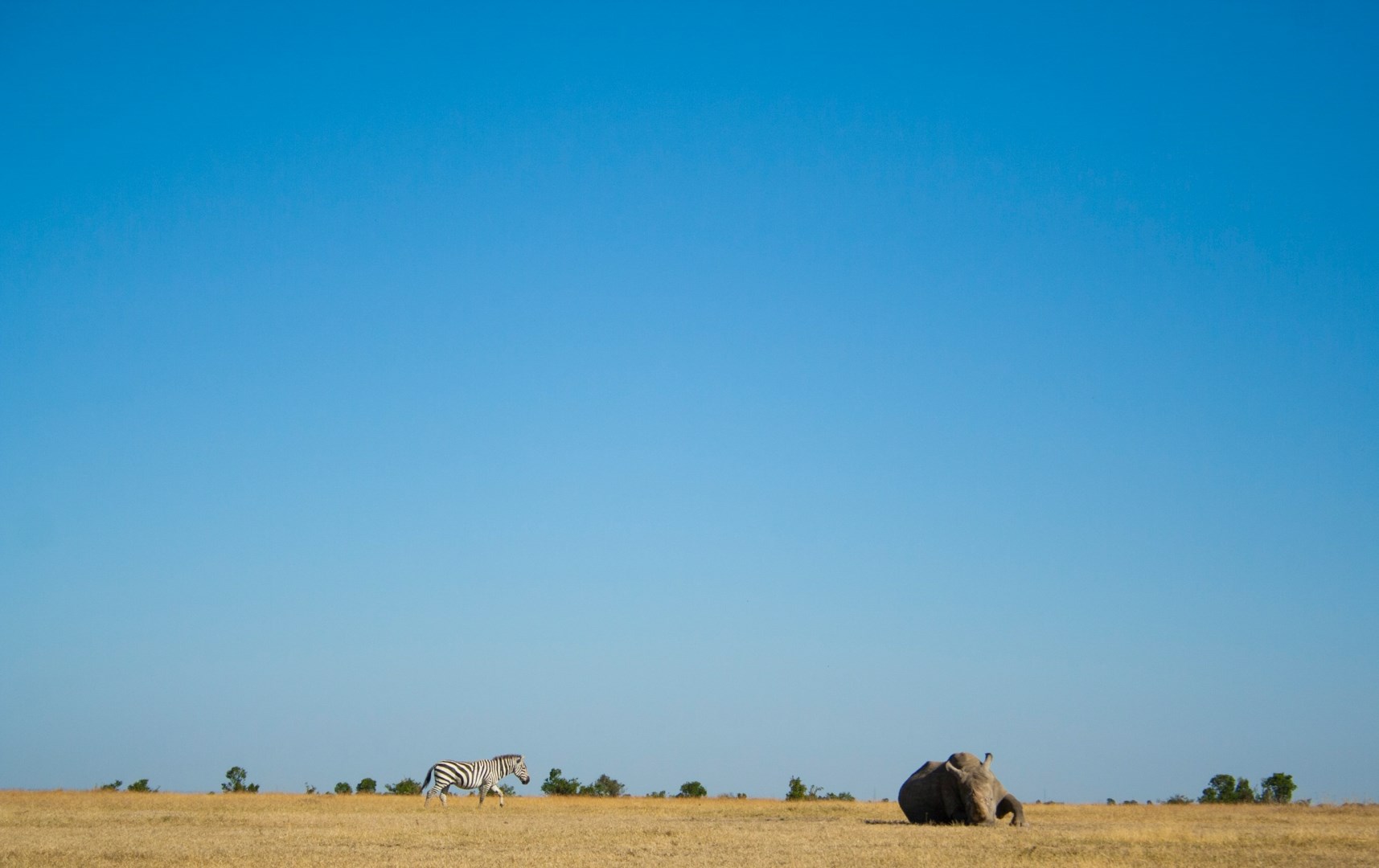
Nanyuki
Nanyuki, located on the equator in central Kenya, is a lively town that serves as a gateway to Mount Kenya and the Laikipia Plateau. Founded by British settlers in the early 20th century, it still carries traces of its colonial past while embodying the energy and diversity of modern Kenya.
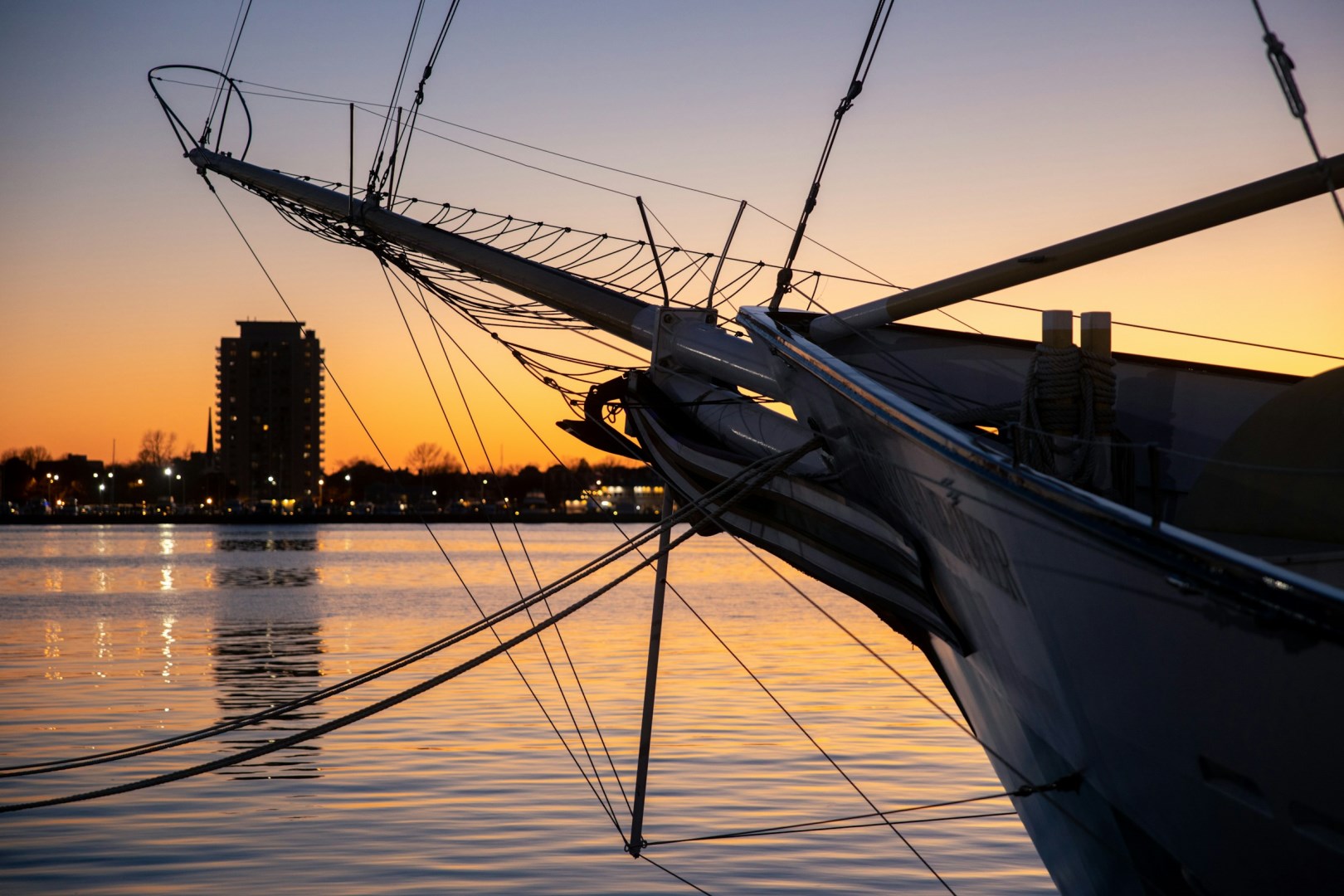
Norfolk
Norfolk, the second largest city in Virginia (after Virginia Beach) is located at the mouth of the James, Elizabeth, and Nansemond rivers, near the outlet of Chesapeake Bay on the Atlantic Ocean. With the cities of Hampton, Portsmouth, and Newport News, Norfolk forms the port of Hampton Roads, one of the greatest natural harbors in the world.

Agropoli
Agropoli is a coastal town in Campania’s Cilento area, built around a rocky promontory overlooking the Tyrrhenian Sea. Its historic center rises above the waterfront and is reached through the Porta di Agropoli, a stone gateway leading into a network of narrow lanes and steps. The town combines a working harbor and beaches with an elevated old quarter, creating a landscape shaped by both maritime activity and hilltop settlement.

Frederiksted
Frederiksted is a historic coastal town on the western end of St. Croix in the U.S. Virgin Islands, set beside a deep-water bay and a long waterfront. Pastel-colored buildings, palm-lined streets, the Frederiksted Pier, and nearby beaches give the town a distinctly maritime setting. The compact community is closely associated with Fort Frederik, a red-brick Danish fort overlooking the harbor.

Puntarenas
Stretching along Costa Rica’s Pacific coast, Puntarenas offers more than just sandy shores. This historic port town once served as the country’s main gateway for coffee exports in the 19th century. Today, visitors can stroll along streets that echo stories of maritime trade and explore how Puntarenas helped shape Costa Rica's economic identity.
