
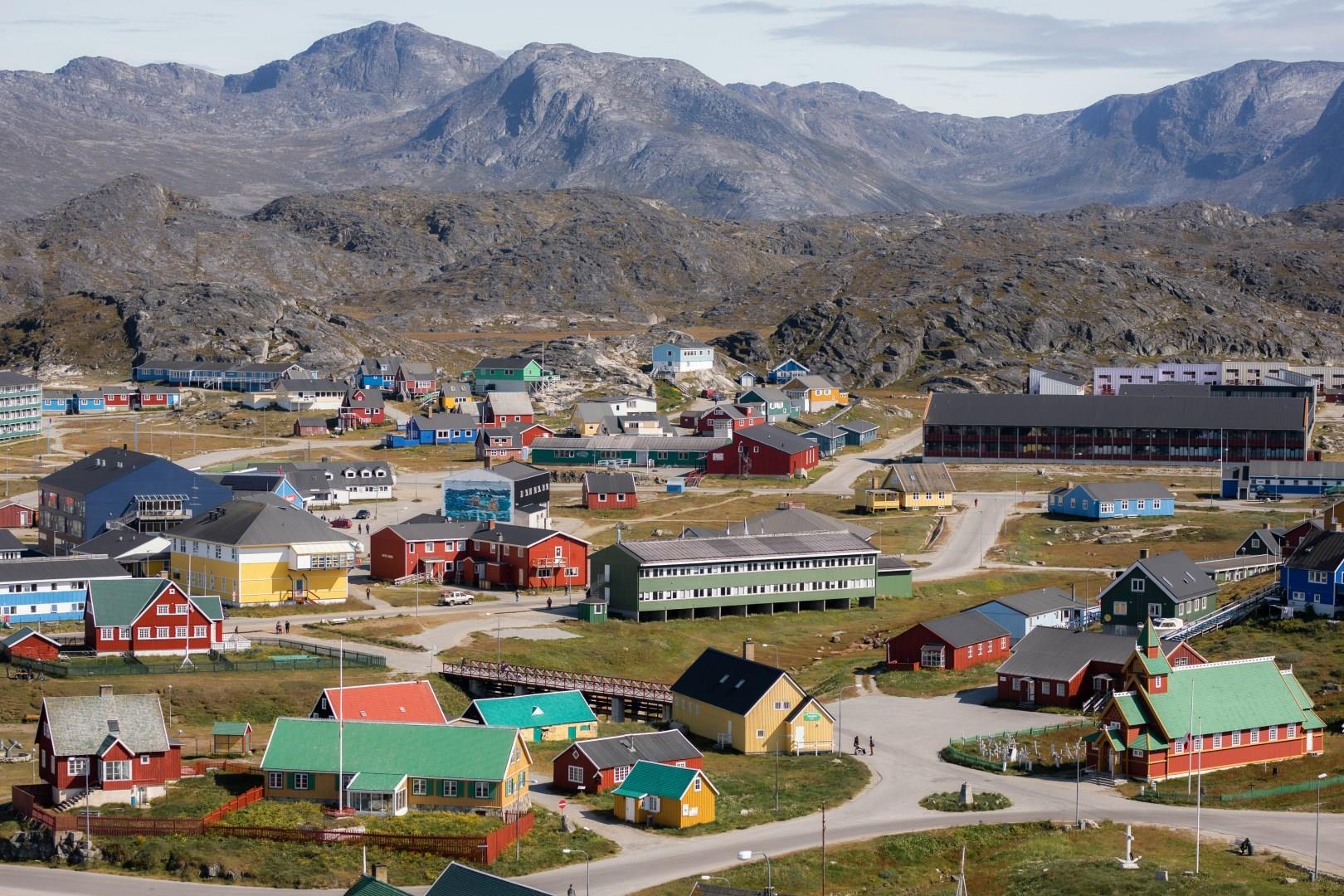
Paamiut
Paamiut lies on Greenland’s southwest coast, where the Labrador Sea meets a rocky, fjord-cut shoreline. Established in the 18th century as a Danish trading post and mission, the town developed around fishing and sealing, activities that continue to shape daily life.
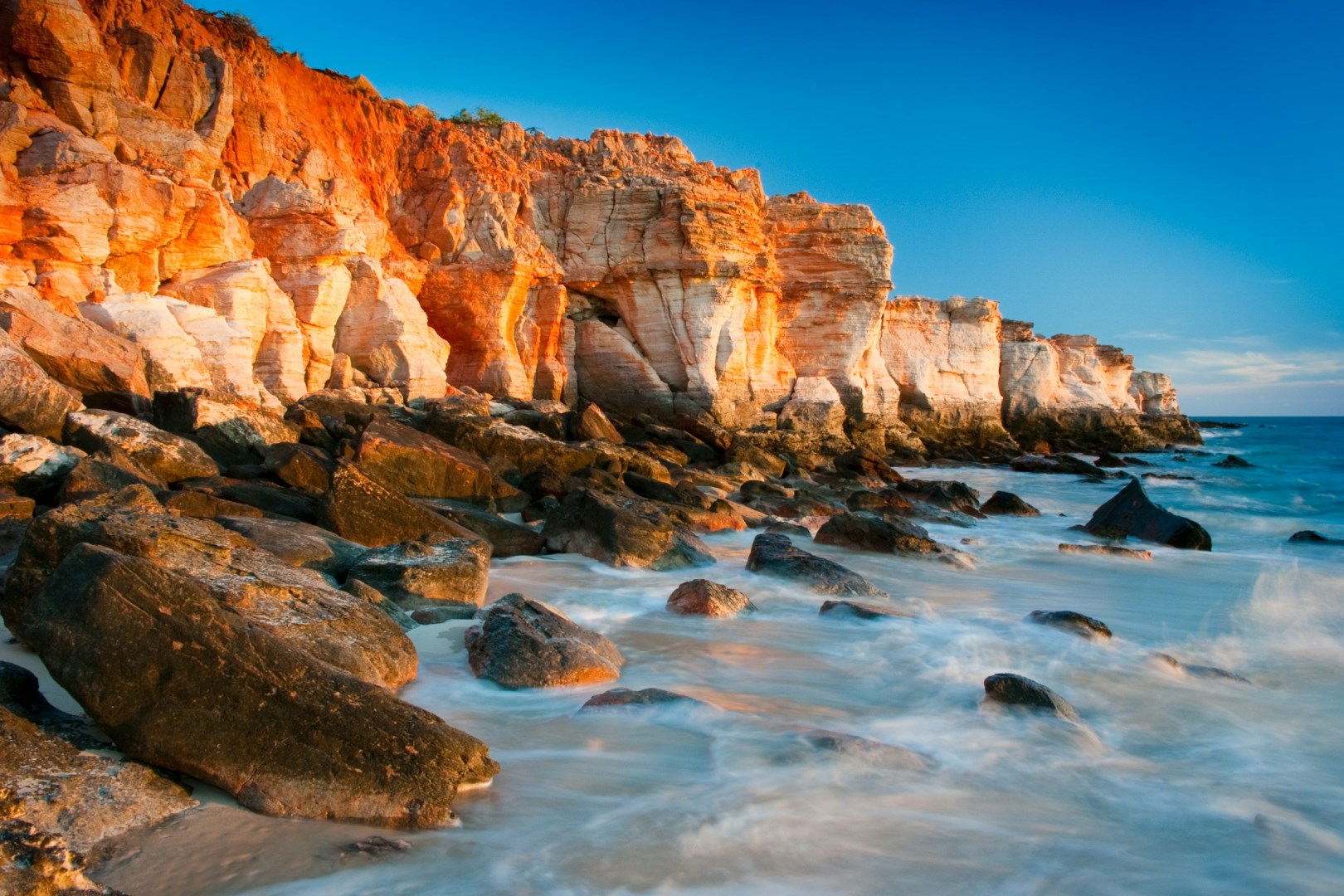
Dampier
Dampier Peninsula is situated along the north east coast of western Australia within the famous Kimberley. Around half of the Peninsula is covered by Aboriginal land, and so you should check with the Tourist Information Centre in Broome about the areas where you may not be permitted. However, there are several places where you can stay.

Belgium
Belgium may be compact, but it offers a surprising variety of experiences shaped by centuries of shifting borders, artistic innovation, and culinary tradition. In Brussels, the Grand Place sets the stage for history and architecture in one square lined with ornate guild halls. The city is also home to the European Union’s headquarters, surrealist painter René Magritte’s former house, and a lively comic book trail that winds through murals of Tintin and other Belgian icons.

Lao Cai
Lao Cai, a gateway city to the northern highlands of Vietnam, offers an alluring blend of cultural diversity, breathtaking landscapes, and a touch of French colonial heritage. Situated along the Red River and bordering China, Lao Cai is the starting point for adventurers heading to the famous terraced rice fields of Sapa, but it has its own unique charms to discover.

Wyoming
From Yellowstone National Park to the towering peaks of the Grand Tetons, Wyoming is home to some of the most dramatic and diverse landscapes in the country.
