
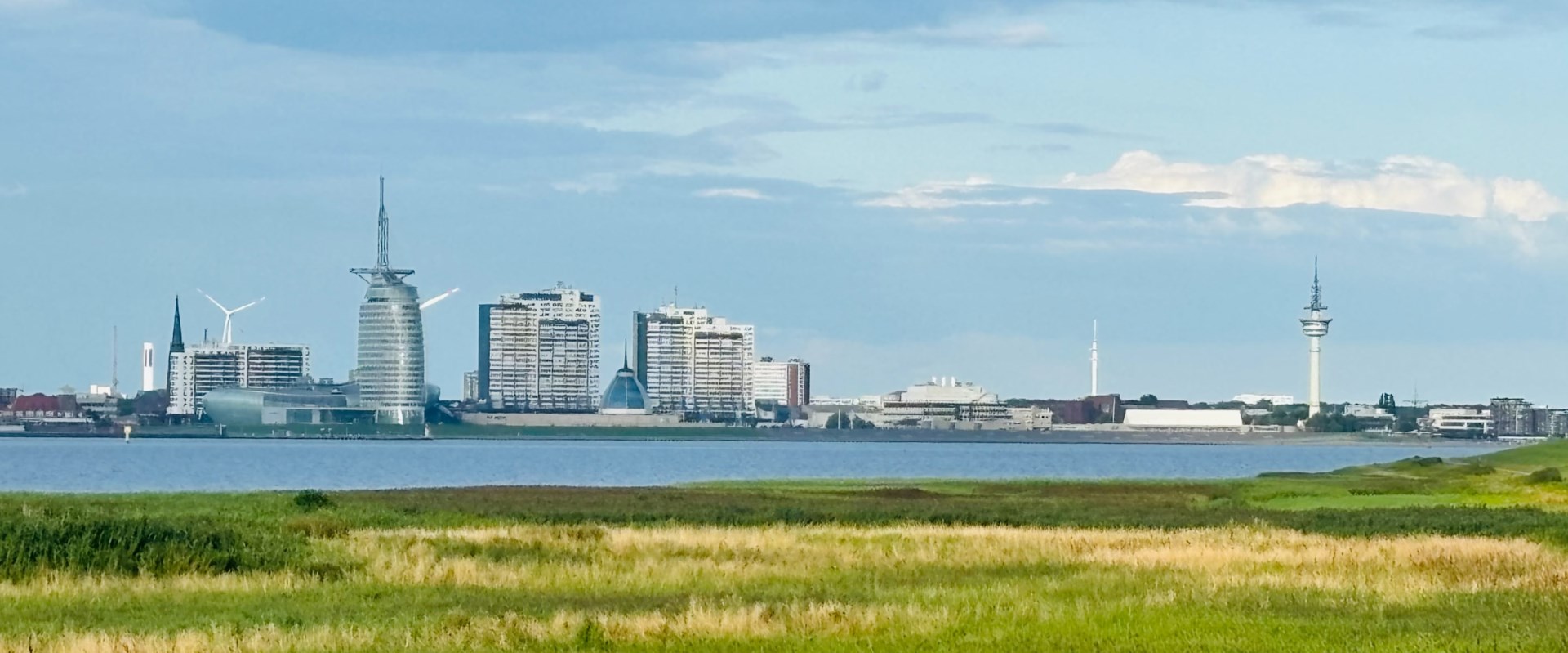
Bremerhaven
Bremerhaven, a port city on Germany’s North Sea coast, is known for its maritime heritage, bustling harbor, and cultural attractions. Founded in 1827 to serve as a gateway for Bremen’s shipping industry, it has grown into a major center for trade, logistics, and seafaring culture.

Perth
Perth is pleasantly sited on the Swan and Canning rivers, with the cerulean Indian Ocean to the west and the ancient Darling Ranges to the east. It claims to be the sunniest state capital in Australia and the most isolated capital city in the world.
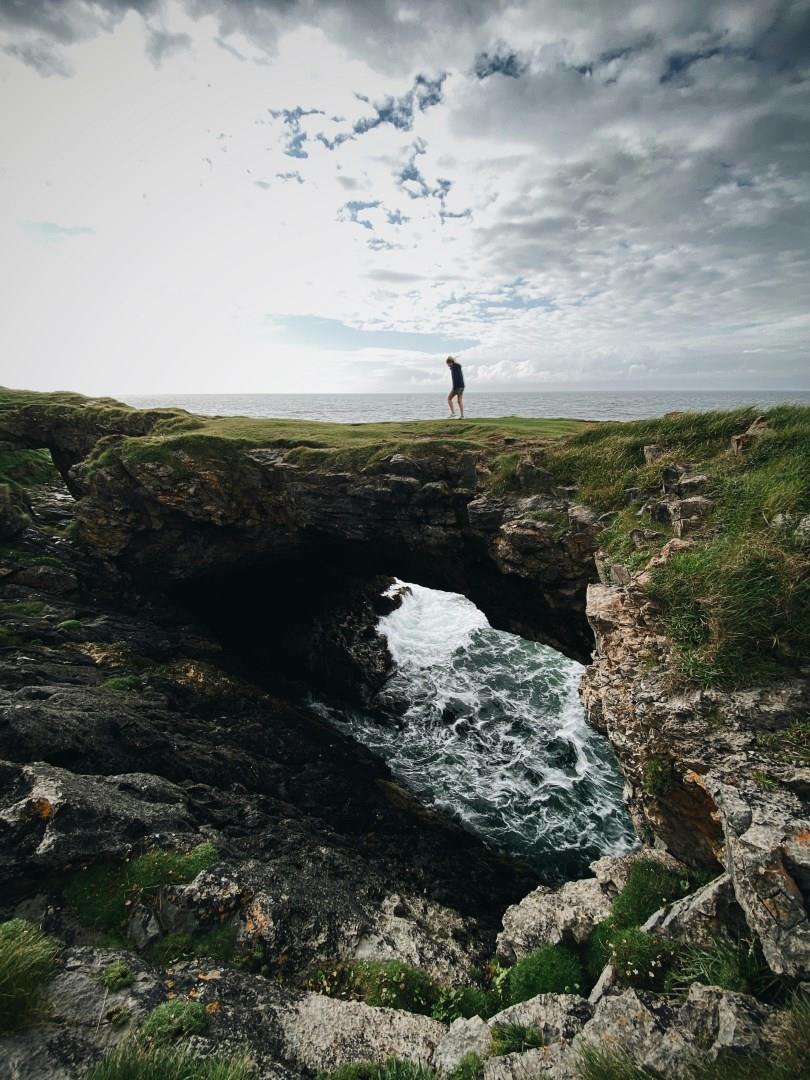
Westport
Westport, located on Ireland’s west coast in County Mayo, is a charming town renowned for its picturesque streets, lively cultural scene, and proximity to some of Ireland’s most scenic landscapes.

Chamonix
Nestled in the heart of the French Alps, Chamonix is a captivating destination renowned for its stunning alpine scenery and outdoor adventure opportunities. As the gateway to Mont Blanc, the highest peak in Western Europe, Chamonix is a haven for mountaineers, hikers, and skiers. The Aiguille du Midi cable car takes visitors up to 3,842 meters, offering breathtaking views of the surrounding peaks and glaciers.
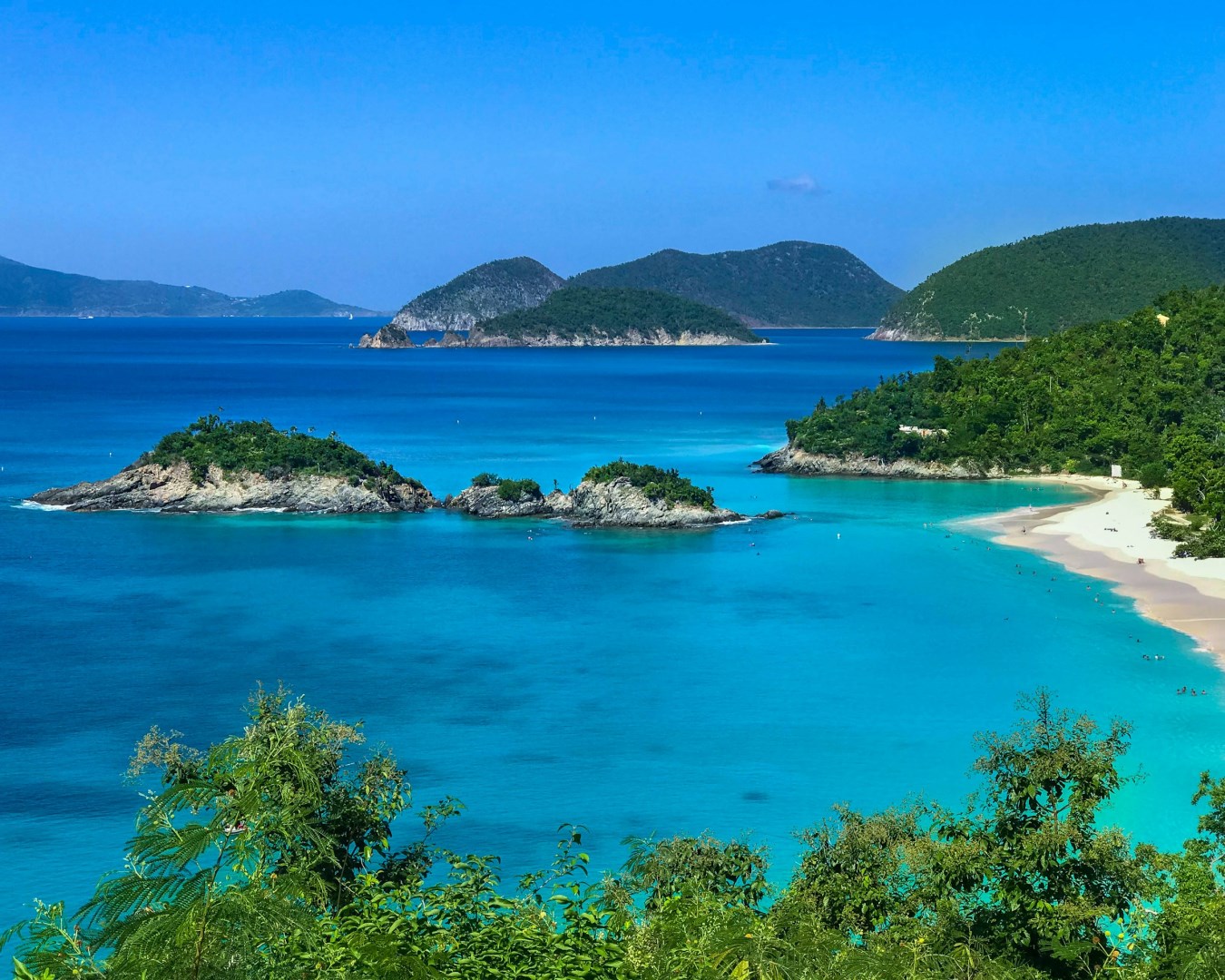
St. John Island
Think of it as a beach a day even on Leap Year. That's right, 366 beautiful beaches encircle this tropical island paradise, the focus of centuries of battles between Spain, France, Great Britain and Denmark. The Dane's influence has been the strongest.
