
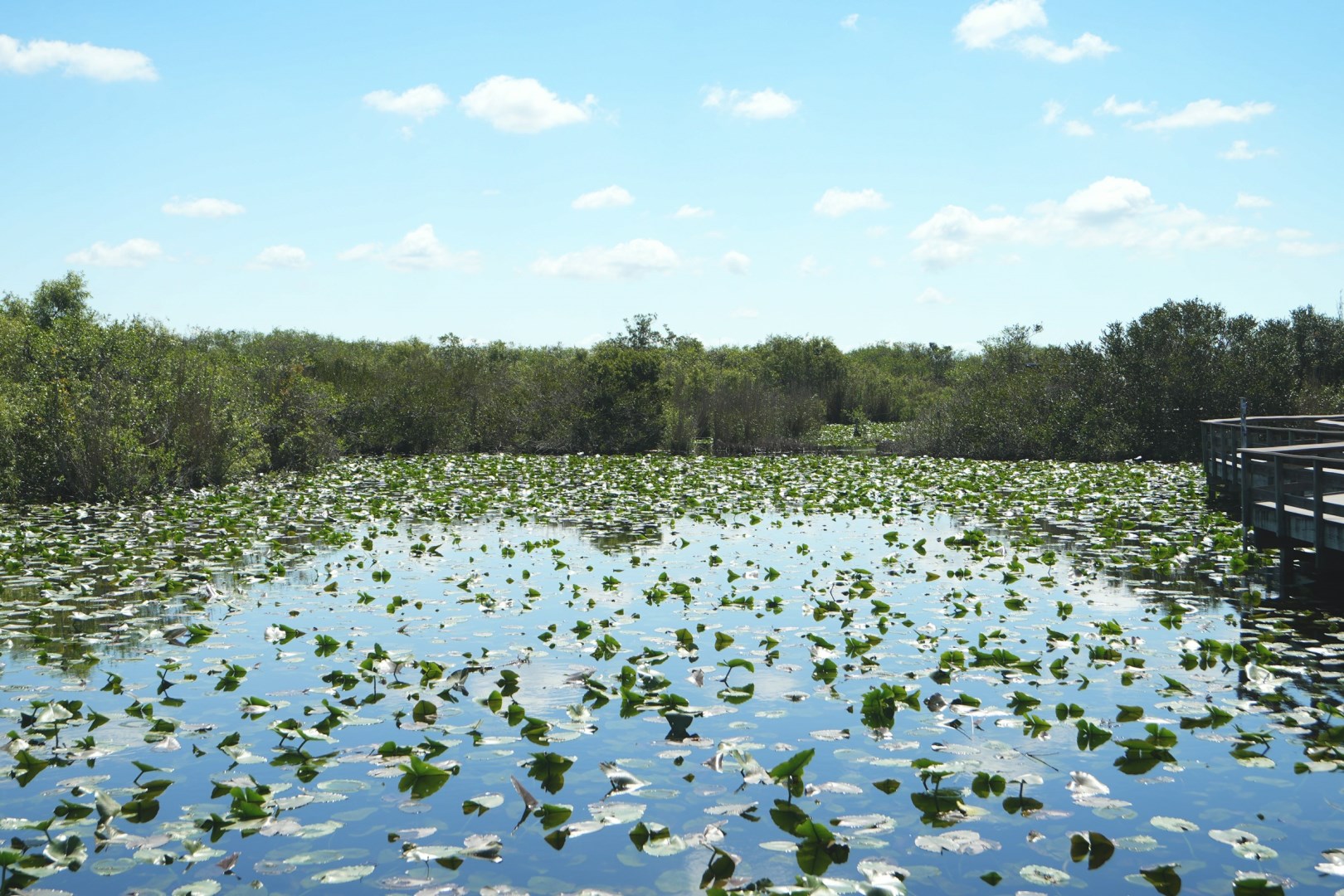
Everglades National Park
Everglades National Park protects a vast subtropical wetland at the southern tip of Florida, where freshwater moves slowly through sawgrass marshes, mangrove forests, hardwood hammocks, and coastal lagoons toward Florida Bay. Covering more than 1.5 million acres, it is the largest subtropical wilderness in the United States. The park is part of a much larger ecosystem whose waters originate in central and southern Florida and eventually reach the Gulf of Mexico and Florida Bay

Roseau
Roseau, the lively capital of Dominica, is a city where history and nature coexist in striking harmony. Established on the site of an ancient Kalinago settlement, the town reflects its colonial past through French-inspired architecture, colorful buildings, and historic churches.
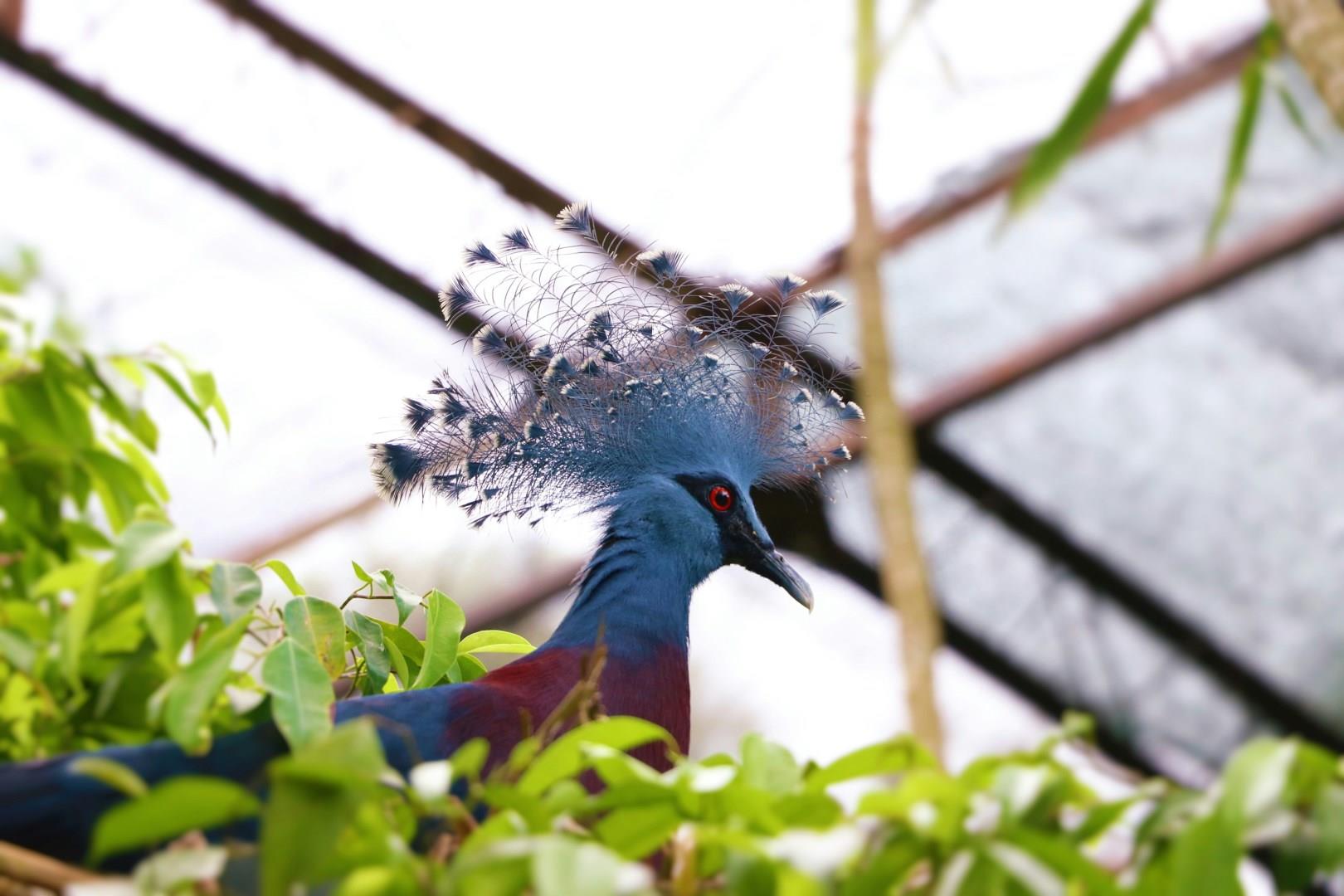
Port Moresby
Port Moresby sits by the Coral Sea as Papua New Guinea’s capital and shows visitors a city of contrasts where glittering new buildings rise beside traditional villages built on stilts. One such place is Hanuabada, the original Motuan village, where roofs reach above water’s edge and everyday life still unfolds in Tok Pisin and local tongue.
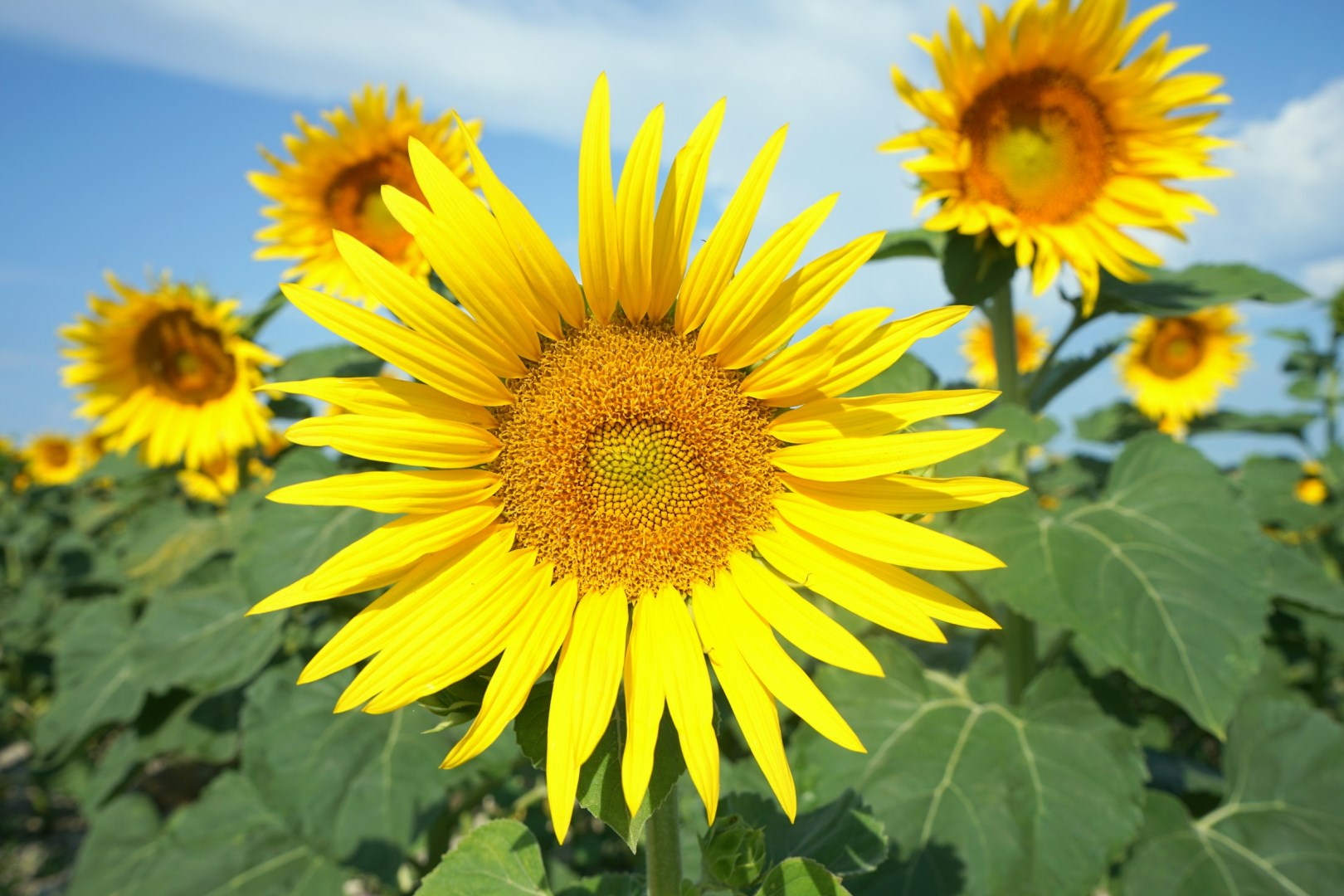
Blaye
Blaye is a small town on the Gironde estuary in southwestern France, north of Bordeaux, known for its riverside setting, historic citadel, and connection with the vineyards of northern Gironde. The town rises gently from the estuary, with the fortified Citadel of Blaye occupying a prominent position above the water. Its old streets contain stone houses, cafés, and shops, while the waterfront provides views across the broad estuary toward the Médoc peninsula.
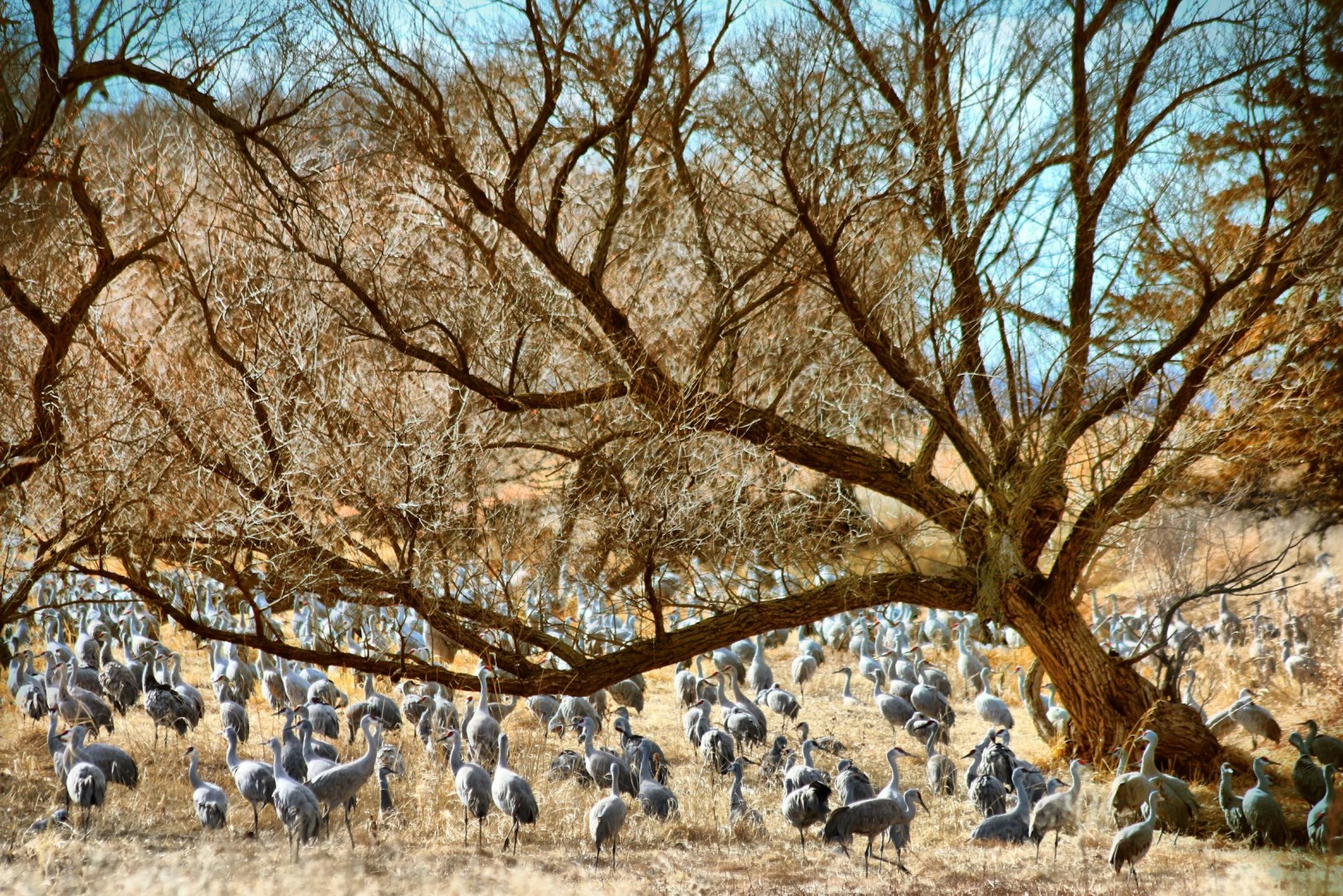
Nebraska
Nebraska, often referred to as the "Heartland of America," is a hidden gem for travelers seeking natural beauty, rich history, and vibrant culture. While it may be best known for its vast plains, Nebraska offers so much more to those who take the time to explore. The capital city, Lincoln, is home to attractions like the stunning Nebraska State Capitol, an Art Deco masterpiece.
