
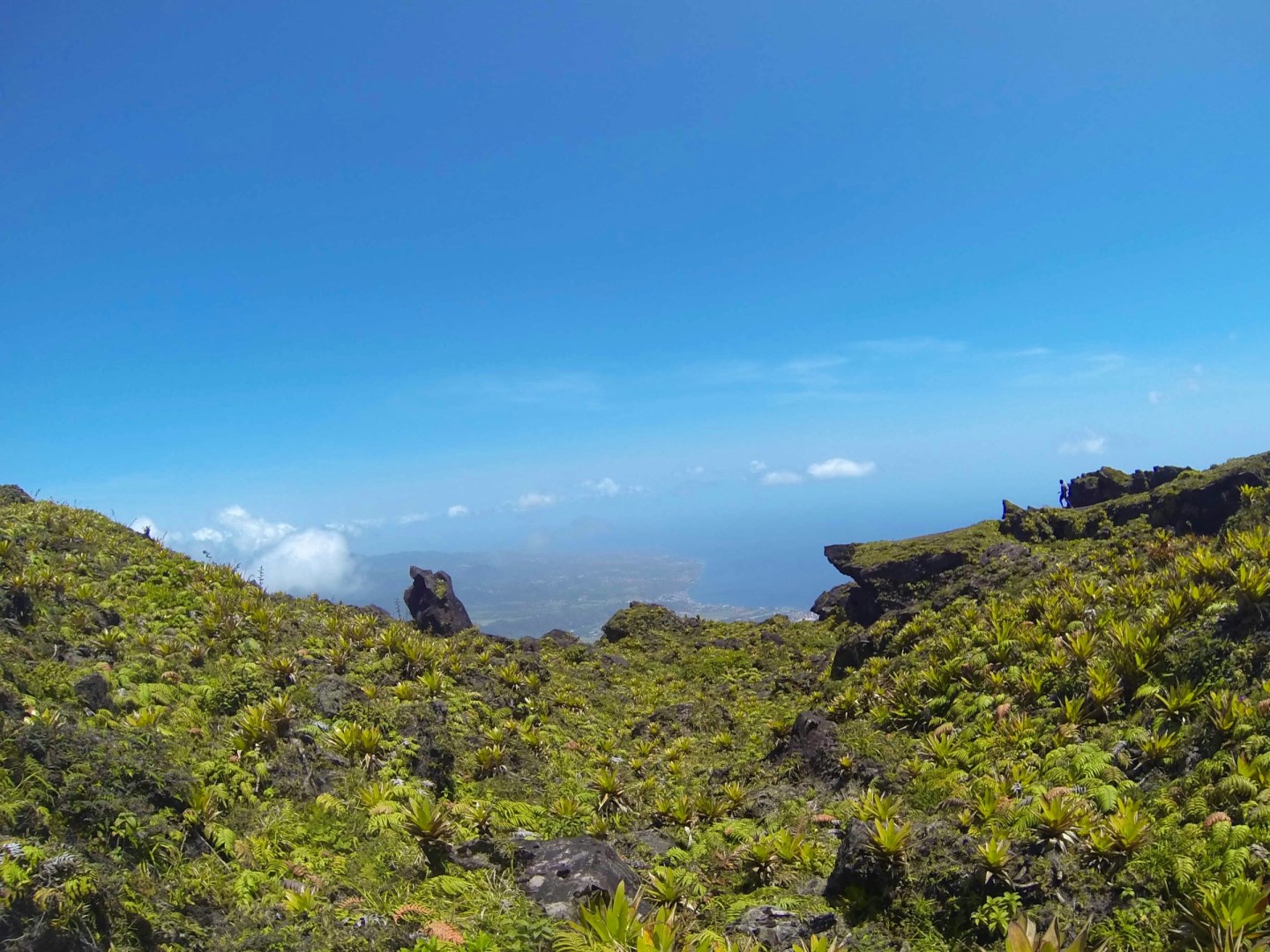
Saint-Pierre
Saint-Pierre is a historic coastal town in northern Martinique, set between the Caribbean Sea and the slopes of Mount Pelée. Once the island’s principal port and commercial centre, the town was destroyed by the volcano’s eruption and later rebuilt around surviving ruins and archaeological remains. Today, Saint-Pierre is recognized as a Town of Art and History, with a landscape that combines the sea, volcanic mountain, historic streets, and remnants of the former city.
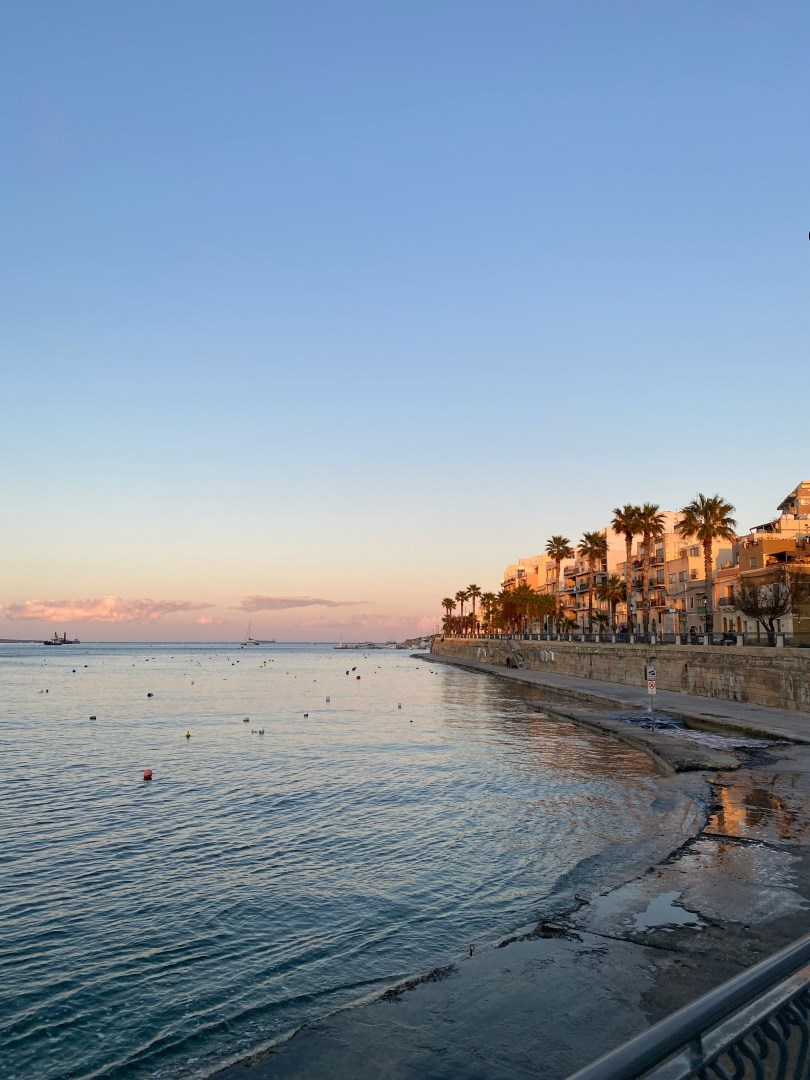
St. Paul's Bay
St. Paul’s Bay is a coastal town in northern Malta that stretches around a broad, indented section of the island’s northeastern shoreline. The area includes the neighborhoods of Bugibba, Qawra, and the original fishing settlement around St. Paul’s Bay itself. Its waterfront combines rocky shores, small bathing areas, marinas, promenades, and commercial streets filled with cafés and restaurants.
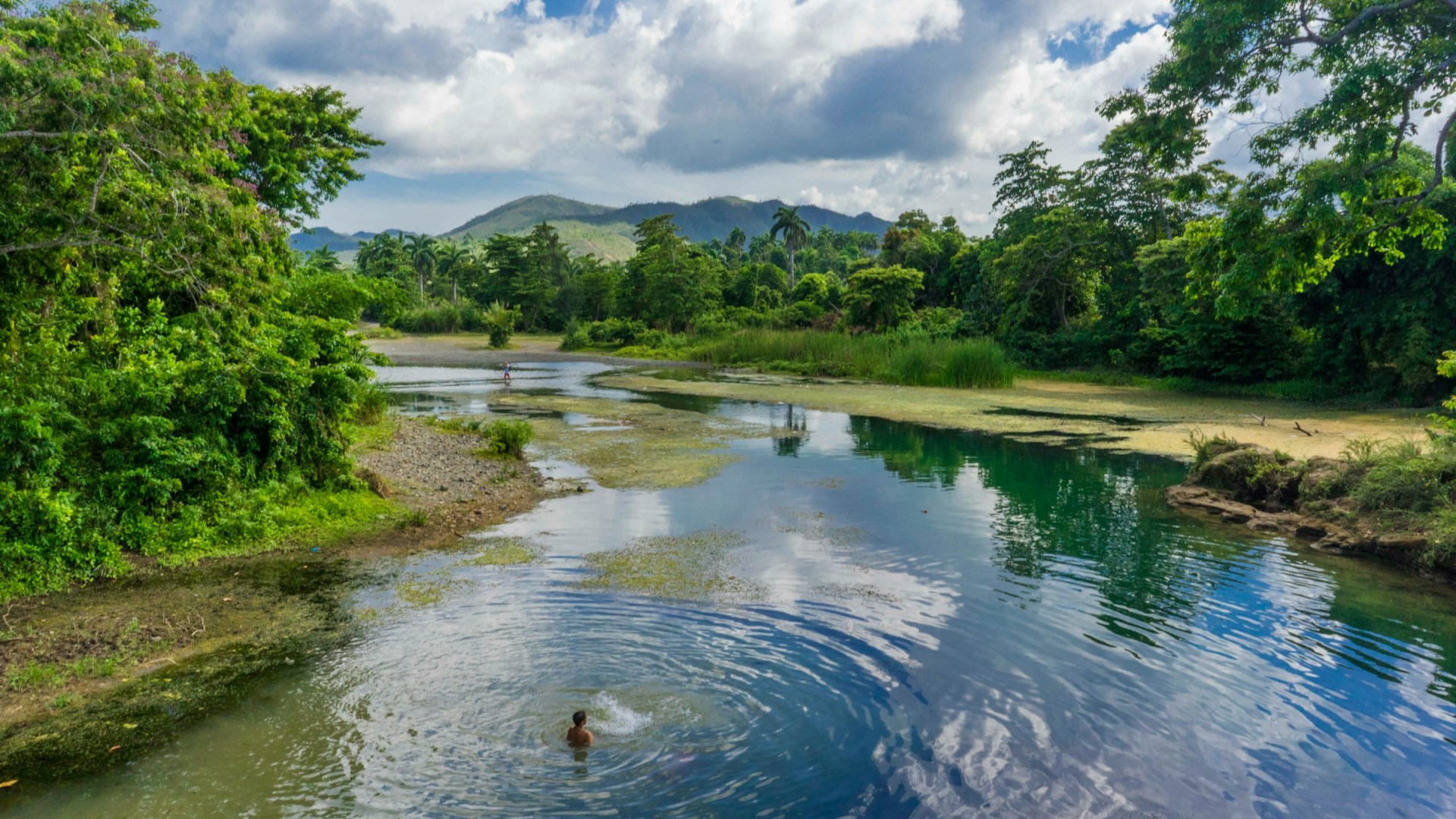
Baracoa
Baracoa is a historic coastal city in eastern Cuba, set between the Caribbean Sea and the forested mountains of the Cuchillas del Toa region. Often described as Cuba’s first Spanish-founded villa, it occupies a sheltered bay beneath the distinctive flat-topped El Yunque mountain, which has become a symbol of the city.
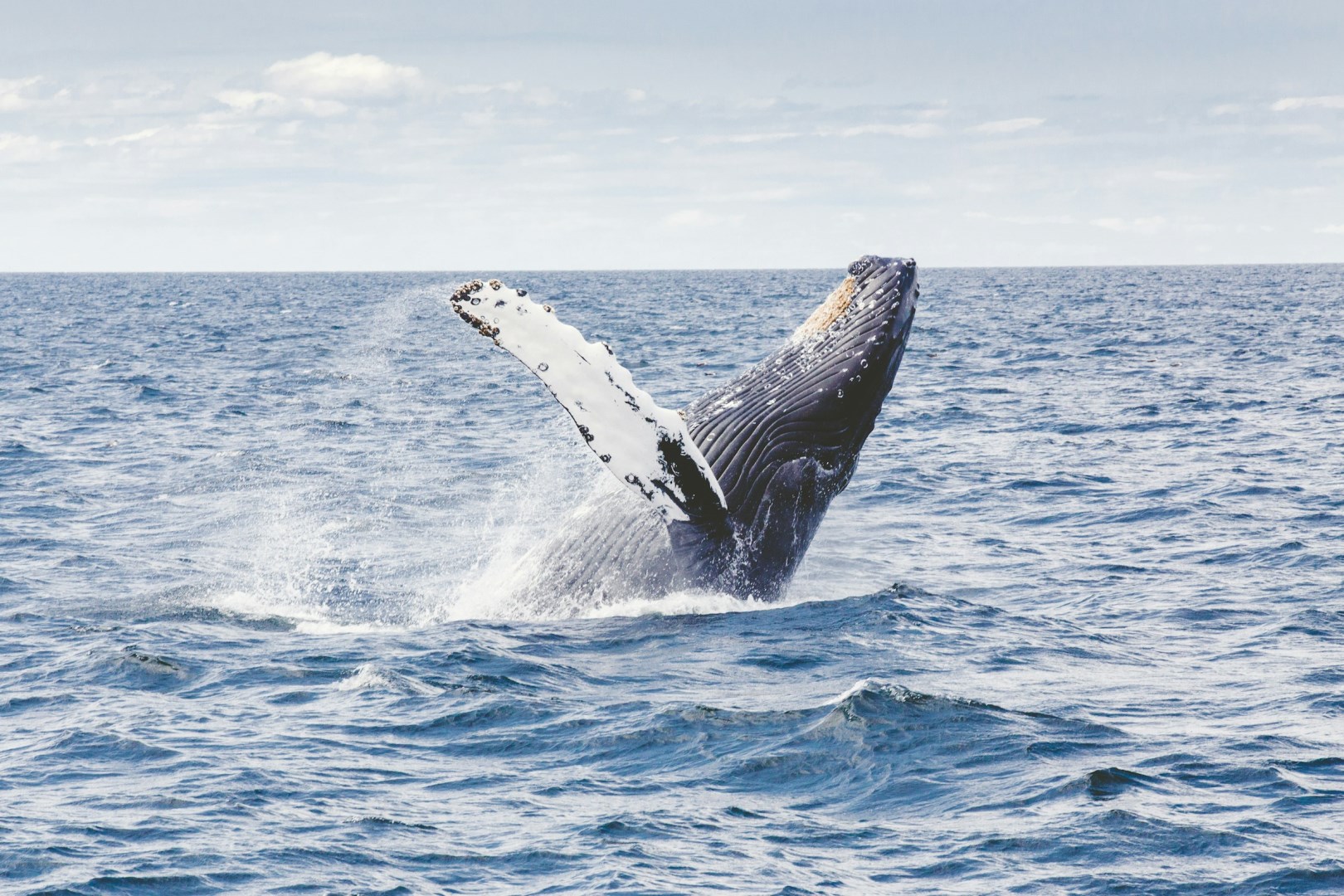
Provincetown
Provincetown is a small coastal town at the northern tip of Cape Cod, Massachusetts, surrounded by the waters of Cape Cod Bay and the Atlantic Ocean. Its narrow peninsula is shaped by shifting dunes, sandy beaches, tidal flats, and protected coastal habitats. Commercial Street forms the center of town, lined with galleries, restaurants, shops, guesthouses, and historic buildings.
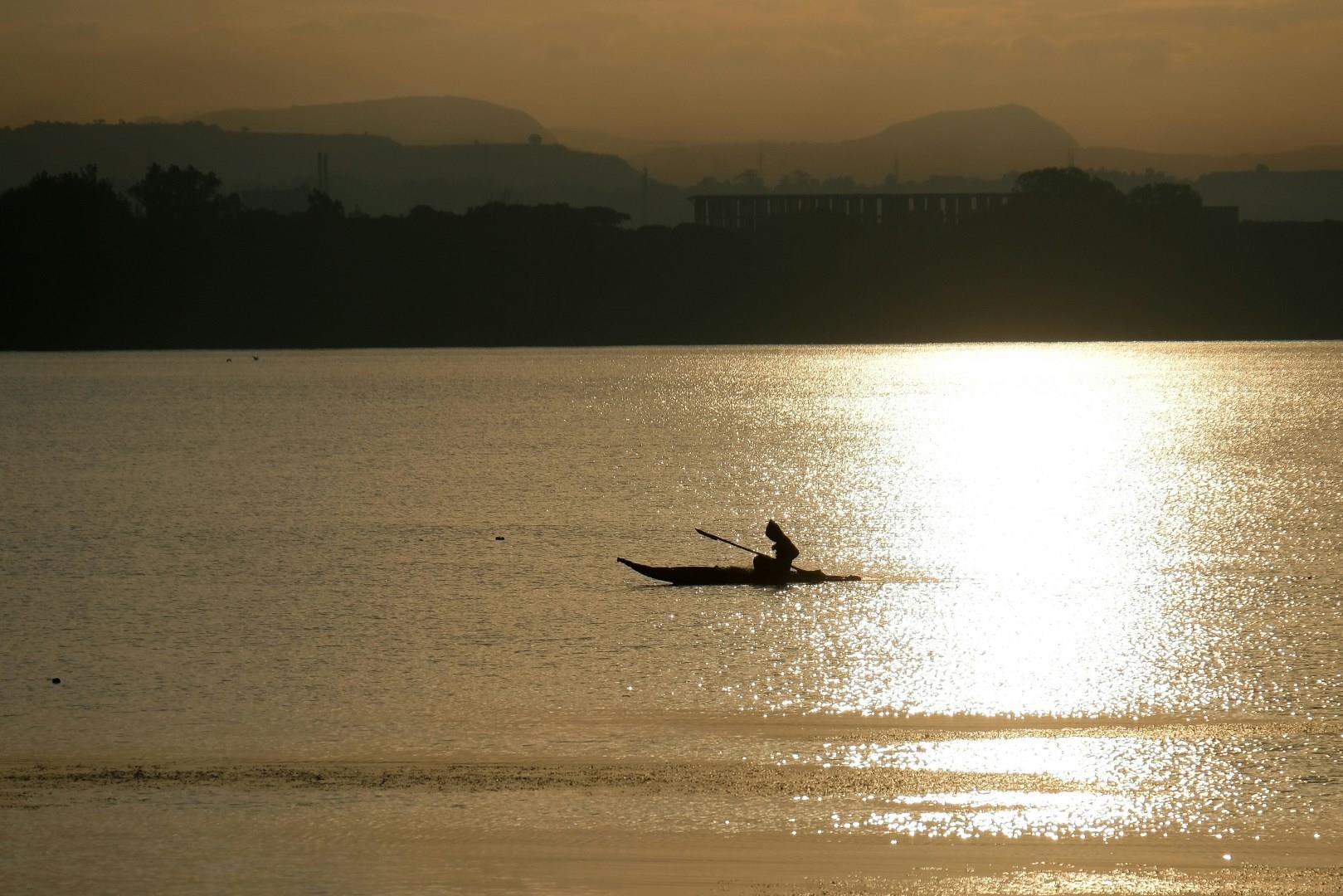
Lake Tana
Lake Tana, located in the northwest of Ethiopia, is the country’s largest freshwater lake and the source of the Blue Nile. Its calm waters are dotted with more than 30 islands, many of which are home to ancient monasteries adorned with religious paintings and manuscripts.
