
Kenai Peninsula
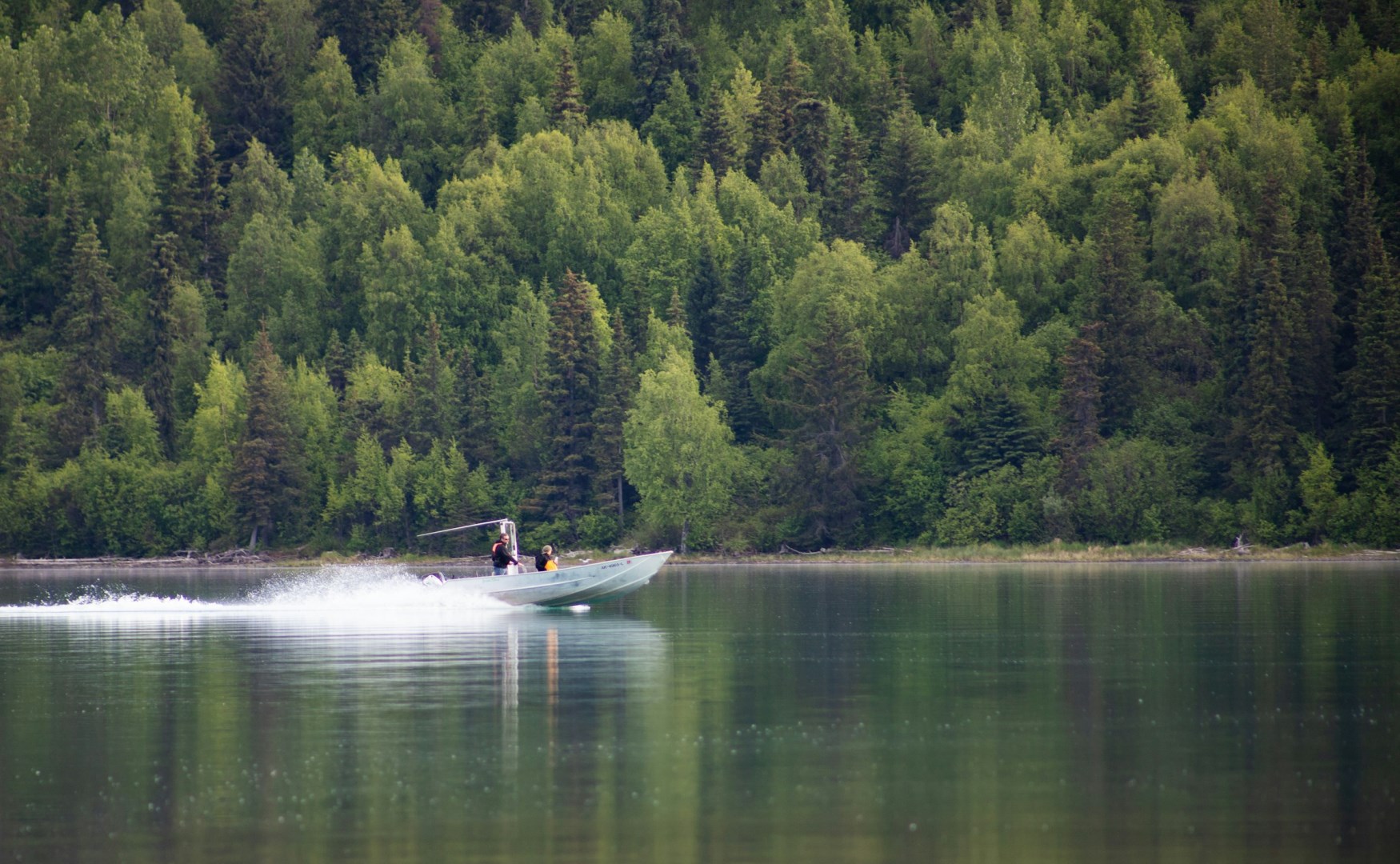
The Kenai Peninsula extends southwest from Anchorage into the Gulf of Alaska and is one of south-central Alaska’s most varied regions. Its landscape includes the Kenai Mountains, coastal forests, glaciers, broad river valleys, lakes, and a long shoreline along both Cook Inlet and the Gulf of Alaska. Communities such as Kenai, Soldotna, Seward, Homer, and Cooper Landing serve different parts of the peninsula, while the Kenai River and numerous smaller waterways connect the interior to the coast.
Borneo
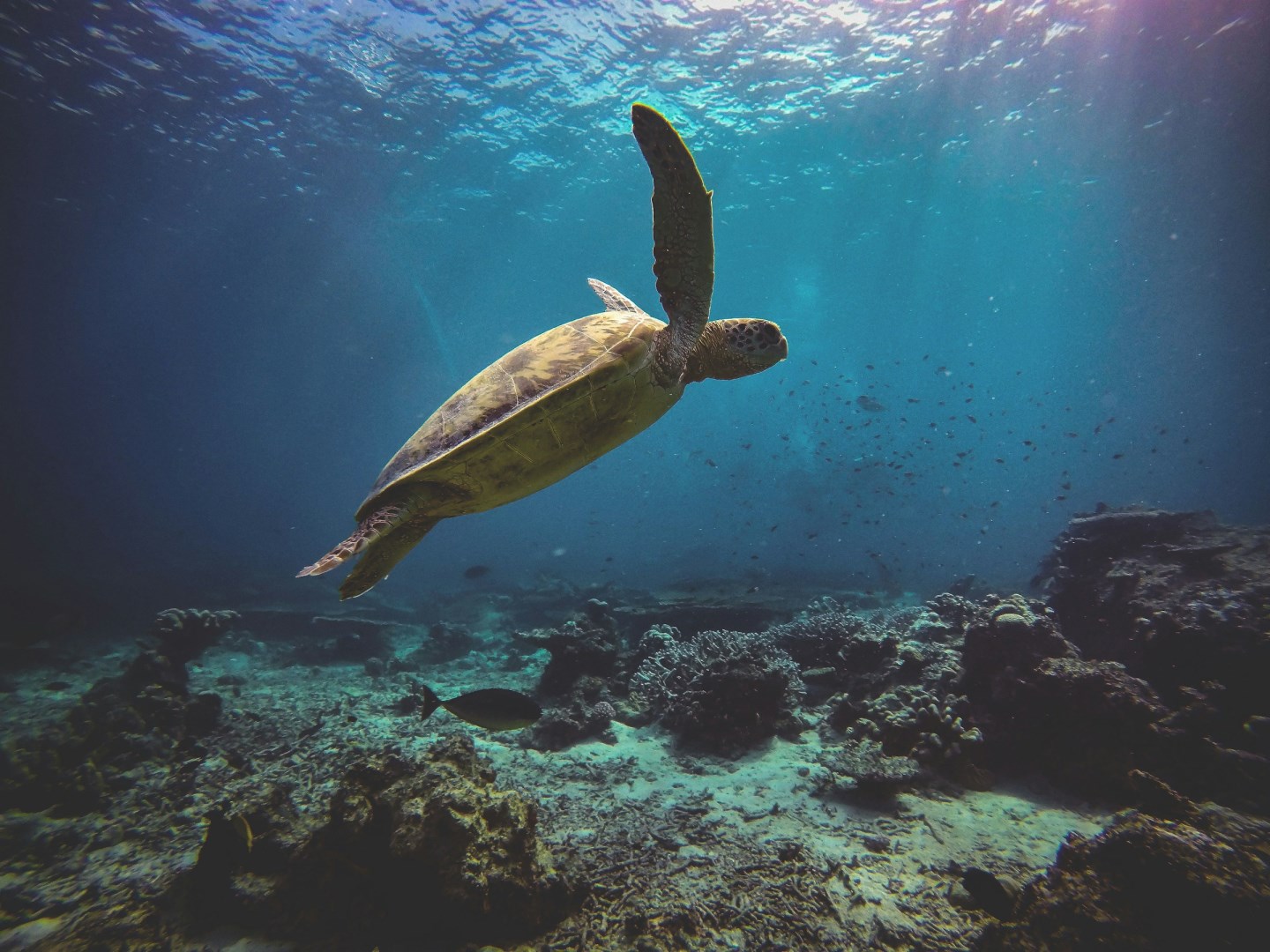
Malaysian Borneo occupies the northern part of Borneo, the world's third-largest island, and consists of the states of Sabah and Sarawak together with the federal territory of Labuan. The region is marked by extensive rainforests, rivers, mountains, limestone formations, and a long coastline along the South China, Sulu, and Celebes seas. Kota Kinabalu and Kuching are the principal urban centers, while smaller communities extend into forest and river regions.
Erice, Sicily
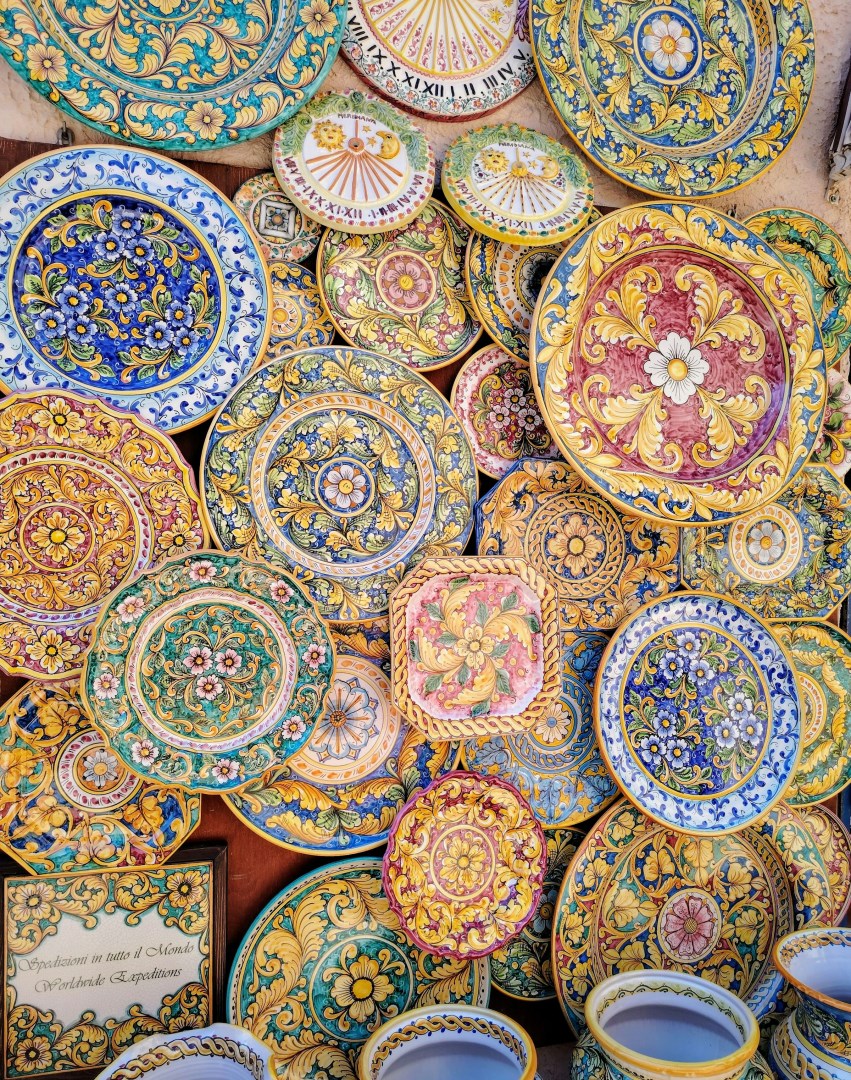
A medieval little town high above the sea with narrow winding streets, little squares and flower-decked courtyards.
Tierra Del Fuego
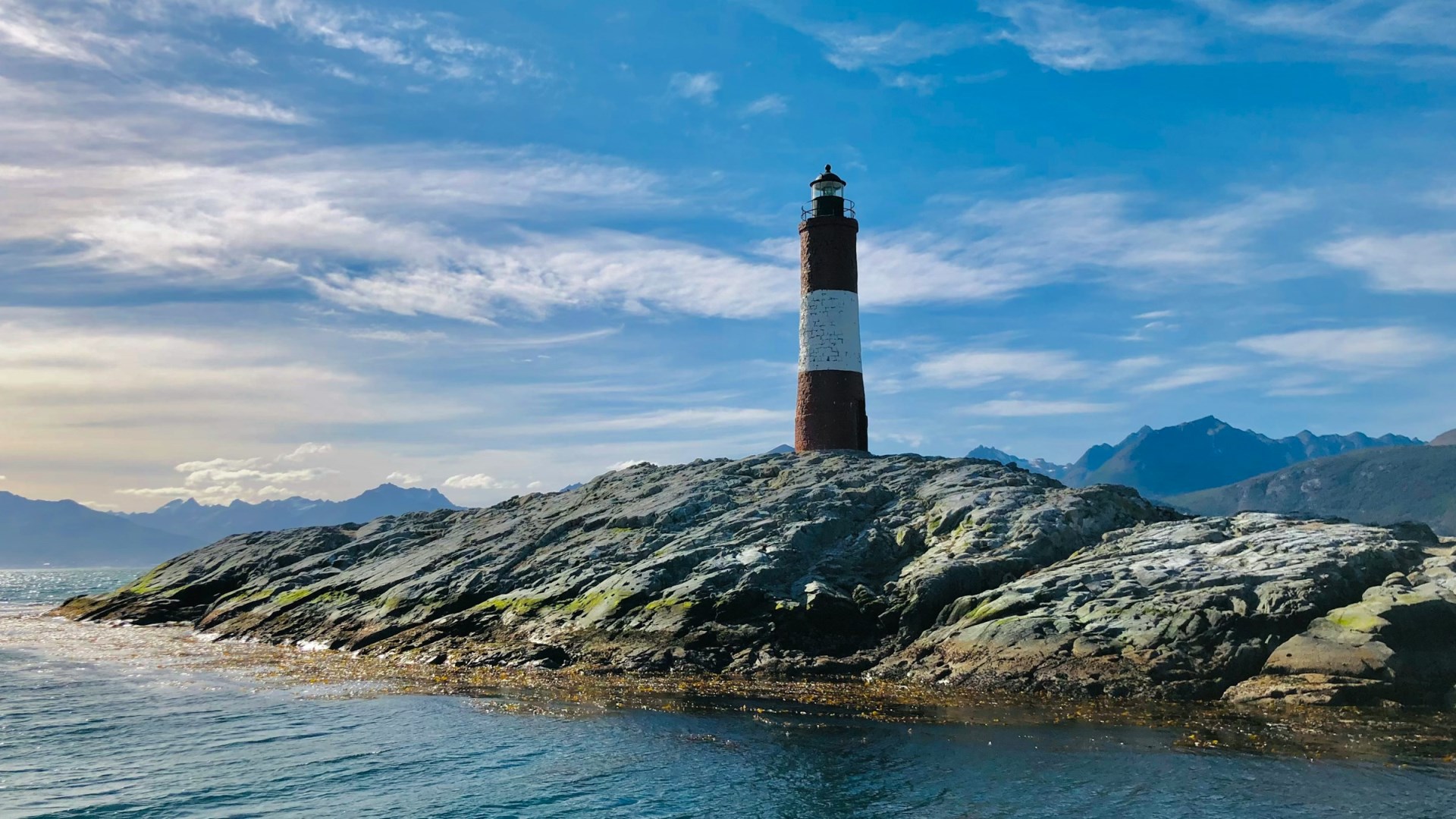
Argentina shares half of this island territory in the South Atlantic Ocean with Chile. It's a place of oil derricks, sheep, glaciers, wind and waterways. Ushuaia and Río Grande are the two main towns; awesome scenery, wild walks and fishing are the island's main attractions. Argentina's only coastal national park comprises rivers, lakes, forests and glaciers, with great trekking and wildlife-spotting opportunities.
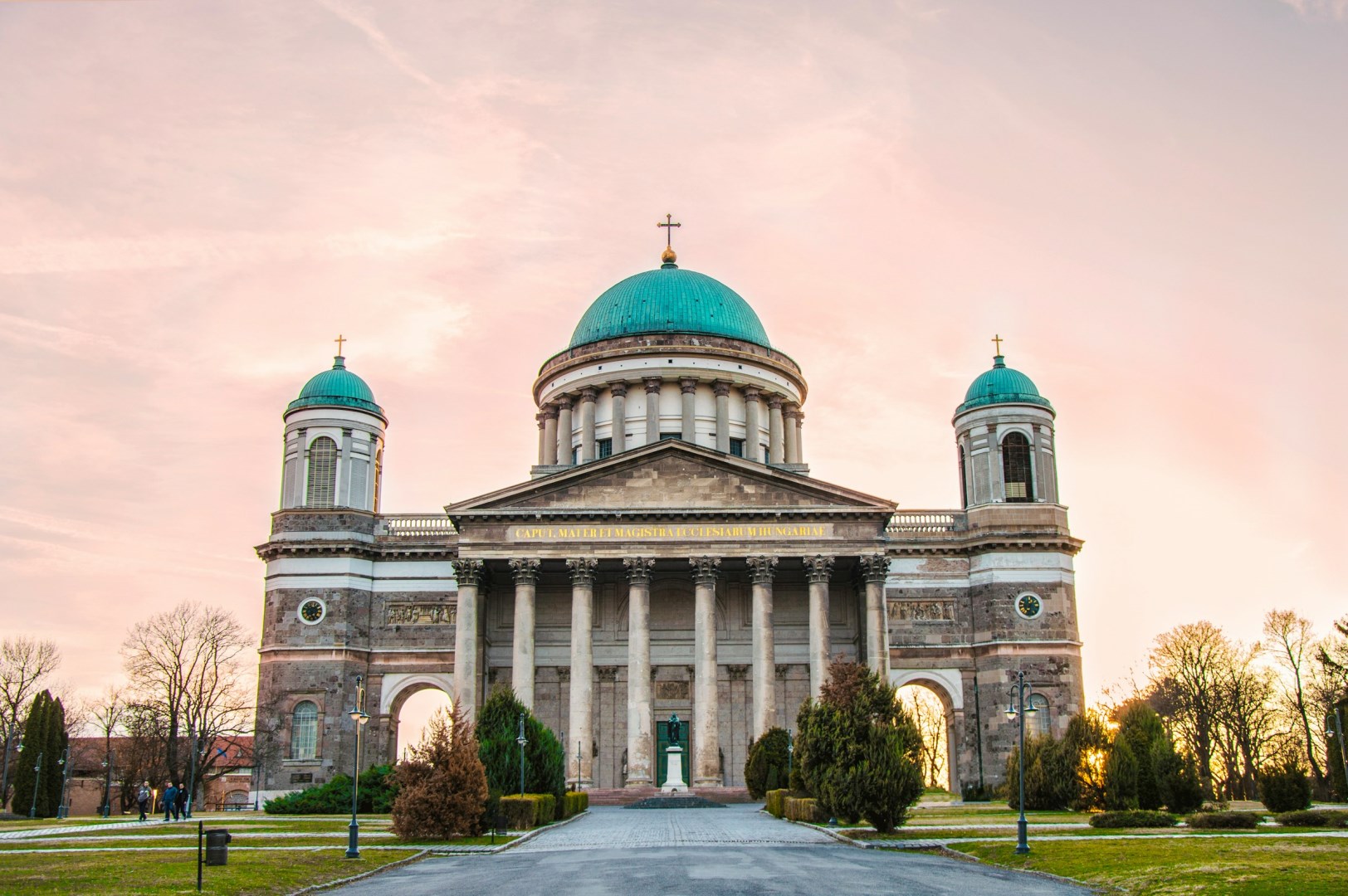
Esztergom
Esztergom is one of Hungary’s oldest and most historically significant towns, located along the Danube River just an hour north of Budapest. It was the country’s royal capital during the Middle Ages and the birthplace of its first king, Saint Stephen. Today, visitors are drawn to the Esztergom Basilica, the largest church in Hungary. Its dome rises over 70 meters high and offers panoramic views of the river, the surrounding hills, and neighboring Slovakia across the Mária Valéria Bridge.
