

Palermo, Sicily
Palermo, the vibrant capital of Sicily, Italy, is a city where history, culture, and gastronomy converge in a kaleidoscope of experiences. A walk through Palermo is like stepping into a living museum, where Byzantine, Arab, Norman, and Baroque influences blend seamlessly. The Palermo Cathedral, a masterpiece of architectural evolution, showcases a mix of styles from its Norman origins to later Baroque and Neoclassical elements.

Arles
Nestled between two nature parks and the Rhône River, picturesque Arles will absolutely delight any traveler to the south of France. Situated near Marseille in the Provence-Alpes-Côte d’Azur region, Arles boasts small town charm and its architectural treasures have been heavily influenced by the city’s role as an ancient Roman capital.
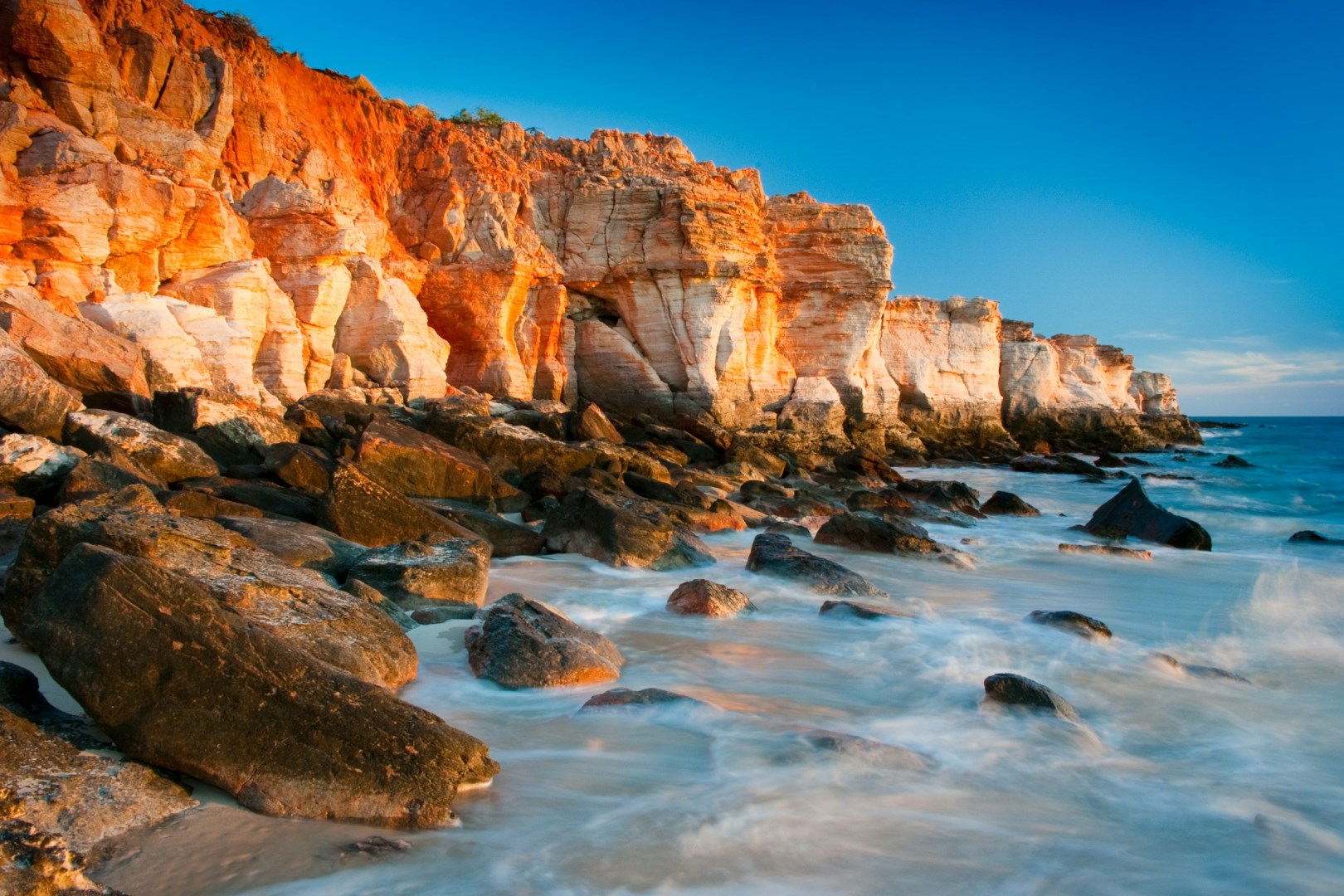
Dampier
Dampier Peninsula is situated along the north east coast of western Australia within the famous Kimberley. Around half of the Peninsula is covered by Aboriginal land, and so you should check with the Tourist Information Centre in Broome about the areas where you may not be permitted. However, there are several places where you can stay.
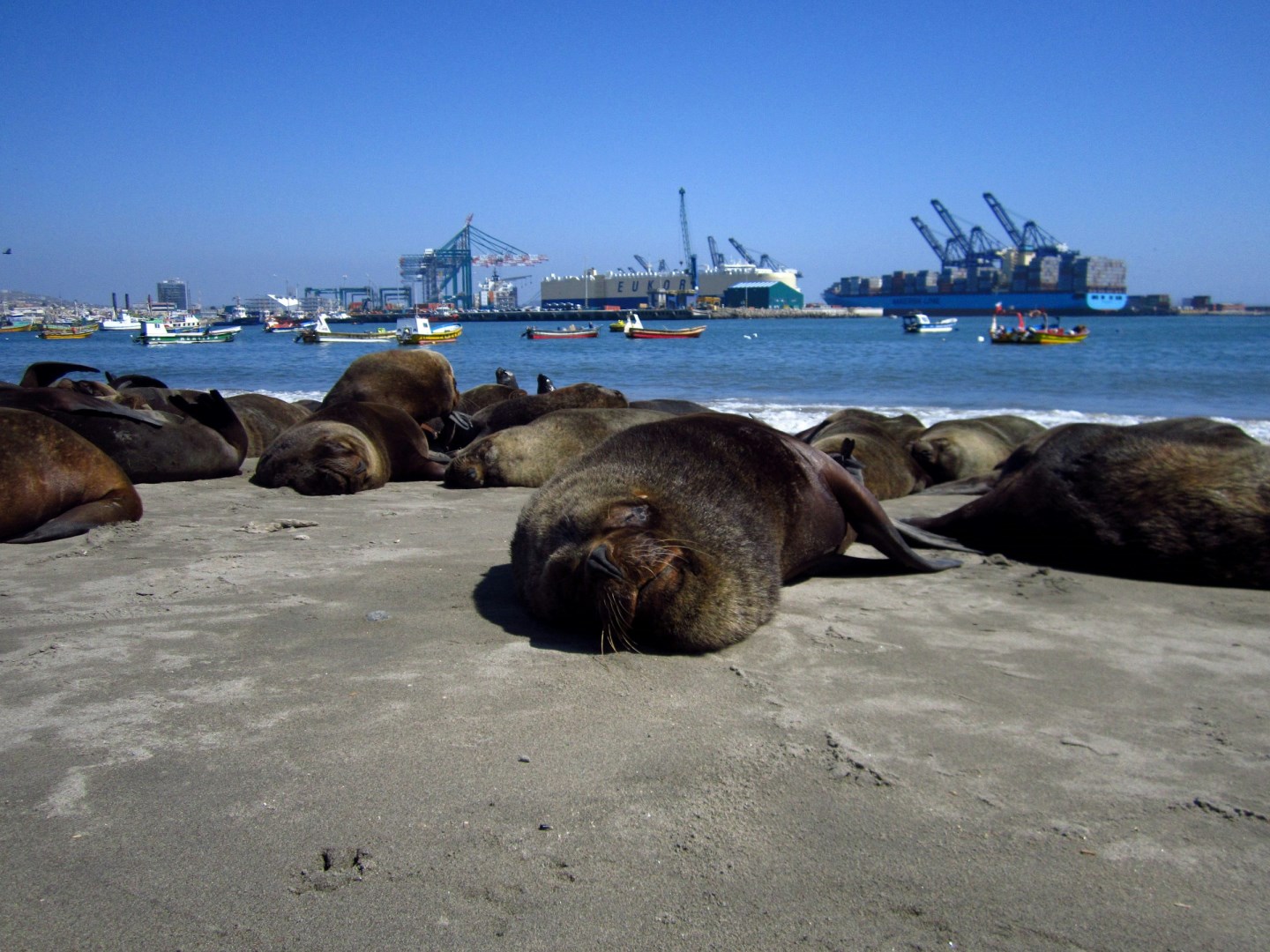
San Antonio
San Antonio, a coastal city in central Chile, offers a delightful blend of maritime charm and cultural vibrancy. Known for its bustling port and picturesque waterfront, San Antonio provides a gateway to the scenic beauty of the Chilean coast. The city's port is one of the most important in the country, making it a hub of activity and a key spot for experiencing Chile's maritime heritage
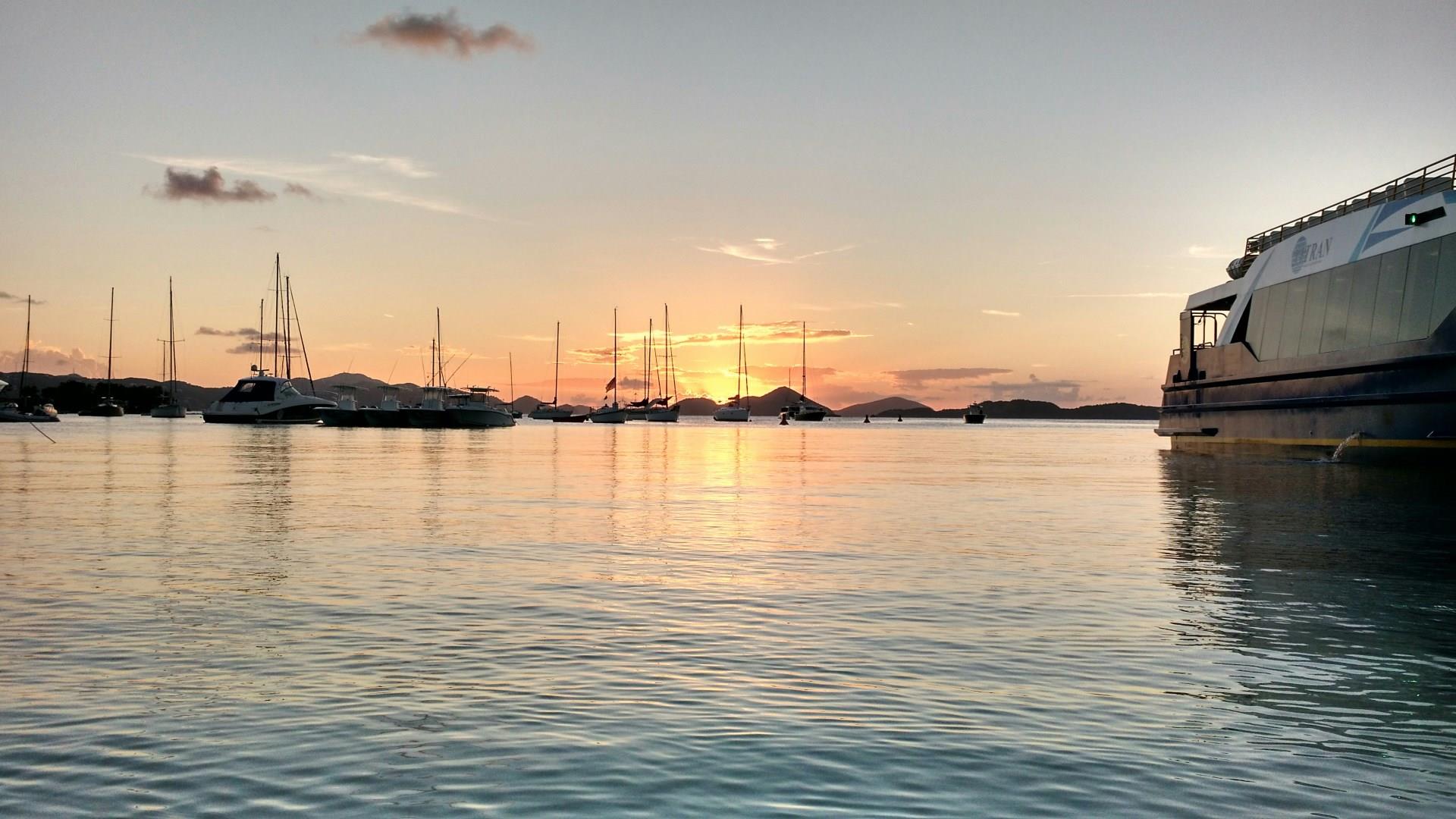
Cruz Bay
Cruz Bay is the welcoming gateway to St. John in the U.S. Virgin Islands, where vibrant Caribbean life meets rich island history. Stepping off the ferry from nearby St. Thomas, visitors find themselves in a lively waterfront town filled with cafés, bars and boutiques that lead toward sandy streets and shimmering views of the bay. This small town is also home to the Cruz Bay Visitor Center, a helpful place to start planning outings into Virgin Islands National Park and to learn about the island.
