
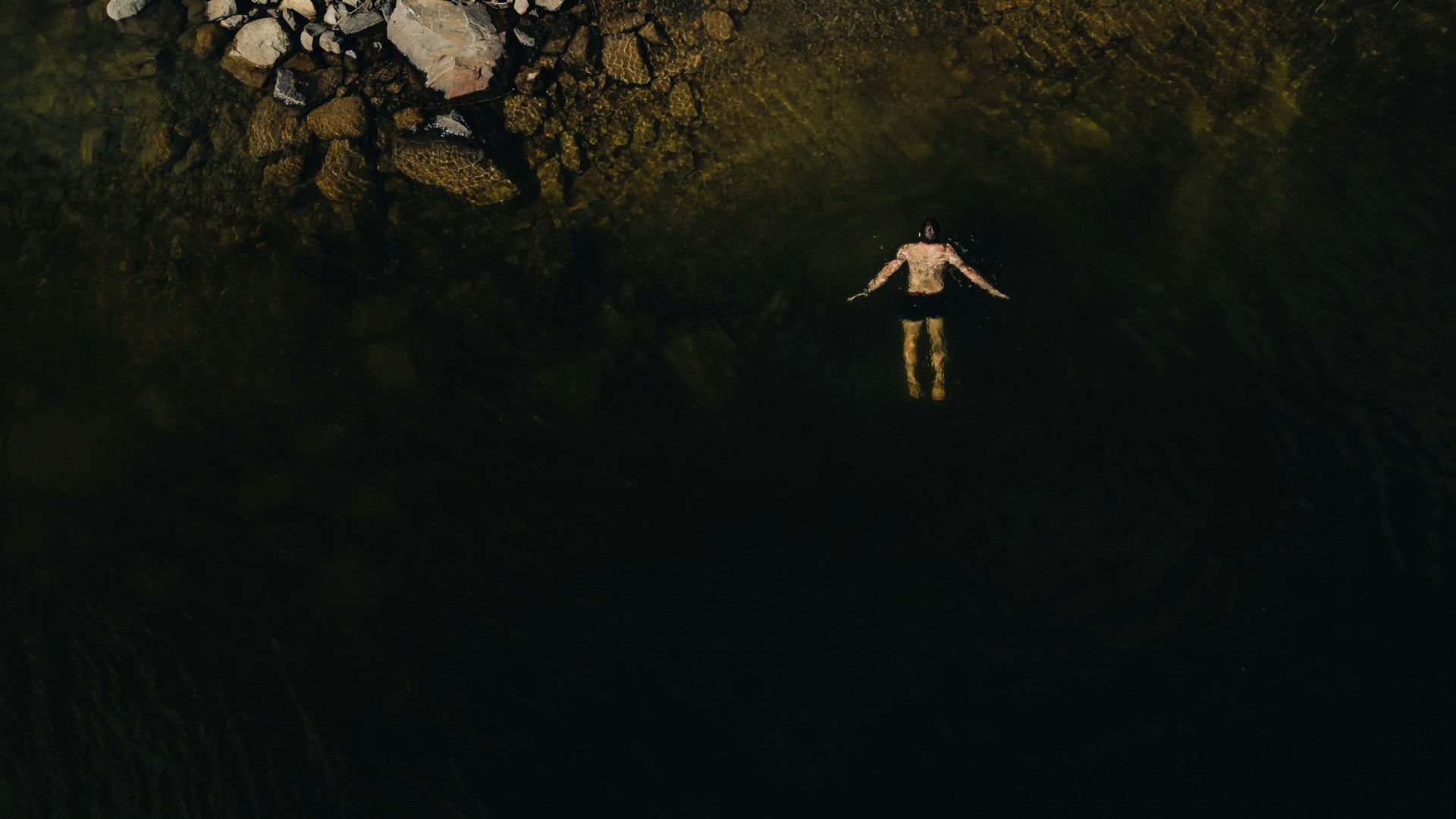
Yellowknife
Yellowknife is the capital of the Northwest Territories, set on the rocky northern shore of Great Slave Lake amid the forests and exposed Canadian Shield of the subarctic. The city developed around gold mining and later became the territorial centre for government, commerce, transportation, and northern services. Today, Yellowknife serves as a gateway to the wider Northwest Territories and the Canadian Arctic. Its location beneath the auroral oval makes the northern lights a defining feature.
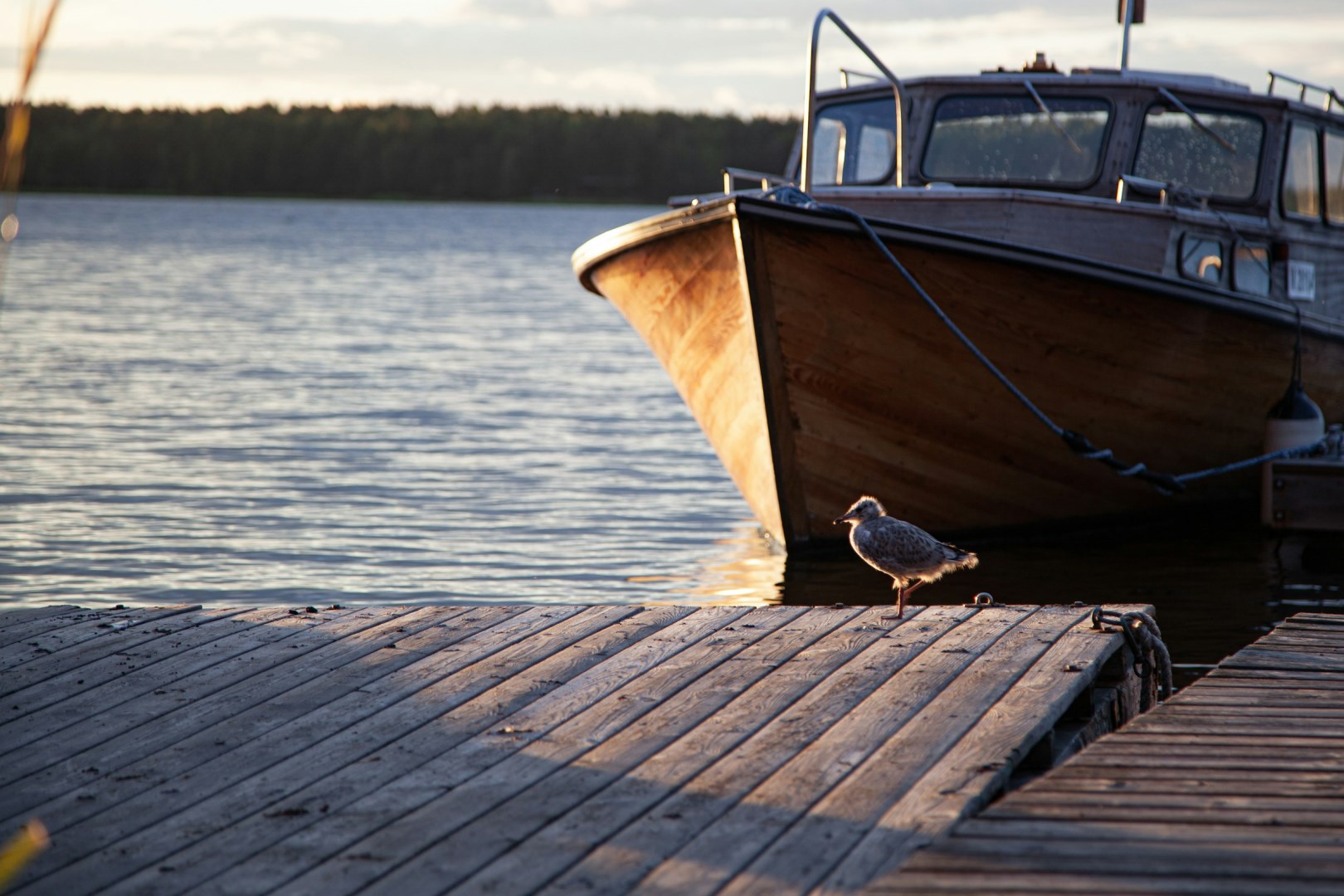
Kotka
Located on the southern coast of Finland at the delta of the Kymi river, the city of Kotka is a major Finnish sea port. Perhaps the best-known attraction of this multicultural and creative city is the country's largest urban maritime festival, an annual celebration that includes boating events, dance and music performances, and Finland's largest parade which marks the beginning of the city-wide event.

Dominica
Dominica, known as the “Nature Island of the Caribbean,” is a haven for eco-tourists and adventure seekers. Nestled between the French islands of Guadeloupe and Martinique, this lush island boasts a remarkable landscape of volcanic mountains, dense rainforests, and stunning waterfalls. Dominica’s most iconic natural wonder is the Boiling Lake, the second-largest hot spring in the world.

Chișinău
Chișinău, the capital of Moldova, is a city rich in history and full of surprises for travelers seeking a blend of culture, architecture, and natural beauty. As you wander the tree-lined boulevards, you’ll discover the city’s intriguing mix of Soviet-era buildings, elegant Orthodox churches, and modern structures.
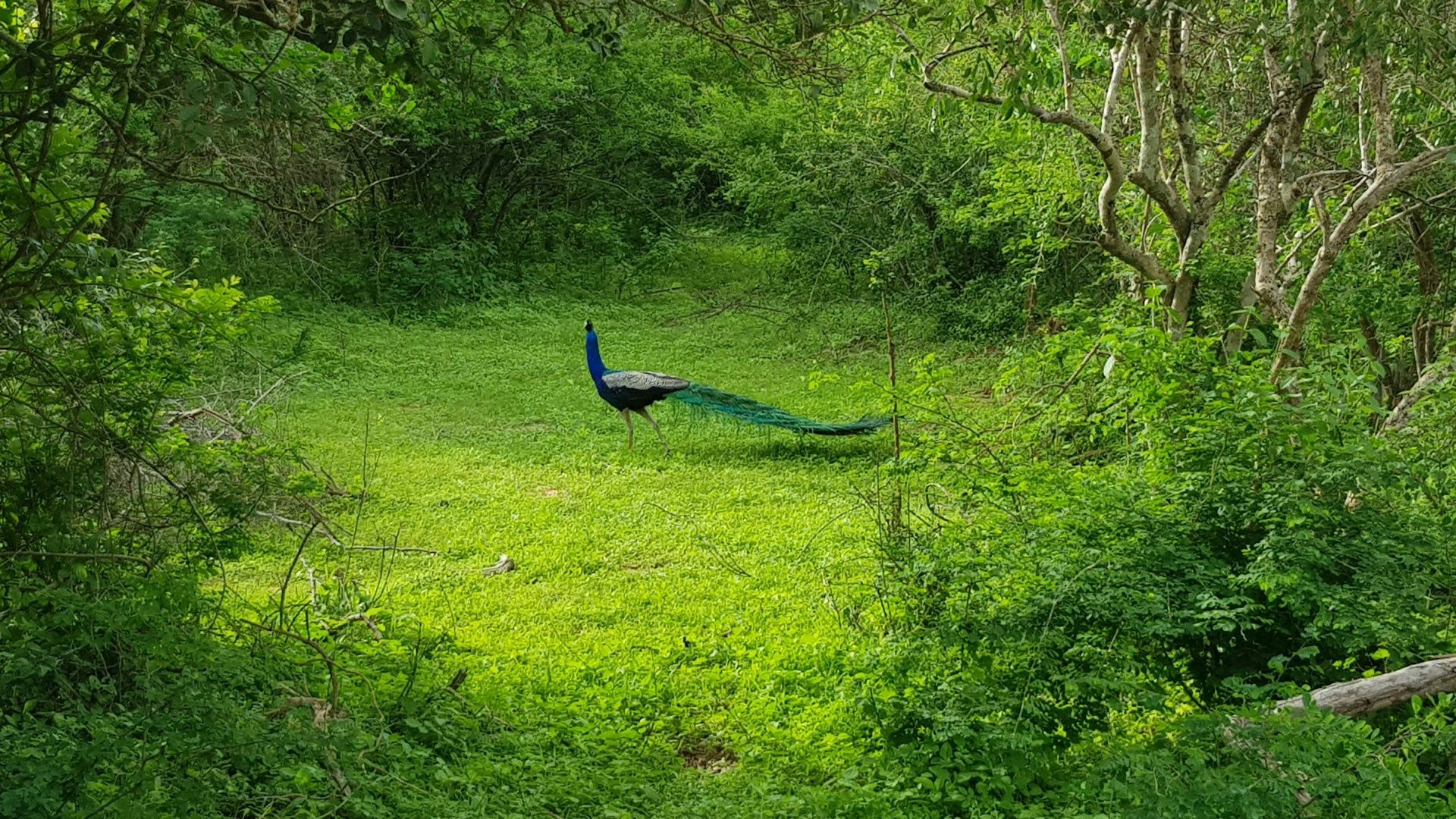
Hambantota
Hambantota is a coastal city in Sri Lanka’s Southern Province, set along a dry, sunlit stretch of the island’s southeastern coast. Its landscape combines the Indian Ocean, salt pans, scrubland, lagoons, and agricultural areas, giving the city a different character from the wetter coastal towns farther west. Hambantota is an important regional center and a gateway to several major wildlife destinations.
