
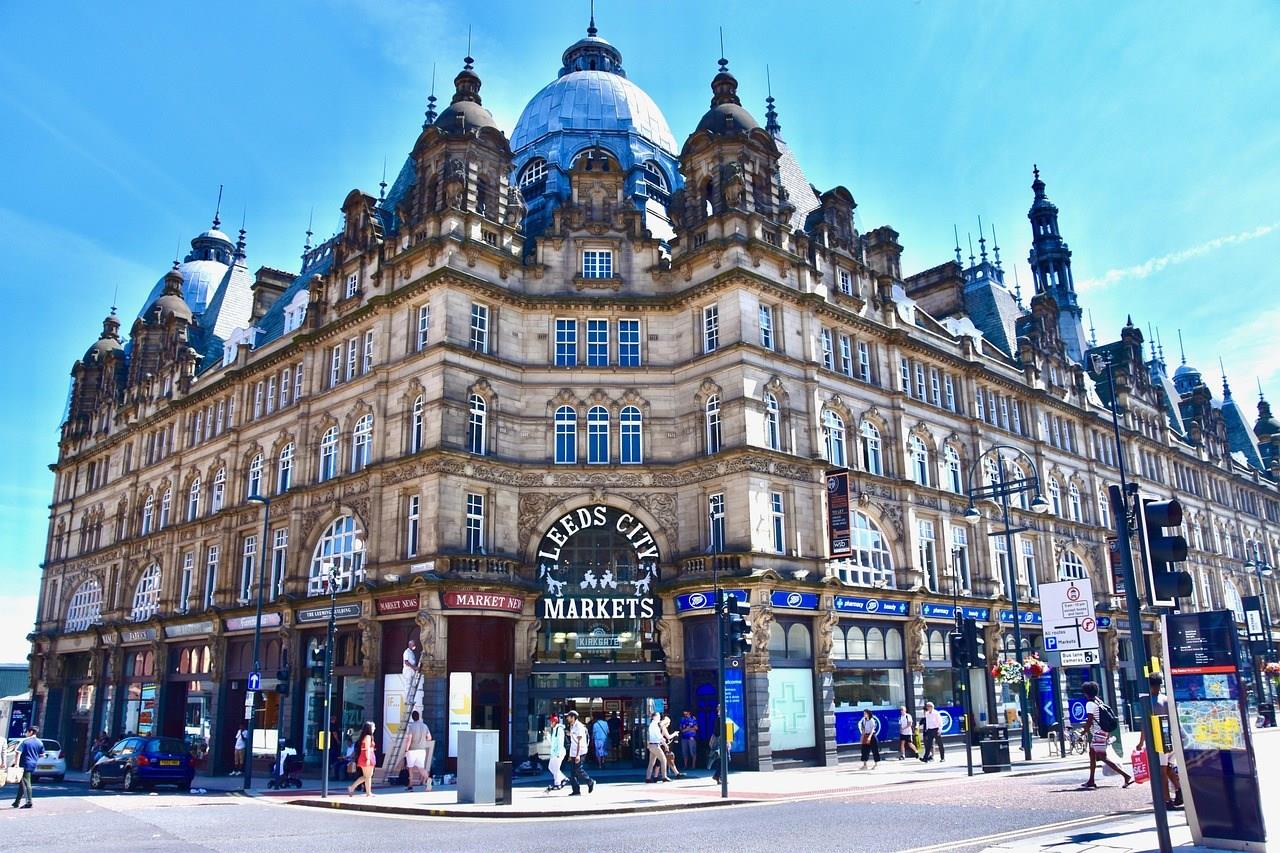
Leeds
Leeds, in the heart of West Yorkshire, is one of northern England’s most dynamic cities, where industrial heritage meets modern creativity. Once a powerhouse of the textile trade during the Industrial Revolution, the city has transformed into a hub for business, culture, and education.

Chaniá
Chania, the jewel of western Crete, is a city where history, culture, and natural beauty converge to create a captivating experience. Known for its Venetian harbor, Chania boasts a unique blend of Venetian, Ottoman, and Greek influences. The harbor's old lighthouse, built in the 16th century by the Venetians, stands as a timeless sentinel over the bustling waterfront, which is lined with colorful buildings, inviting cafes, and vibrant tavernas.
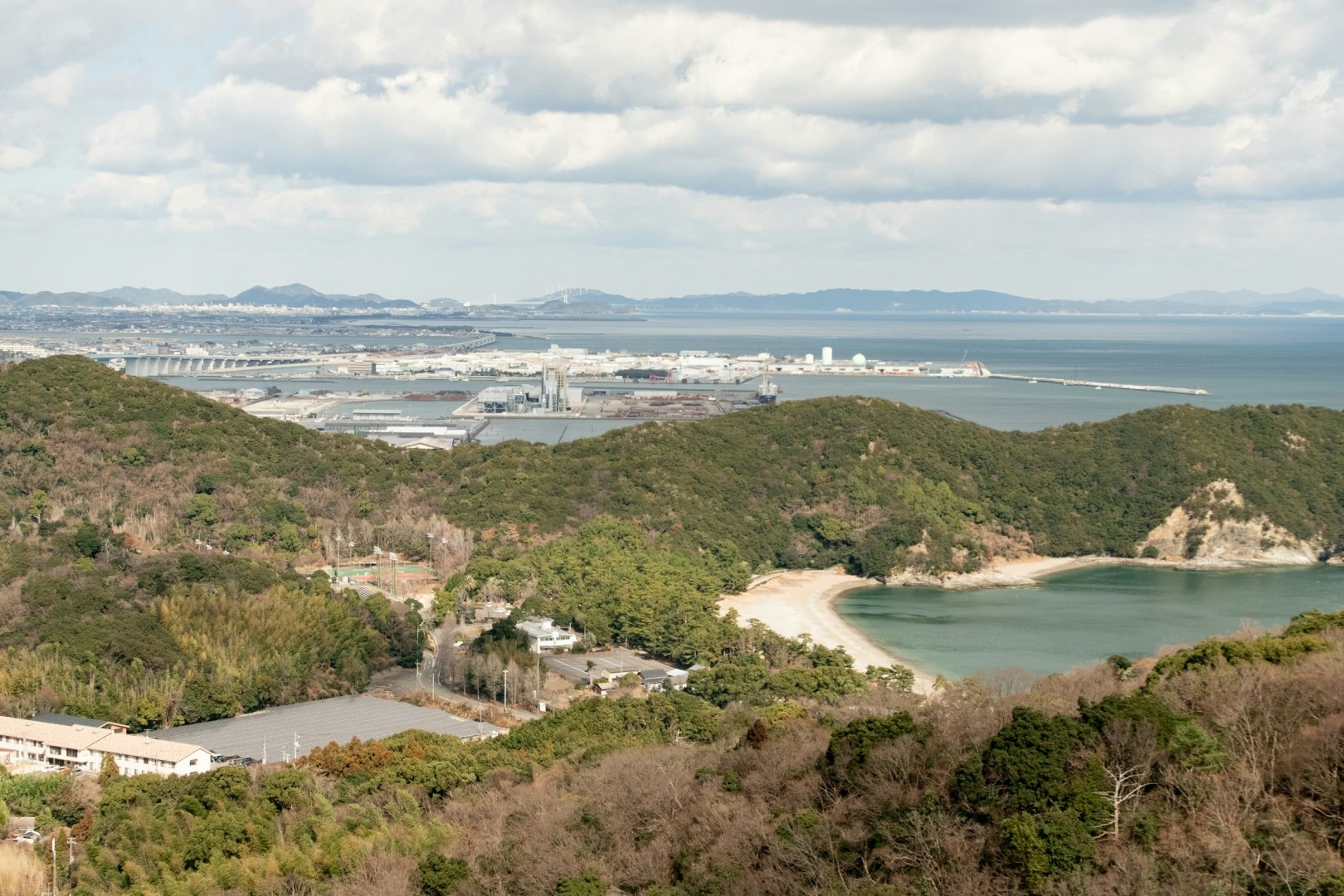
Tokushima
Tokushima is the capital of Tokushima Prefecture on the eastern side of Shikoku, where several rivers meet the sea and mountains rise beyond the urban area. The city is closely identified with Awa Odori, a traditional dance that fills streets with performers and musicians during its annual festival. Tokushima also serves as a useful base for exploring the wider prefecture, including the Naruto Strait, the Iya Valley, and sections of the Shikoku pilgrimage.
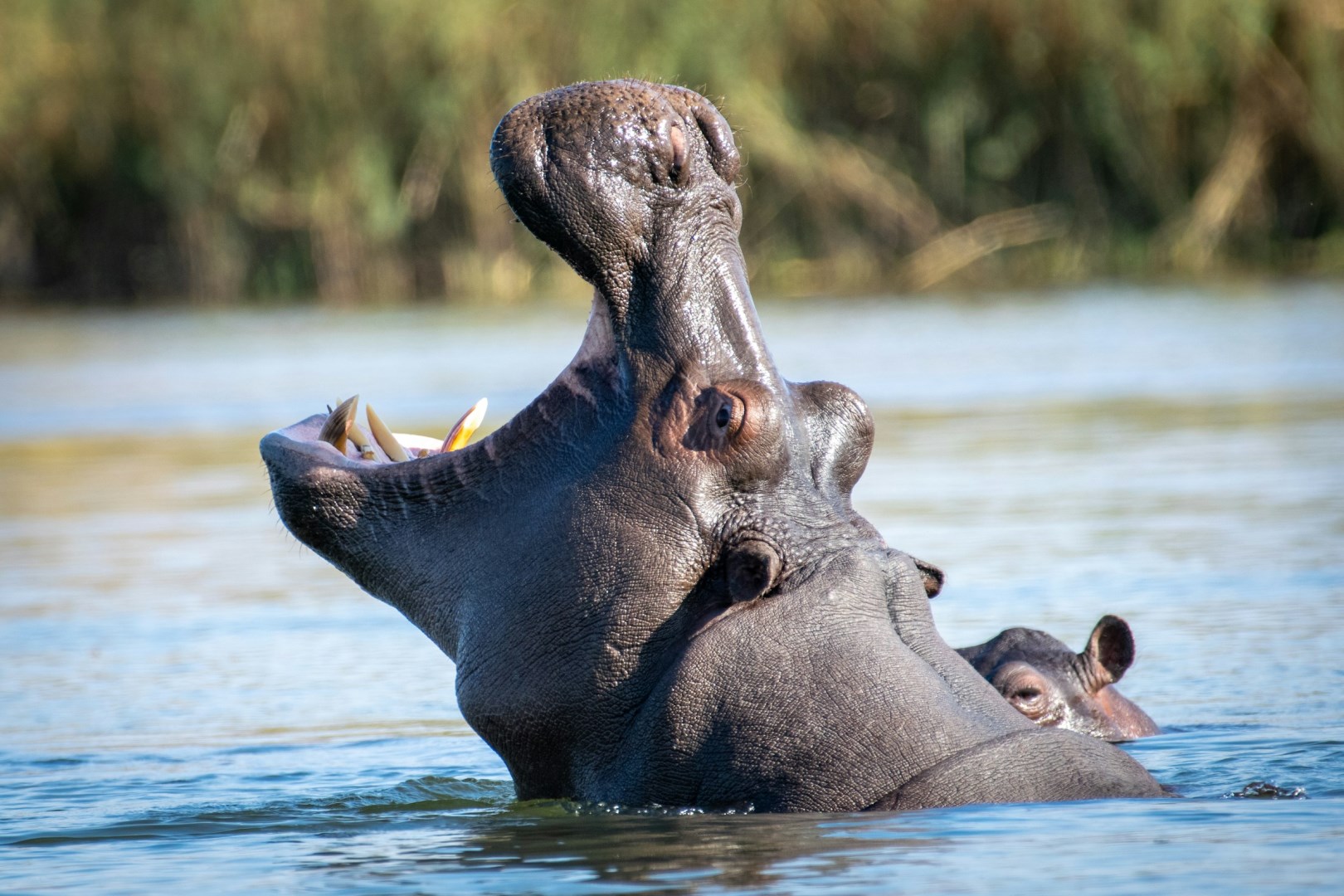
Divundu
Divundu is a small settlement in northeastern Namibia, situated along the Kavango River near the western entrance to the Bwabwata National Park. The river creates a green corridor through a region otherwise dominated by dry woodland and sandy plains. Divundu is an important stopping point between Rundu and Katima Mulilo and serves as a gateway to several wildlife and cultural sites in the Kavango and Zambezi regions.

Aalborg
Aalborg is the fourth largest city in Denmark and constitutes a natural center for the North Jutland region. In addition Aalborg is Denmark's largest conference center, outside Copenhagen. Aalborg has many cultural attractions which appeal to a wide variety of tastes; a varied night-life and more than 300 restaurants, bars and clubs.
