
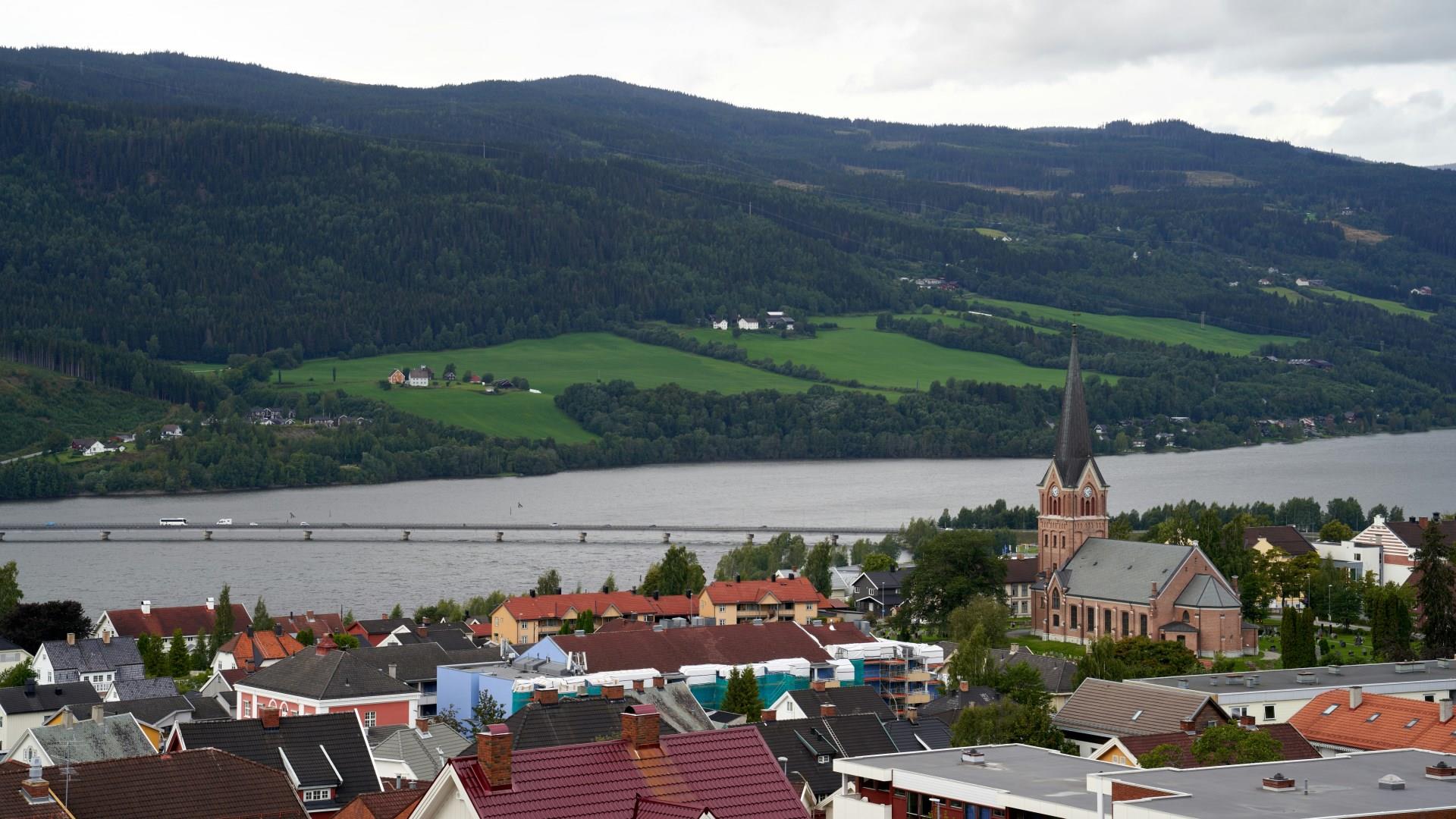
Lillehammer
Lillehammer, nestled along the northern shores of Norway’s Lake Mjøsa and framed by pine-covered hills, is a town that blends natural beauty with cultural richness. Famous for hosting the 1994 Winter Olympics, Lillehammer has leveraged its global spotlight to cultivate attractions that celebrate both its sporting legacy and artistic heritage.
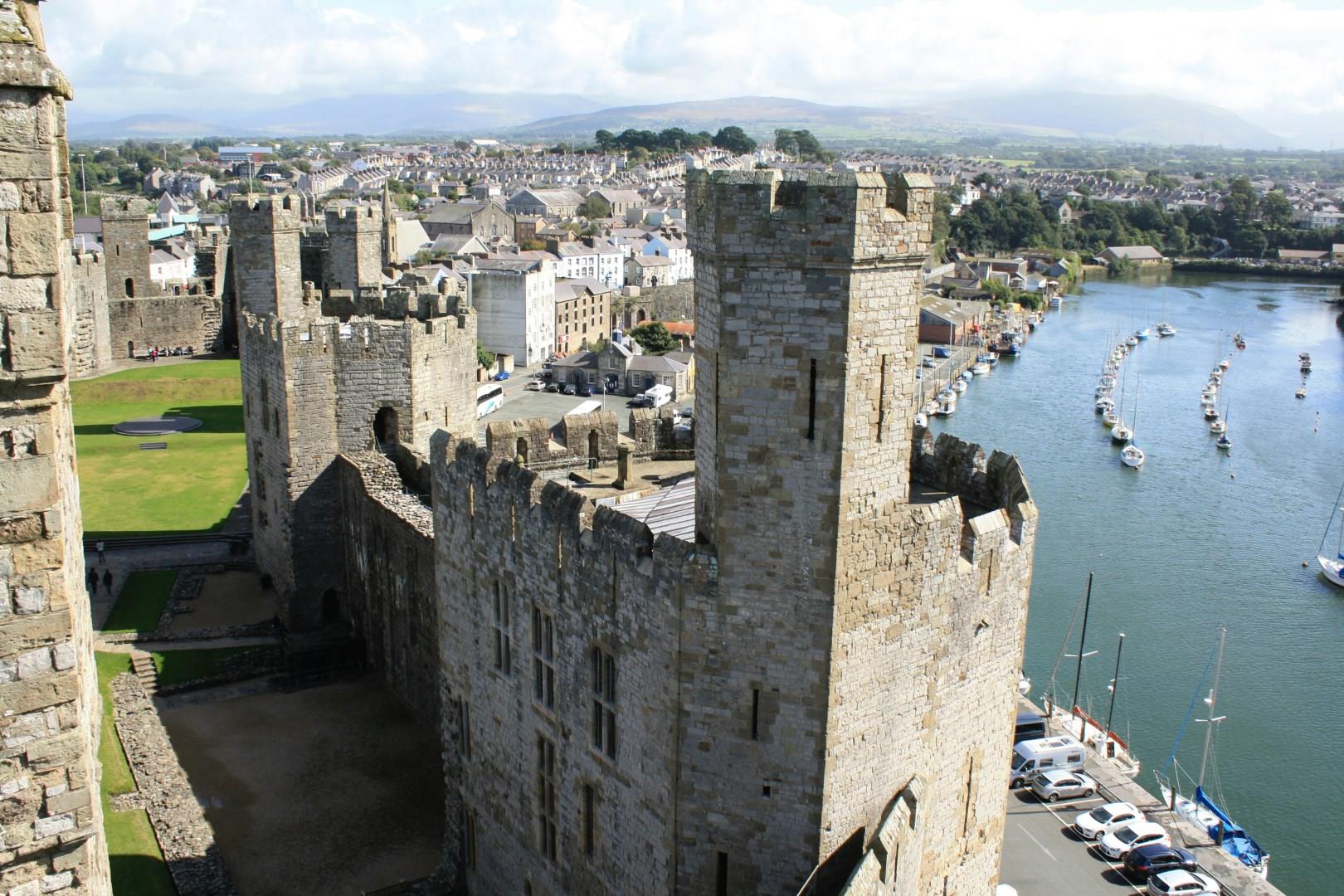
Caernarfon
Caernarfon, a town in northwest Wales, is famed for its medieval heritage, most notably Caernarfon Castle, a UNESCO World Heritage Site built by Edward I in the late 13th century.
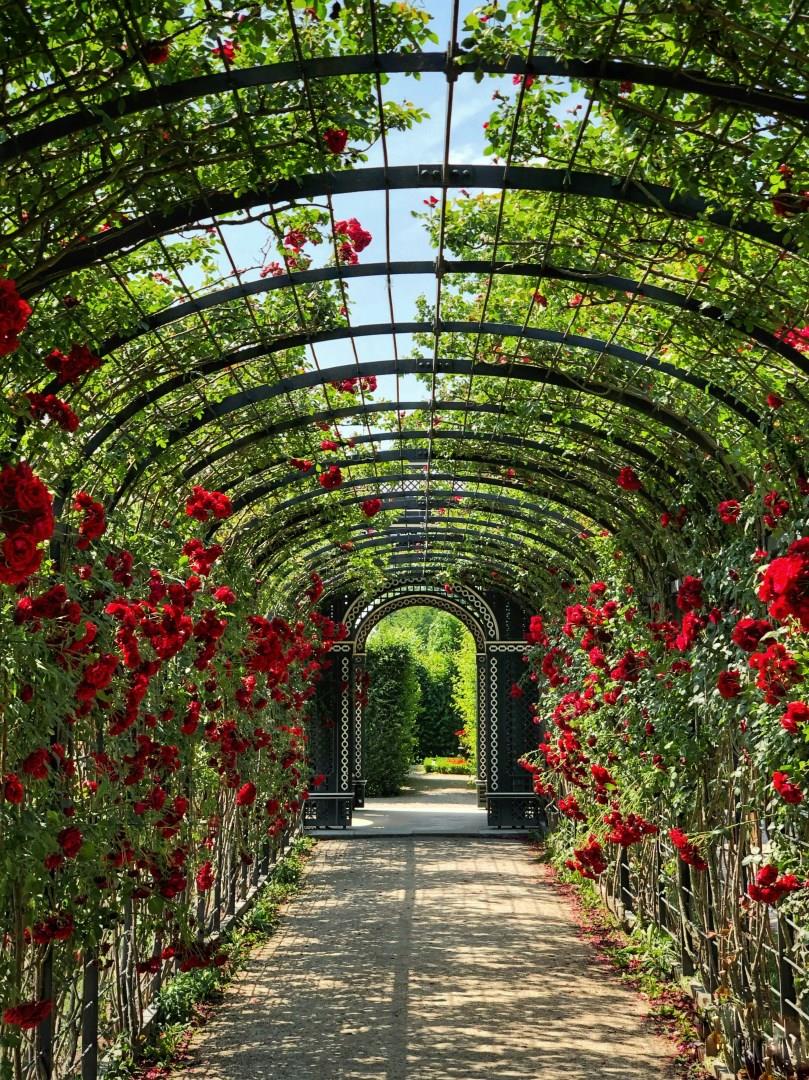
Vienna
Vienna has a long memory. Once the capital of the Habsburg Empire, the city still carries signs of its imperial past in its palaces, concert halls, and wide boulevards. Visitors can walk through the Hofburg complex, where emperors once ruled, or tour the opulent rooms of Schönbrunn Palace, which features 1,441 rooms and a maze in its gardens. But Vienna’s many historic buildings now house contemporary art museums, cafés, and institutions that reflect the city’s modern identity.
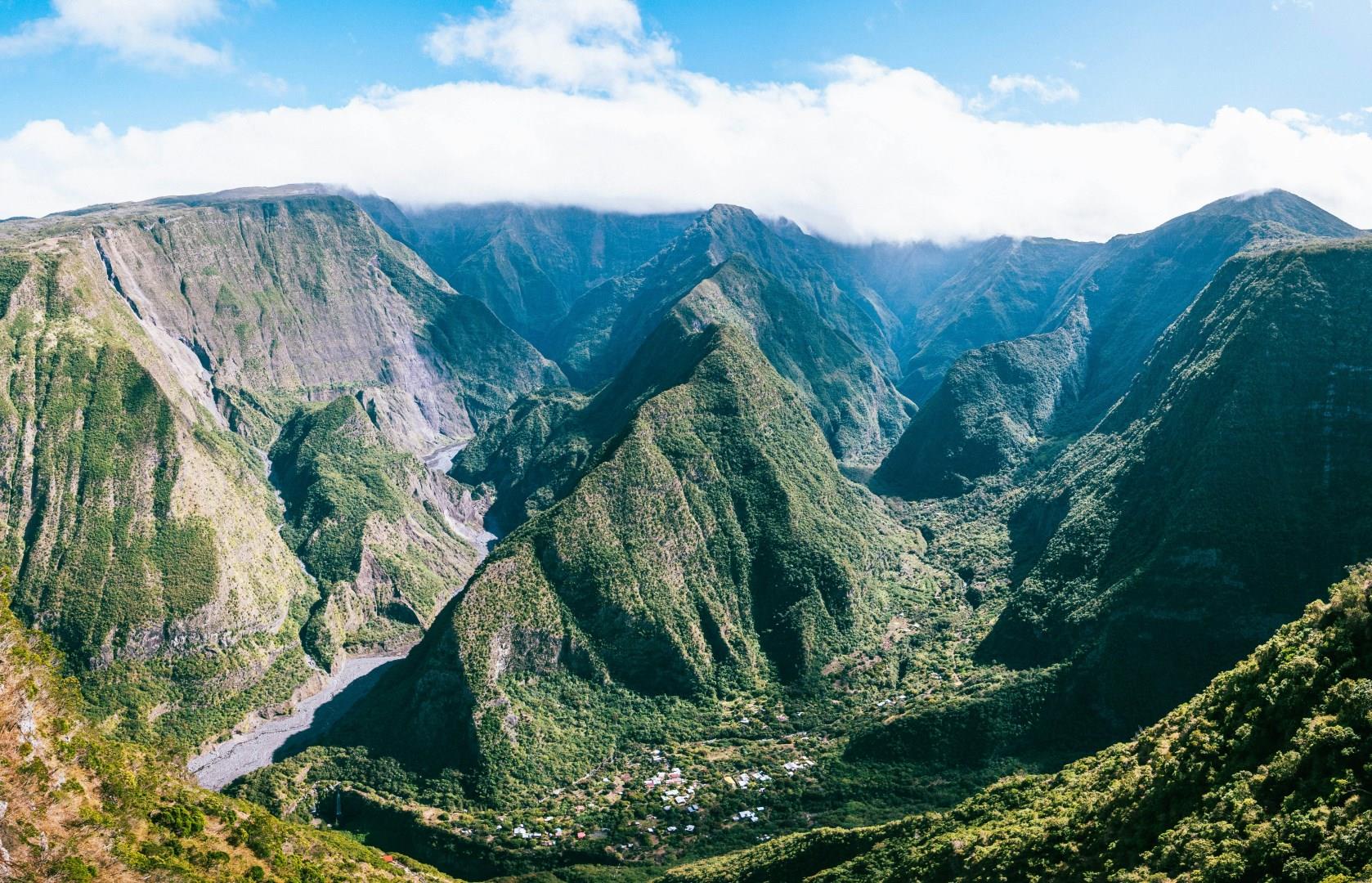
Réunion
Réunion, a French overseas department in the Indian Ocean, lies east of Madagascar and combines European and Creole influences in a tropical setting. Its volcanic landscapes, lush forests, and coastal towns make it an extraordinary destination for those seeking both culture and nature.

Marsaxlokk
Nestled along the southeastern coast of Malta, Marsaxlokk is a charming fishing village that offers an authentic glimpse into the island's maritime heritage. Renowned for its picturesque harbor filled with traditional "Luzzu" boats painted in vibrant blues, reds, and yellows, Marsaxlokk is a feast for the senses. These iconic boats, each adorned with the Eye of Osiris for protection, are a symbol of Malta’s deep-rooted cultural ties to the sea.
