

Java Sea
The Java Sea sits between the islands of Java, Sumatra, Borneo, and Sulawesi in Indonesia and is a destination rich in natural beauty, history, and vibrant cultures. This shallow sea is known for its stunning turquoise waters, pristine islands, and fascinating marine life.
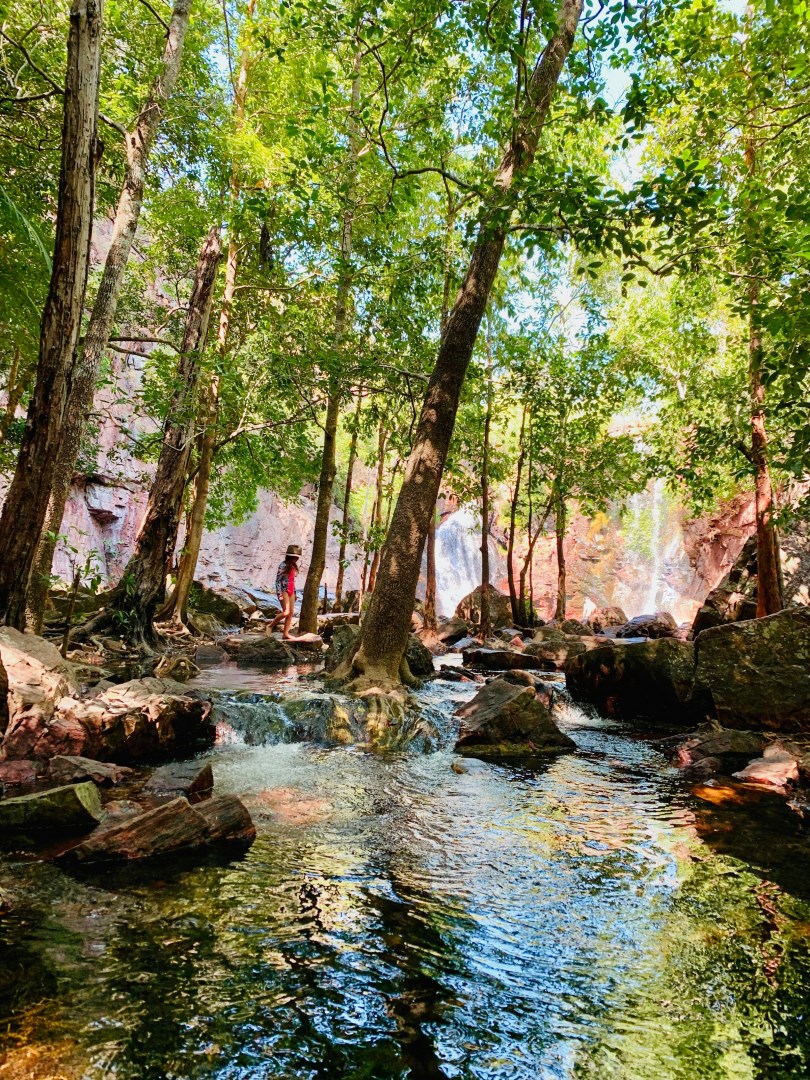
Litchfield National Park
With it's sandstone escarpments, patches of monsoon rainforest, permanent crystal clear waterholes, spectacular waterfalls and historic ruins, Litchfield National Park is a fantastic vacation destination.

Funchal
Nestled on the sun-drenched southern coast of Madeira, Funchal, the island's capital, offers an enchanting mix of old-world charm, vibrant culture, and natural beauty. This picturesque city, set against a backdrop of rugged mountains and the deep blue Atlantic Ocean, is known for its lush botanical gardens, stunning vistas, and year-round mild climate.

Reeth
Reeth, a charming village in the Yorkshire Dales National Park, offers an idyllic retreat amidst stunning natural landscapes. Located in Swaledale, Reeth is renowned for its picturesque setting and as a gateway to outdoor adventures. The village’s stone cottages and traditional market square provide a quintessentially English village experience.
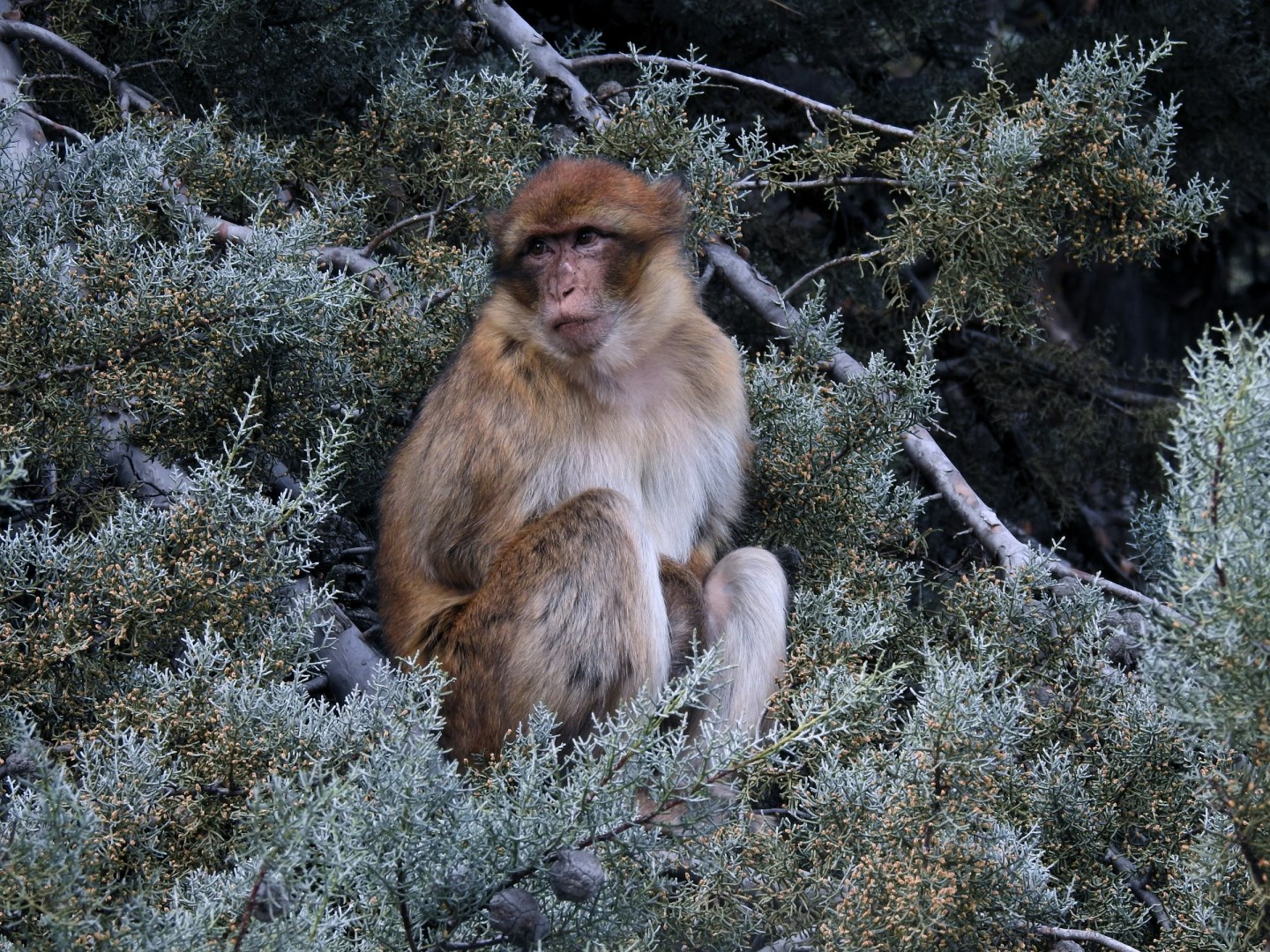
Ifrane
Ifrane is a mountain city in Morocco’s Middle Atlas, set at about 1,650 metres above sea level between Fez and Meknes. Its high elevation gives it a cooler climate than many Moroccan cities, with regular winter snowfall and mild summers.
