

Aguas Calientes
Aguas Calientes, officially called Machupicchu Pueblo, sits in a narrow valley below the ruins of Machu Picchu, shaped almost entirely by geography and access. The town grew around the railway and hot springs that give it its name, becoming a necessary stopping point rather than a destination planned in advance. Its identity is closely tied to movement, with most people arriving on foot or by train and staying briefly before heading uphill.
Cape Winelands
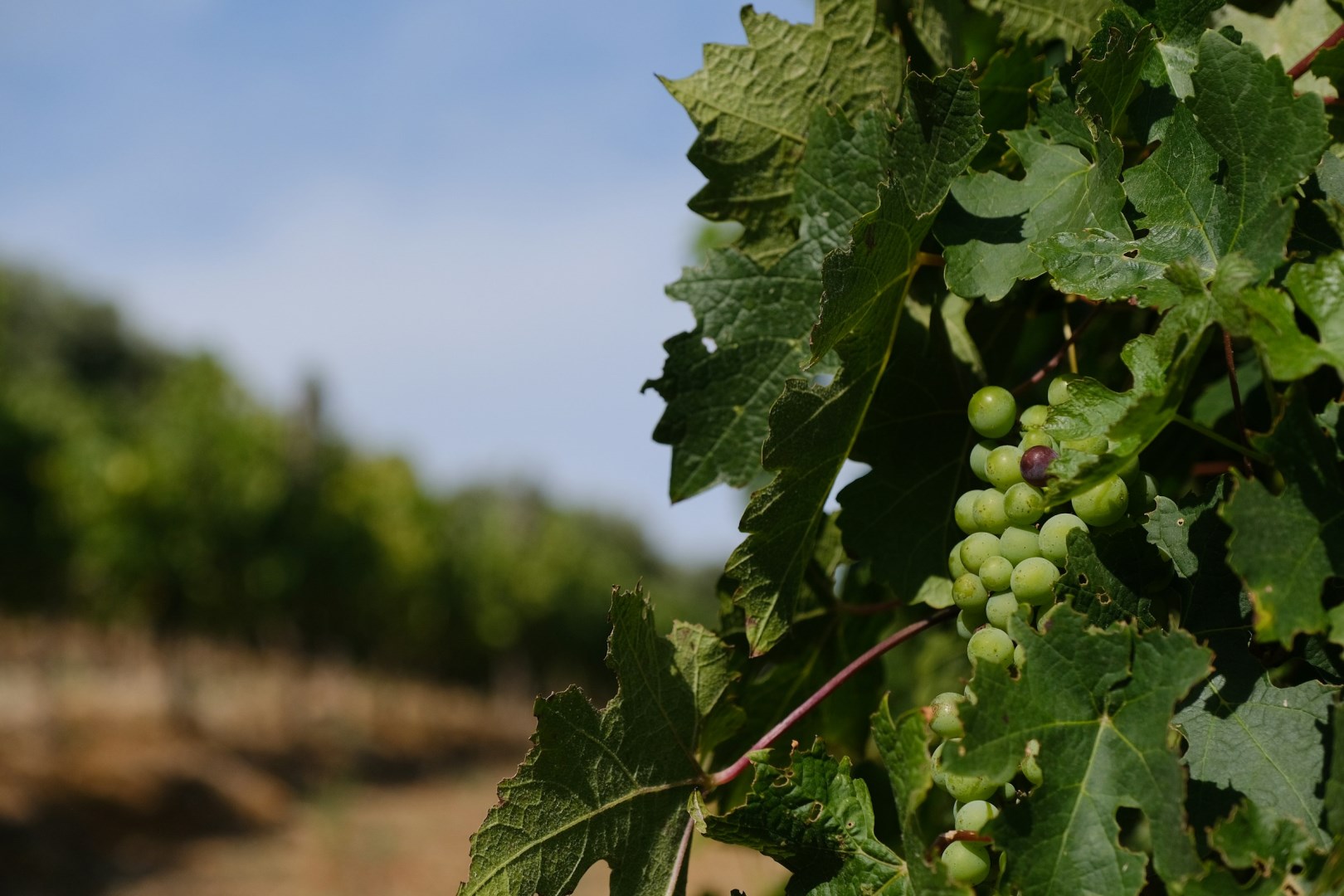
Cape Winelands is a wine-producing region in South Africa’s Western Cape, centered on towns such as Stellenbosch, Franschhoek, and Paarl. Vineyards cover broad valleys beneath the Hottentots Holland, Simonsberg, and Drakenstein mountain ranges, creating a landscape where cultivated farmland meets rugged slopes. Stellenbosch is known for its historic town centre and concentration of wine estates, while Franschhoek has a strong connection to French Huguenot heritage.
Long Beach
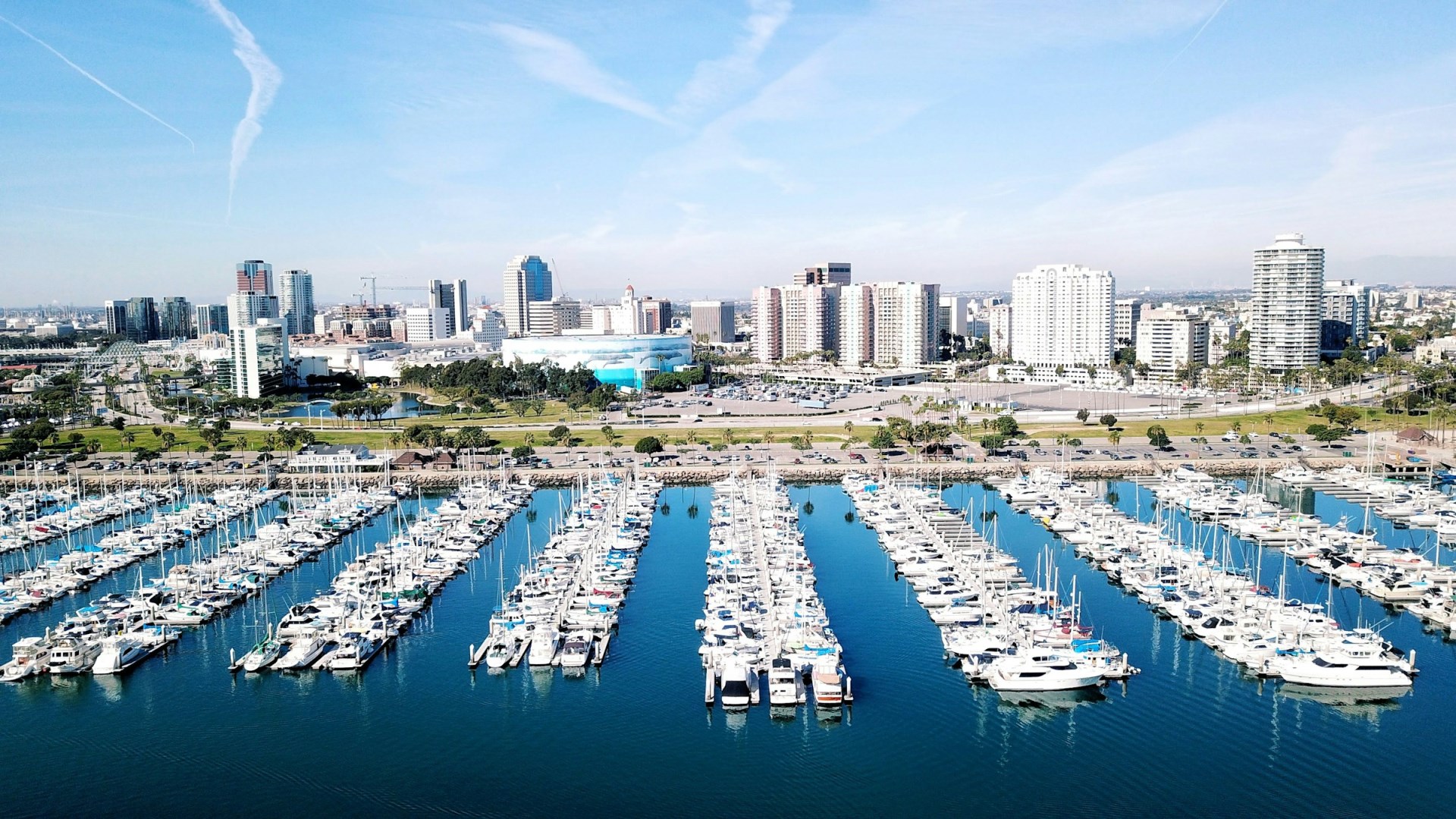
Long Beach is a major coastal city in Southern California, located south of Los Angeles where the Los Angeles River meets the Pacific Ocean. Its waterfront combines sandy beaches, marinas, parks, and a busy harbor with a dense urban center. The city is known for its broad waterfront, diverse neighborhoods, and strong connections to shipping, aviation, and maritime industries.

Manila
Manila is the capital of the Philippines and a densely built city on the eastern shore of Manila Bay. It serves as a major center for government, commerce, education, and the arts, while its neighborhoods reveal different layers of Filipino life. The Pasig River connects the city to the wider metropolitan area, and the waterfront remains an important part of its setting. Manila is especially known for Intramuros, the walled historic district at the heart of the city.

Anaheim
The principal attraction of this suburb south of Los Angeles (on I-5) is that remarkable entertainment machine, Disneyland. Even adults will delight in this theme park, and there's now an element of nostalgia for many parents -- they first went there when they were children.
