
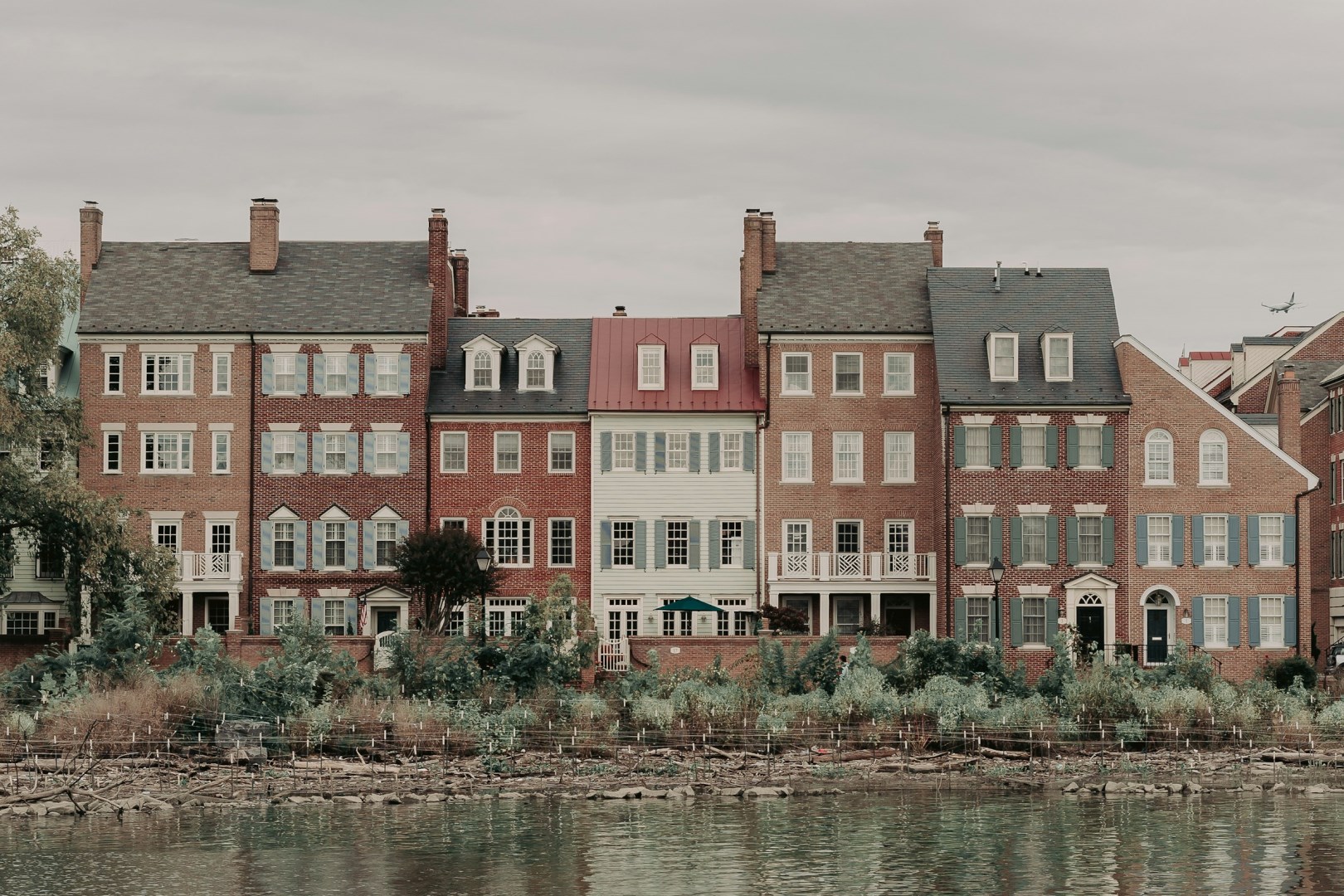
Alexandria
Alexandria is an unique and historic place that keeps pace with the modern world. The City is part of a large metropolitan area surrounding the nation's Capital, yet it has retained its period character. About one-quarter of the town's 15 square miles has been designated as a national or local historic district.
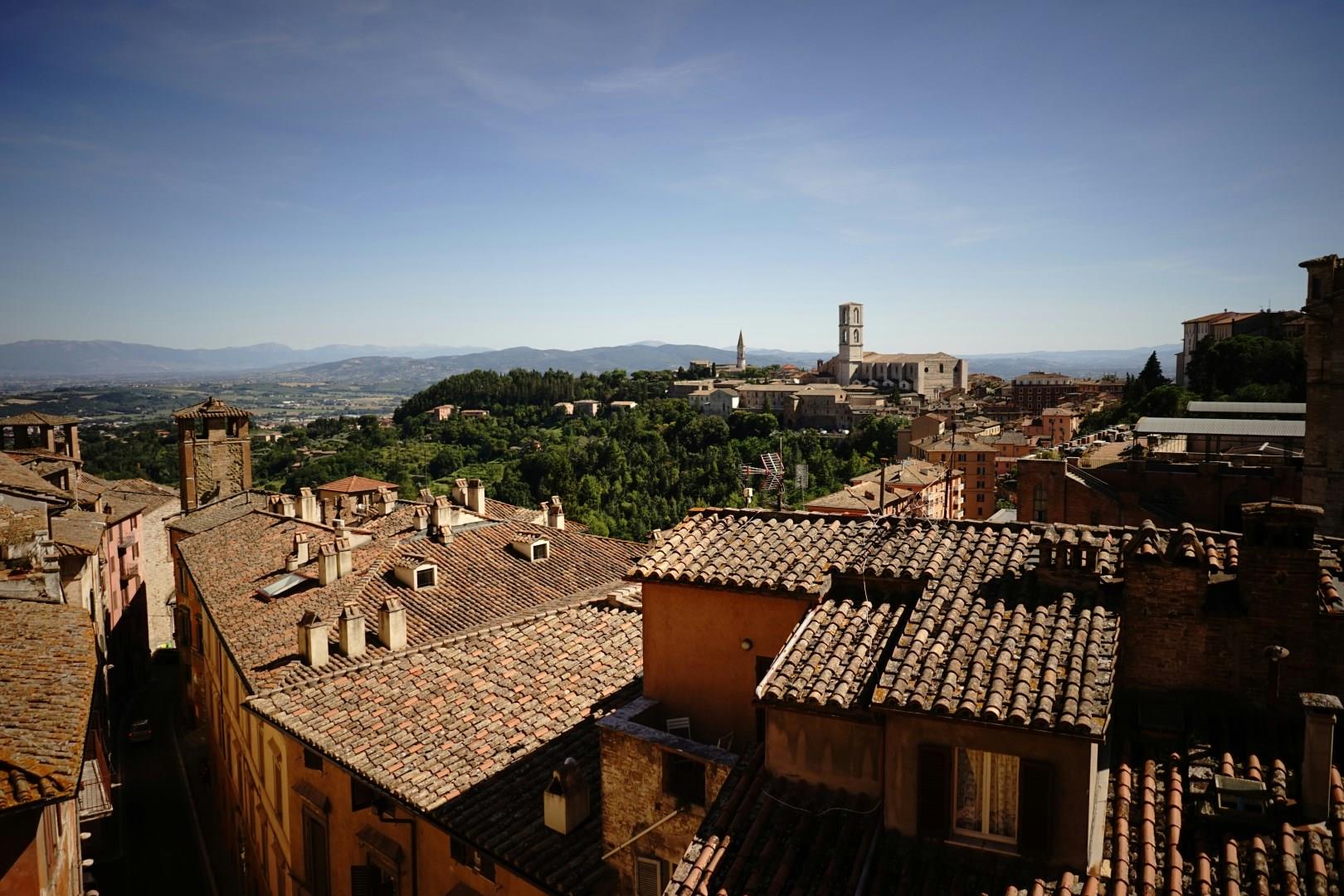
Perugia
Perugia, the capital of Italy’s Umbria region, is a city built across hills and centuries. Originally settled by the Etruscans more than 2,500 years ago, it still holds remnants of their civilization, including one of the largest surviving Etruscan arches in Italy named Arco Etrusco, which greets visitors at the city’s entrance. Walking through the narrow streets of the historic center reveals layers of Roman, medieval, and Renaissance architecture, all woven together within ancient stone walls.
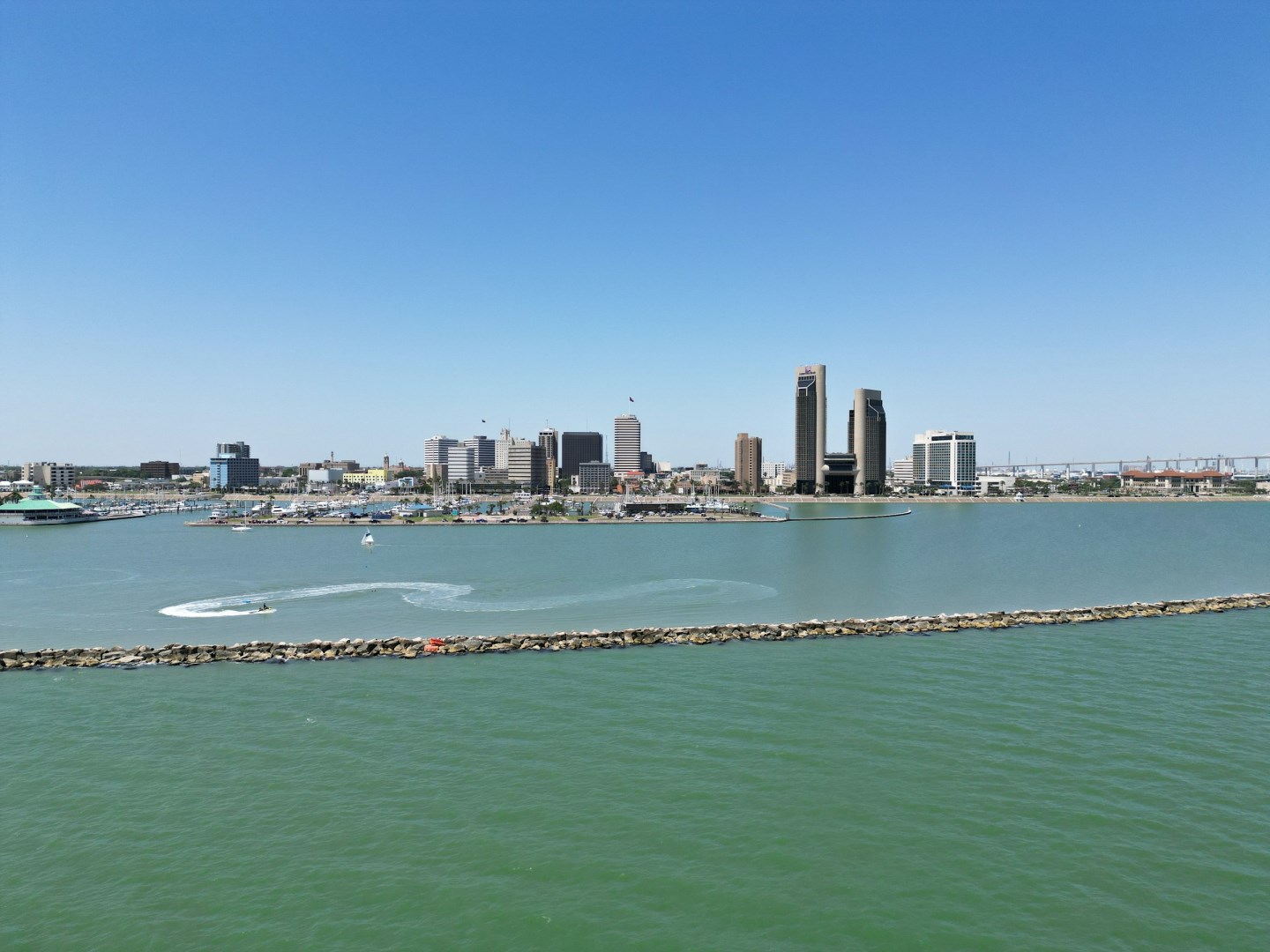
Corpus Christi
Corpus Christi is a coastal city on the Gulf of Mexico in southern Texas, set along Corpus Christi Bay and separated from the open Gulf by Padre Island and Mustang Island. Its landscape includes broad beaches, tidal flats, coastal wetlands, and shallow bays that support a wide range of marine and bird life.

Texas
Texas is a state where size meets story from high plains to coastal shores, every region brings something distinct to the table. In San Antonio, visitors can walk through centuries of layered history starting at the Alamo, a site of one of the most famous battles in the state’s fight for independence. The nearby San Antonio Missions, a UNESCO World Heritage Site, offers a deeper look into the Spanish colonial influence that shaped the region.

Mission Beach
One of the most unspoilt and undeveloped tourism destinations in the area - ideal for the visitor looking for both pristine natural beauty and a relaxed quiet getaway. The coastal fringe has wide sandy beaches, lined with small resorts and more than 25 offshore islands, while bushwalking and camping opportunities abound throughout the adjacent Wet Tropics rainforest areas.
